
The Last Supper — History & Facts
The dim light of a flickering candle casts elongated shadows across the table, where the tension of unspoken words hangs thick in the air. A group of men sit, their faces a tapestry of emotions, anticipation, and sorrow intertwined as they lean closer to one another. In this moment, a sense of impending change envelops them, illuminated by the golden glow of the meal before them. Look to the center at the figure of Christ, a serene presence amidst the turmoil, his hands poised gracefully as he speaks.
Notice how the intricate details of the linens catch the light, drawing your gaze to the delicate embroidery that symbolizes both beauty and transcendence. The rich, warm hues of amber and deep browns create an inviting atmosphere, contrasting with the cool, shadowed corners of the room, where uncertainty lurks. Delve deeper into the expressions surrounding the table; each face tells a story of loyalty, betrayal, and hope. The furrowed brow of one disciple contrasts sharply with another's serene acceptance, hinting at the inner conflict each character grapples with.
The sacred meal, while visually sumptuous, becomes a poignant metaphor for unity and sacrifice, resonating with the viewer's sense of loss and hope for redemption. In 1664, the artist crafted this poignant moment during a period of personal reflection and artistic exploration in Amsterdam. Van den Eeckhout was deeply influenced by the Baroque movement, which emphasized emotional expression and dramatic use of light. As he painted, the world around him was steeped in a renaissance of religious and philosophical thought, reflecting the complex emotions captured in this masterpiece.
More Artworks by Gerbrand van den Eeckhout
Browse all →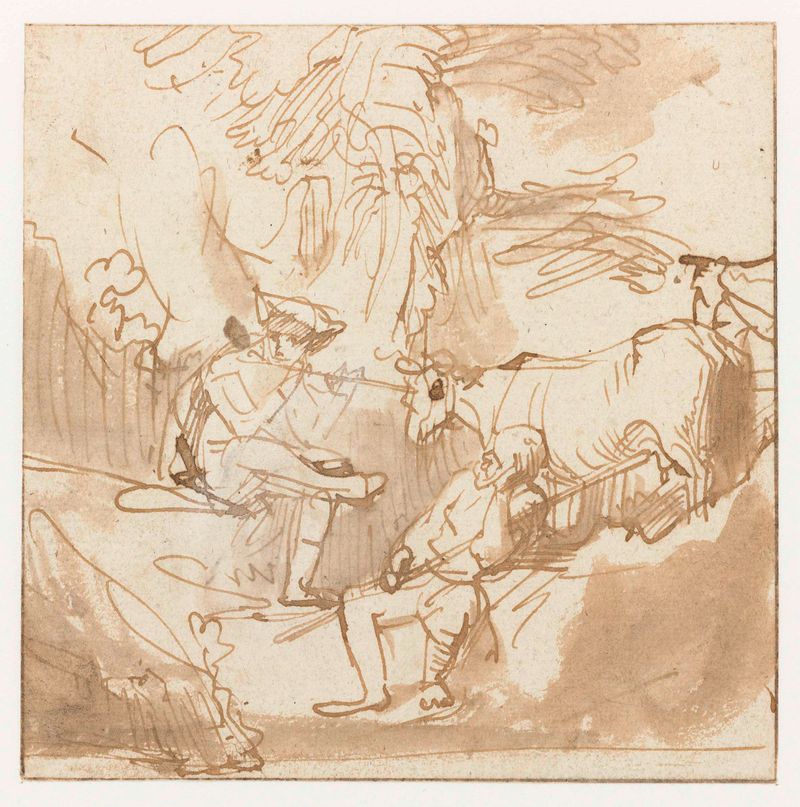
Mercury, Argus and Io
Gerbrand van den Eeckhout
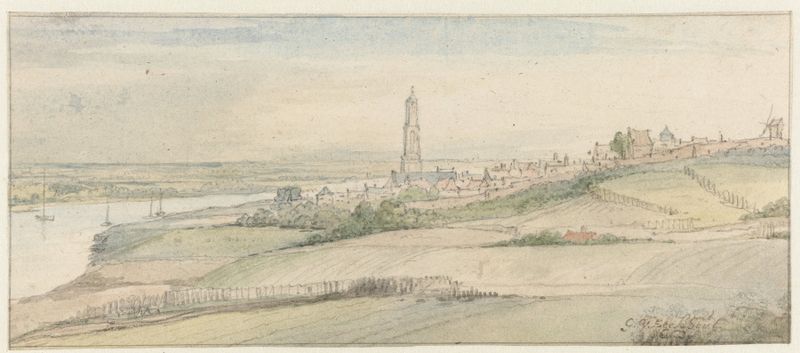
View of Rhenen and the Rhine from the East
Gerbrand van den Eeckhout
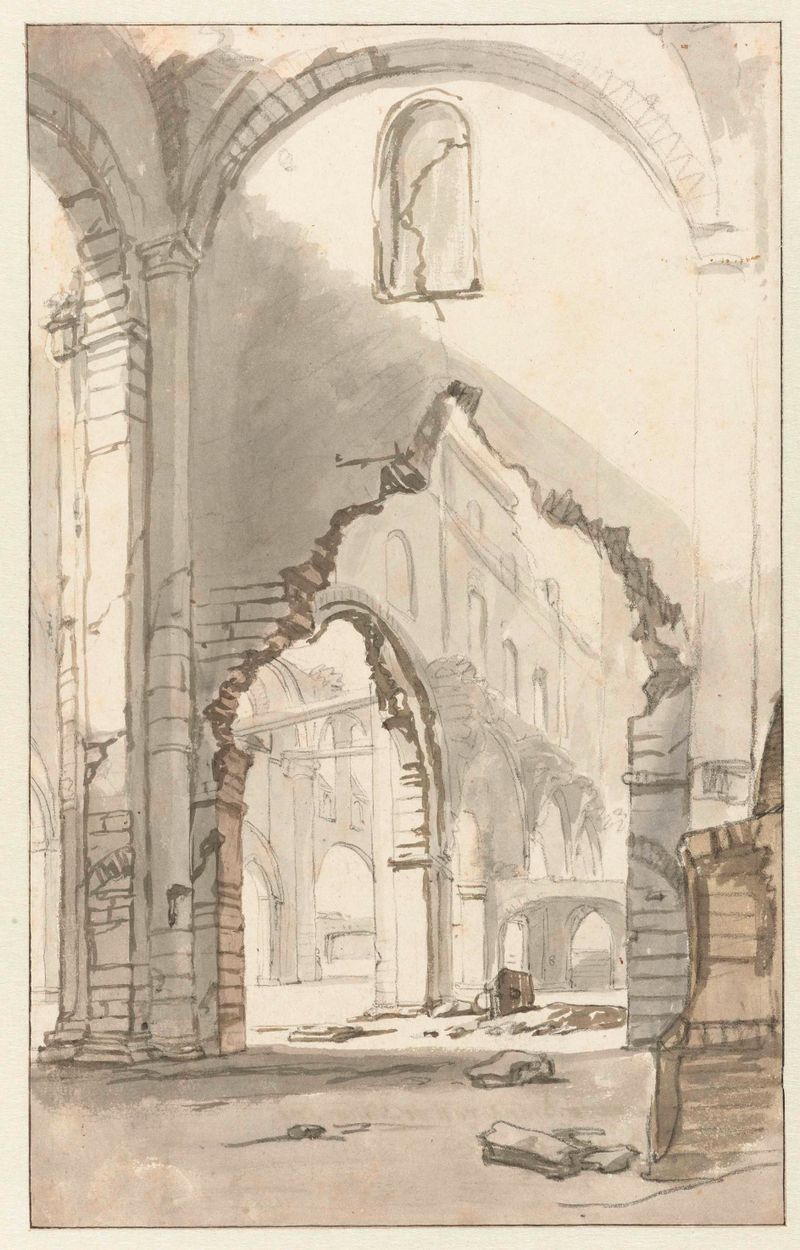
Interior of a Delapidated Church
Gerbrand van den Eeckhout
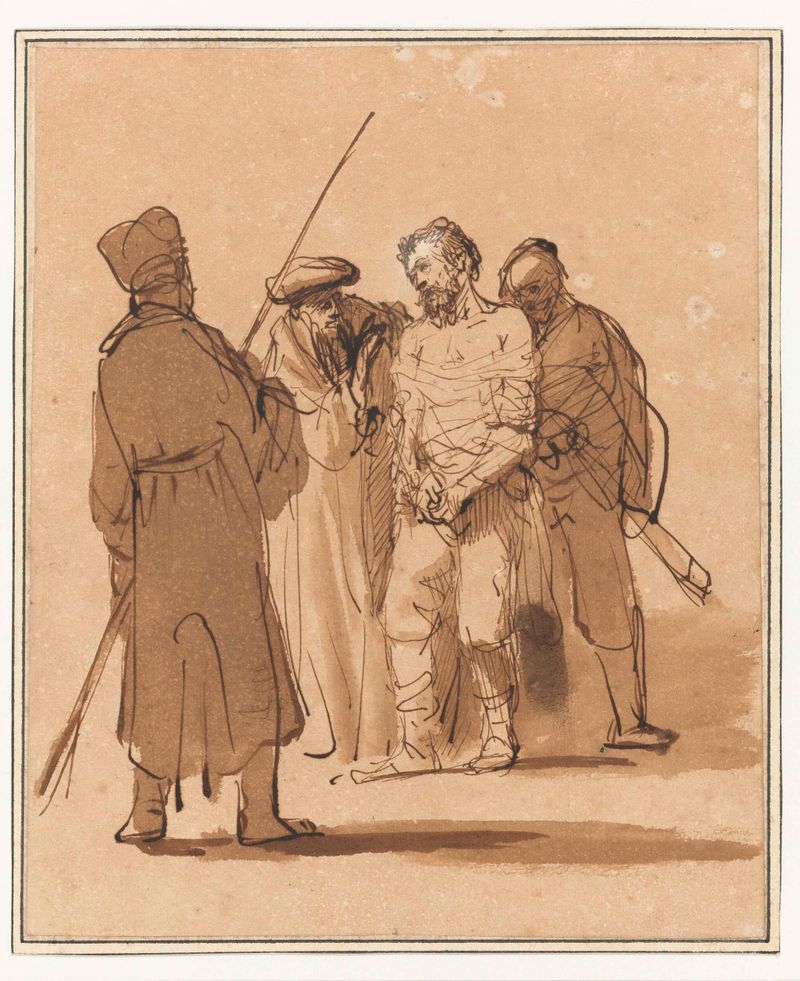
Christ Bound between Two Soldiers and a High Priest
Gerbrand van den Eeckhout
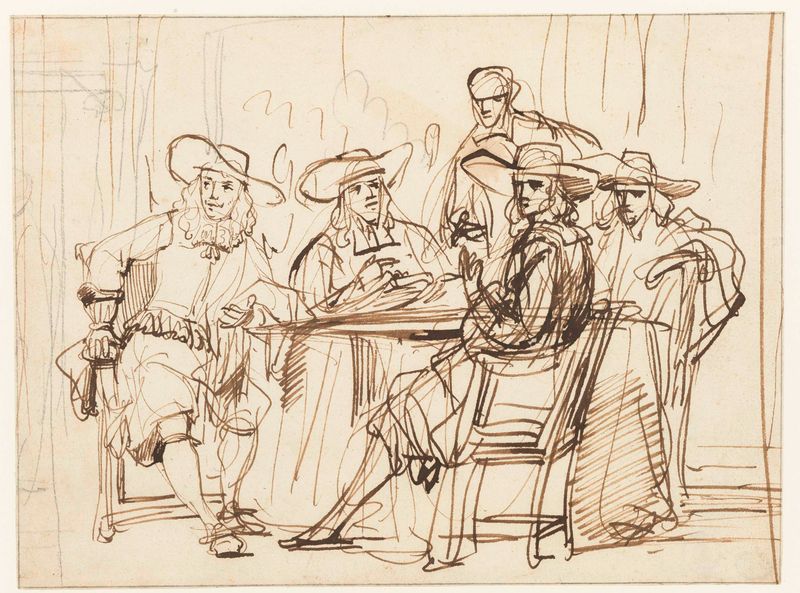
Officers of the Coopers’ and Wine-Rackers’ Guild
Gerbrand van den Eeckhout
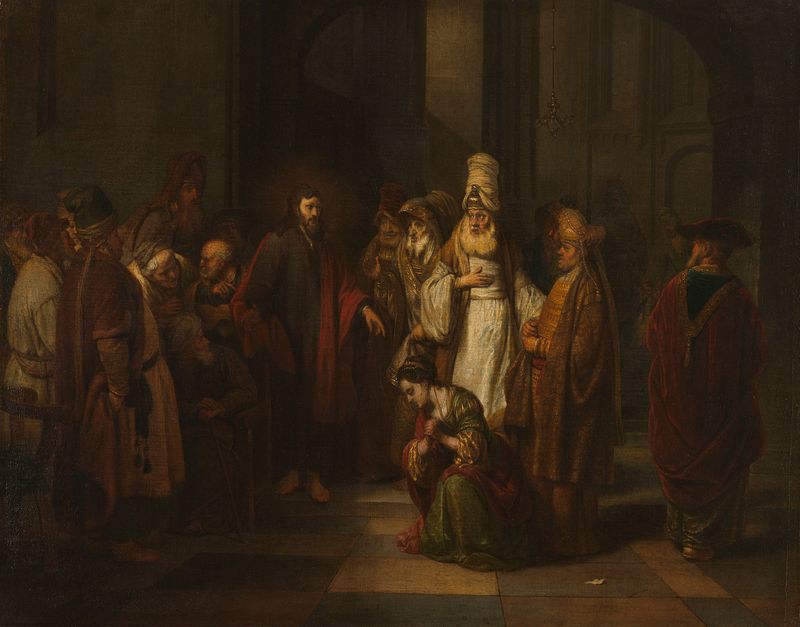
Christ and the Woman in Adultery
Gerbrand van den Eeckhout
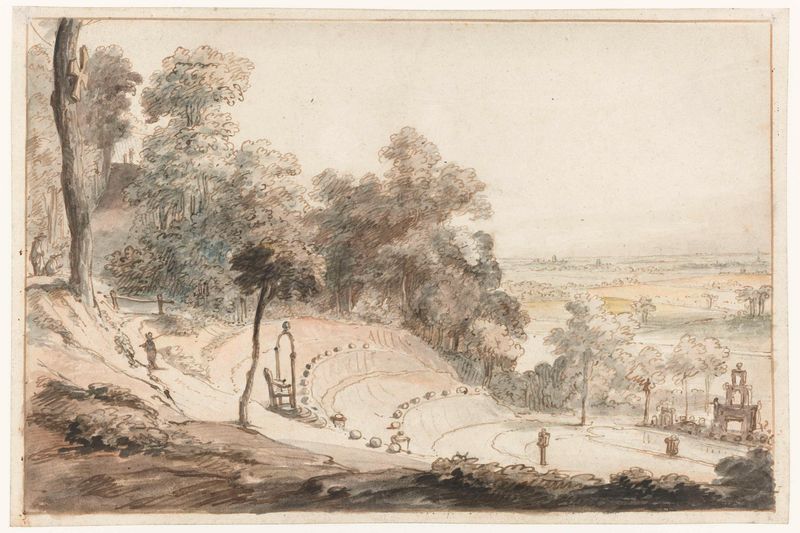
The Amphitheatre on the Springenberg in Cleves
Gerbrand van den Eeckhout
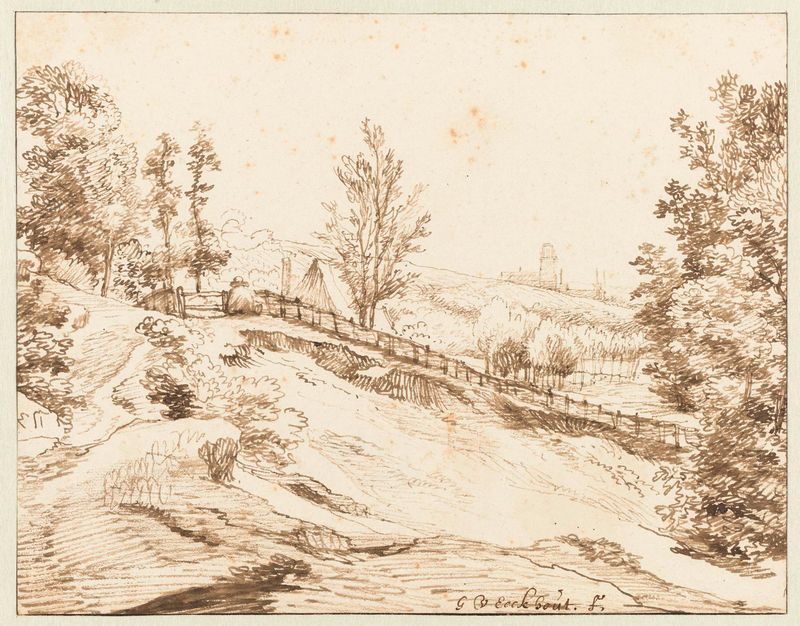
Undulating Landscape with Arnhem in the Distance
Gerbrand van den Eeckhout
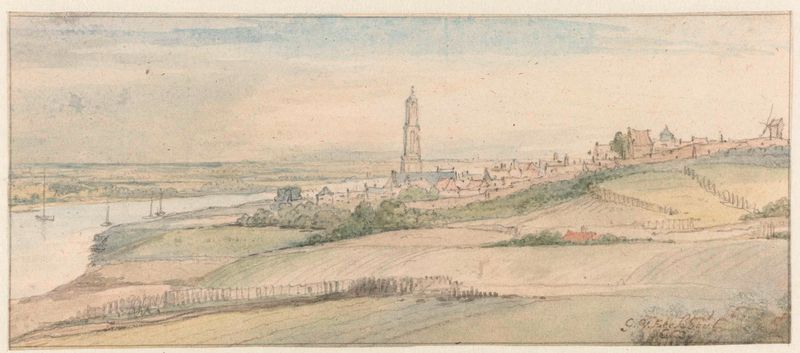
View of Rhenen and the Rhine from the East
Gerbrand van den Eeckhout
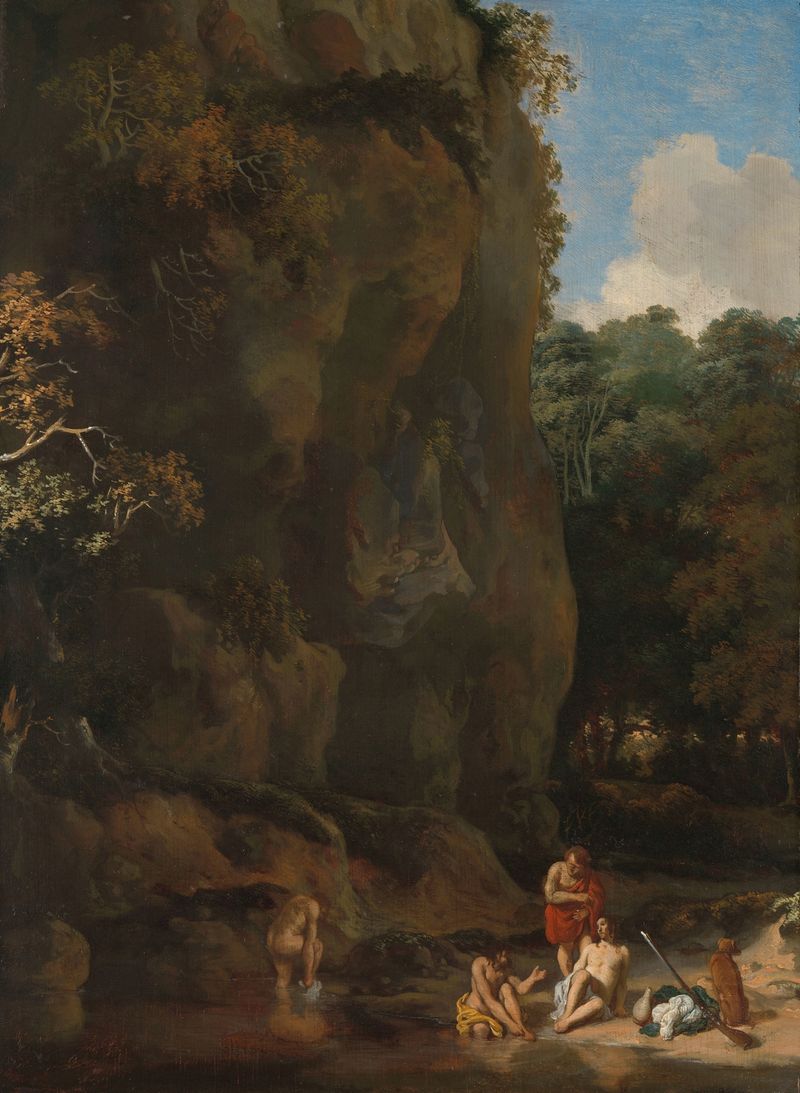
Men Bathing
Gerbrand van den Eeckhout
More Religious Art
Browse all →
The Return of the Prodigal Son
Rembrandt van Rijn

The Garden of Earthly Delights
El Bosco

Count Orgaz’ funeral
El Greco

The Hundred Guilder Print: the central piece with Christ preaching, the plate arched
Rembrandt van Rijn

The Descent from the Cross
Rogier van der Weyden

The return of the prodigal son
Rembrandt van Rijn