
View of Rhenen and the Rhine from the East — History & Facts
In the gentle embrace of a landscape, faith emerges from the very earth, whispering truths in the silence of nature's splendor. The history of this scene reverberates with the promise of renewal and the endurance of beauty. Look to the left at the sprawling fields, where lush greenery marries the gentle curves of the hills, creating a stage that invites the eye to wander. Notice how the soft light filters through the clouds, casting a delicate glow upon the serene waters of the Rhine, drawing attention to the shimmering reflections.
The careful arrangement of trees frames the river, while the warm palette of greens and browns harmonizes with the cool blues, embodying a sense of tranquility and eternity. Beneath the surface lies a tapestry of contrasts. The tranquil river juxtaposes the subtle vibrancy of life on the banks, suggesting both serenity and the pulse of existence. The distant town of Rhenen, poised on the horizon, symbolizes human endeavor, standing firm against the passage of time.
Each element within the painting holds significance, underscoring the relationship between nature and the human spirit—a dialogue of faith in continuity. In 1663, Gerbrand van den Eeckhout created this landscape while living in the Netherlands, a time of artistic flourishing and intellectual exploration. Amidst the Baroque movement, his work reflected a deep engagement with the natural world, even as he navigated personal and societal challenges. The era was marked by a profound curiosity about the interplay between light, landscape, and the human experience, anchoring his craft within a framework of both historical and cosmic significance.
More Artworks by Gerbrand van den Eeckhout
Browse all →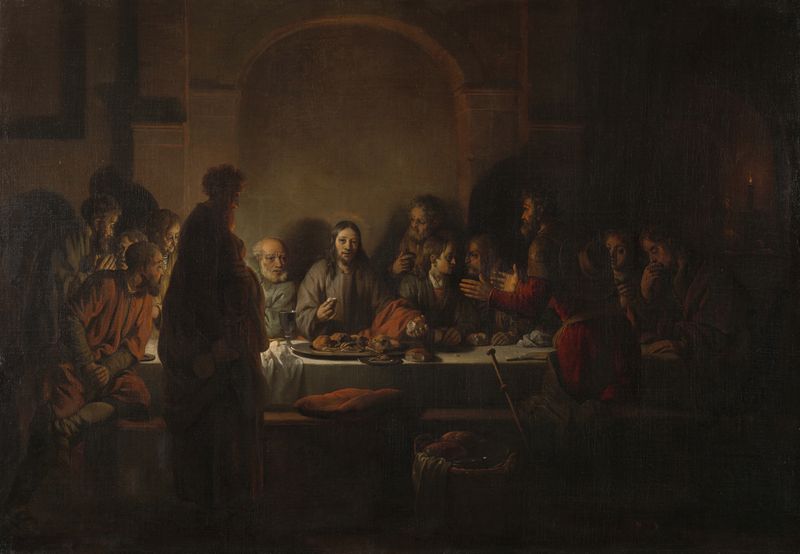
The Last Supper
Gerbrand van den Eeckhout
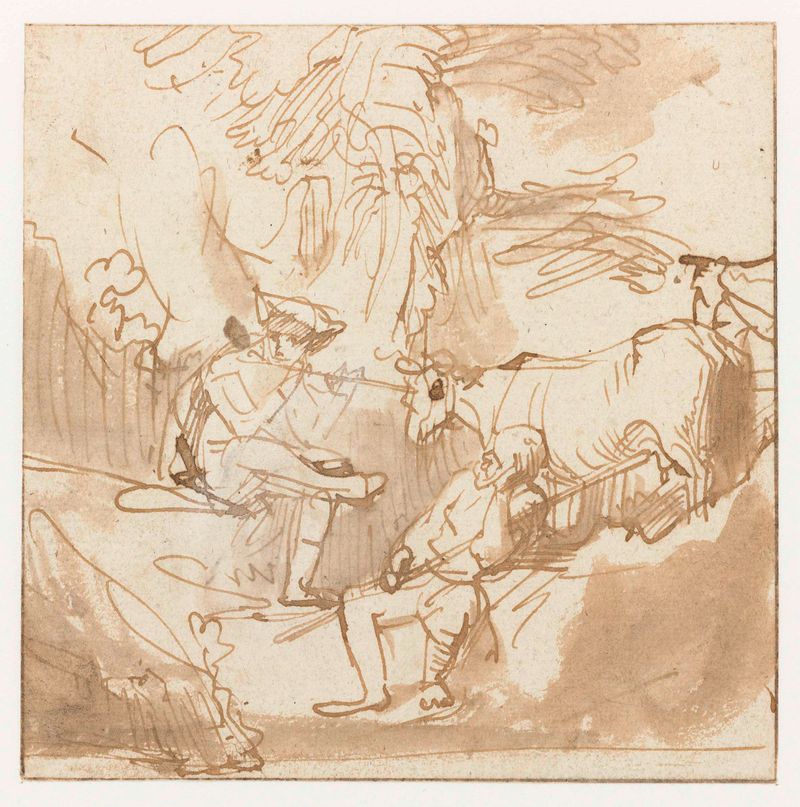
Mercury, Argus and Io
Gerbrand van den Eeckhout
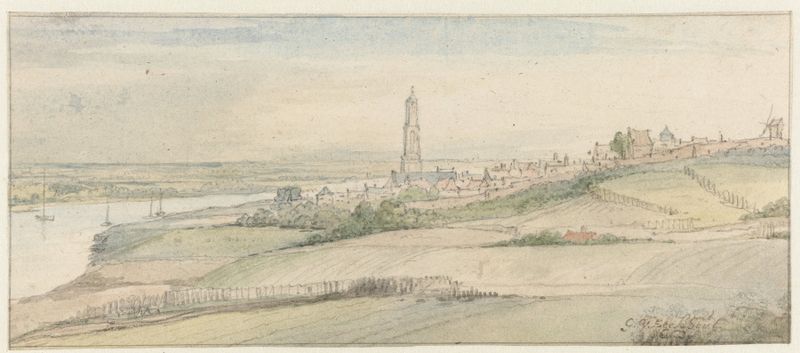
View of Rhenen and the Rhine from the East
Gerbrand van den Eeckhout
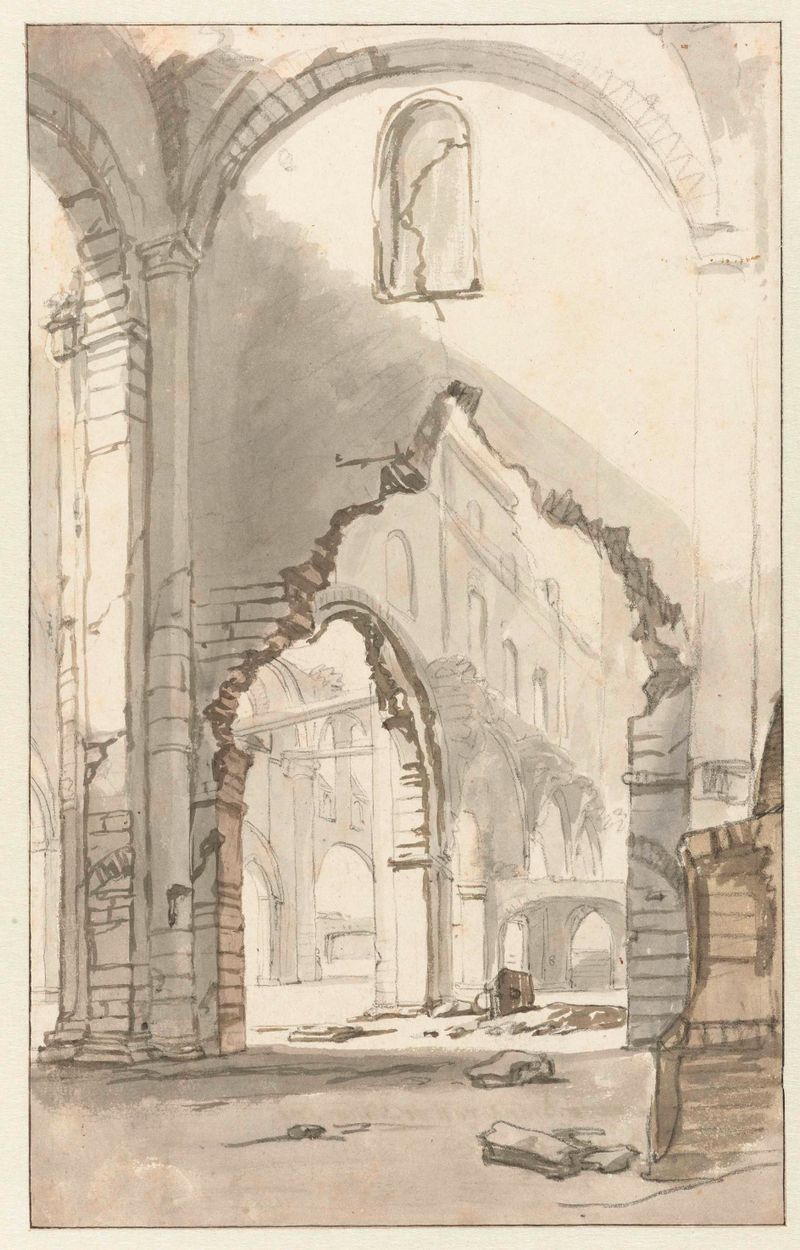
Interior of a Delapidated Church
Gerbrand van den Eeckhout
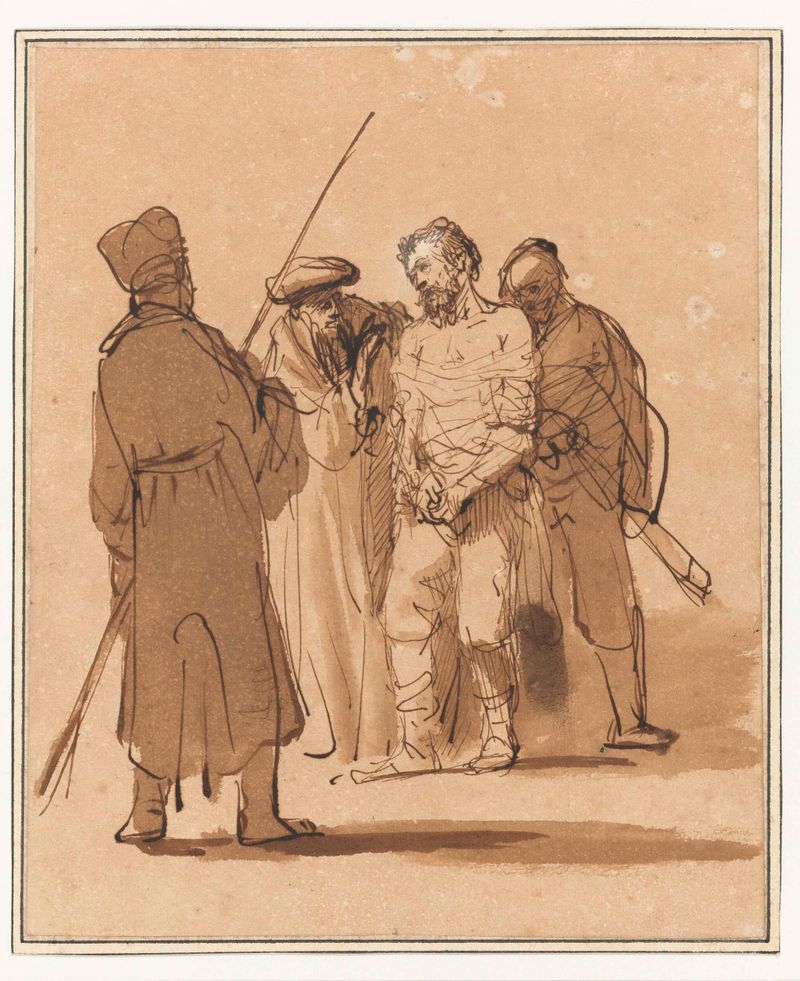
Christ Bound between Two Soldiers and a High Priest
Gerbrand van den Eeckhout
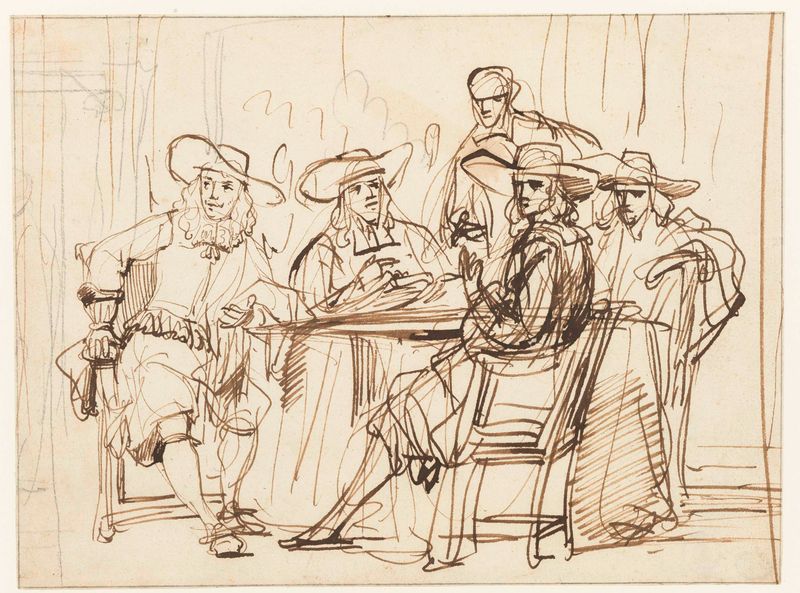
Officers of the Coopers’ and Wine-Rackers’ Guild
Gerbrand van den Eeckhout
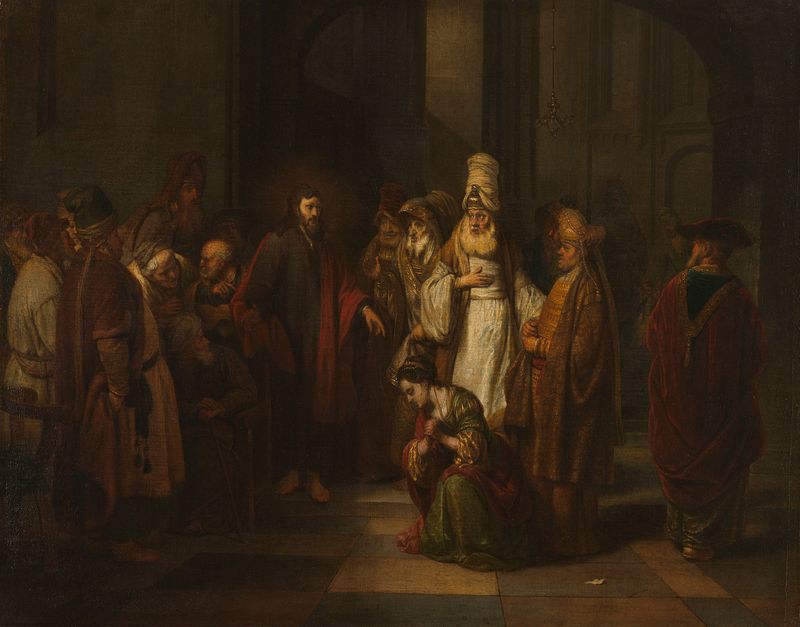
Christ and the Woman in Adultery
Gerbrand van den Eeckhout
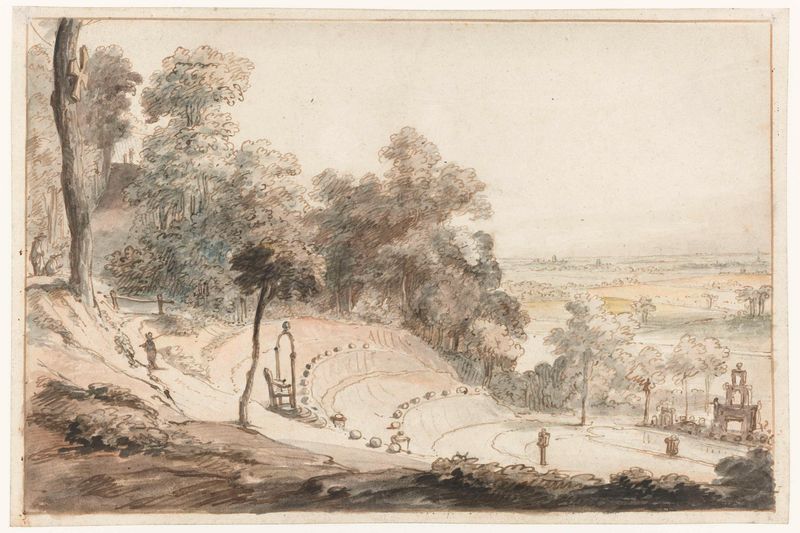
The Amphitheatre on the Springenberg in Cleves
Gerbrand van den Eeckhout
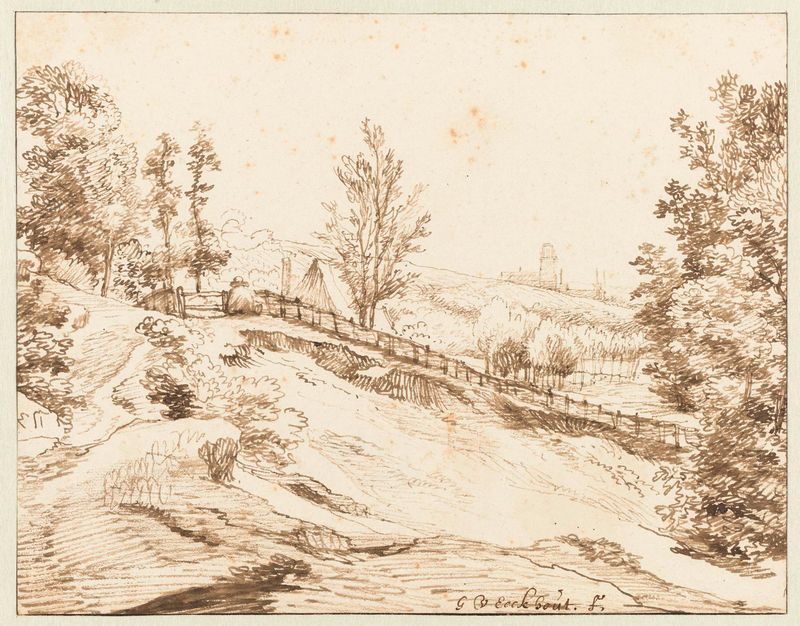
Undulating Landscape with Arnhem in the Distance
Gerbrand van den Eeckhout
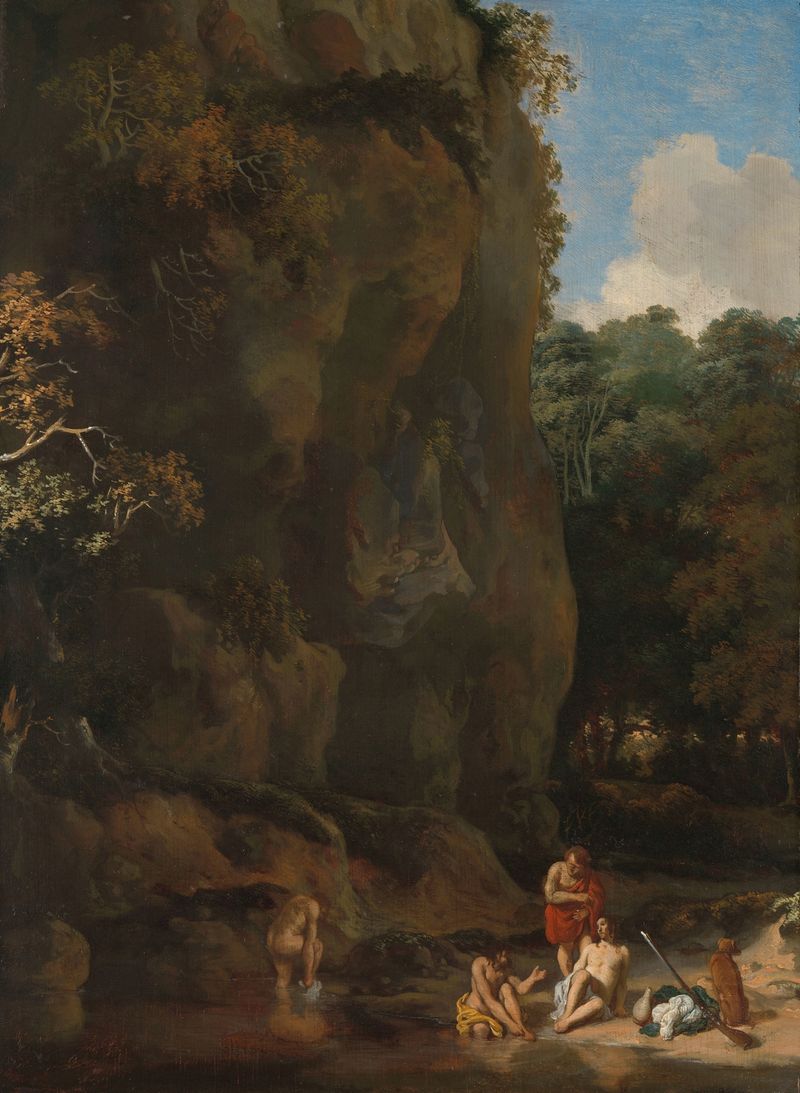
Men Bathing
Gerbrand van den Eeckhout





