
View of Rhenen and the Rhine from the East — History & Facts
Could a single brushstroke hold eternity? In View of Rhenen and the Rhine from the East, the artist encapsulates not just a landscape, but an ethereal moment in time, inviting the viewer to ponder the relationship between the earthly and the divine. Look to the foreground, where the lush, rolling hills cradle the small town of Rhenen, its rooftops kissed by a gentle light. The play of golden hues dances across the canvas, each stroke meticulously placed to convey the warmth of a setting sun that bathes the scene in a soft embrace. Notice how the river meanders through the composition, its surface shimmering with reflections that transcend mere reality, while the distant horizon fades into a hazy blue, suggesting an infinite journey beyond the confines of the painted world. Beneath the serene beauty lies a contrast between the tranquility of nature and the bustling life it cradles.
The pastoral scene evokes a sense of peace, yet the presence of the village hints at human life, intertwining existence with the sublime. The trees, carefully rendered, reach towards the heavens, blurring the lines between mortality and transcendence. The artist’s deft handling of color and light invites contemplation, challenging the viewer to reflect on their place within this serene yet complex tapestry of life. In 1663, Gerbrand van den Eeckhout created this work during a time when the Dutch Golden Age was flourishing, marked by advancements in art and a burgeoning interest in landscapes.
Living in Amsterdam, he found inspiration in the natural beauty surrounding him, reflecting the era's pursuit of knowledge and beauty. The painting captures not just a view of Rhenen, but also the spirit of a time deeply engaged with both the natural world and the human condition.
More Artworks by Gerbrand van den Eeckhout
Browse all →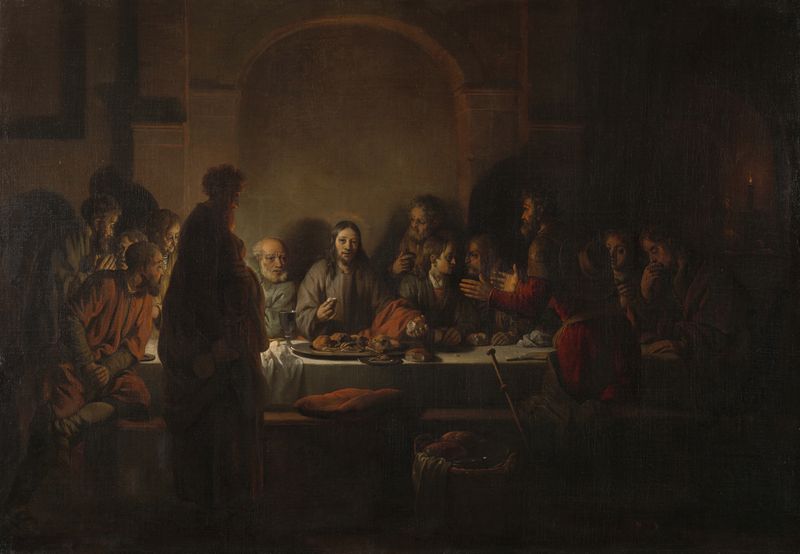
The Last Supper
Gerbrand van den Eeckhout
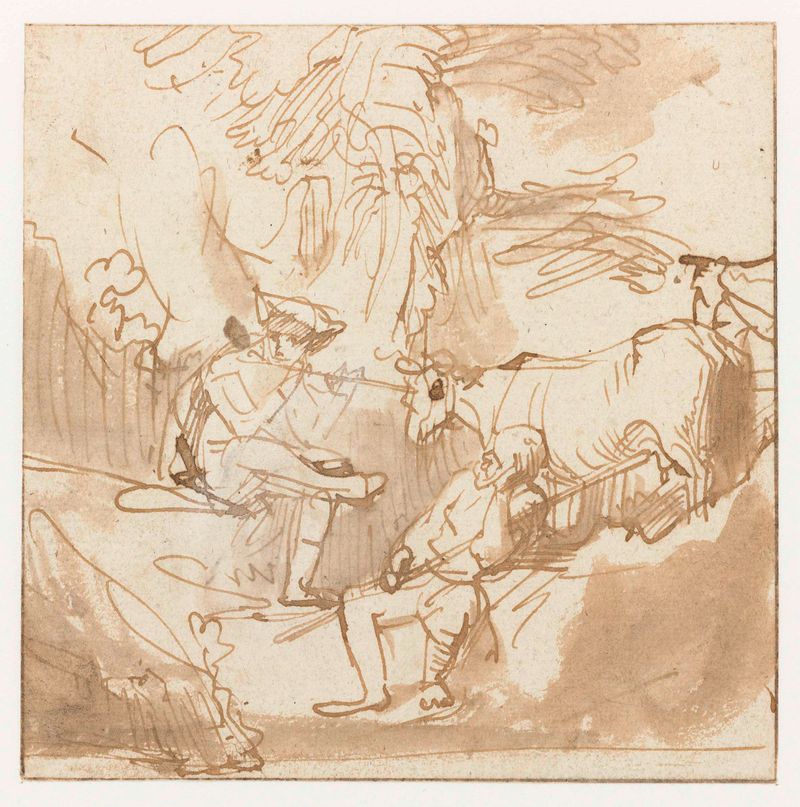
Mercury, Argus and Io
Gerbrand van den Eeckhout
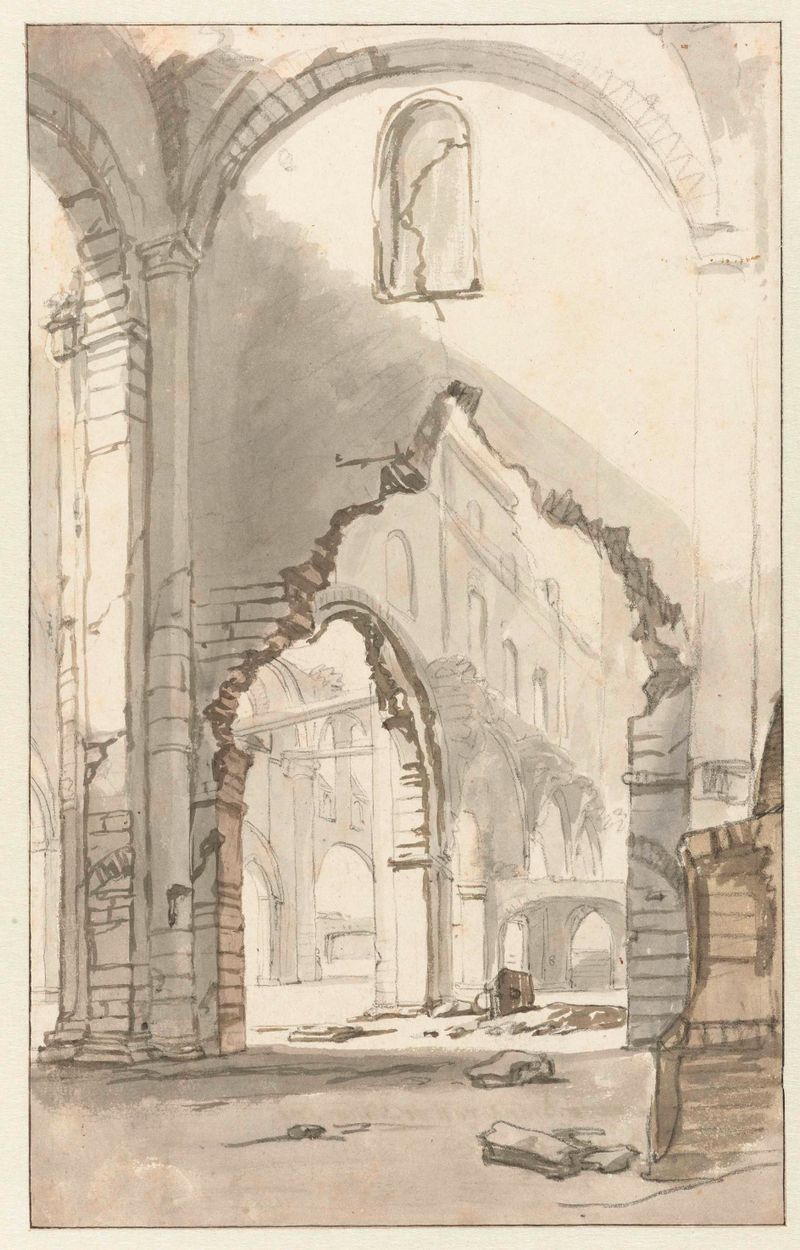
Interior of a Delapidated Church
Gerbrand van den Eeckhout
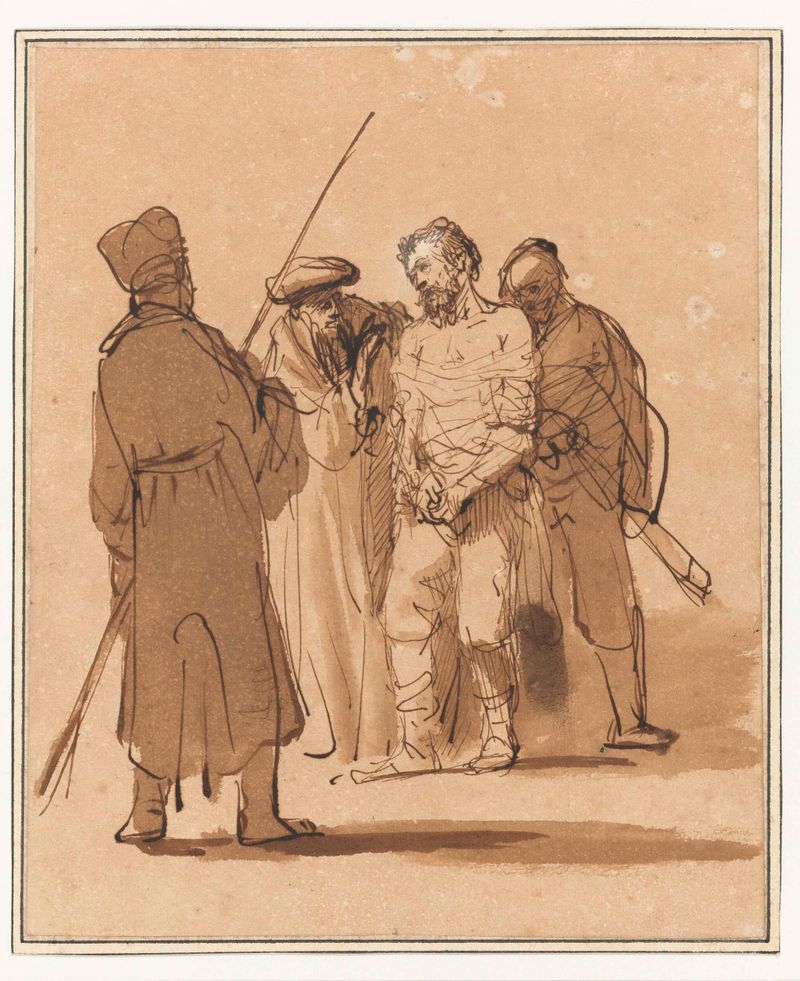
Christ Bound between Two Soldiers and a High Priest
Gerbrand van den Eeckhout
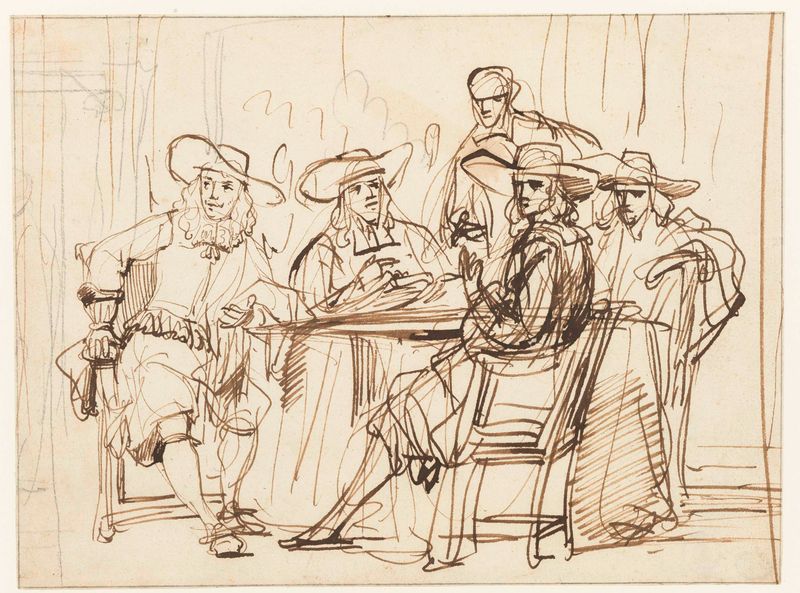
Officers of the Coopers’ and Wine-Rackers’ Guild
Gerbrand van den Eeckhout
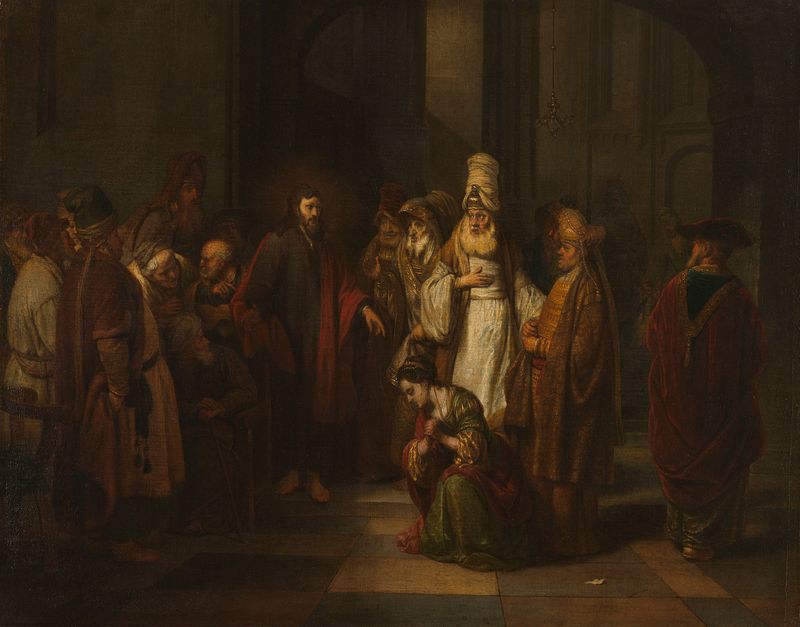
Christ and the Woman in Adultery
Gerbrand van den Eeckhout
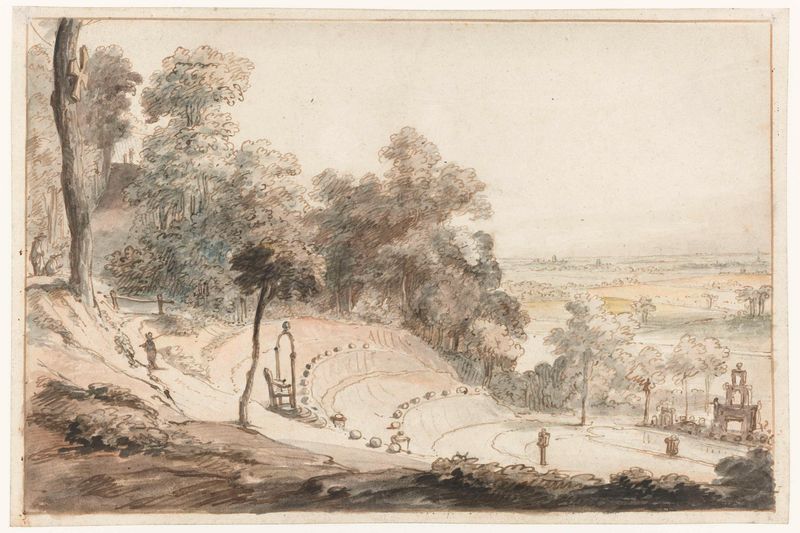
The Amphitheatre on the Springenberg in Cleves
Gerbrand van den Eeckhout
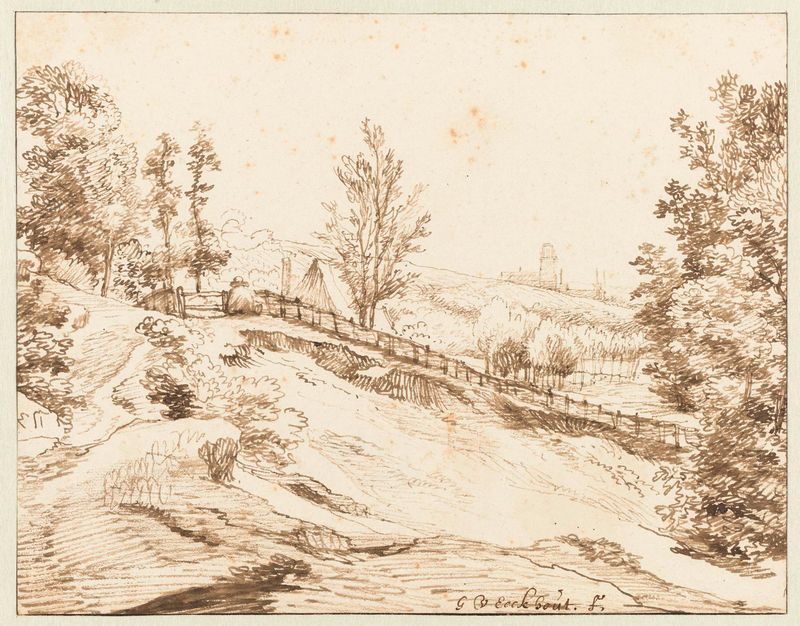
Undulating Landscape with Arnhem in the Distance
Gerbrand van den Eeckhout
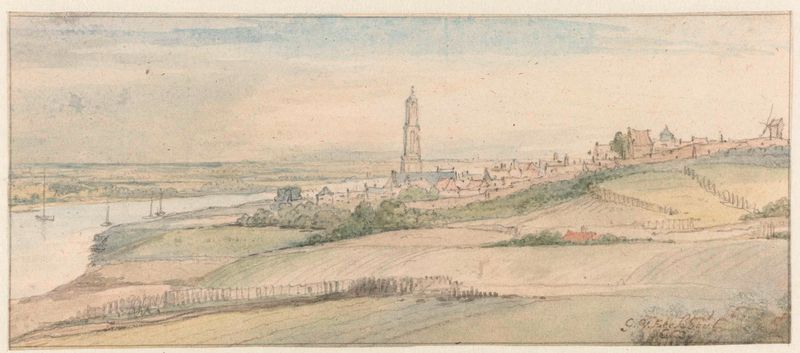
View of Rhenen and the Rhine from the East
Gerbrand van den Eeckhout
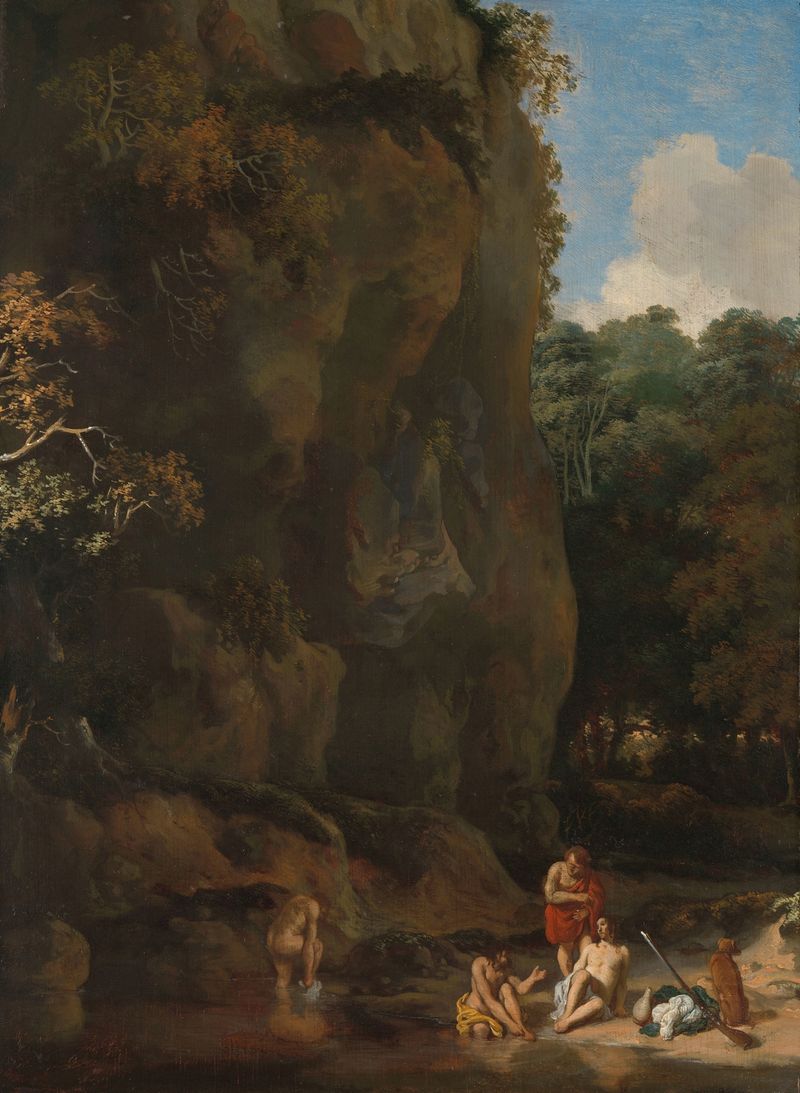
Men Bathing
Gerbrand van den Eeckhout





