
The Amphitheatre on the Springenberg in Cleves — History & Facts
Can beauty exist without sorrow? In The Amphitheatre on the Springenberg in Cleves, this question resonates as layers of history and emotion intertwine beneath the serene landscape. Begin by gazing at the sweeping horizon, where the amphitheater looms majestically against a backdrop of lush greenery. Notice how the artist employs soft, golden hues that mingle with vibrant blues, creating a dreamlike atmosphere. The composition invites your eye to wander from the intricate stonework of the structure to the subtle play of sunlight filtering through the trees, illuminating the scene with a warm glow.
The interplay of light and shadow not only highlights architectural details but also evokes a sense of nostalgia. As you delve deeper, reflect on the contrasts woven into the fabric of the painting. The solid, imposing amphitheater stands as a monument to the past, a reminder of glory and intrigue, while the tranquil landscape around it whispers of change and time's relentless passage. The stillness of the scene belies an undercurrent of betrayal—an echo of lost grandeur and human ambition that lingers in the air, revealing that the beauty of the moment is tinged with melancholy. Gerbrand van den Eeckhout created this work in the years following 1660, during a period when Dutch art was flourishing yet still grappling with the complexities of identity and history.
Having returned from Italy, he sought to integrate classical ideals with local landscapes, reflecting both personal and societal transformations. This piece stands as a testament to his ability to capture the duality of beauty and sorrow, echoing the sentiments of an era entwined in both hope and disillusionment.
More Artworks by Gerbrand van den Eeckhout
Browse all →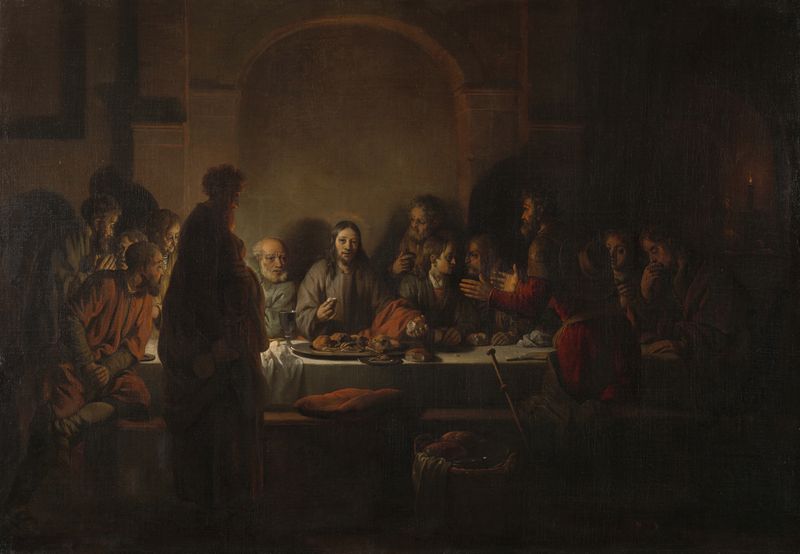
The Last Supper
Gerbrand van den Eeckhout
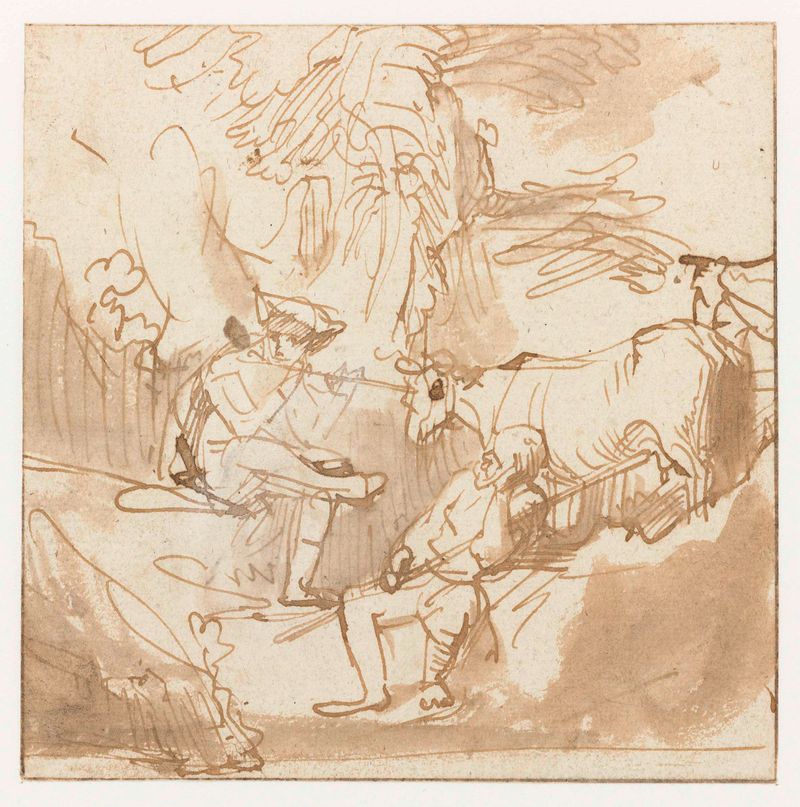
Mercury, Argus and Io
Gerbrand van den Eeckhout
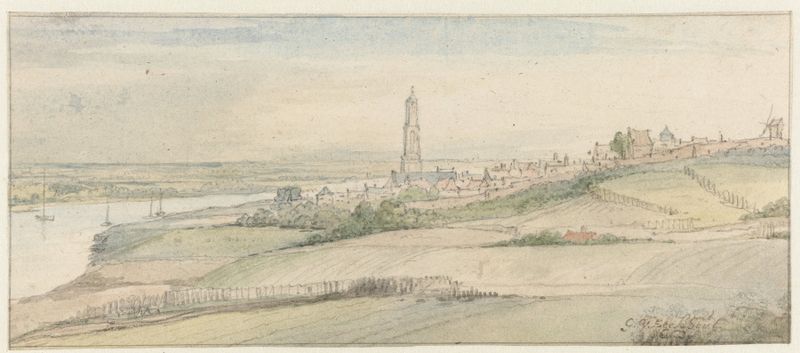
View of Rhenen and the Rhine from the East
Gerbrand van den Eeckhout
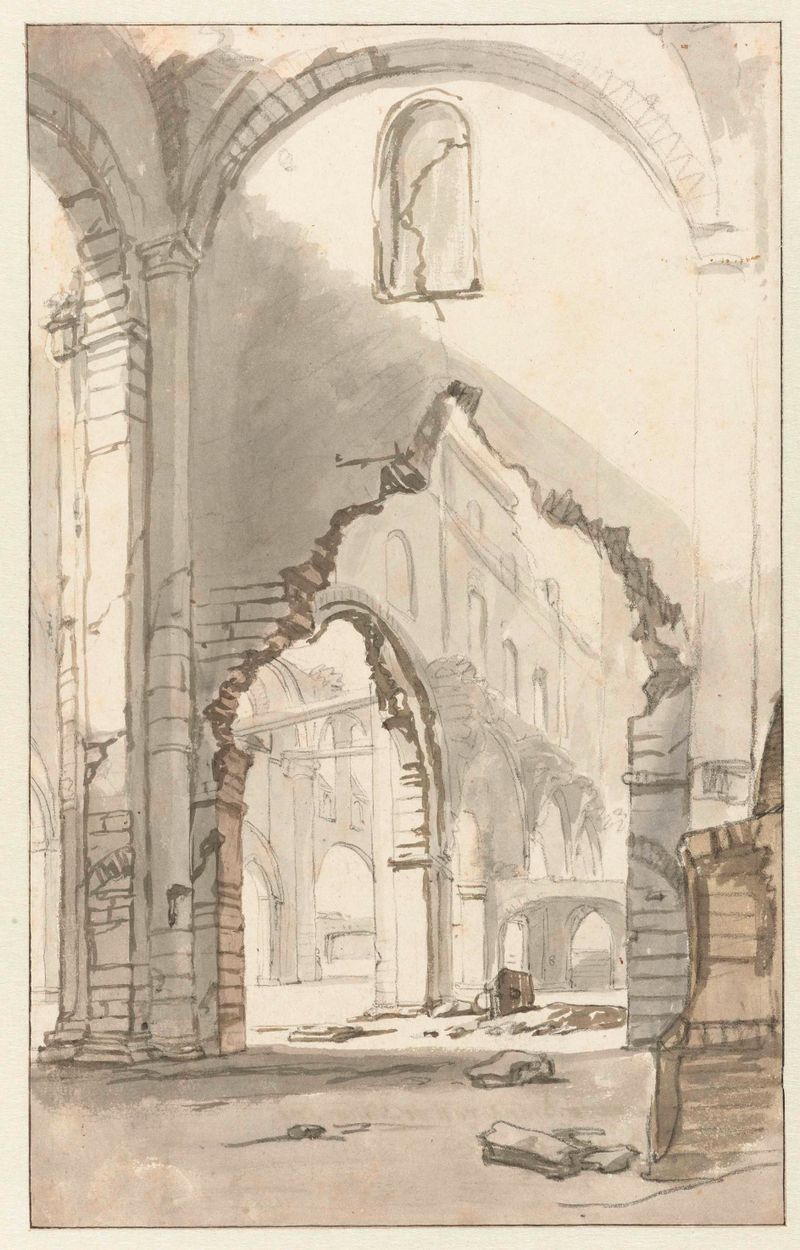
Interior of a Delapidated Church
Gerbrand van den Eeckhout
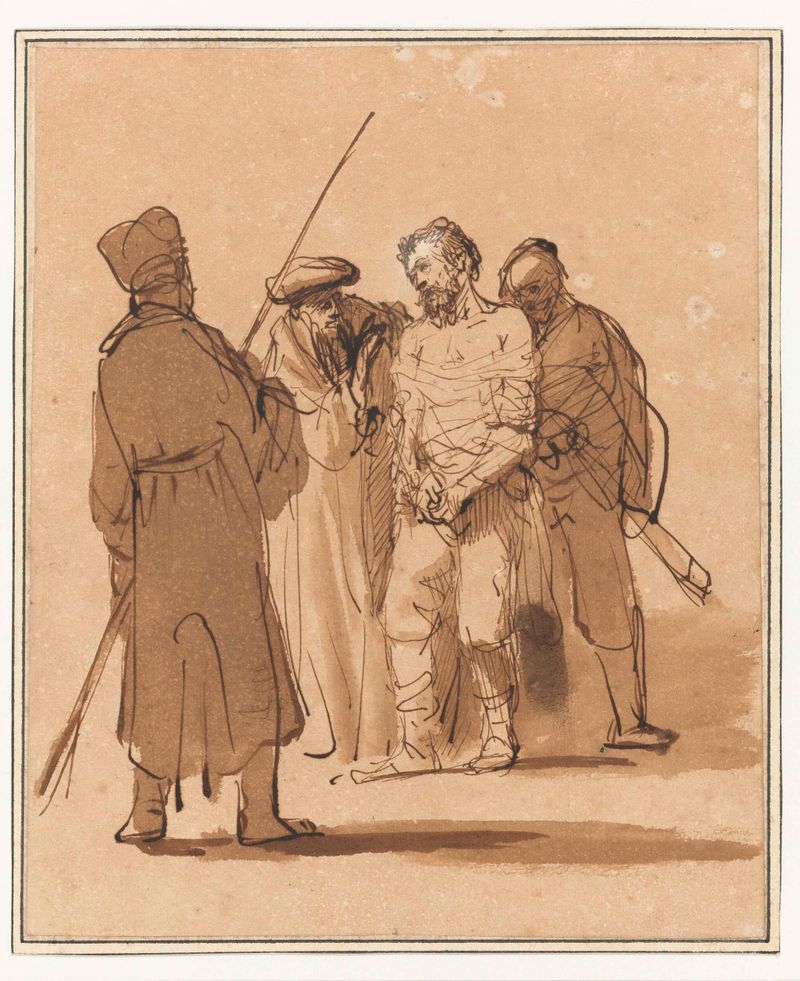
Christ Bound between Two Soldiers and a High Priest
Gerbrand van den Eeckhout
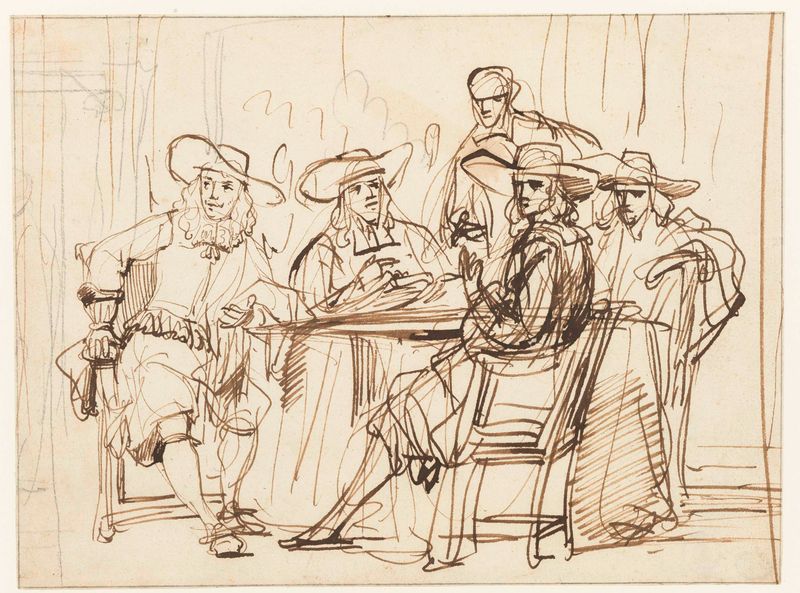
Officers of the Coopers’ and Wine-Rackers’ Guild
Gerbrand van den Eeckhout
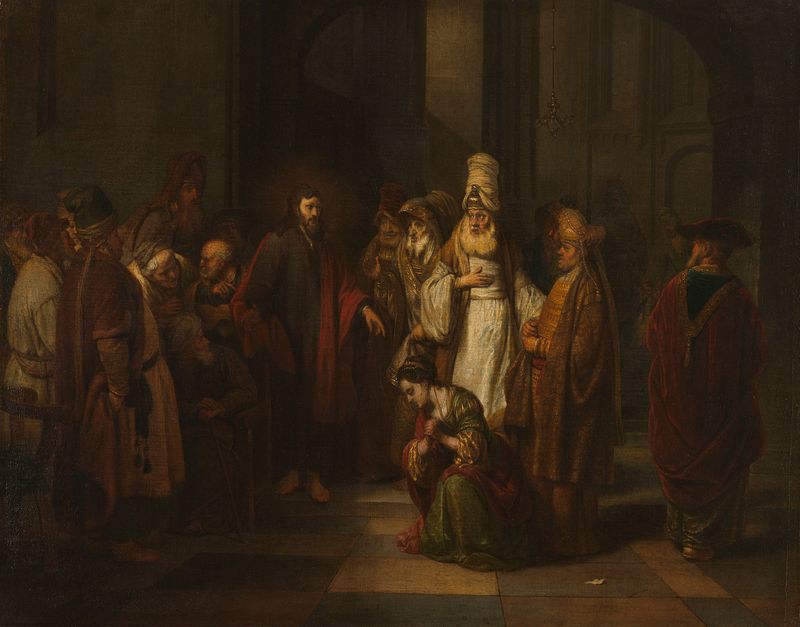
Christ and the Woman in Adultery
Gerbrand van den Eeckhout
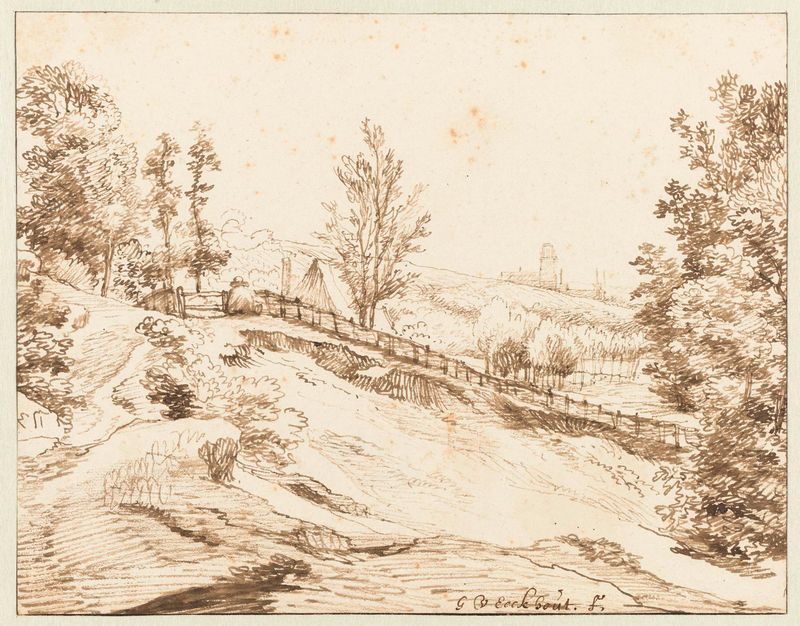
Undulating Landscape with Arnhem in the Distance
Gerbrand van den Eeckhout
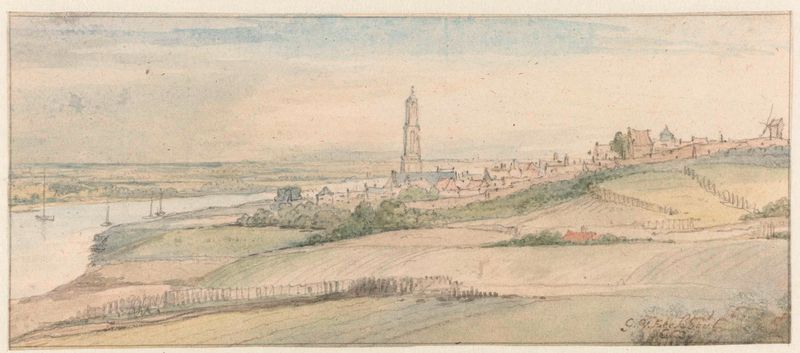
View of Rhenen and the Rhine from the East
Gerbrand van den Eeckhout
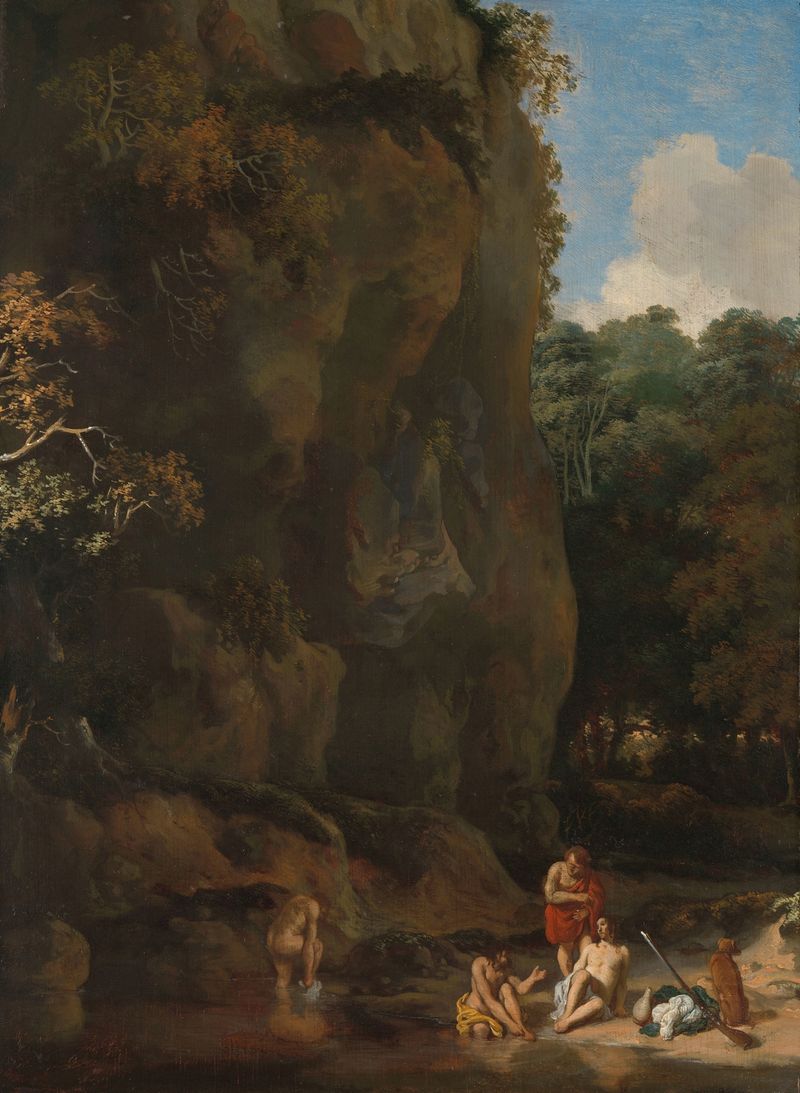
Men Bathing
Gerbrand van den Eeckhout





