Mercury, Argus and Io — History & Facts
In a world where illusion intertwines with reality, the ethereal beauty of the human form evokes a profound complexity of emotion and thought. Look to the left of the composition, where Mercury, resplendent in his flowing garments, extends his arm towards the captivating figure of Io. Notice the delicate brushwork that renders the intricate folds of both their draperies, blending warm ochres and cool blues that dance beneath the gentle light. The juxtaposition of soft textures against the hard lines of Argus, who looms protectively yet ominously, creates a visual tension that draws your eye across the canvas, as if guided by the narrative itself. This painting encapsulates a myriad of layers, from the burgeoning desire revealed in Mercury's gaze to the despair reflected in Io's countenance.
The contrasting emotions of hope and confinement accentuate the struggles of love and jealousy enveloped in myth. Argus, with his watchful multiple eyes, symbolizes the ever-present scrutiny that narrows the space for freedom, capturing the essence of entrapment that Io experiences, making the viewer question the true nature of gaze and perception. Gerbrand van den Eeckhout created this masterpiece during a period of artistic flourishing in the Dutch Republic, between 1650 and 1674. At that time, the artist was influenced by the Baroque style, which emphasized dramatic expressions and intricate details.
While navigating his own career amidst the rising prominence of genre painting, he sought to elevate mythological themes, blending divine narratives with the human experience, ultimately reflecting the complexities of his era.
More Artworks by Gerbrand van den Eeckhout
Browse all →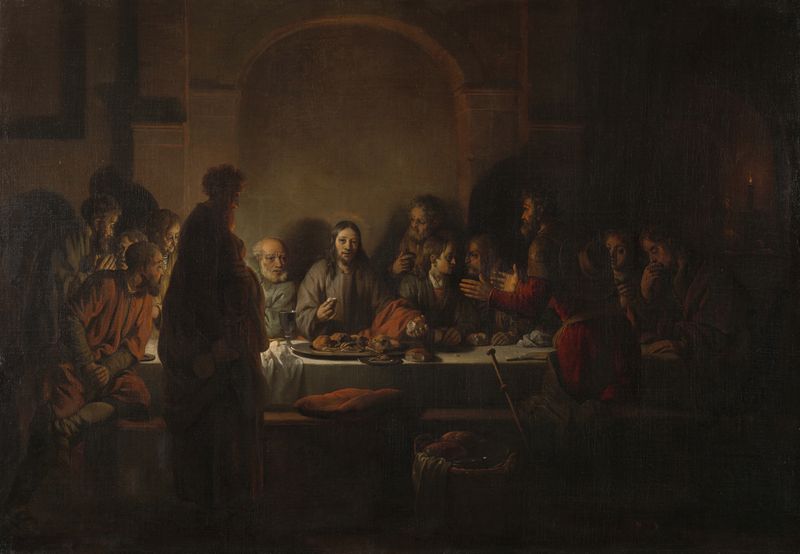
The Last Supper
Gerbrand van den Eeckhout
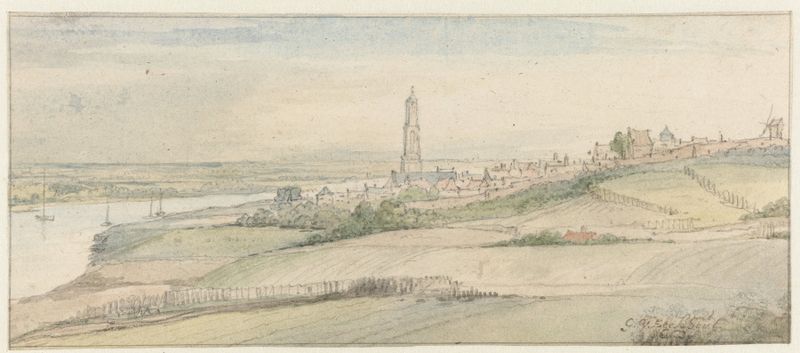
View of Rhenen and the Rhine from the East
Gerbrand van den Eeckhout
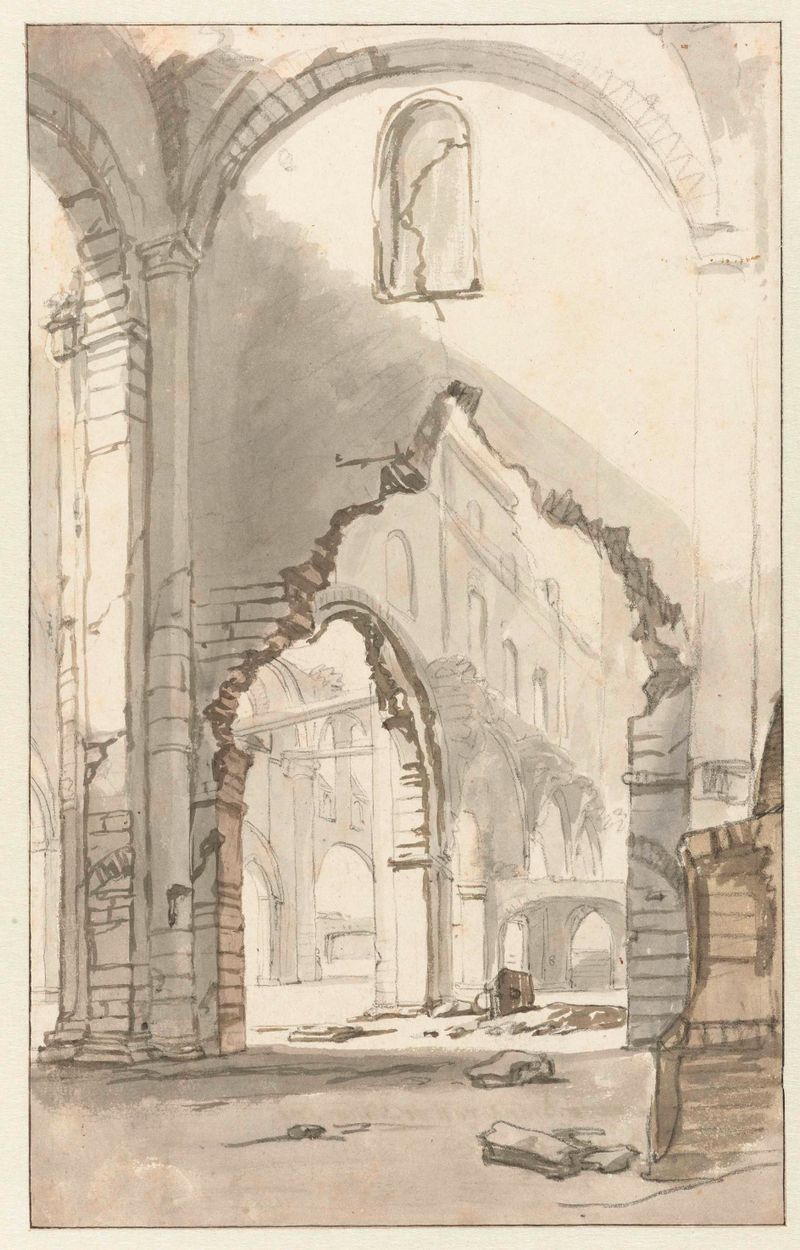
Interior of a Delapidated Church
Gerbrand van den Eeckhout
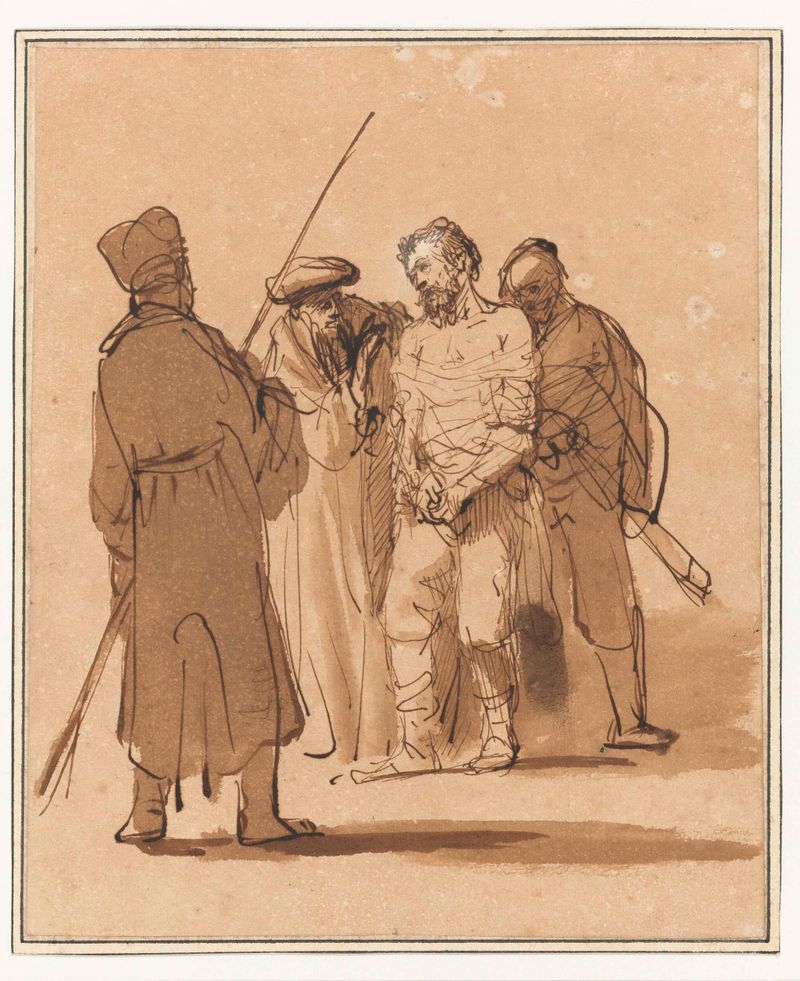
Christ Bound between Two Soldiers and a High Priest
Gerbrand van den Eeckhout
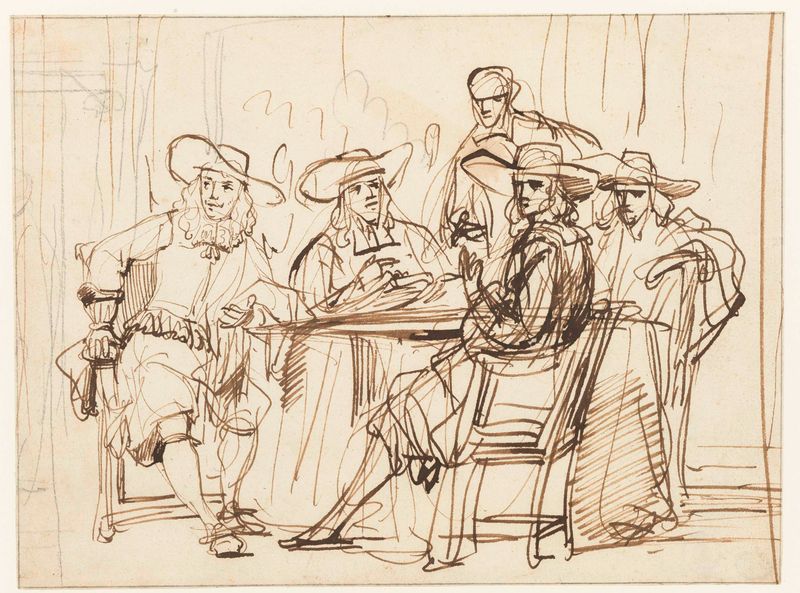
Officers of the Coopers’ and Wine-Rackers’ Guild
Gerbrand van den Eeckhout
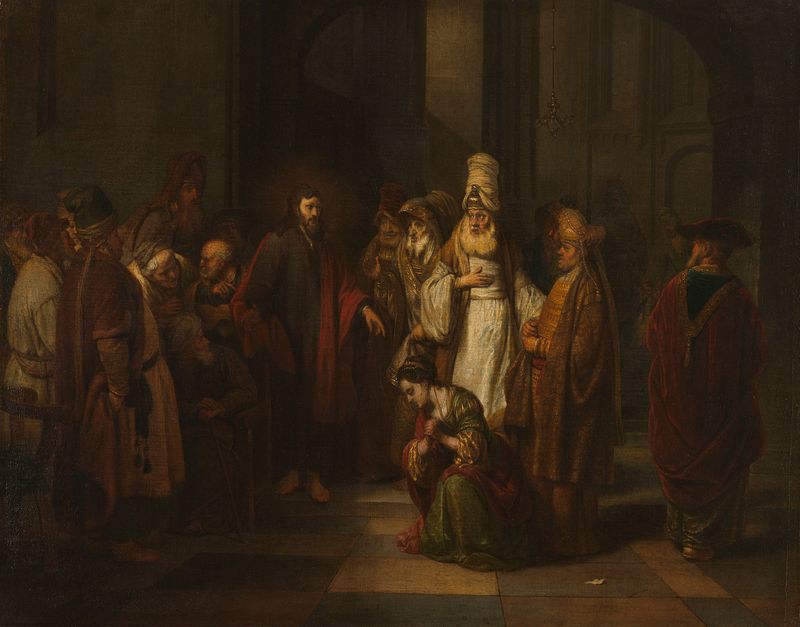
Christ and the Woman in Adultery
Gerbrand van den Eeckhout
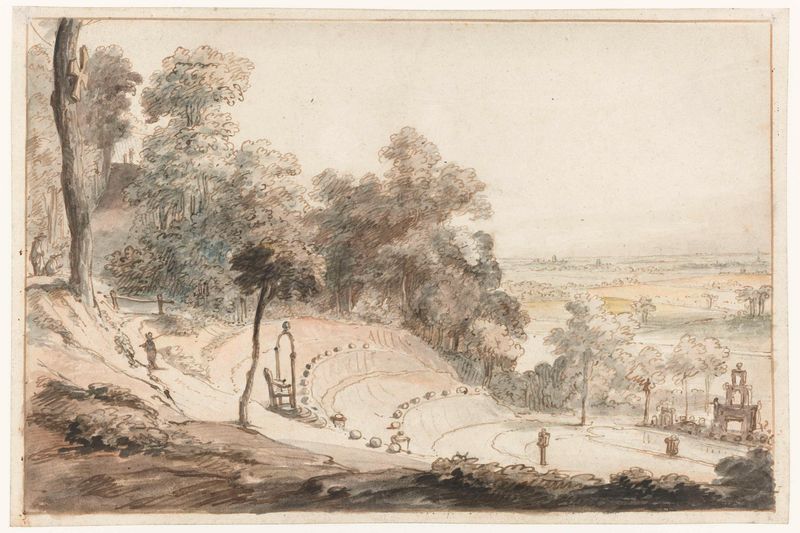
The Amphitheatre on the Springenberg in Cleves
Gerbrand van den Eeckhout
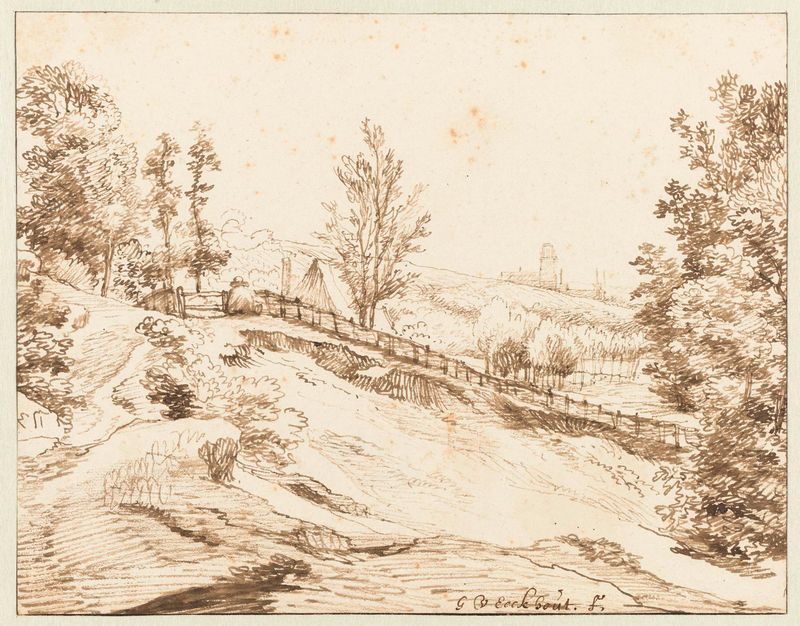
Undulating Landscape with Arnhem in the Distance
Gerbrand van den Eeckhout
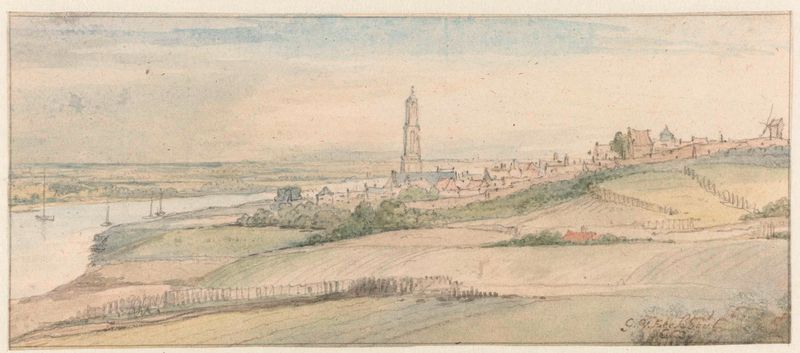
View of Rhenen and the Rhine from the East
Gerbrand van den Eeckhout
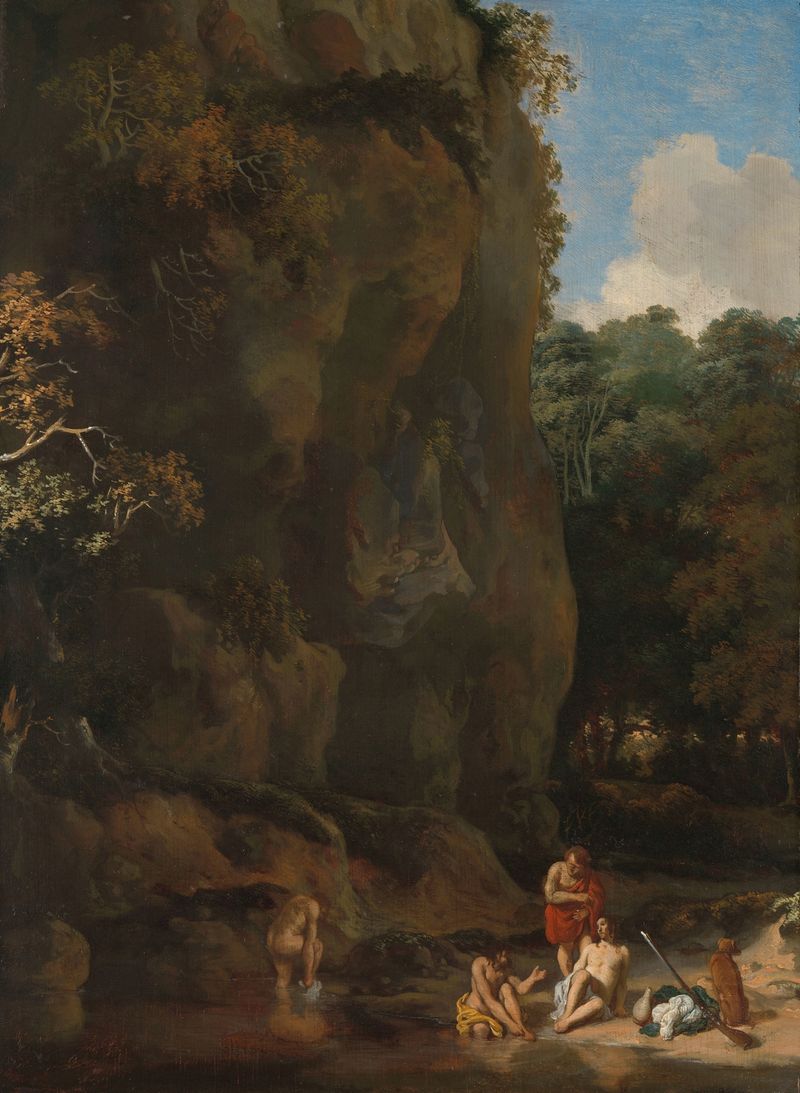
Men Bathing
Gerbrand van den Eeckhout