
Christ at the Column — History & Facts
What first catches the eye is not the crown of thorns or the ropes, but the single tear rolling down Christ’s cheek—a detail that halts the viewer, drawing them into the raw immediacy of suffering. The artist, Antonello da Messina, brings the viewer so close to the figure that the world falls away: there is no crowd, no mocking soldiers, only the silent dialogue between Christ and the onlooker. The light falls with precision across Christ’s upturned face, illuminating the wetness of his eyes and the texture of his skin, while the shadows deepen the sense of solitude and resignation.
Every strand of hair, every bead of sweat, is rendered with a clarity that makes the pain feel both physical and spiritual, the rope at his neck a reminder of the moment’s brutality. Works like this, created in the late fifteenth century, spoke directly to the faithful, inviting a personal meditation on Christ’s passion. In the era of Antonello da Messina, devotional images were often commissioned for private contemplation or small chapels, their intimacy heightened by the artist’s pioneering use of oil techniques learned from the Northern masters. This painting, now in the Louvre’s collection as of January 2024, stands as a testament to the crosscurrents of Italian and Netherlandish art—where psychological realism and technical innovation met.
History has kept few traces of the journey of this particular panel, but its presence today invites us to linger on the face of suffering, and to find, in its gaze, our own reflection.
More Artworks by Antonello da Messina

San Cassiano Altarpiece
Antonello da Messina

Pietà
Antonello da Messina
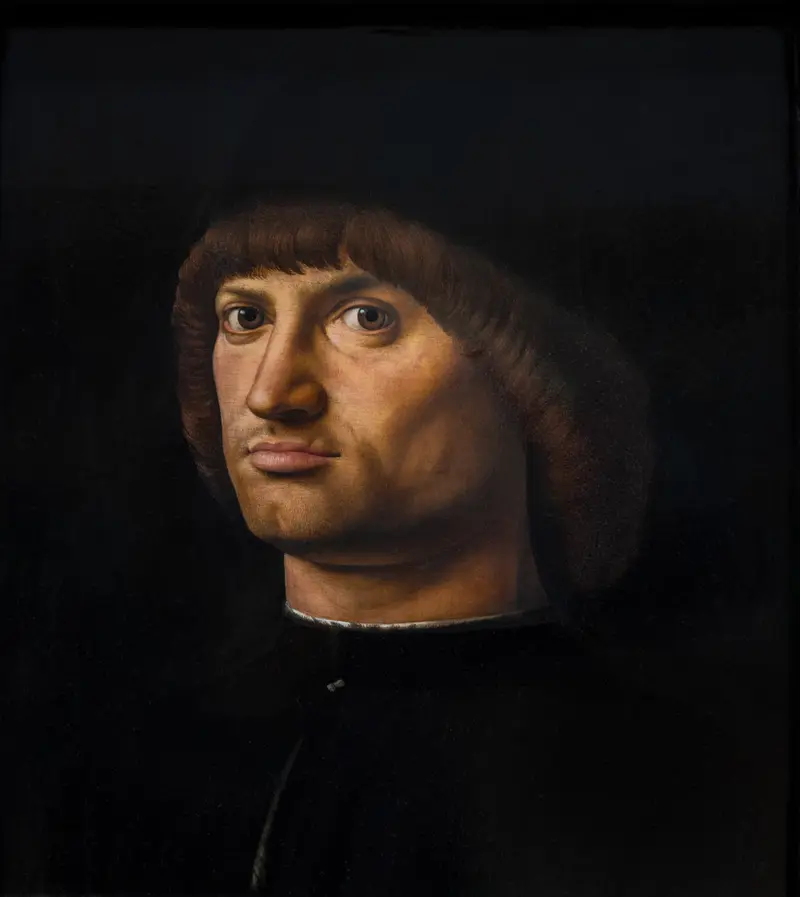
Portrait of a Man, called condottiere
Antonello da Messina
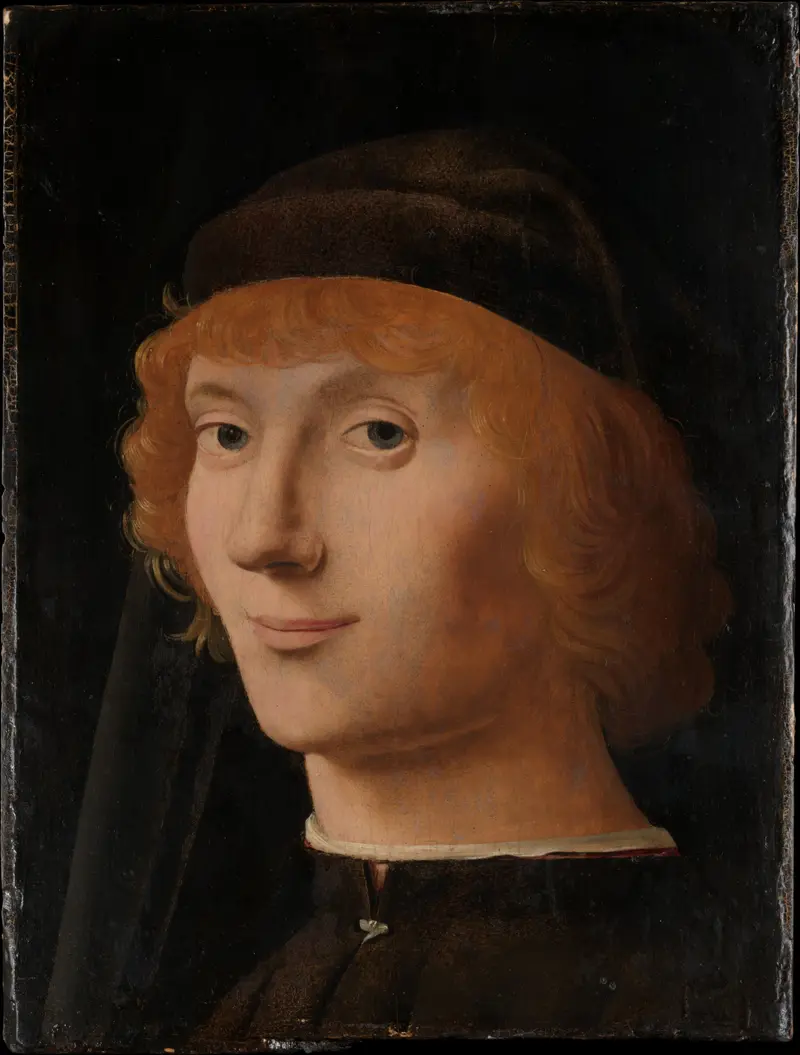
Portrait of a Young Man
Antonello da Messina
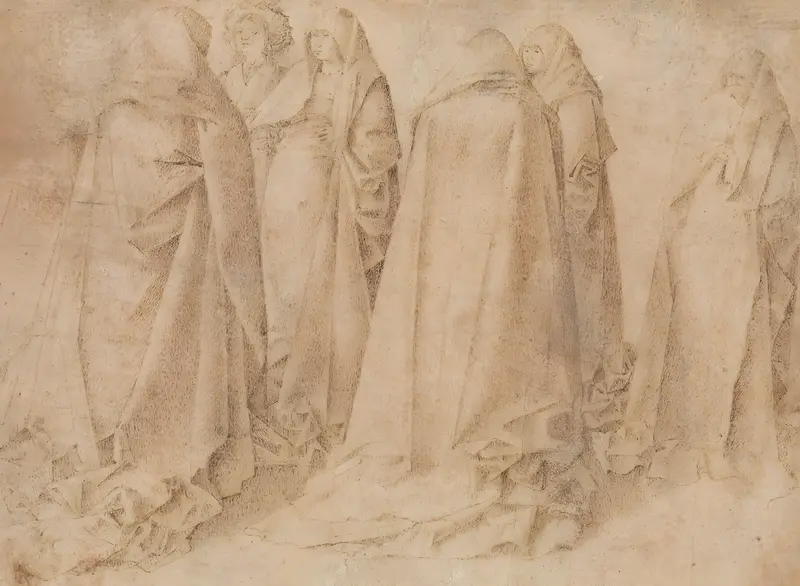
Group of Draped Figures
Antonello da Messina
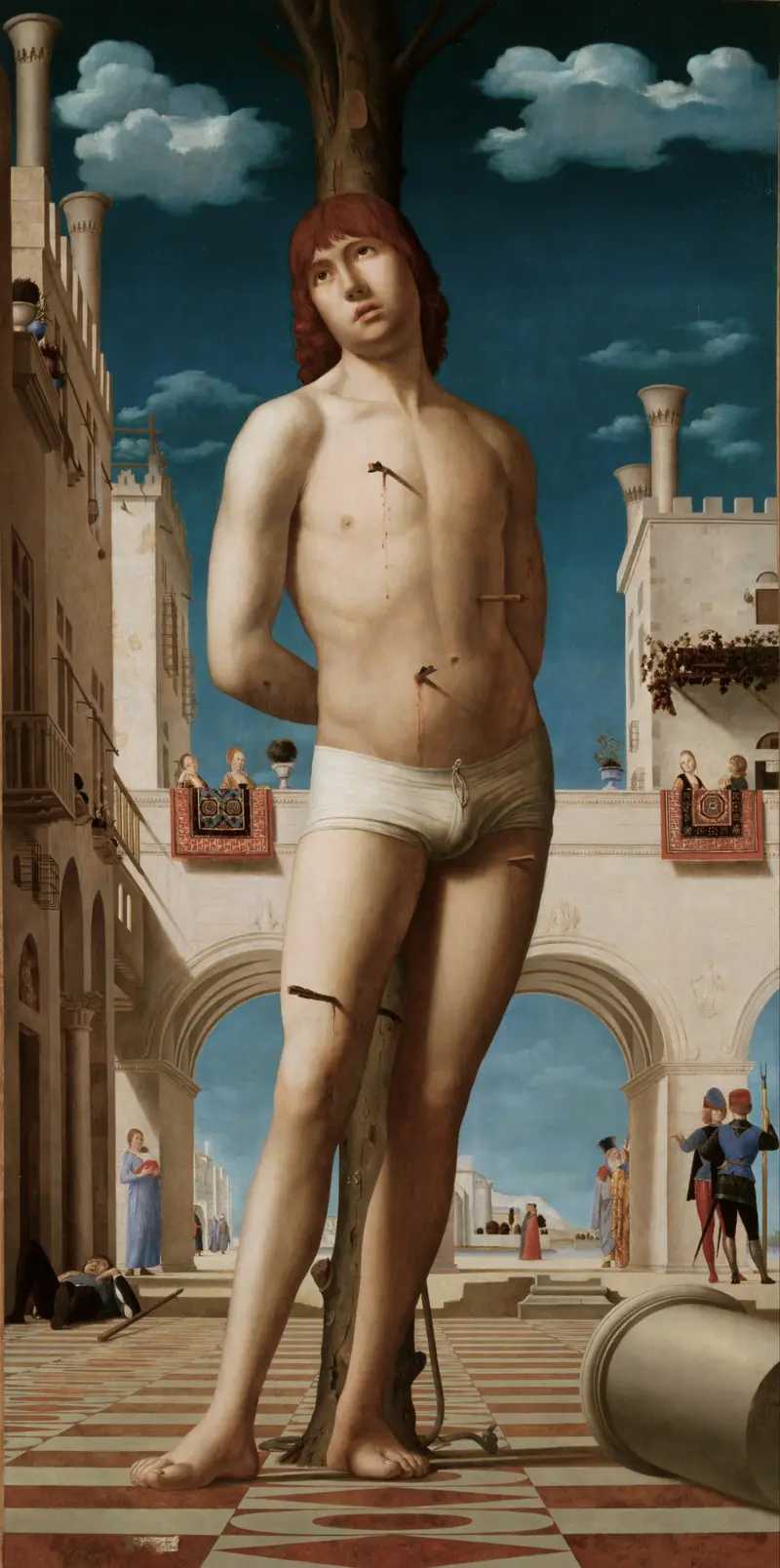
Saint Sebastian
Antonello da Messina
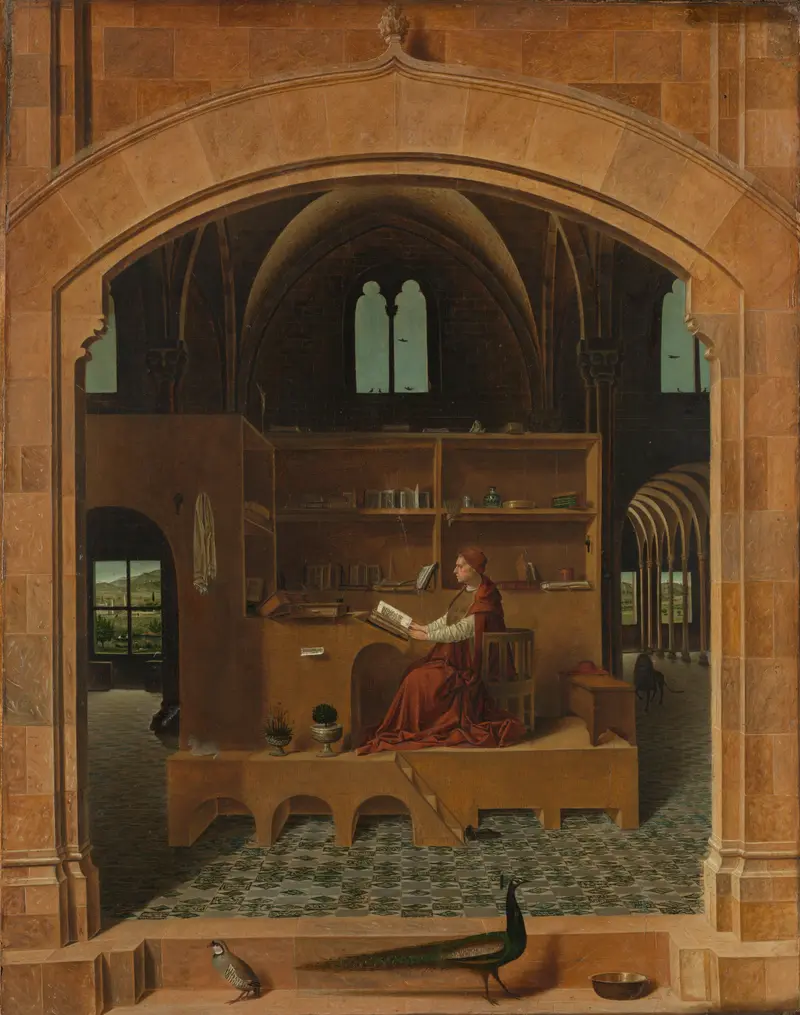
St. Jerome in His Study
Antonello da Messina
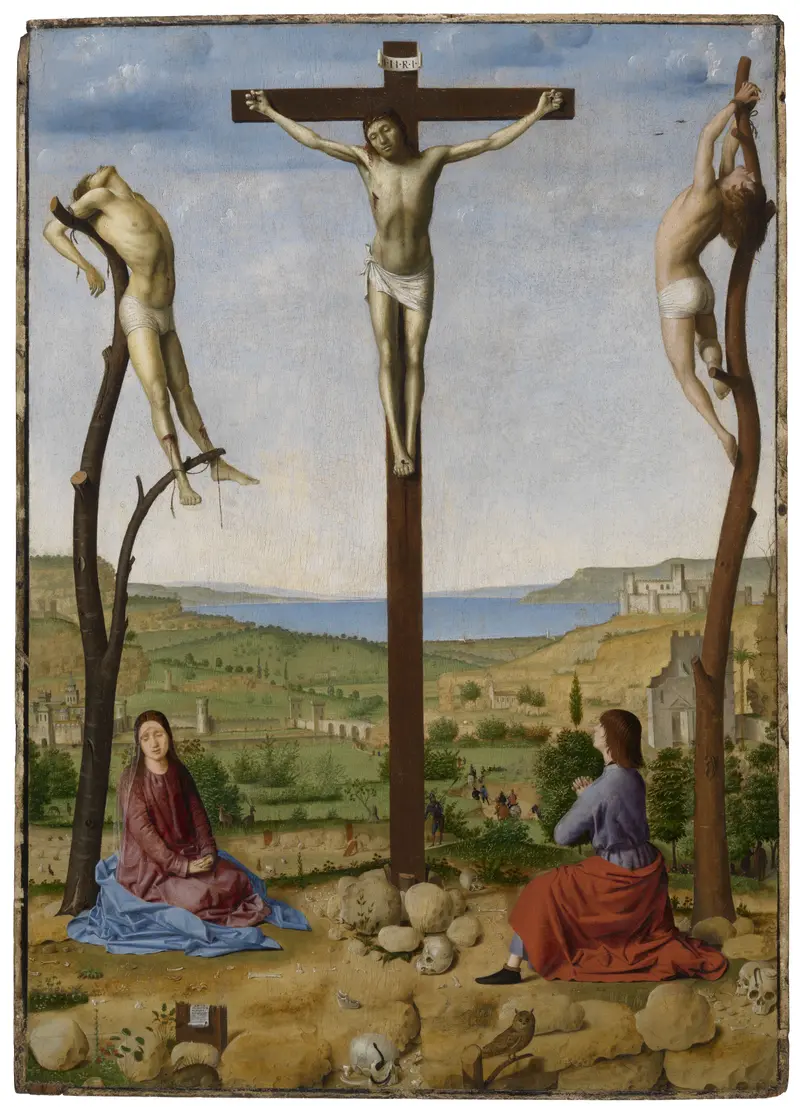
Calvary
Antonello da Messina
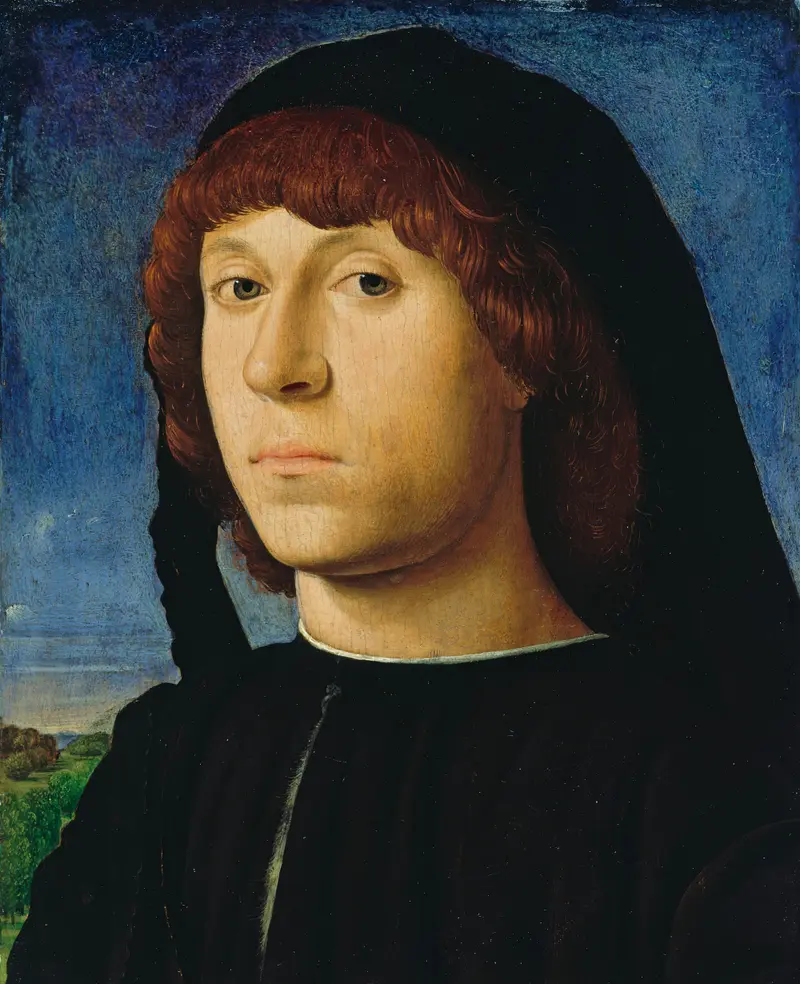
Portrait of a Man
Antonello da Messina
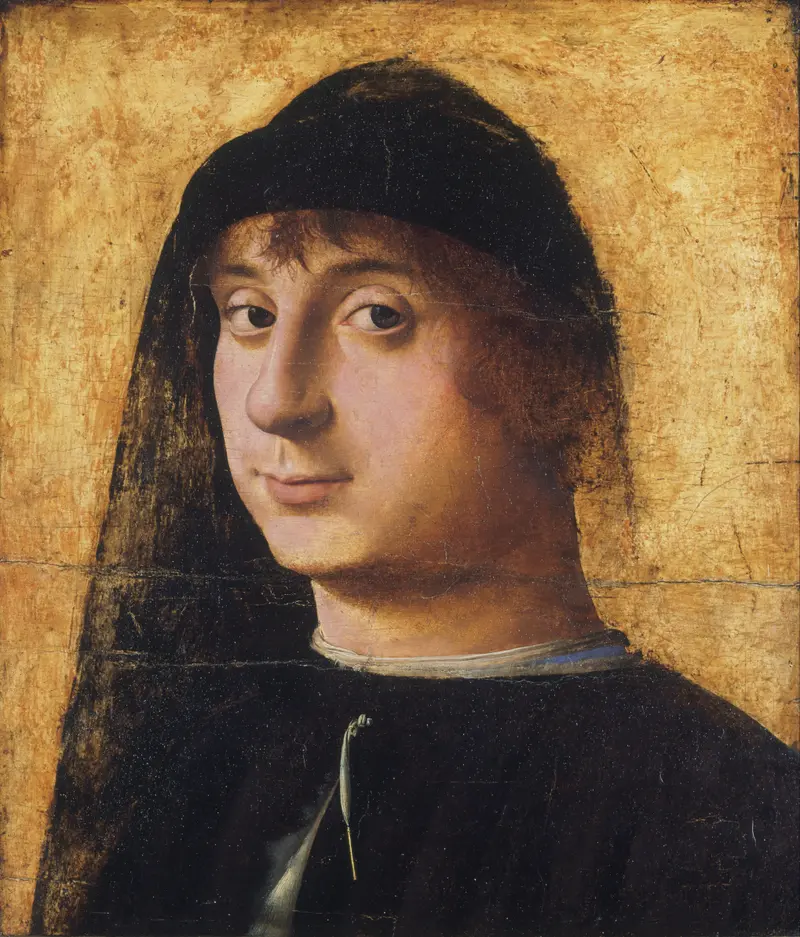
Portrait of a Young Gentleman
Antonello da Messina





