
Christ Crowned with Thorns — History & Facts
What holds the viewer here is not a scene of chaos or violence, but a single, searching gaze. The eyes of Christ, set against a void of darkness, meet ours with a vulnerability that is almost disarming. His parted lips, the furrow of his brow, and the subtle tension in his bare shoulders all draw us into the silent aftermath of torment—a moment suspended between suffering and endurance.
The crown of thorns, pressed into his brow, is rendered with a delicacy that belies its cruelty, while the shallow ledge at the bottom of the image brings the figure startlingly close, as if Christ were about to step out of the painting and into our world. Works like this, created in the 1470s, reflect a period when artists across Italy were experimenting with new ways to evoke empathy and presence. Antonello da Messina was renowned for blending the clarity of Northern European oil painting with the psychological intensity sought by Italian patrons. Paintings of the Crowning with Thorns were often intended for private devotion, inviting viewers into a direct, personal encounter with Christ’s suffering.
The stark black background and the absence of narrative detail focus all attention on the face and the emotion it conveys—a marked departure from the crowded, action-filled versions by earlier painters. History has kept few traces of this particular work’s early life, but its haunting immediacy asks us to look again, and to meet that gaze without turning away.
More Artworks by Antonello da Messina

San Cassiano Altarpiece
Antonello da Messina

Pietà
Antonello da Messina
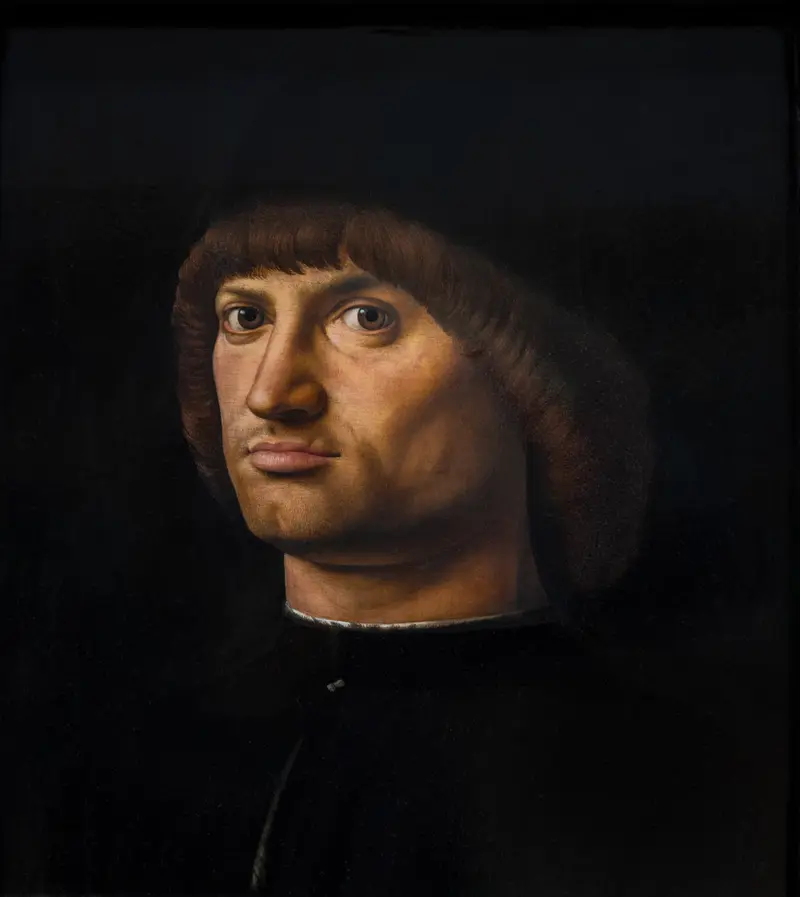
Portrait of a Man, called condottiere
Antonello da Messina
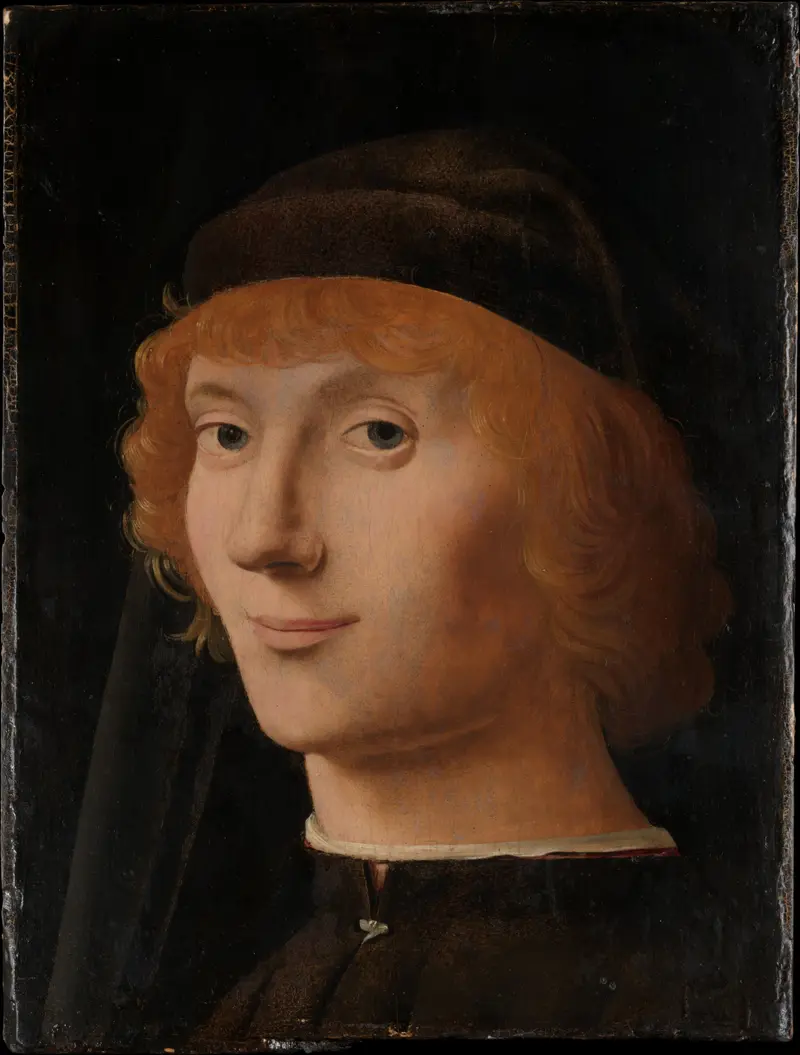
Portrait of a Young Man
Antonello da Messina
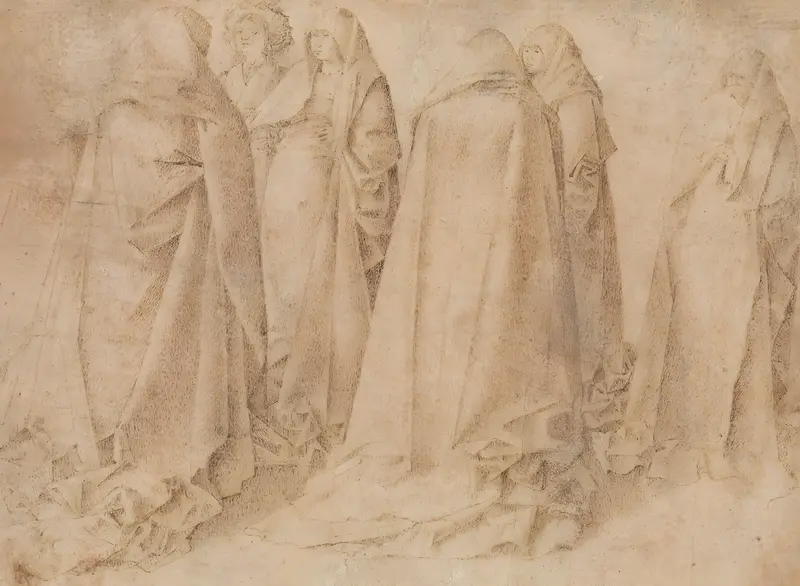
Group of Draped Figures
Antonello da Messina
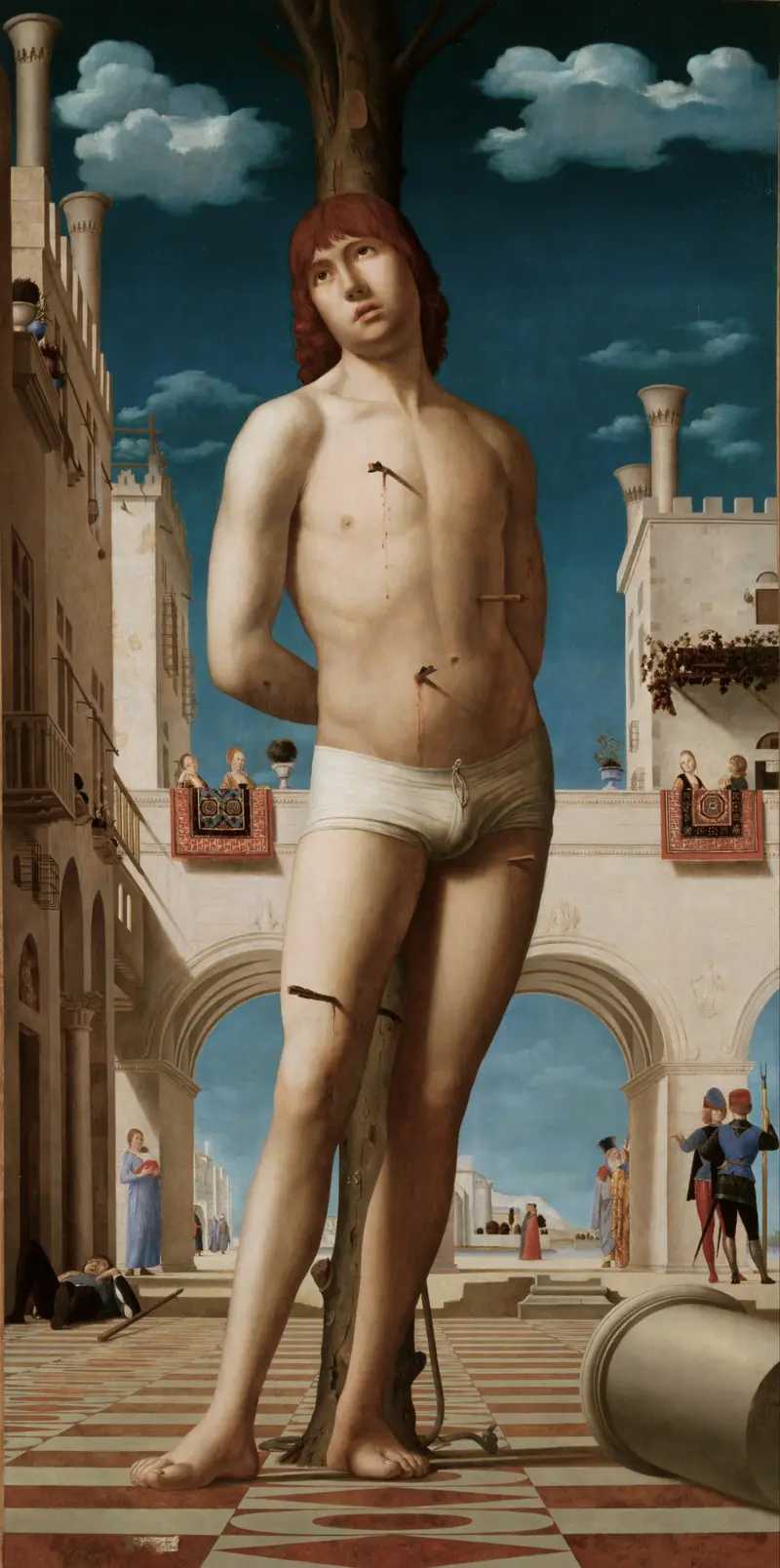
Saint Sebastian
Antonello da Messina
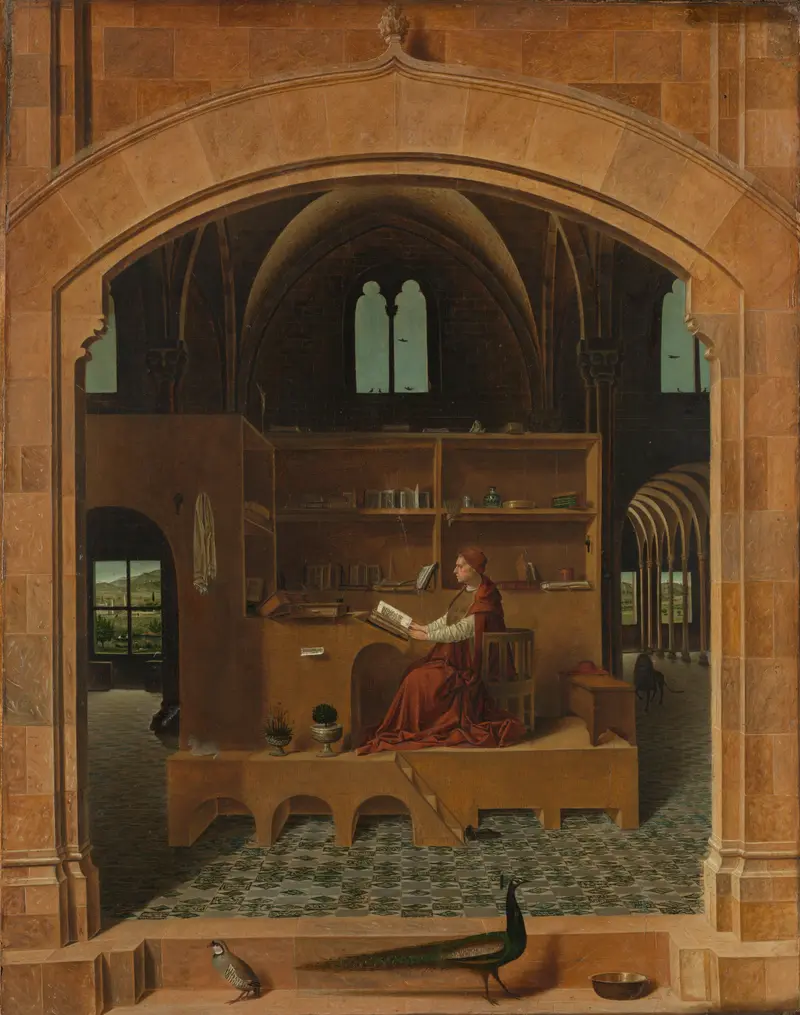
St. Jerome in His Study
Antonello da Messina
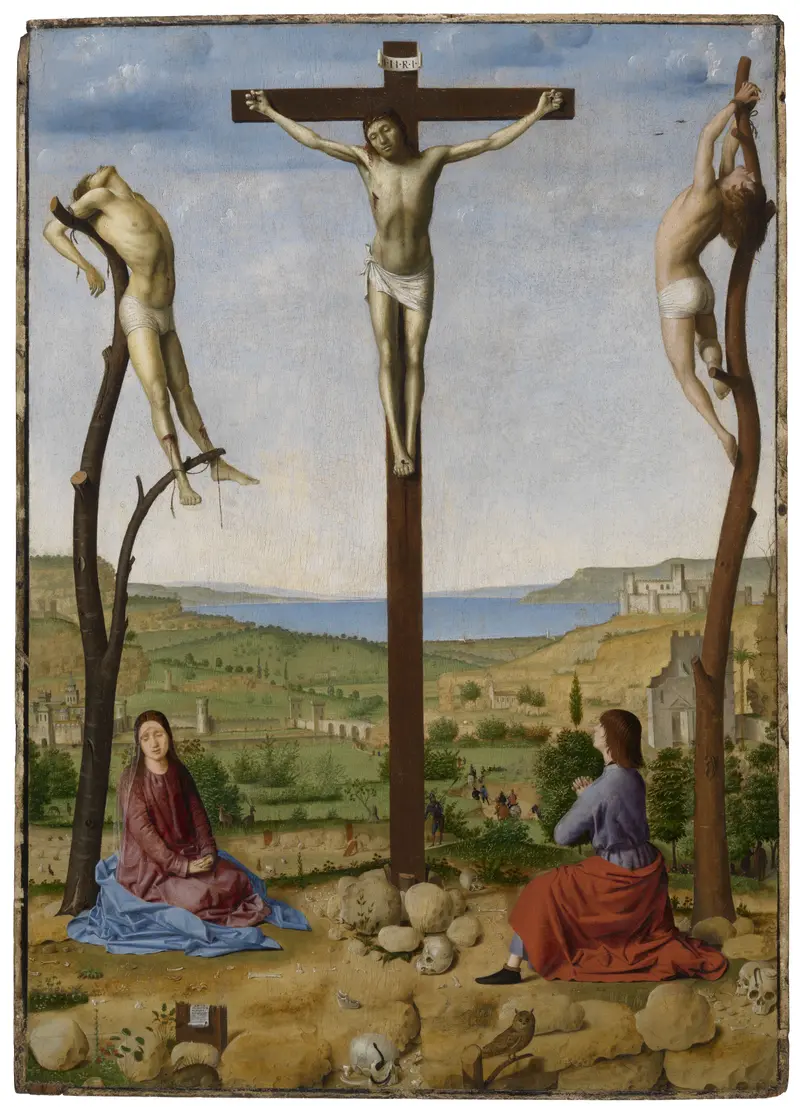
Calvary
Antonello da Messina
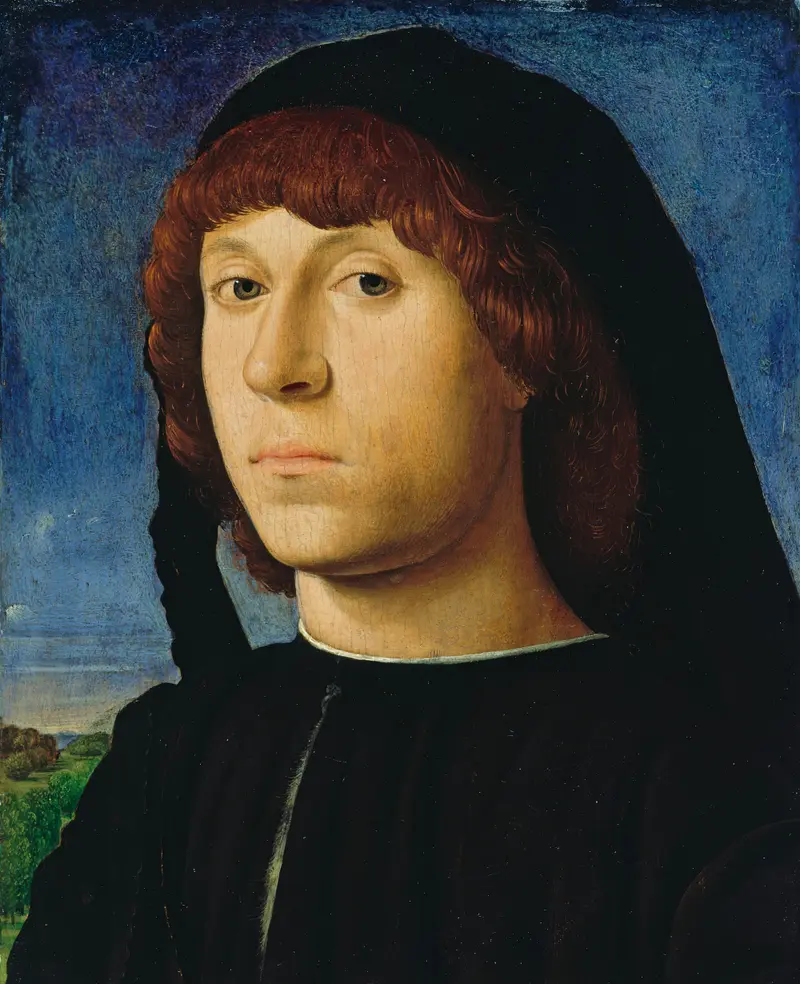
Portrait of a Man
Antonello da Messina
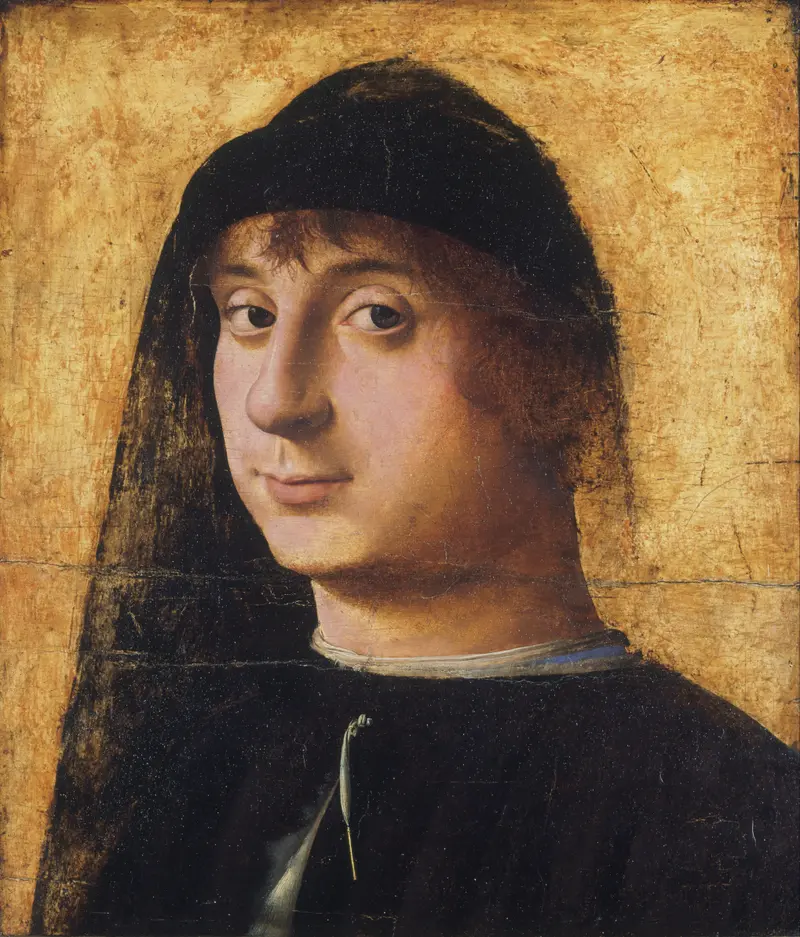
Portrait of a Young Gentleman
Antonello da Messina





