
Christus aan het kruis — History & Facts
In the depths of despair, color becomes the vessel of emotion, revealing truths that words often fail to capture. Look to the center where the figure hangs, his body a stark contrast against the muted tones that surround him. The somber palette of grays and browns envelops the scene, yet the vibrant reds and golds in the drapery command attention, drawing the eye to both suffering and dignity. Notice how the light delicately caresses the contours of the figure, casting shadows that whisper of the gravity of his sacrifice, creating a visual depth that immerses the viewer in contemplation. In the folds of the fabric, one can see not just the physical struggle but also the spiritual turmoil associated with pain and redemption.
The darting glances of the onlookers—though rendered in shadow—beckon the viewer to ponder their silent dialogues, embodying a profound tension between witness and participant. Each hue pulsates with significance; the stark juxtaposition of the warm colors against the cool background underscoring the duality of hope and sorrow. Wenceslaus Hollar created this poignant piece in 1642 during a period of intense religious strife in Europe. Living in Antwerp at the time, he was influenced by both the Counter-Reformation movement and the Baroque style, which sought to evoke emotional responses through dramatic compositions and powerful symbolism.
Hollar’s work reflects an era grappling with faith, identity, and the profound struggles of the human condition, positioning him as a vital voice in the context of 17th-century art.
More Artworks by Wenceslaus Hollar
Browse all →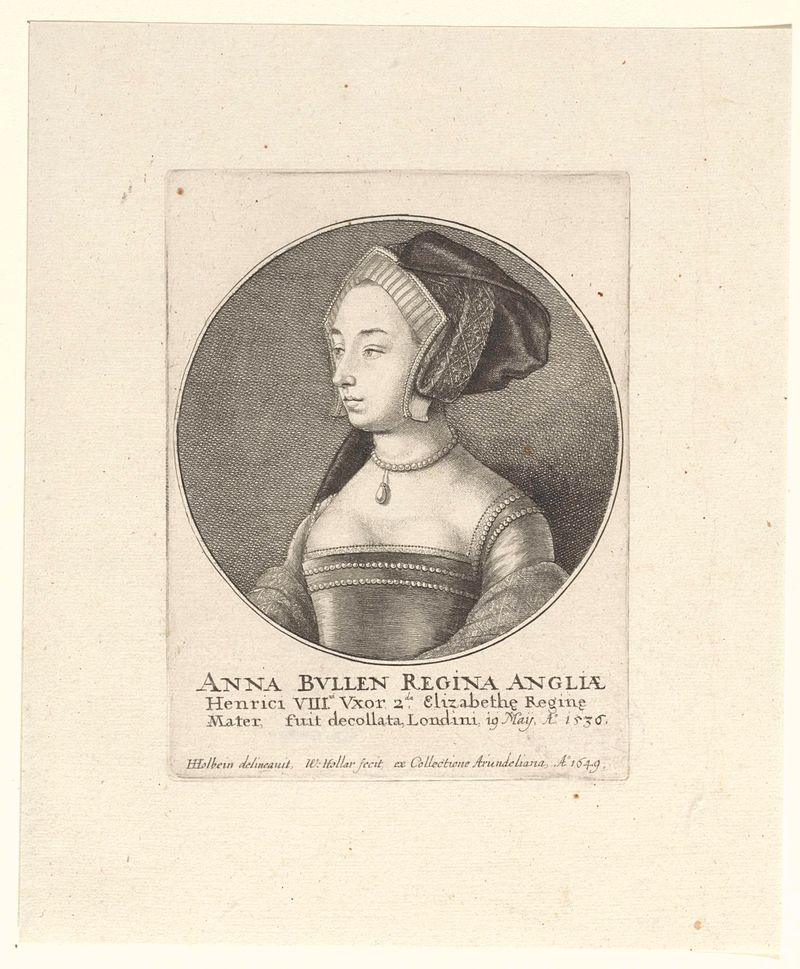
Portret van Anna Boleyn, koningin van Engeland
Wenceslaus Hollar
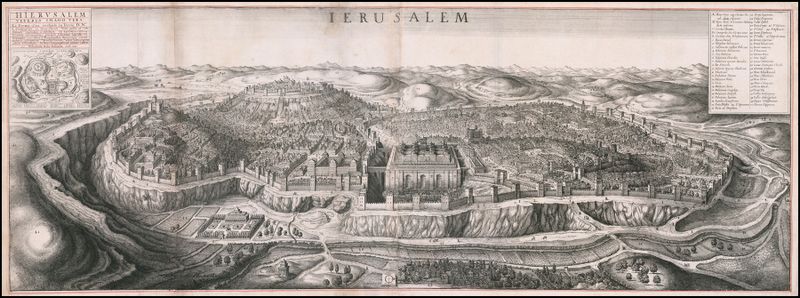
Bird’s eye view of Jerusalem
Wenceslaus Hollar
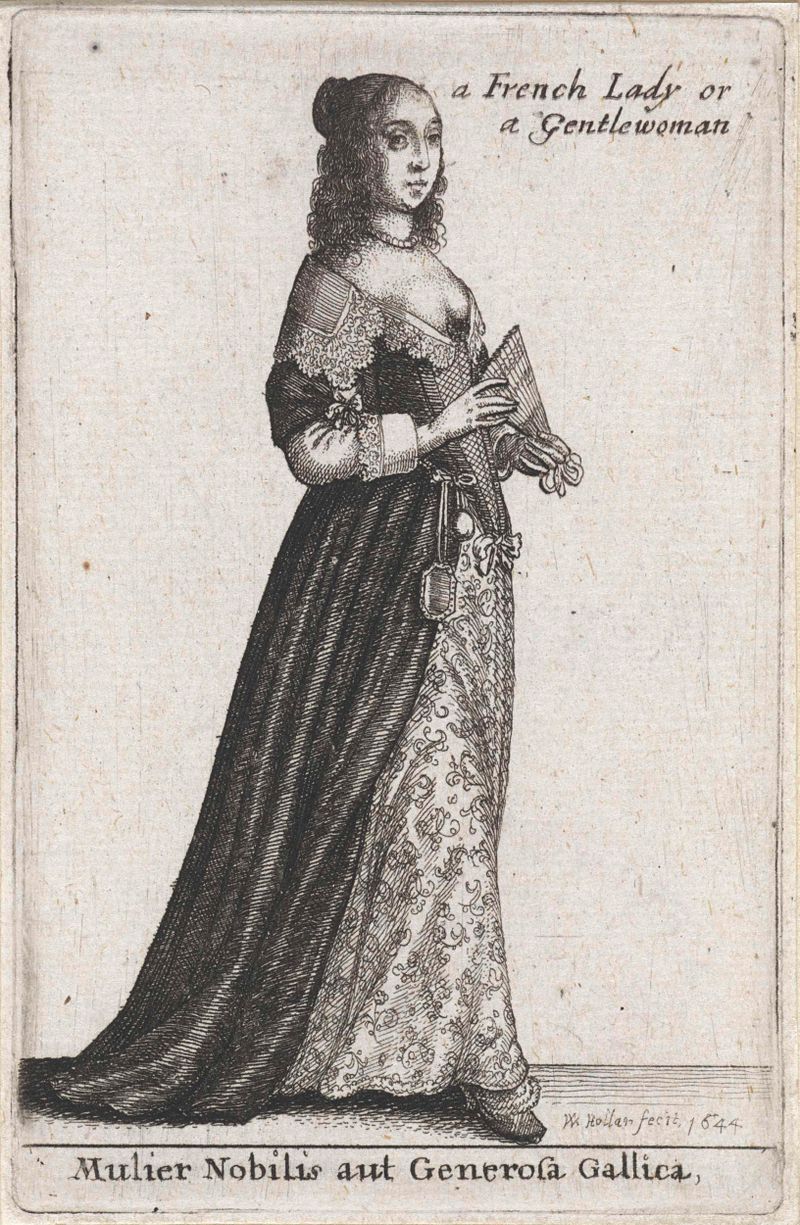
Mulier Nobilis aut Generosa Gallica / a French Lady or Gentlewoman
Wenceslaus Hollar
Titelprent voor: Ornatus Muliebris Anglicanus
Wenceslaus Hollar
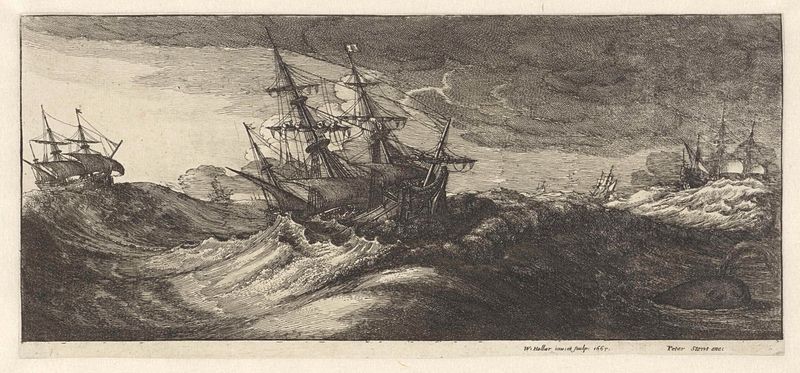
Oorlogsschepen en een walvis in een zeestorm
Wenceslaus Hollar
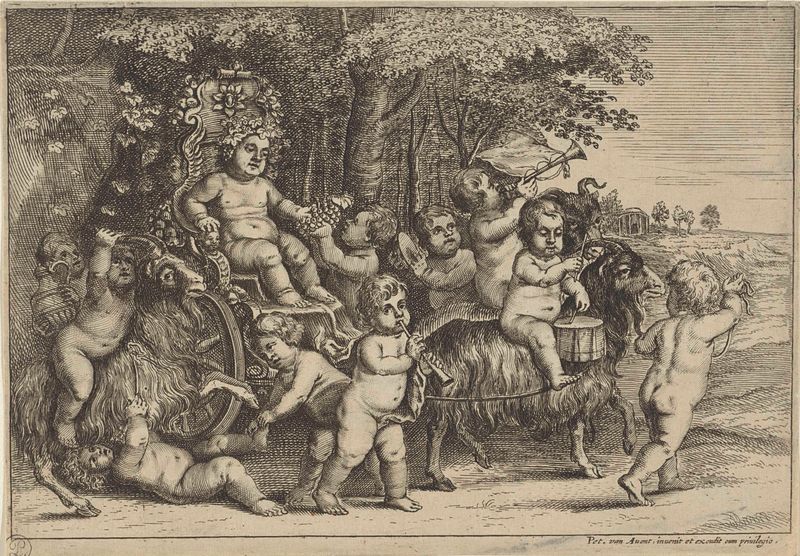
Optocht van bacchant en jongetjes op geiten
Wenceslaus Hollar
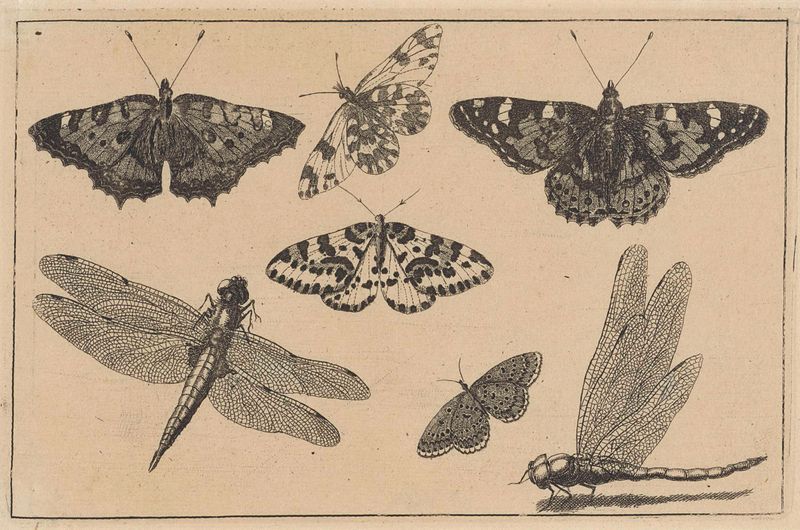
Twee libellen en vijf vlinders
Wenceslaus Hollar
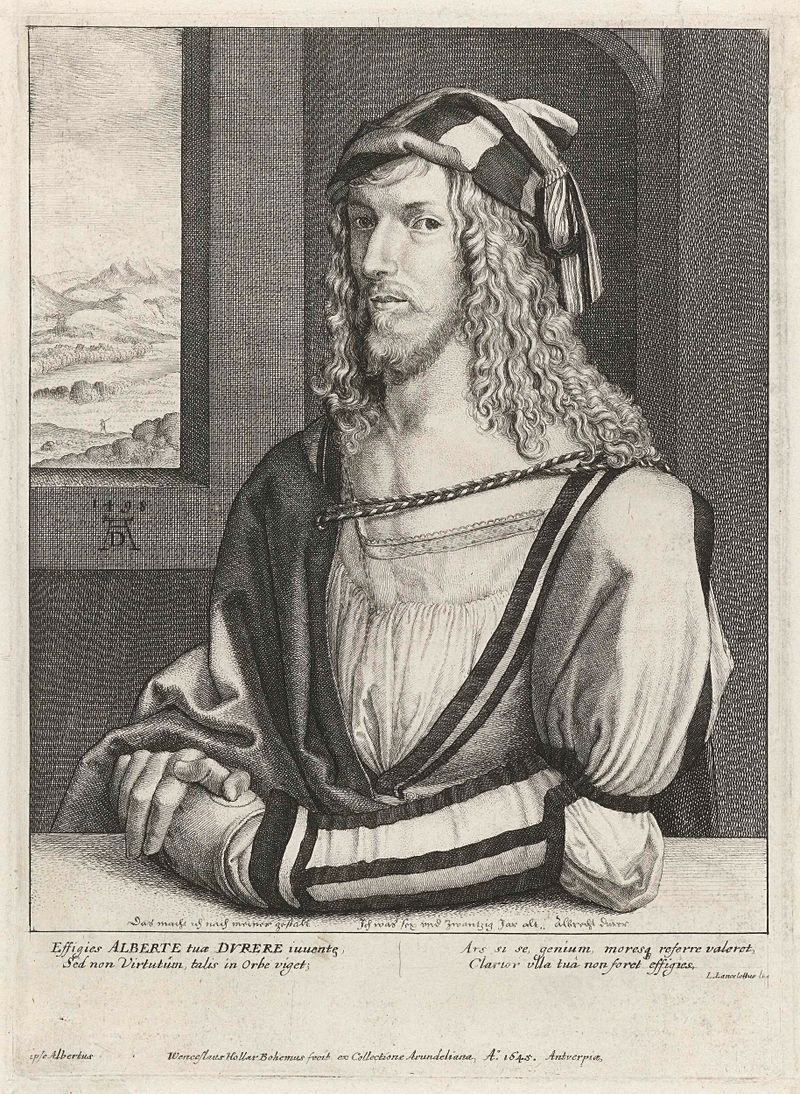
Portret van Albrecht Dürer
Wenceslaus Hollar
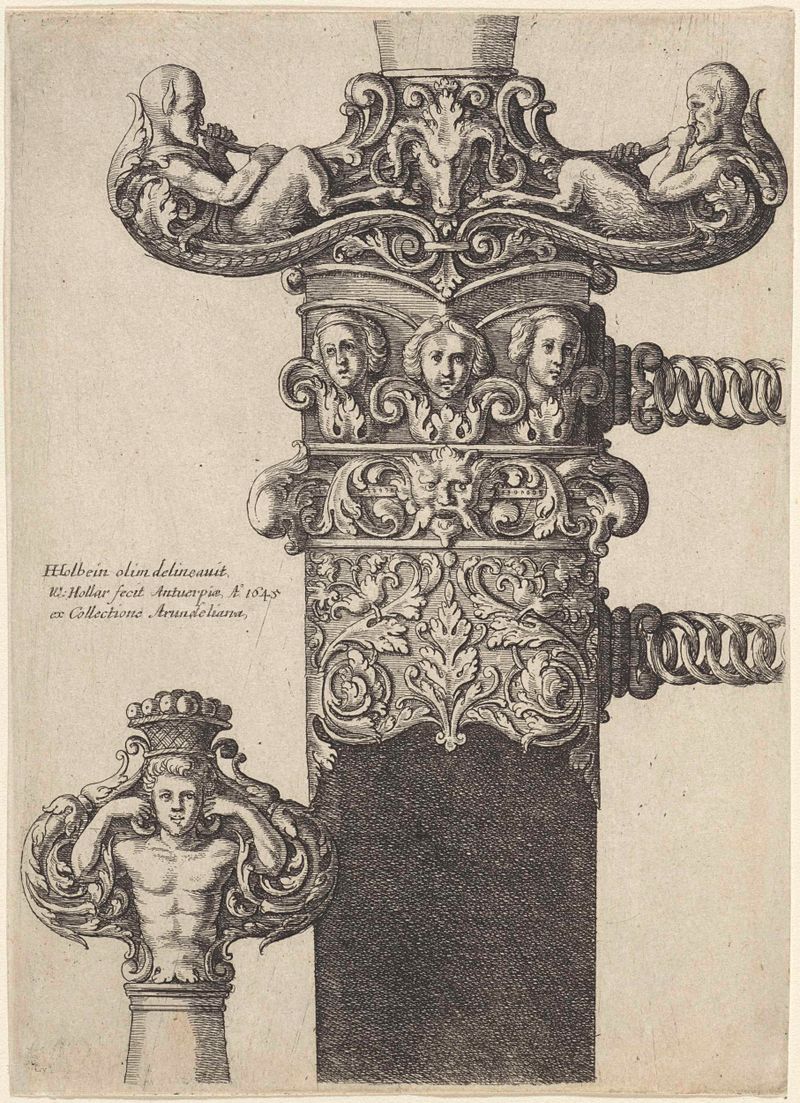
Ornamenteel ontwerp voor een dolk
Wenceslaus Hollar
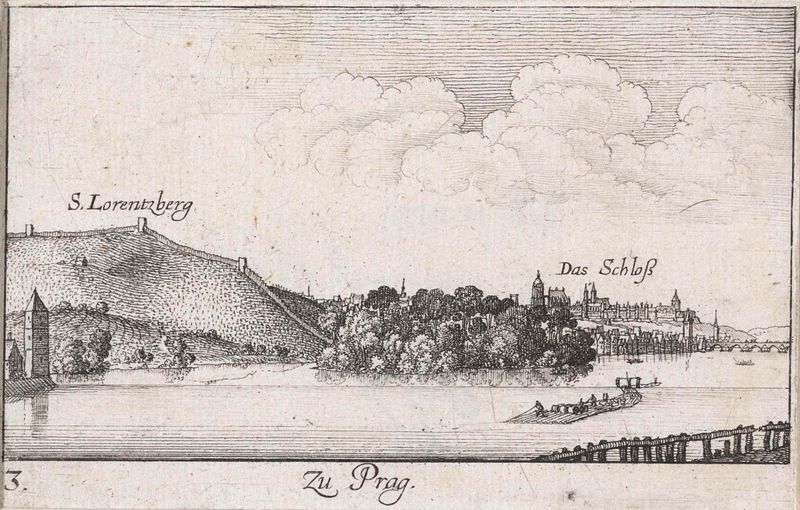
Gezicht op Praag vanaf de Moldau
Wenceslaus Hollar
More Religious Art
Browse all →
The Return of the Prodigal Son
Rembrandt van Rijn

The Garden of Earthly Delights
El Bosco

Count Orgaz’ funeral
El Greco

The Hundred Guilder Print: the central piece with Christ preaching, the plate arched
Rembrandt van Rijn

The Descent from the Cross
Rogier van der Weyden

The return of the prodigal son
Rembrandt van Rijn