
Christus aan het kruis en Maria en Johannes — History & Facts
What secret hides in the quiet of the canvas? In the delicate stillness of Christus aan het kruis en Maria en Johannes, a profound truth lingers, inviting the viewer to ponder the weight of sacrifice and love. Look to the center where the figure of Christ hangs in resigned agony, his body rendered with a meticulous attention to anatomy. The muted tones of the background contrast sharply with the vivid reds and deep blues of the drapery worn by Mary and John. Notice how the soft light illuminates their sorrowful expressions, casting shadows that heighten the emotional gravity of the moment.
Each figure is positioned deliberately, drawing us into an intimate circle of loss and devotion. As your gaze wanders, consider the deeper tensions at play. The compositional arrangement creates a triangle of grief, with Christ at the apex, evoking an interplay between despair and hope. The contrasting postures of Mary, who clutches her chest in mourning, and John, who leans in with a stoic resolve, highlight the duality of human emotion in the face of tragedy.
The stark absence of a divine presence underscores the isolation felt in this moment, as if the viewer is left to confront their own understanding of faith and sacrifice. Georg Pencz painted this work in 1547, during a period marked by religious upheaval and transformation in Europe. As the Protestant Reformation challenged established norms, Pencz’s exploration of biblical themes reflected his interest in human emotion over dogma. Working in Nuremberg, he sought to weave personal narratives into sacred history, cementing his place within the evolving landscape of Renaissance art.
More Artworks by Georg Pencz
Browse all →
Parabel van de zaaier
Georg Pencz

Parabel van de arbeiders in de wijngaard
Georg Pencz
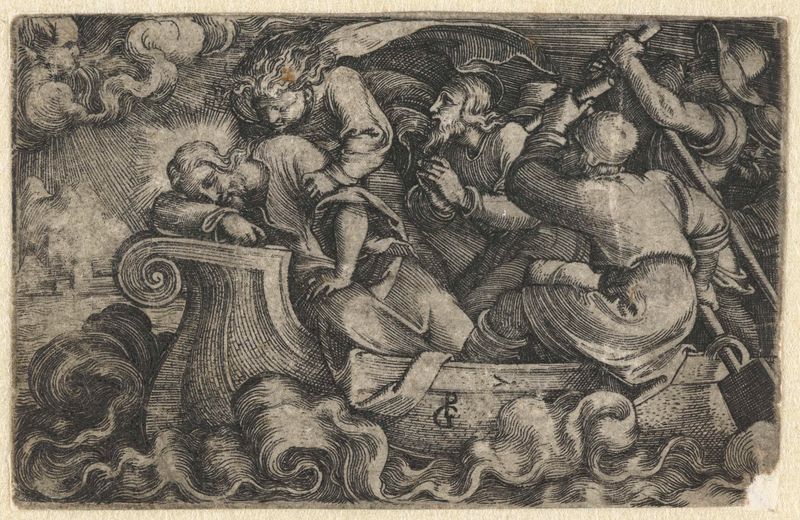
Discipelen wekken slapende Christus tijdens storm op Meer van Galilea
Georg Pencz

Afgunst (Invidia)
Georg Pencz
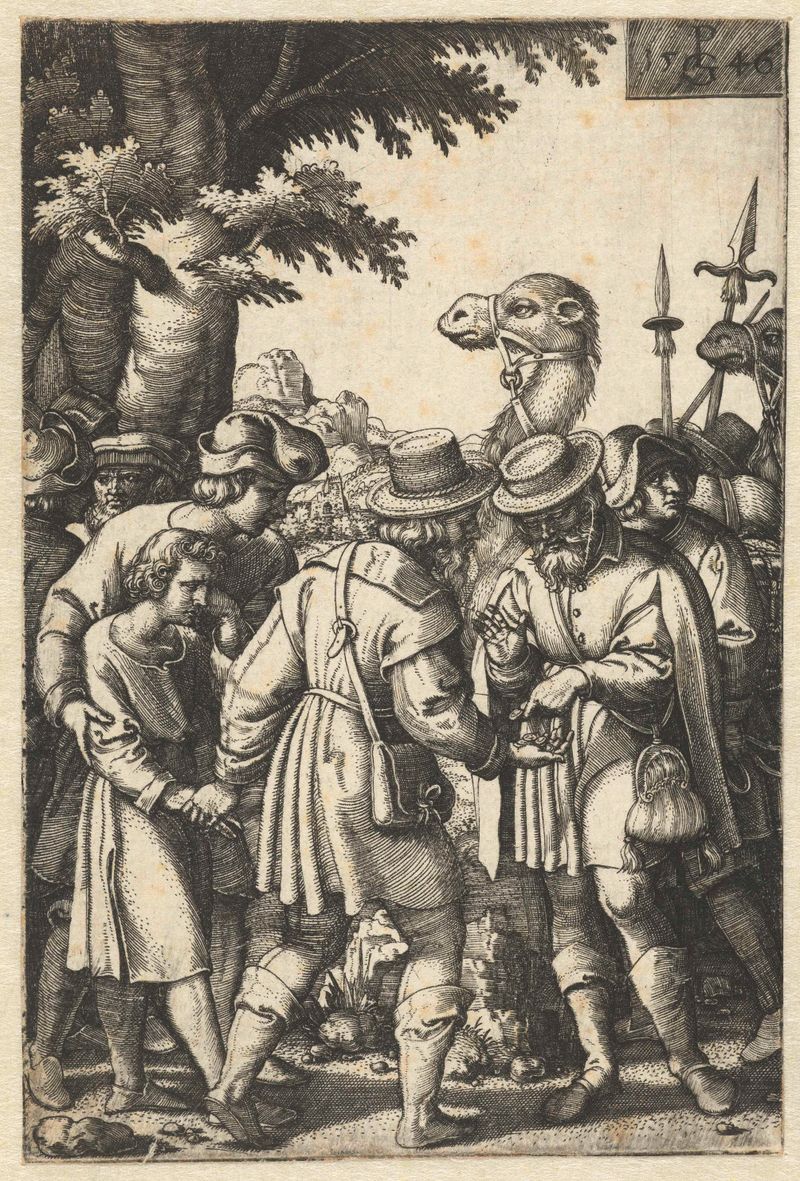
Jozef wordt verkocht aan kooplieden op weg naar Egypte
Georg Pencz

Aanbidding der koningen
Georg Pencz
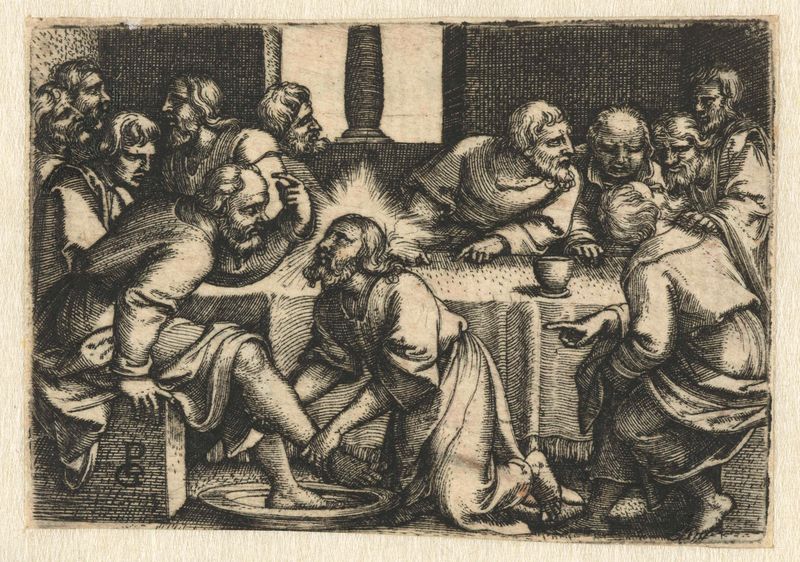
Petrus protesteert als Christus zijn voeten wast
Georg Pencz
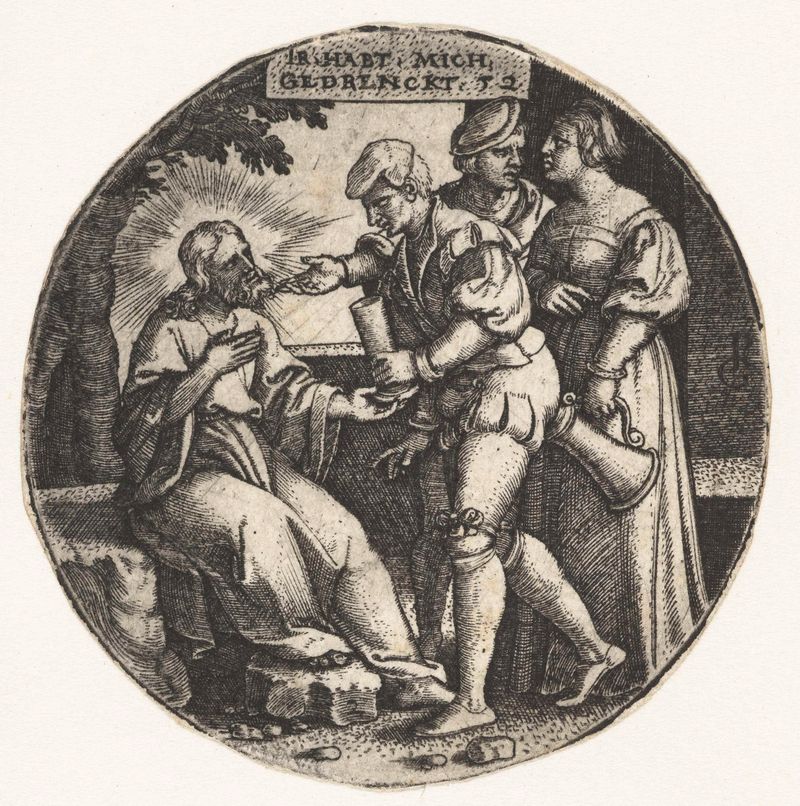
Christus heeft dorst en krijgt drinken aangeboden
Georg Pencz
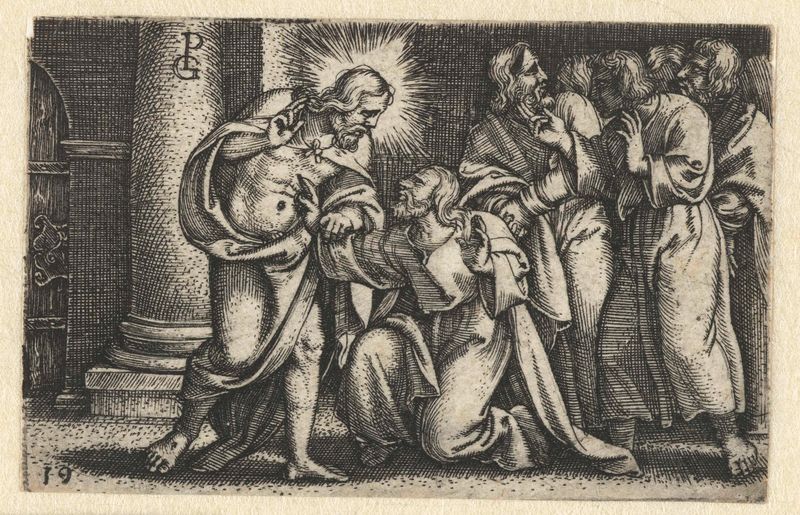
Ongelovige Thomas raakt wonden Christus aan
Georg Pencz

Offer van Abraham van Isaak
Georg Pencz
More Religious Art
Browse all →
The Return of the Prodigal Son
Rembrandt van Rijn

The Garden of Earthly Delights
El Bosco

Count Orgaz’ funeral
El Greco

The Hundred Guilder Print: the central piece with Christ preaching, the plate arched
Rembrandt van Rijn

The Descent from the Cross
Rogier van der Weyden

The return of the prodigal son
Rembrandt van Rijn