
Christus benoemt Petrus als hoofd van de kerk — History & Facts
In Christus benoemt Petrus als hoofd van de kerk, fragility emanates from the serene authority captured on canvas, where a pivotal moment in faith unfolds. The delicate balance between power and vulnerability resonates throughout the piece, inviting the viewer to explore its depths. Look to the center of the painting, where Christ’s gentle but commanding gesture directs your gaze towards Peter, his expression a mixture of awe and trepidation. The light bathes them both, accentuating the soft contours of their faces while casting deep shadows that hint at the weight of their exchange.
Notice the intricate details of Christ’s robe, rendered in rich, warm tones that symbolize divine authority, contrasted against Peter’s simpler attire—a subtle reminder of his mortal fragility amidst his monumental role. The juxtaposition of light and shadow isn’t merely technical; it evokes the tension between divine purpose and human vulnerability. Observe the subtle expressions on the surrounding figures—some appear contemplative, others skeptical, each reflecting their own understanding of this transformative moment. The careful interplay of these elements underscores the broader theme of faith’s delicate nature, where belief can be both uplifting and burdensome. Georg Pencz painted this work between 1534 and 1535, during a period of significant religious upheaval in Europe marked by the Reformation.
Living in Nuremberg, he was deeply influenced by the shifting tides of faith and art, as artists began to grapple with the implications of their work in a world increasingly skeptical of traditional authority. This painting reflects not only a moment of spiritual significance but embodies the evolving relationship between the divine and humanity during a time of profound change.
More Artworks by Georg Pencz
Browse all →
Parabel van de zaaier
Georg Pencz

Parabel van de arbeiders in de wijngaard
Georg Pencz
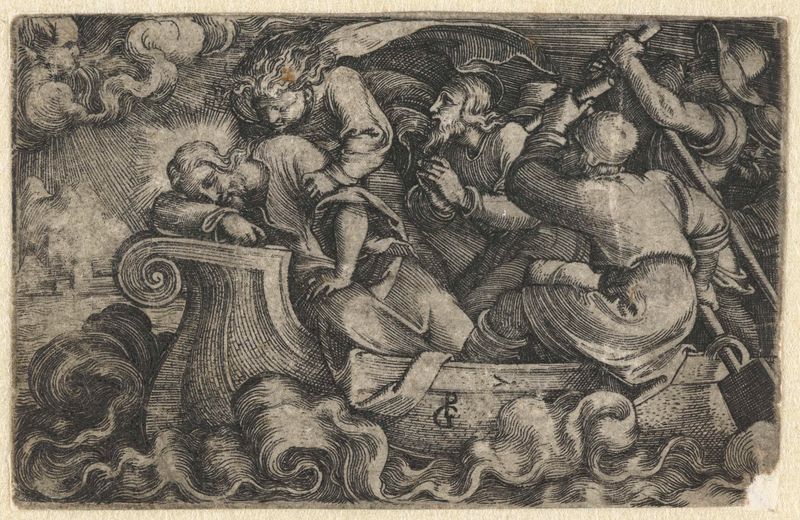
Discipelen wekken slapende Christus tijdens storm op Meer van Galilea
Georg Pencz

Afgunst (Invidia)
Georg Pencz
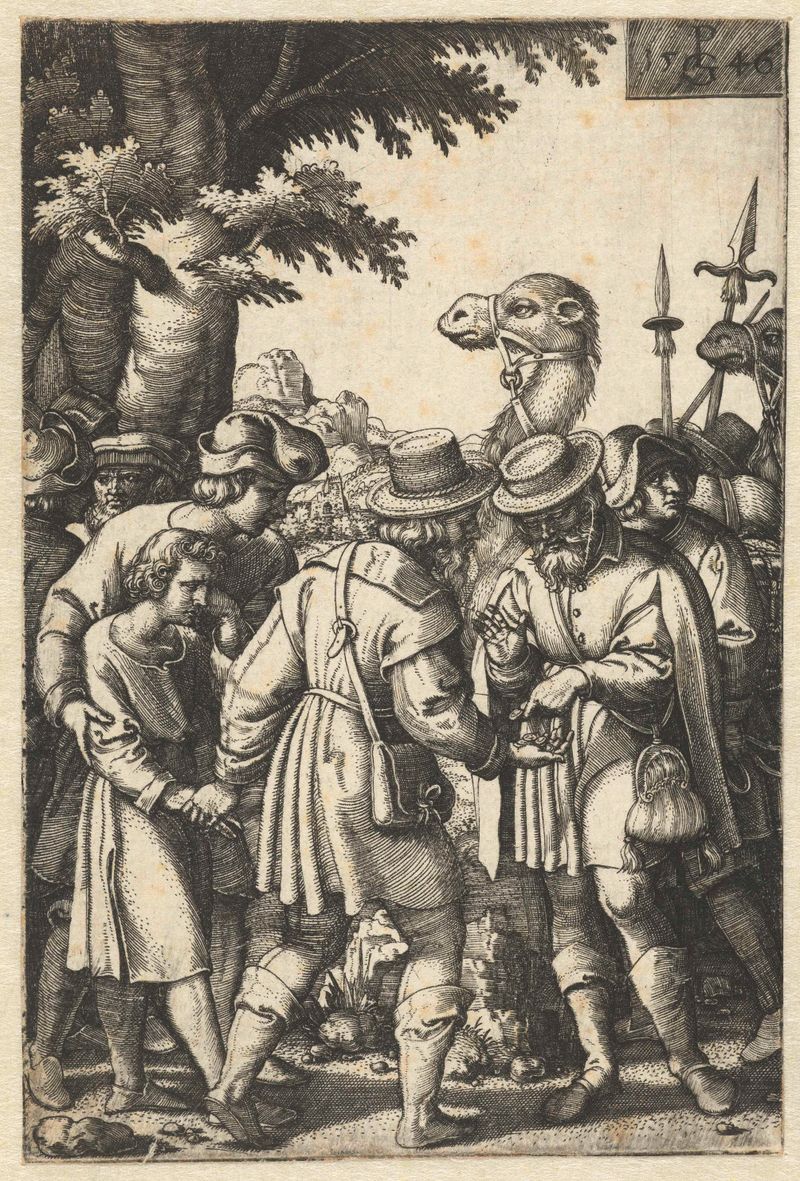
Jozef wordt verkocht aan kooplieden op weg naar Egypte
Georg Pencz

Aanbidding der koningen
Georg Pencz
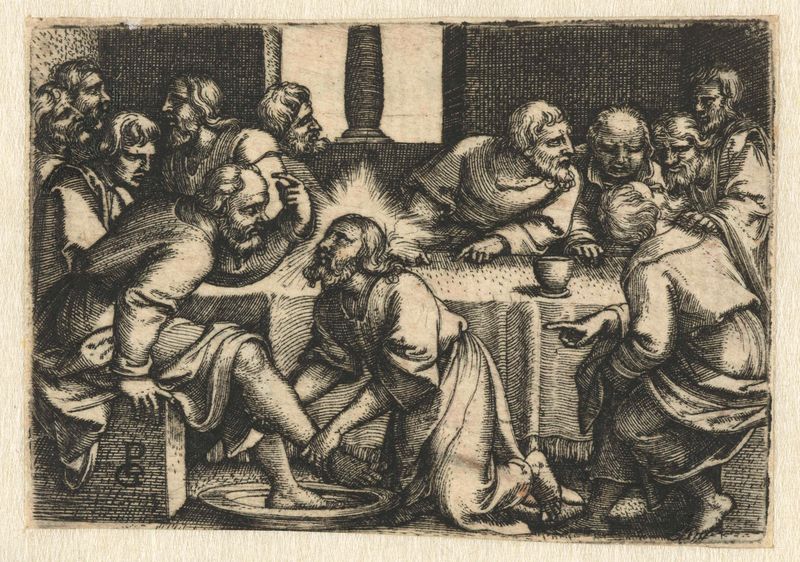
Petrus protesteert als Christus zijn voeten wast
Georg Pencz
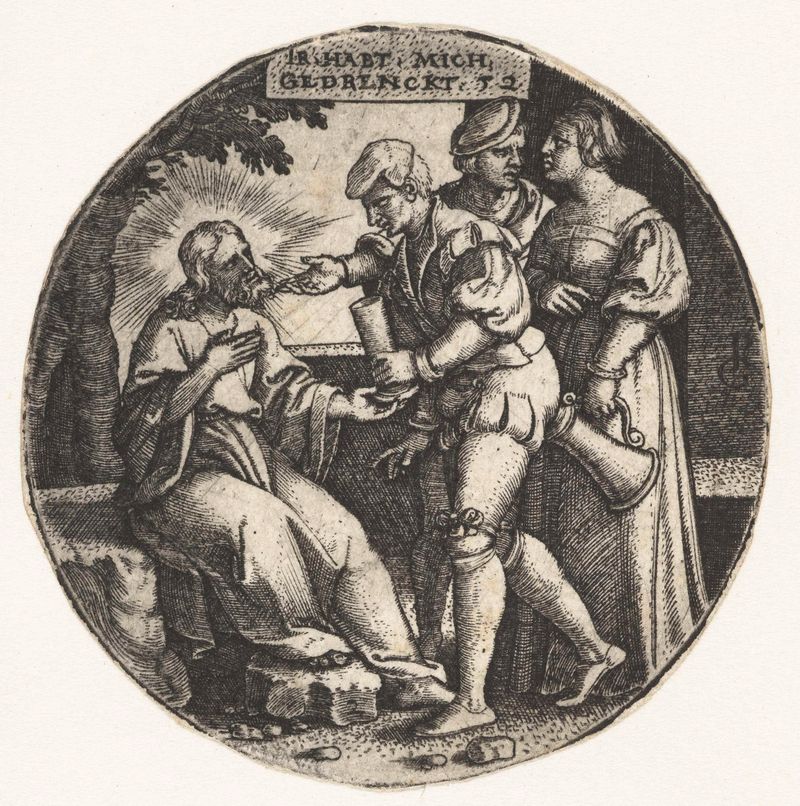
Christus heeft dorst en krijgt drinken aangeboden
Georg Pencz
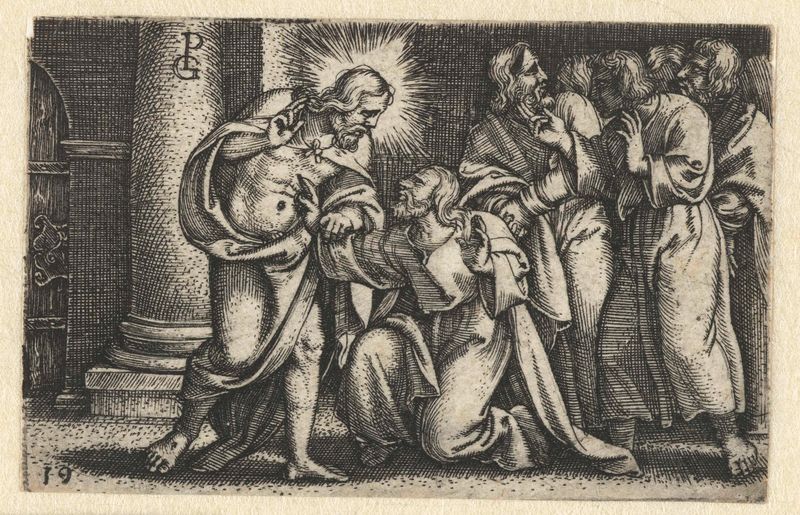
Ongelovige Thomas raakt wonden Christus aan
Georg Pencz

Offer van Abraham van Isaak
Georg Pencz
More Religious Art
Browse all →
The Return of the Prodigal Son
Rembrandt van Rijn

The Garden of Earthly Delights
El Bosco

Count Orgaz’ funeral
El Greco

The Hundred Guilder Print: the central piece with Christ preaching, the plate arched
Rembrandt van Rijn

The Descent from the Cross
Rogier van der Weyden

The return of the prodigal son
Rembrandt van Rijn