
Christus bewijst zijn discipelen dat hij zoon van God is — History & Facts
Is this a mirror — or a memory? In Christus bewijst zijn discipelen dat hij zoon van God is, Georg Pencz captures a profound moment of divine revelation, echoing the isolation that often accompanies enlightenment. Focus first on the figure of Christ, illuminated at the center, his gesture both inviting and commanding. Notice how the soft light bathes his face, highlighting the serene strength in his expression. The disciples surrounding him are arranged in a semicircle, their faces painted with varying degrees of astonishment and doubt.
The cool palette of blues and greens envelops them, contrasting sharply with the warm glow around Christ, emphasizing the spiritual divide between the divine and humanity. In this tense tableau, loneliness seeps into the expressions of the onlookers. Each disciple's gaze reveals a mixture of reverence and fear, suggesting that understanding the divine may also mean grappling with profound isolation. The carefully rendered details of their garments, a testament to Pencz’s skill, serve to ground the scene in reality while heightening the otherworldly aura surrounding Christ.
This dichotomy captures the eternal conflict of belief: the pain of separation from divinity as much as the hope it inspires. Created between 1534 and 1535, this painting emerged during a transformative period in art and religion. As the Reformation unraveled traditional beliefs, Pencz, influenced by the shift towards humanism, sought to convey complex theological themes through his work. In the midst of this tumultuous backdrop, Christus bewijst zijn discipelen dat hij zoon van God is stands as a poignant exploration of faith, doubt, and the loneliness that often accompanies spiritual insight.
More Artworks by Georg Pencz
Browse all →
Parabel van de zaaier
Georg Pencz

Parabel van de arbeiders in de wijngaard
Georg Pencz
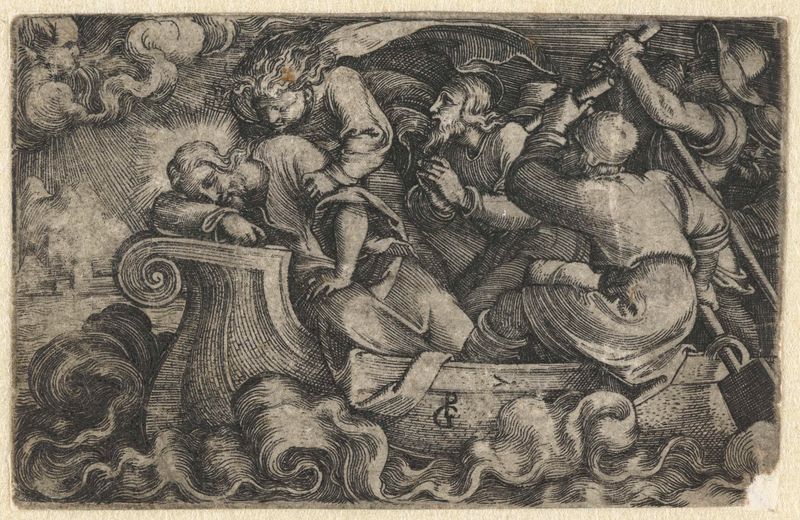
Discipelen wekken slapende Christus tijdens storm op Meer van Galilea
Georg Pencz

Afgunst (Invidia)
Georg Pencz
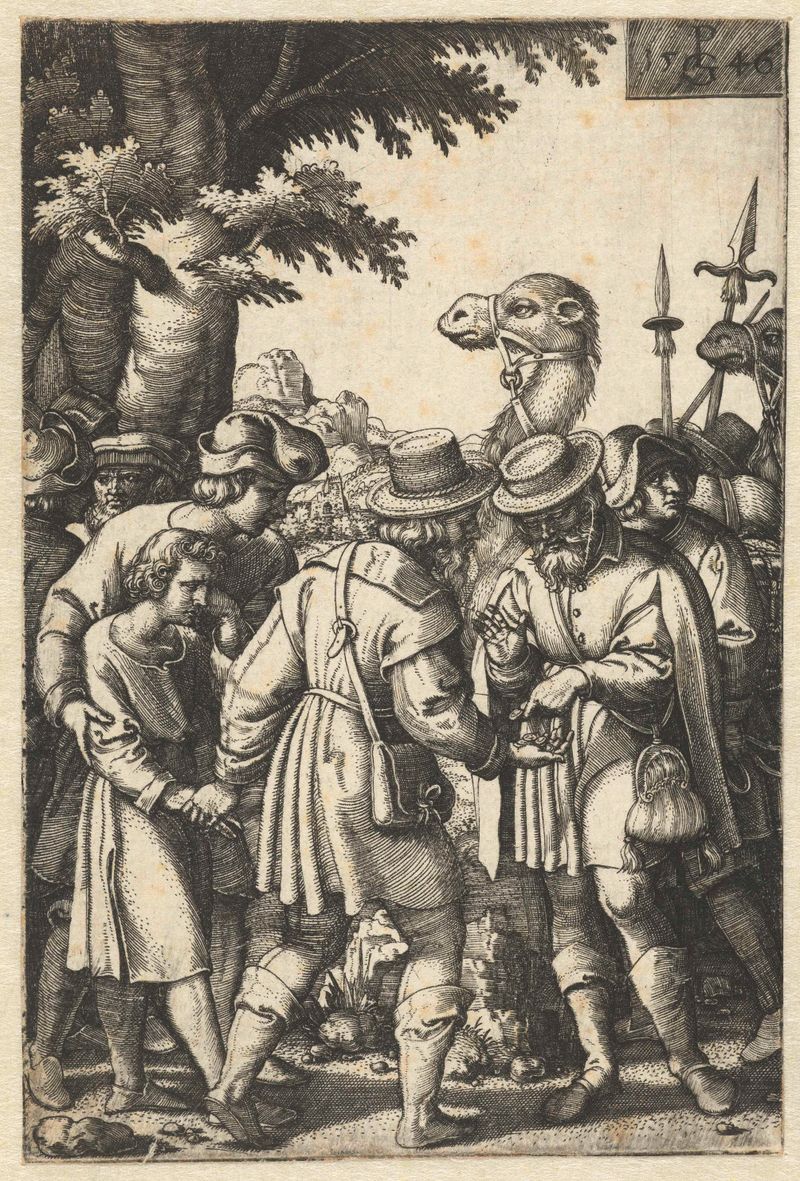
Jozef wordt verkocht aan kooplieden op weg naar Egypte
Georg Pencz

Aanbidding der koningen
Georg Pencz
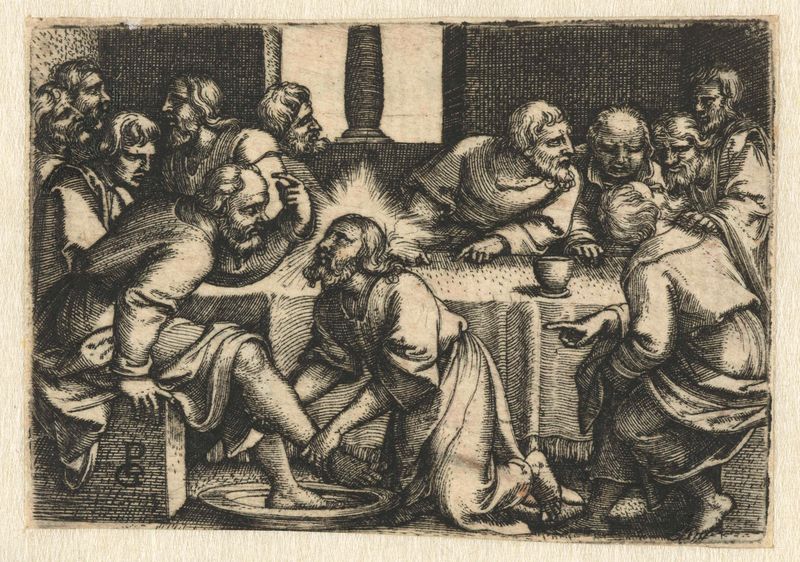
Petrus protesteert als Christus zijn voeten wast
Georg Pencz
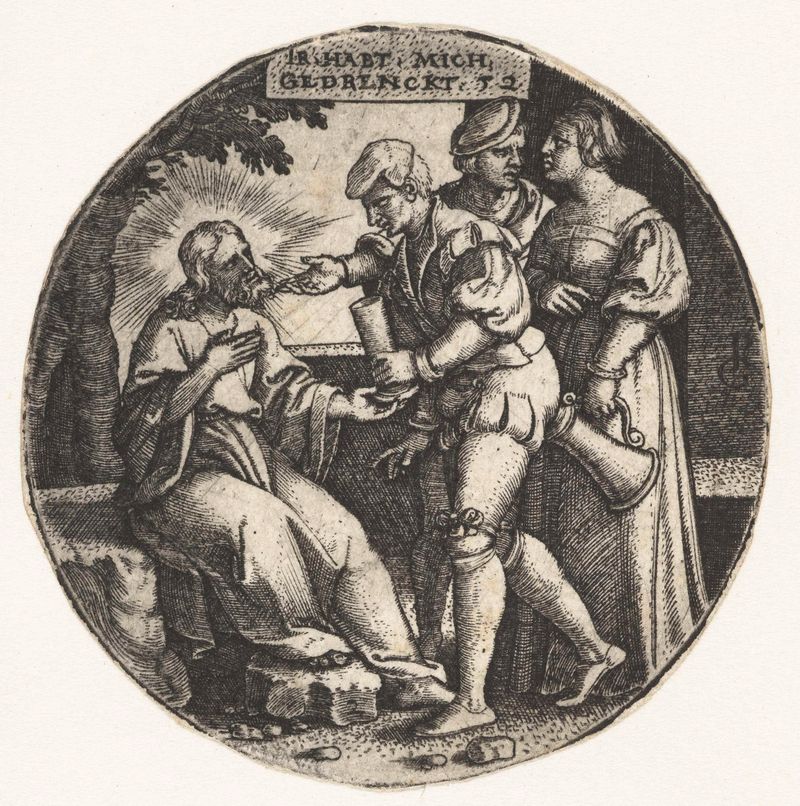
Christus heeft dorst en krijgt drinken aangeboden
Georg Pencz
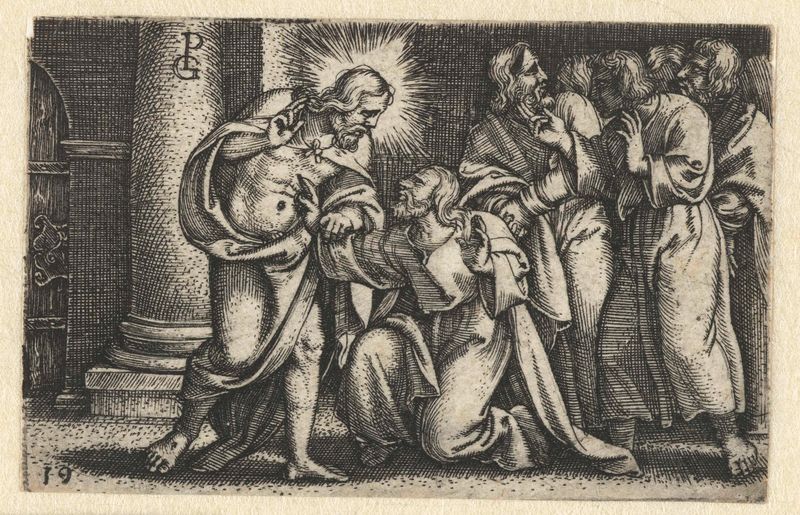
Ongelovige Thomas raakt wonden Christus aan
Georg Pencz

Offer van Abraham van Isaak
Georg Pencz
More Religious Art
Browse all →
The Return of the Prodigal Son
Rembrandt van Rijn

The Garden of Earthly Delights
El Bosco

Count Orgaz’ funeral
El Greco

The Hundred Guilder Print: the central piece with Christ preaching, the plate arched
Rembrandt van Rijn

The Descent from the Cross
Rogier van der Weyden

The return of the prodigal son
Rembrandt van Rijn