
Christus en de overspelige vrouw — History & Facts
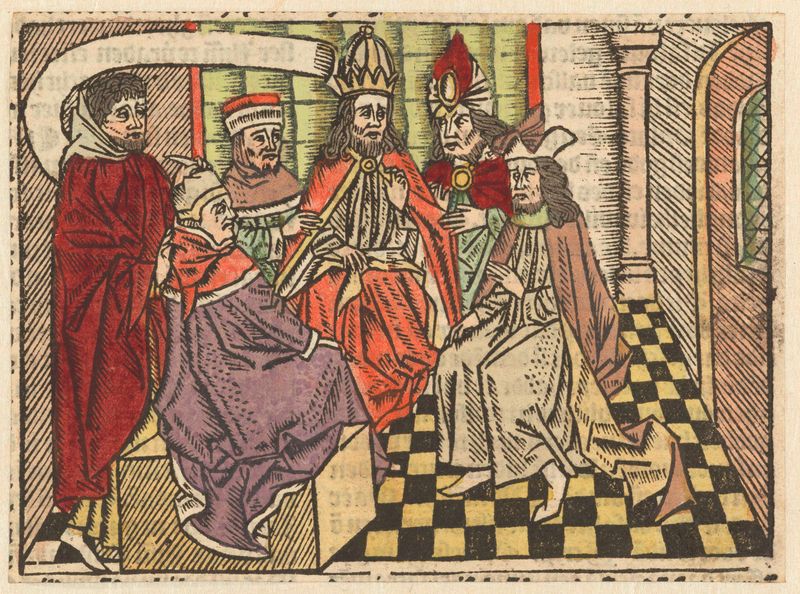
Is this a mirror — or a memory? In the stillness of the moment, the weight of past choices hangs heavy in the air, mingling with the flicker of candlelight that dances softly across the figures’ faces. Focus on the central figure, Christ, whose serene expression invites both contemplation and judgment. His gaze meets the woman, her body tense and filled with both shame and longing, depicted in the act of vulnerability. Notice how the rich, deep hues of the robes contrast against the muted tones of the background, emphasizing the emotional intensity of the encounter.
The delicate brushwork captures the intricate details of their expressions, inviting the viewer to ponder the depths of their souls. Explore the symbolism inherent in the composition: the way Christ's outstretched hand seems to offer both forgiveness and condemnation, highlighting the tension between mercy and judgment. The woman’s downcast eyes reflect a profound grief, not just for her own sins but for the societal expectations that bound her. These subtle interactions weave a narrative that transcends the moment, echoing universal struggles with guilt and redemption. During the years 1485 to 1491, the artist, known as the Master of Antwerp, created this piece while the Northern Renaissance was flourishing in the context of burgeoning humanist ideals.
In this period, religious themes were often intertwined with personal narratives, reflecting a society grappling with moral complexities and individual agency.
More Artworks by Meester van Antwerpen (I)
Browse all →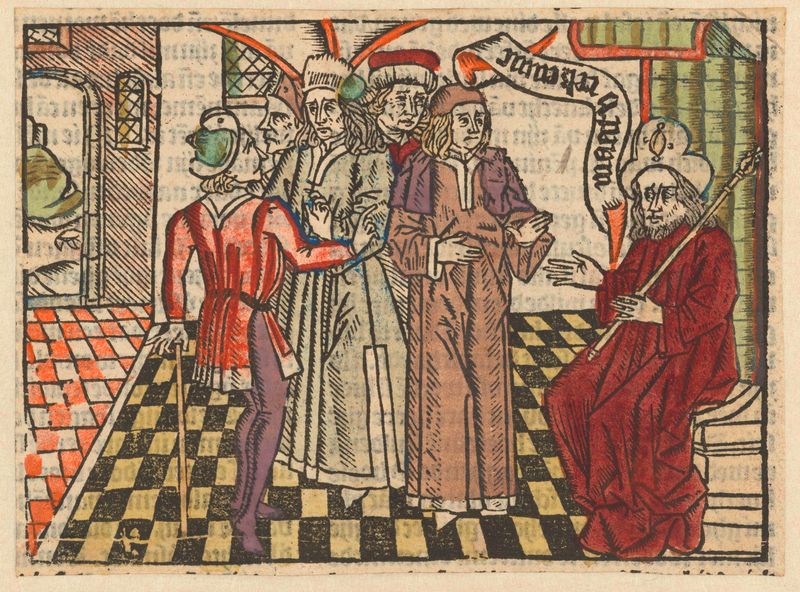
Parabel van de koning en de dienaar die geen vergiffenis schonk
Meester van Antwerpen (I)
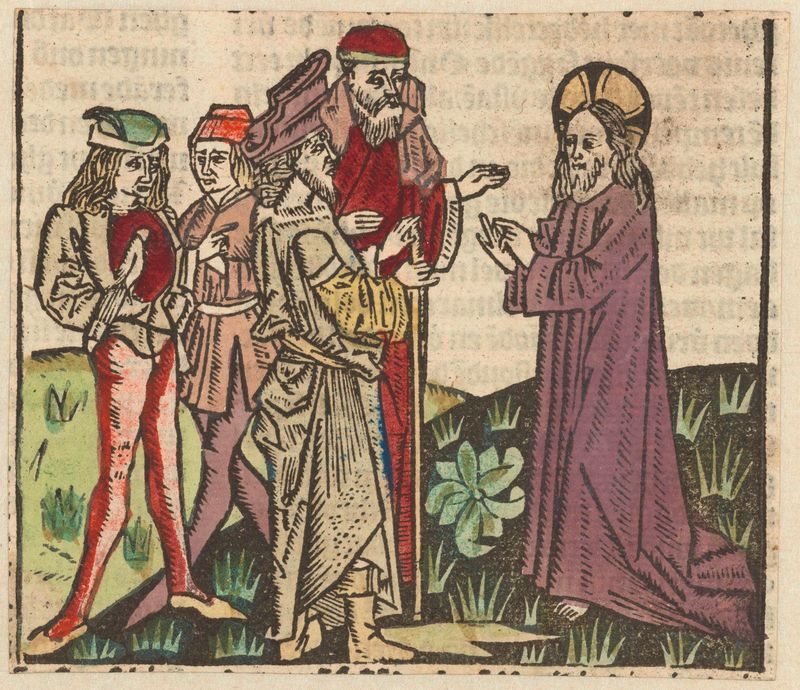
Christus in gesprek met Nicodemus
Meester van Antwerpen (I)
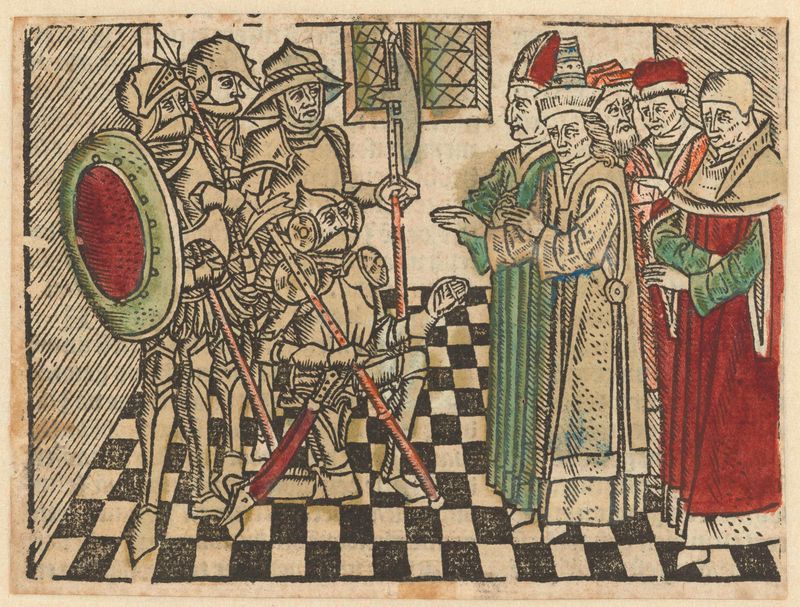
Soldaten berichten de hoge priesters dat Christus is herrezen
Meester van Antwerpen (I)
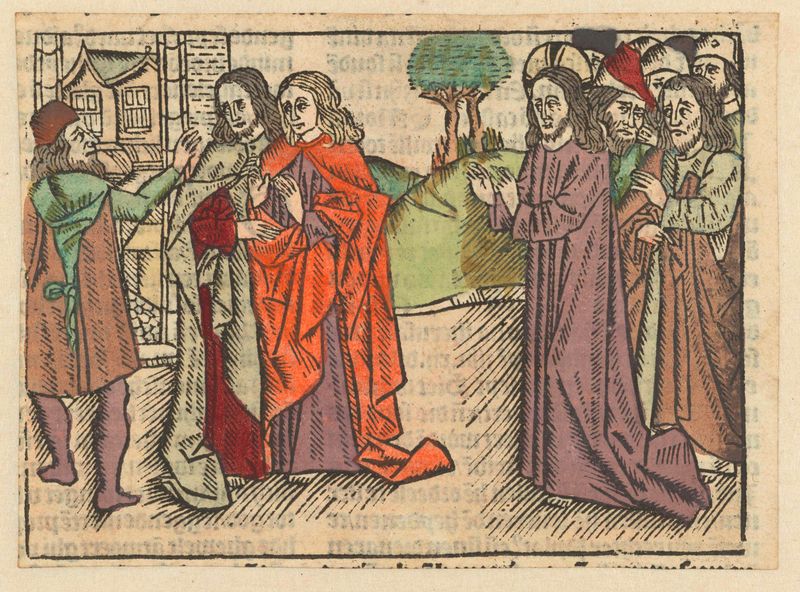
Een Samaritaan weigert Christus te ontvangen
Meester van Antwerpen (I)
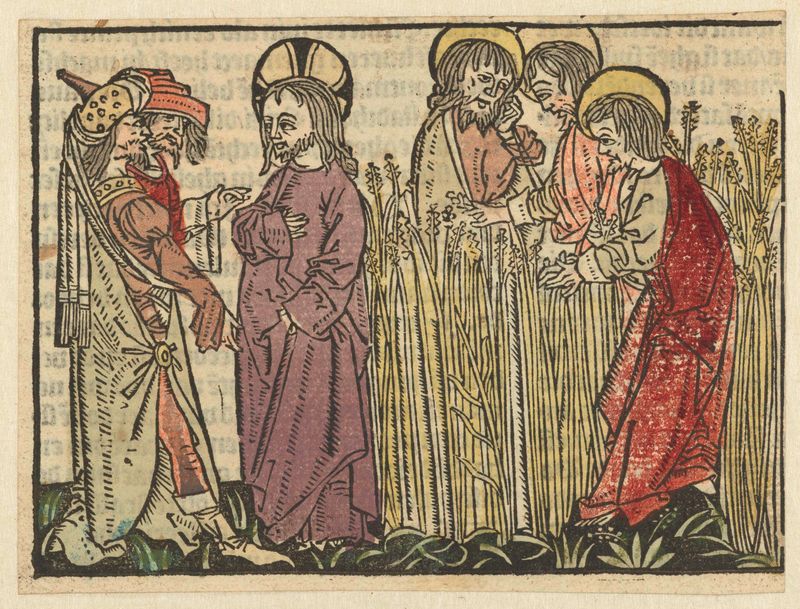
De discipelen plukken en eten aren op de sabbat
Meester van Antwerpen (I)
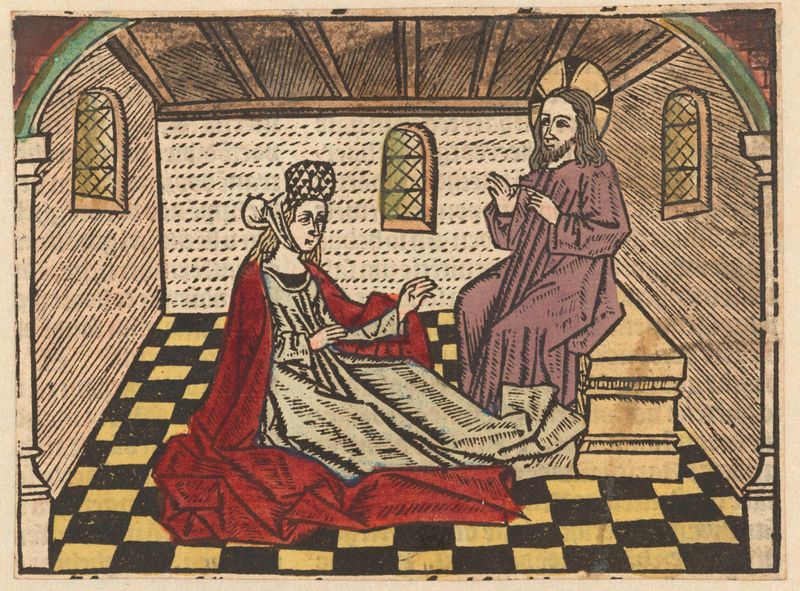
Maria Magdalena luistert naar Christus en bekeert zich
Meester van Antwerpen (I)
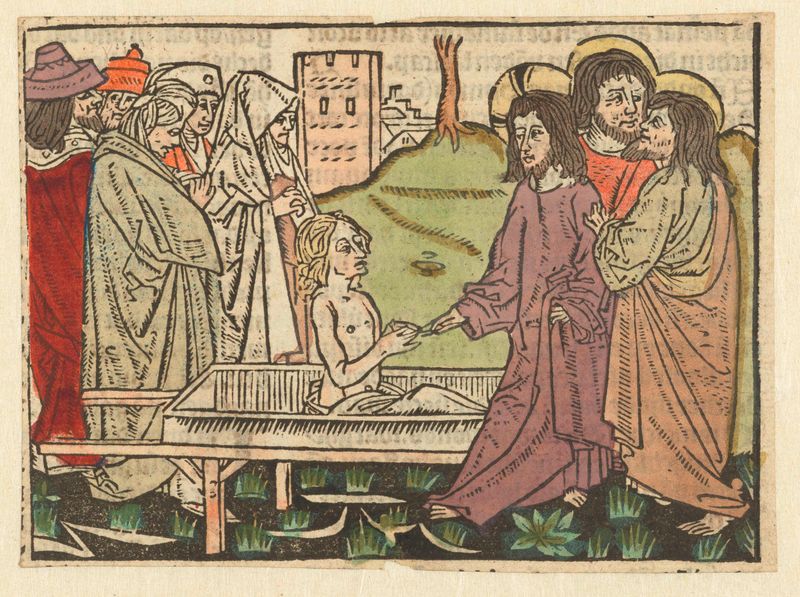
Opwekking van de zoon van de weduwe van Nain
Meester van Antwerpen (I)
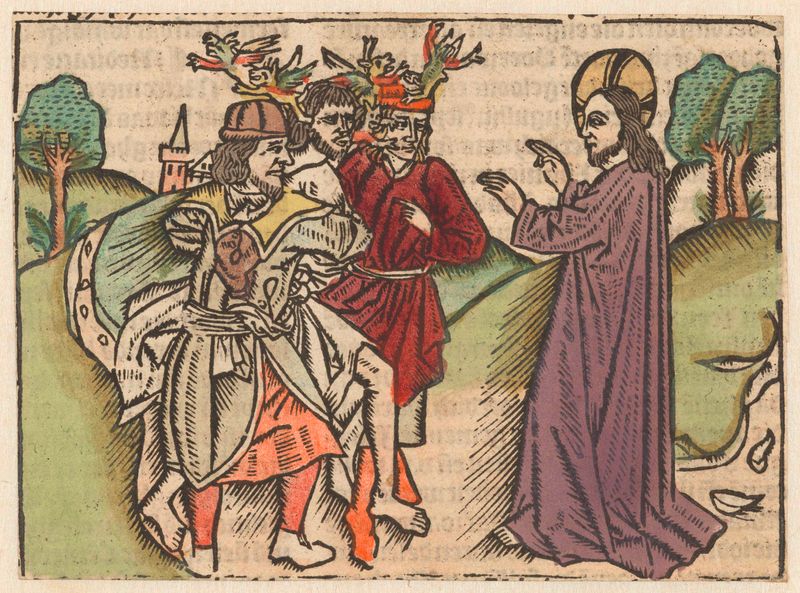
Christus geneest de bezeten man die niet kon spreken
Meester van Antwerpen (I)
Judas bij de hogepriesters om Christus te verraden
Meester van Antwerpen (I)

Parabel van de werkers in de wijngaarde
Meester van Antwerpen (I)
More Religious Art
Browse all →
The Return of the Prodigal Son
Rembrandt van Rijn

The Garden of Earthly Delights
El Bosco

Count Orgaz’ funeral
El Greco

The Hundred Guilder Print: the central piece with Christ preaching, the plate arched
Rembrandt van Rijn

The Descent from the Cross
Rogier van der Weyden

The return of the prodigal son
Rembrandt van Rijn