
Christus geneest de bezeten man die niet kon spreken — History & Facts
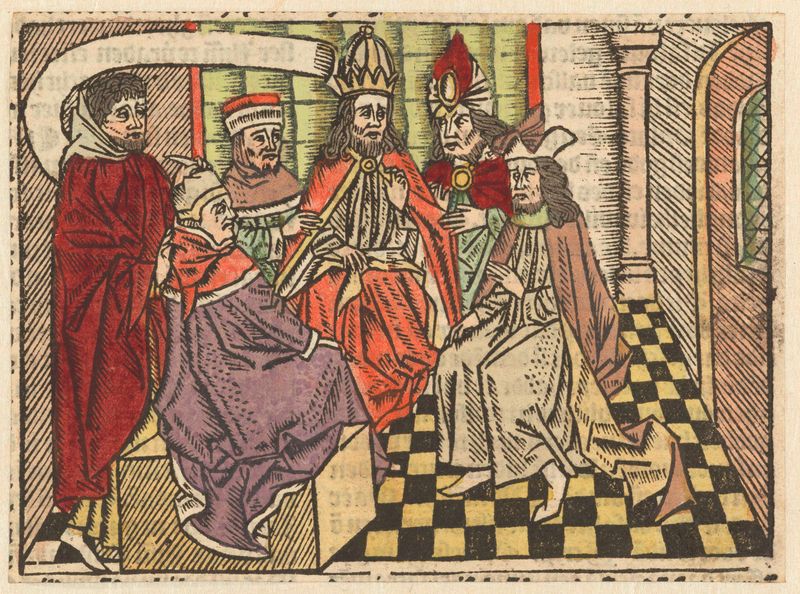
Could a single brushstroke hold eternity? In the hands of a master, the canvas is not merely a surface, but a door to the divine, a realm where reality bends and the miraculous unfolds. Look to the center of the artwork, where the figure of Christ dominates the composition, radiating a gentle yet compelling light. His hand reaches out with deliberate grace, an invitation that transcends time and space, directed at the afflicted man. Notice how the muted earth tones of the surrounding figures contrast with the vibrant hues of Christ's garments, creating an ethereal quality that draws the eye and heart.
The intricate detailing of expressions on the onlookers’ faces heightens the emotional gravity of the scene, imbuing the moment with palpable tension. Diving deeper, the painting reveals layers of meaning that resonate beyond the initial impression. The silence of the afflicted man contrasts sharply with the active gestures of Christ and the crowd; it symbolizes the weight of suffering and the power of healing. The juxtaposition of divine intervention against human despair invites viewers to contemplate their own struggles and the hope that can arise from seemingly insurmountable challenges.
This moment is not just about physical healing but also the spiritual awakening that follows. Created between 1485 and 1491, this work emerged during a period of intense religious fervor and artistic exploration in the Northern Renaissance. The artist, working in Antwerp, was influenced by humanistic ideas and the burgeoning emphasis on individual experience and divine grace. This painting stands as a testament to the era’s quest for spiritual authenticity, capturing a transformative moment that resonates through the ages.
More Artworks by Meester van Antwerpen (I)
Browse all →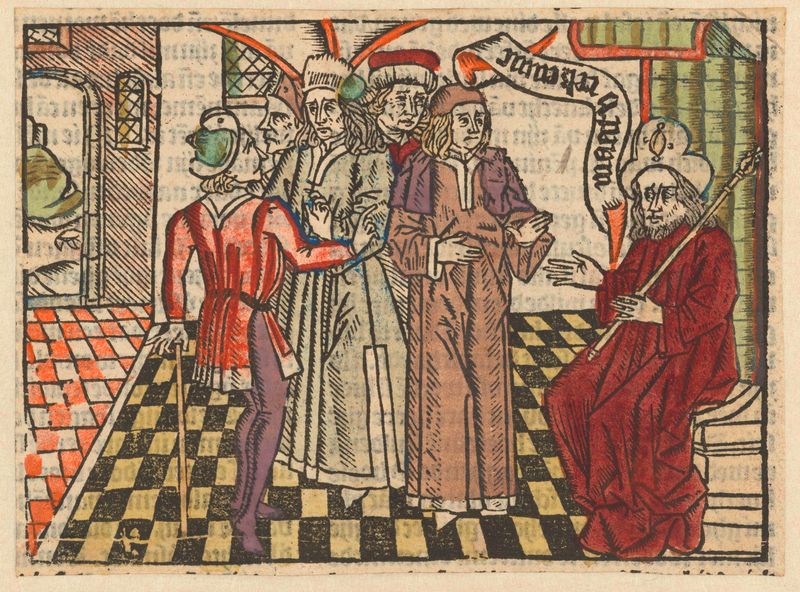
Parabel van de koning en de dienaar die geen vergiffenis schonk
Meester van Antwerpen (I)
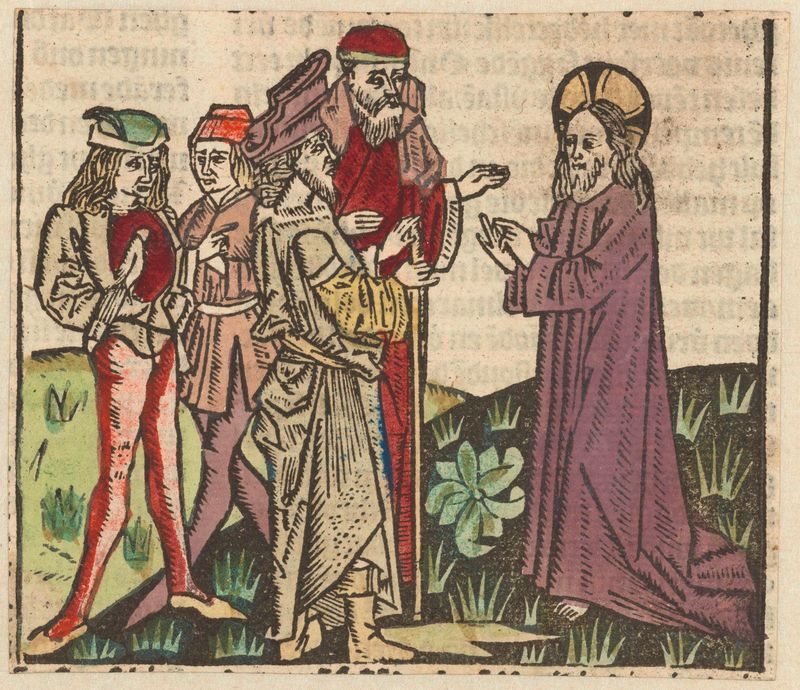
Christus in gesprek met Nicodemus
Meester van Antwerpen (I)
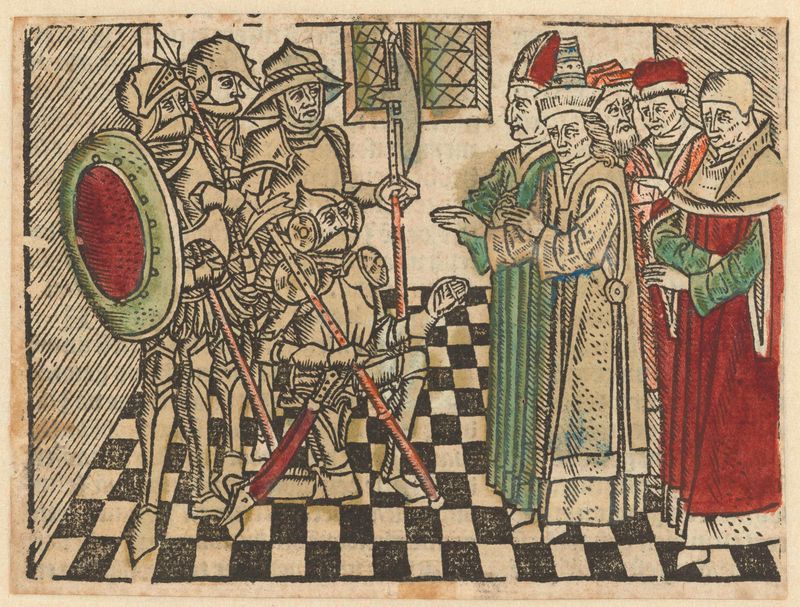
Soldaten berichten de hoge priesters dat Christus is herrezen
Meester van Antwerpen (I)
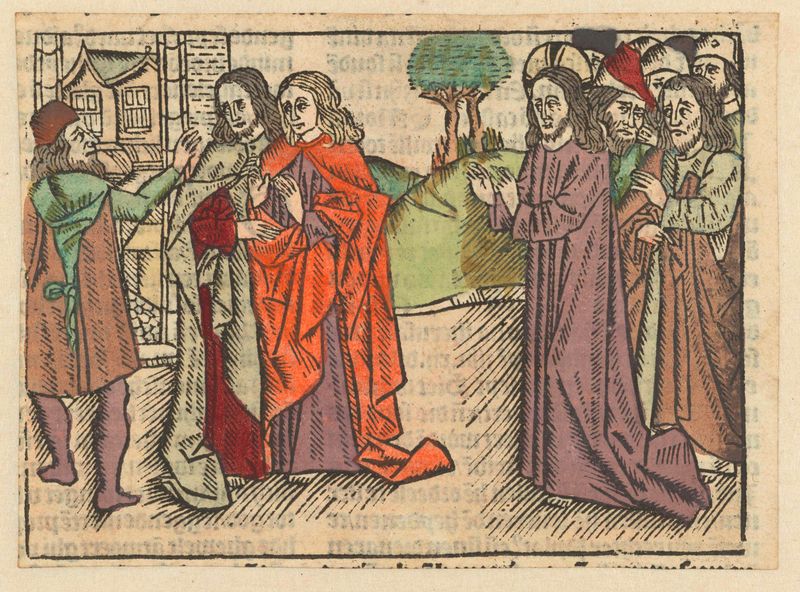
Een Samaritaan weigert Christus te ontvangen
Meester van Antwerpen (I)
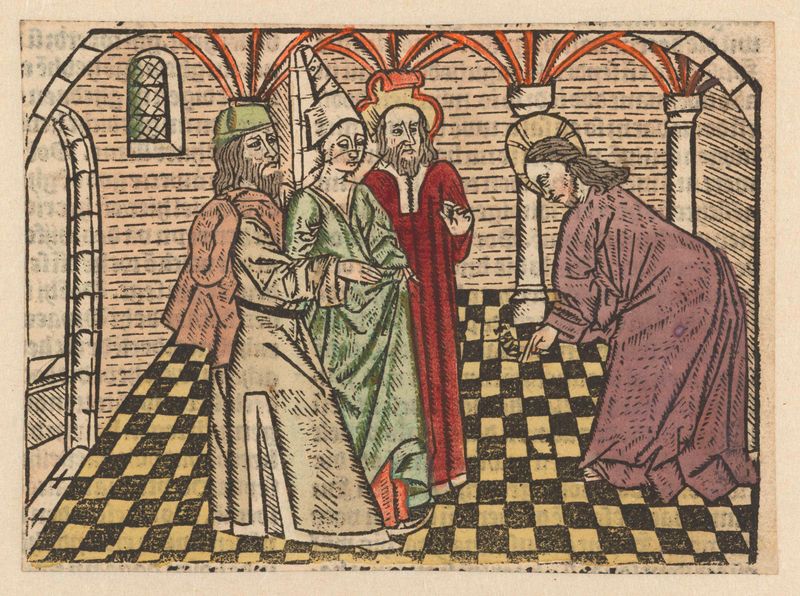
Christus en de overspelige vrouw
Meester van Antwerpen (I)
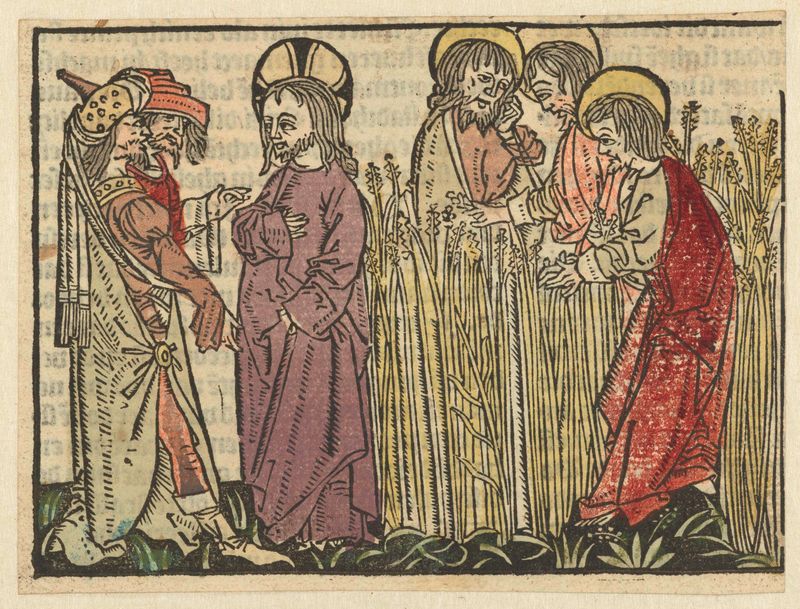
De discipelen plukken en eten aren op de sabbat
Meester van Antwerpen (I)
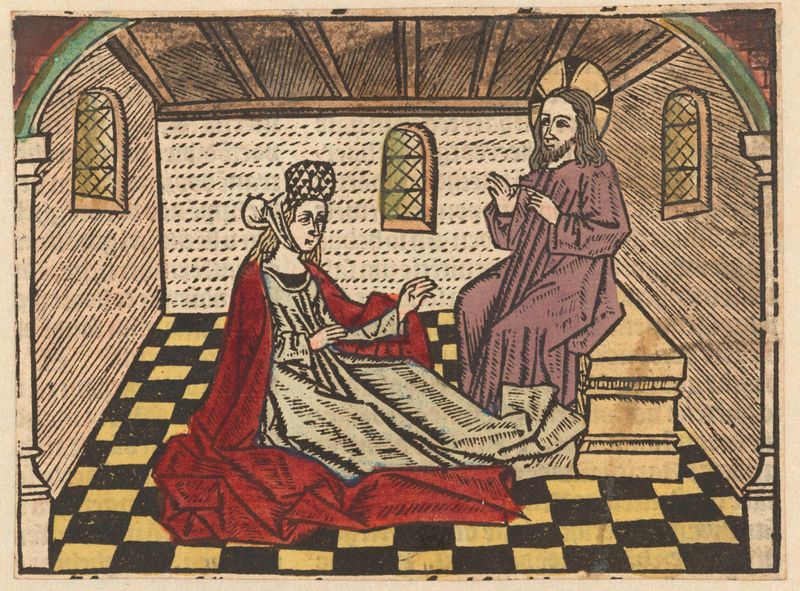
Maria Magdalena luistert naar Christus en bekeert zich
Meester van Antwerpen (I)
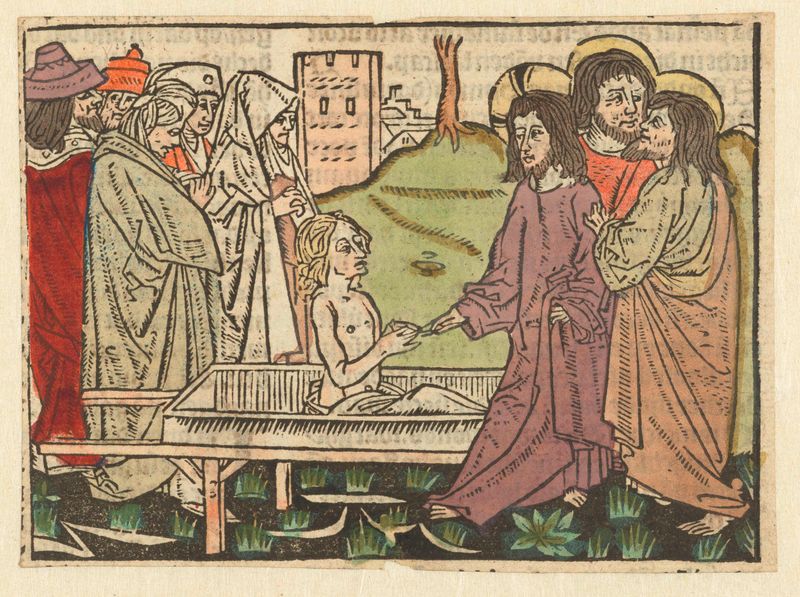
Opwekking van de zoon van de weduwe van Nain
Meester van Antwerpen (I)
Judas bij de hogepriesters om Christus te verraden
Meester van Antwerpen (I)

Parabel van de werkers in de wijngaarde
Meester van Antwerpen (I)
More Religious Art
Browse all →
The Return of the Prodigal Son
Rembrandt van Rijn

The Garden of Earthly Delights
El Bosco

Count Orgaz’ funeral
El Greco

The Hundred Guilder Print: the central piece with Christ preaching, the plate arched
Rembrandt van Rijn

The Descent from the Cross
Rogier van der Weyden

The return of the prodigal son
Rembrandt van Rijn