
Parabel van de werkers in de wijngaarde — History & Facts
Can paint confess what words never could? Within the delicate strokes of the piece, the balance of labor and reward is laid bare, whispering truths about humanity’s eternal struggle. Look to the right at the winding path that leads through the lush vineyard, a visual metaphor for life’s choices. The workers, each marked by their distinct postures and expressions, embody both diligence and fatigue, their hands intertwined with the vines they tend. Notice how the warm golden hues of the setting sun cast long shadows, creating a poignant contrast between light and dark, reward and toil.
The careful arrangement of these elements invites the viewer to reflect on the interconnectedness of each figure within this pastoral tapestry. Tension weaves through the canvas, revealing the unseen burdens that accompany labor. The workers’ faces, a blend of determination and resignation, communicate the emotional toll of their toil, suggesting a silent yearning for recognition and fairness. The juxtaposition of the fruitful grapes against the workers’ weary figures accentuates the theme of imbalance; the rewards of their labor are not evenly distributed, raising questions about justice and equity in society. Created between 1485 and 1491, this work emerged from a period of significant change in Northern European art and society.
During this time, the artist operated in Antwerp, a bustling commercial hub, where themes of morality and social justice began to permeate the artistic discourse. It reflects a growing consciousness among artists of the era about the human condition, often portraying not just the beauty of the landscape, but the intricate balance of life and work that defines it.
More Artworks by Meester van Antwerpen (I)
Browse all →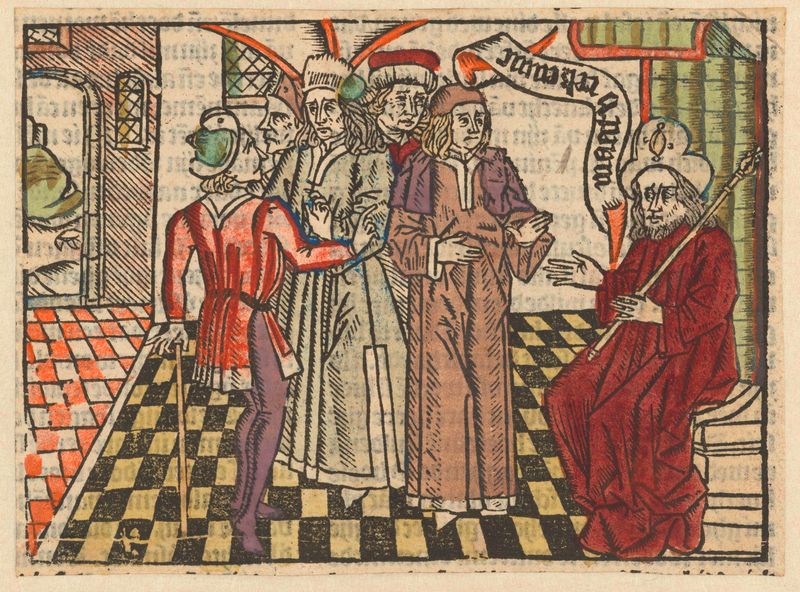
Parabel van de koning en de dienaar die geen vergiffenis schonk
Meester van Antwerpen (I)
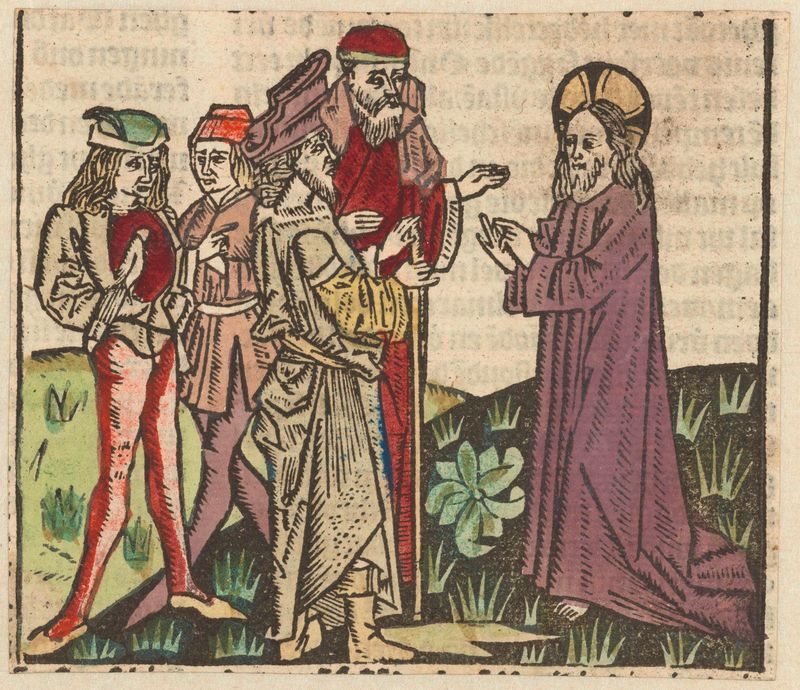
Christus in gesprek met Nicodemus
Meester van Antwerpen (I)
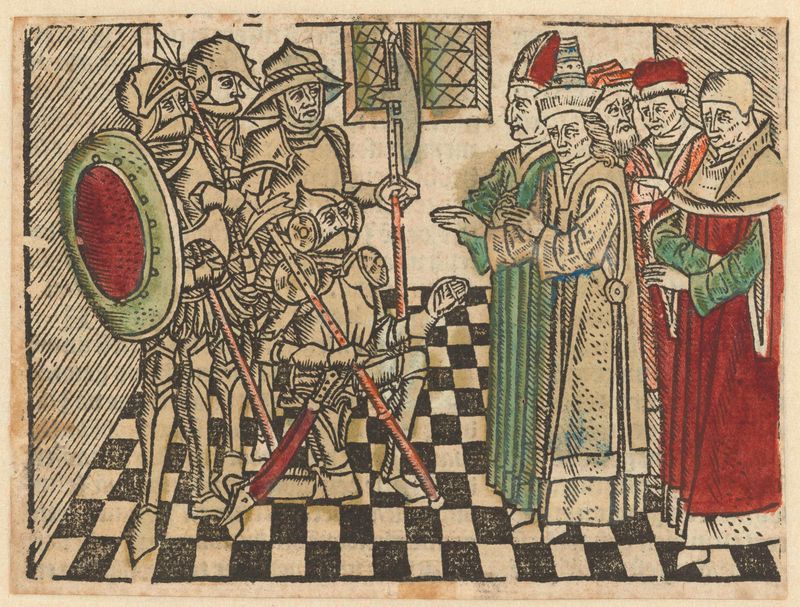
Soldaten berichten de hoge priesters dat Christus is herrezen
Meester van Antwerpen (I)
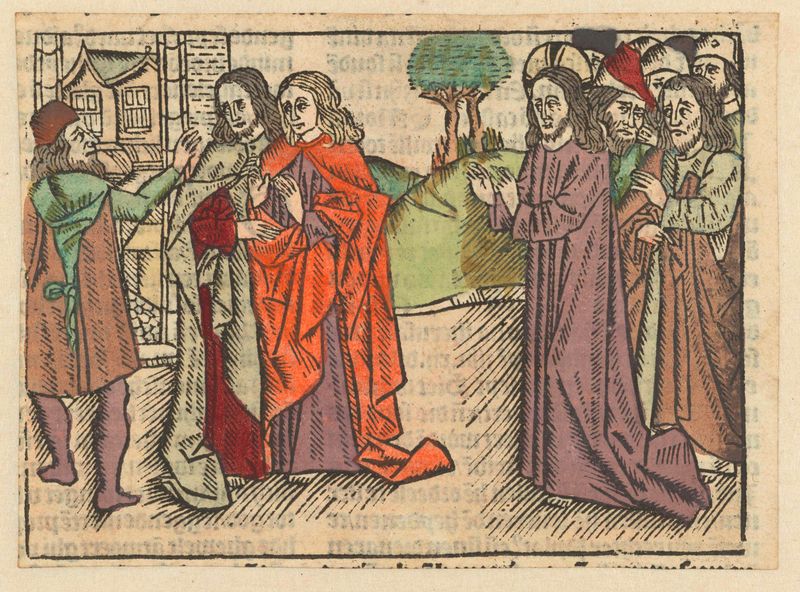
Een Samaritaan weigert Christus te ontvangen
Meester van Antwerpen (I)
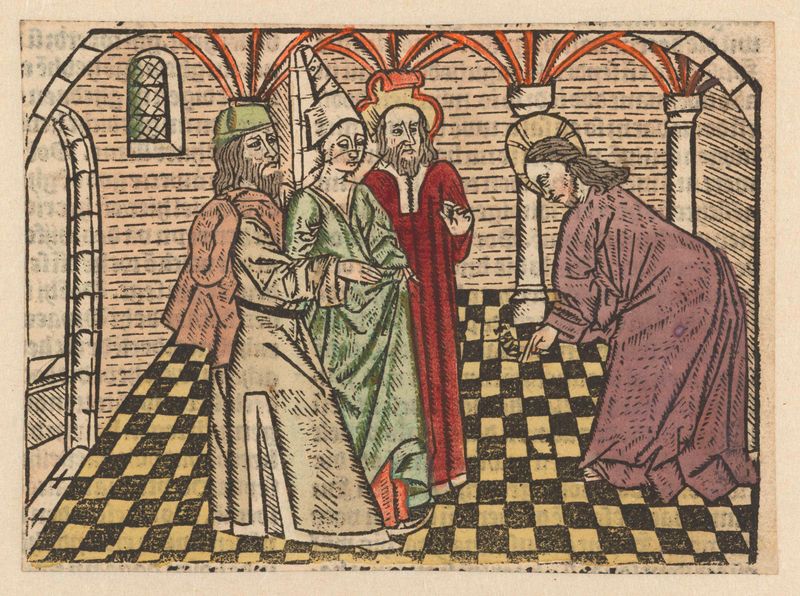
Christus en de overspelige vrouw
Meester van Antwerpen (I)
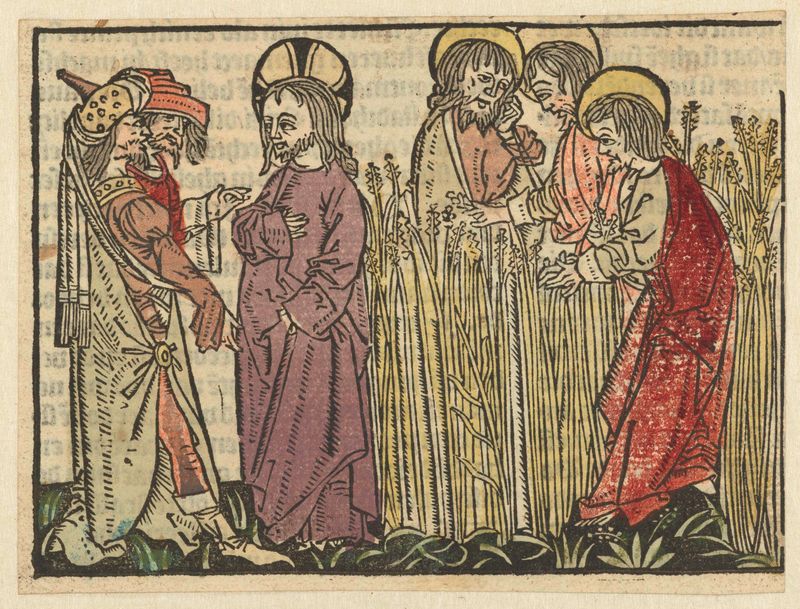
De discipelen plukken en eten aren op de sabbat
Meester van Antwerpen (I)
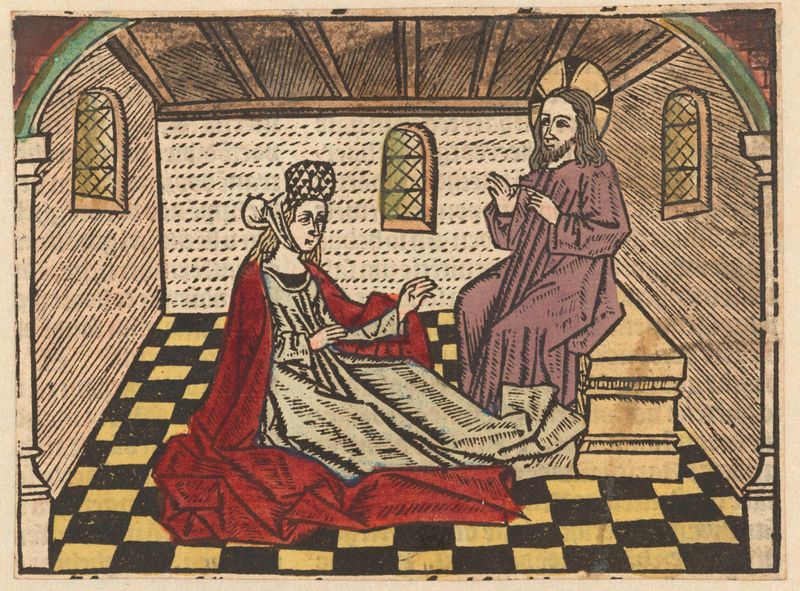
Maria Magdalena luistert naar Christus en bekeert zich
Meester van Antwerpen (I)
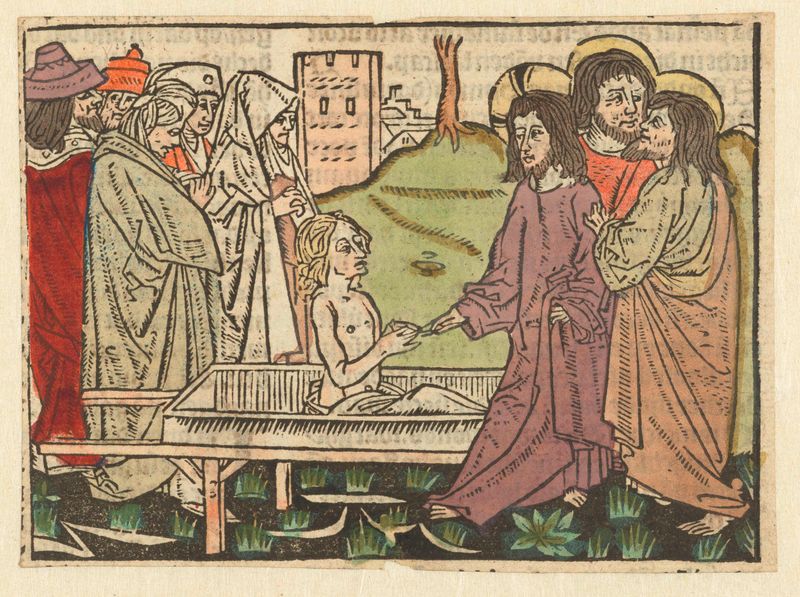
Opwekking van de zoon van de weduwe van Nain
Meester van Antwerpen (I)
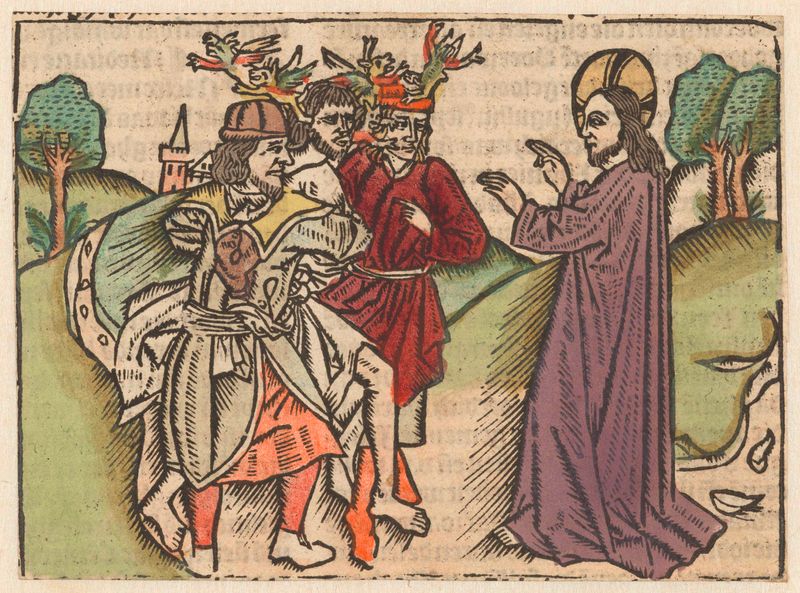
Christus geneest de bezeten man die niet kon spreken
Meester van Antwerpen (I)
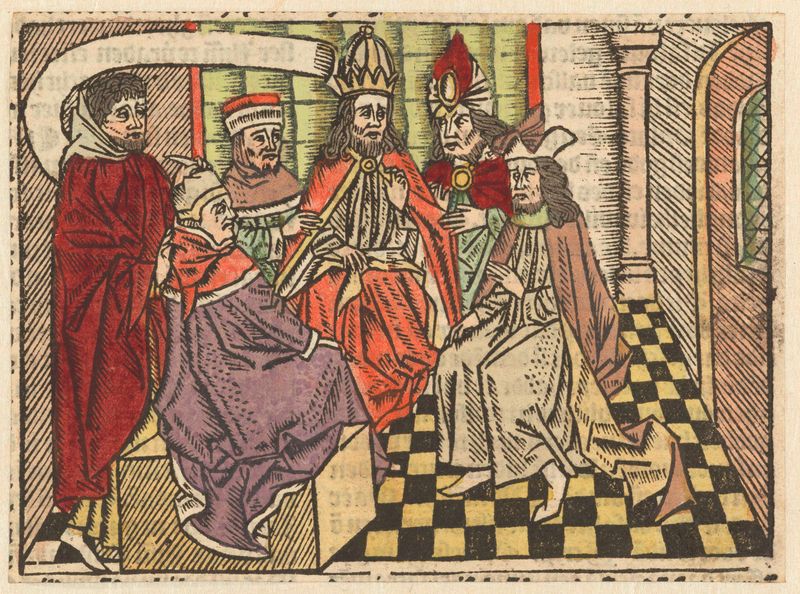
Judas bij de hogepriesters om Christus te verraden
Meester van Antwerpen (I)





