
Opwekking van de zoon van de weduwe van Nain — History & Facts
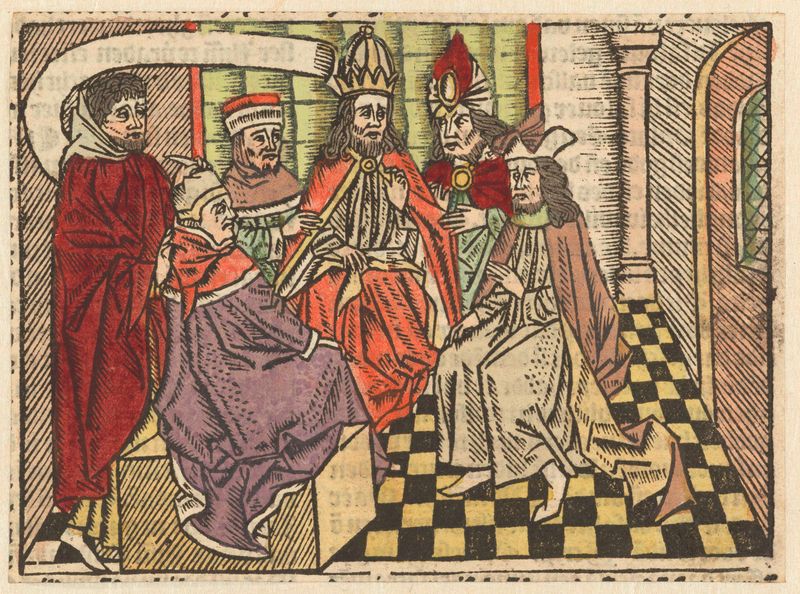
Who listens when art speaks of silence? In the stillness captured within this poignant moment, echoes of violence linger beneath the surface, waiting to be unearthed. The viewer is invited into a narrative that bridges life and death, where the weight of grief and the promise of resurrection intertwine. Look to the forefront of the composition, where the widow's anguished expression draws you in. The meticulous attention to her flowing garments enhances the drama, as the folds seem to whisper tales of despair.
Notice how the cool, muted palette emphasizes the somber atmosphere, while the warm light illuminating the figure of Christ offers a glimpse of hope amidst the surrounding darkness. Every figure is positioned with intent, creating a dynamic tension that reverberates throughout the scene. The contrasts in this work are striking. The widow’s deep sorrow is juxtaposed with the calm determination of Christ, who stands as a beacon of solace.
Yet, as one observes the background figures, the tension of unspoken anguish and expectation fills the air. It becomes evident that this moment is not solely about a miracle; it reflects broader themes of loss, violence, and the fragile thread between despair and renewal. Created between 1485 and 1491, this piece reflects the evolving perspectives of the late Gothic era, a time marked by an increasing interest in human emotion within religious narratives. Meester van Antwerpen, active in the Northern Renaissance, infused his canvases with rich symbolism and an awareness of the human condition, mirroring societal upheavals as Europe grappled with transition and transformation in both faith and art.
More Artworks by Meester van Antwerpen (I)
Browse all →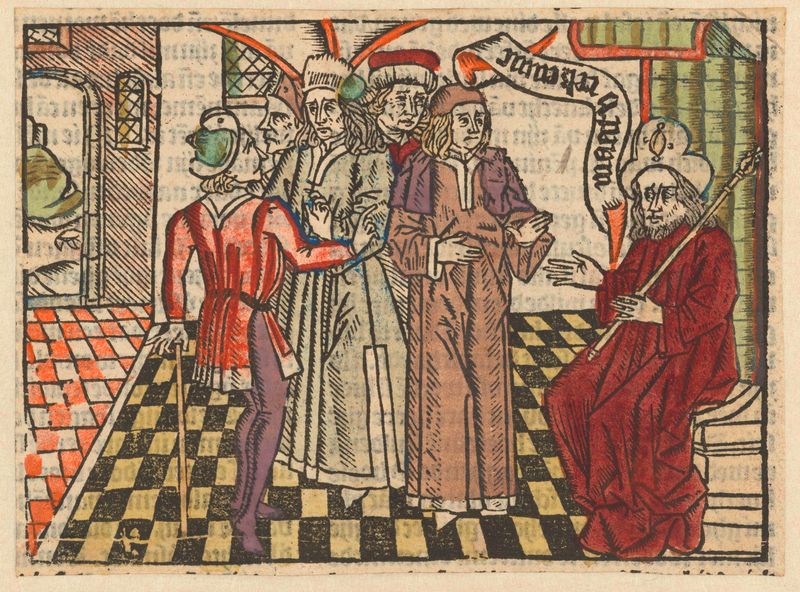
Parabel van de koning en de dienaar die geen vergiffenis schonk
Meester van Antwerpen (I)
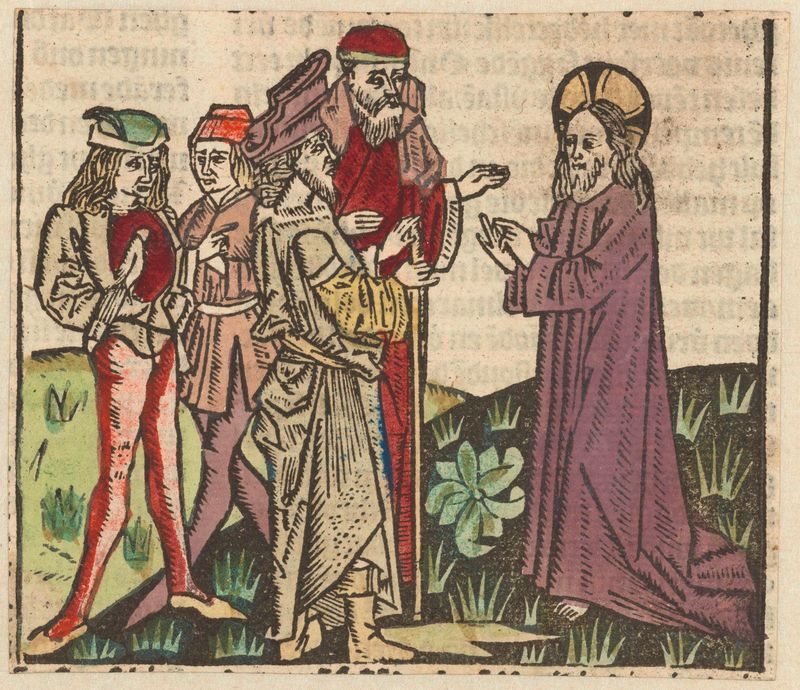
Christus in gesprek met Nicodemus
Meester van Antwerpen (I)
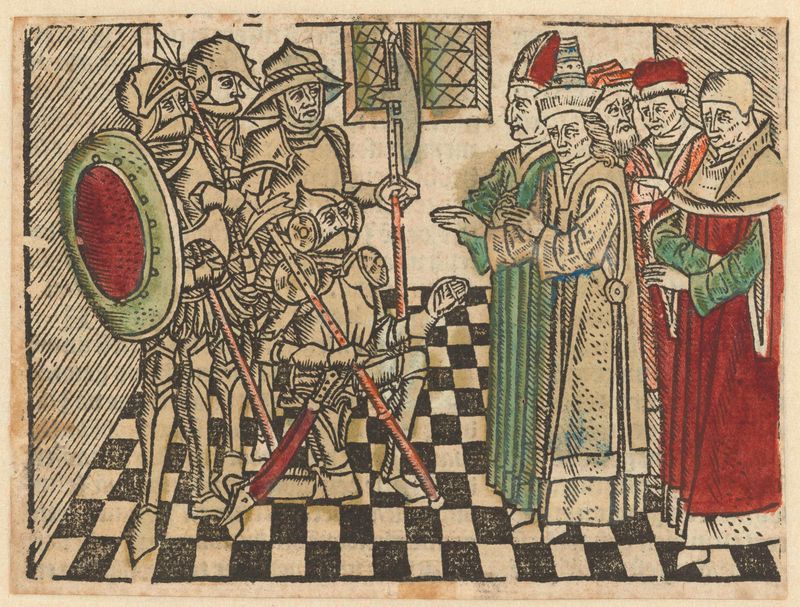
Soldaten berichten de hoge priesters dat Christus is herrezen
Meester van Antwerpen (I)
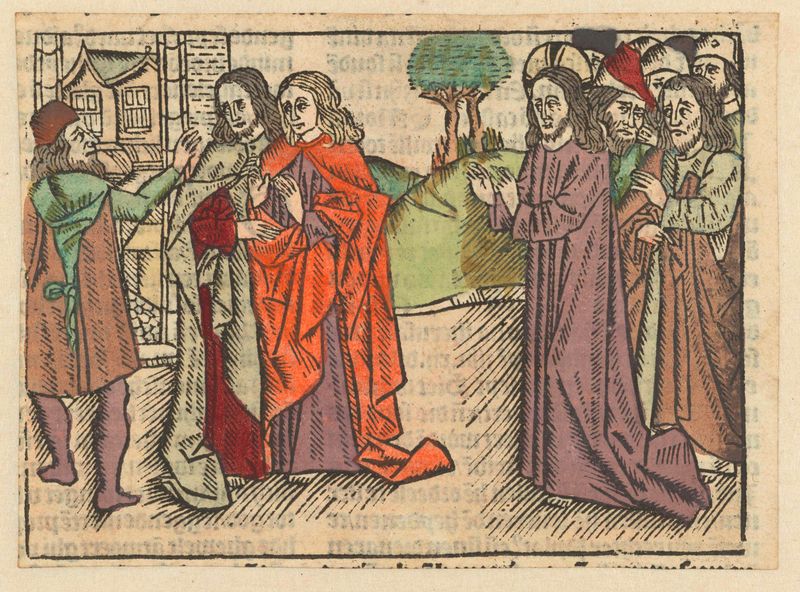
Een Samaritaan weigert Christus te ontvangen
Meester van Antwerpen (I)
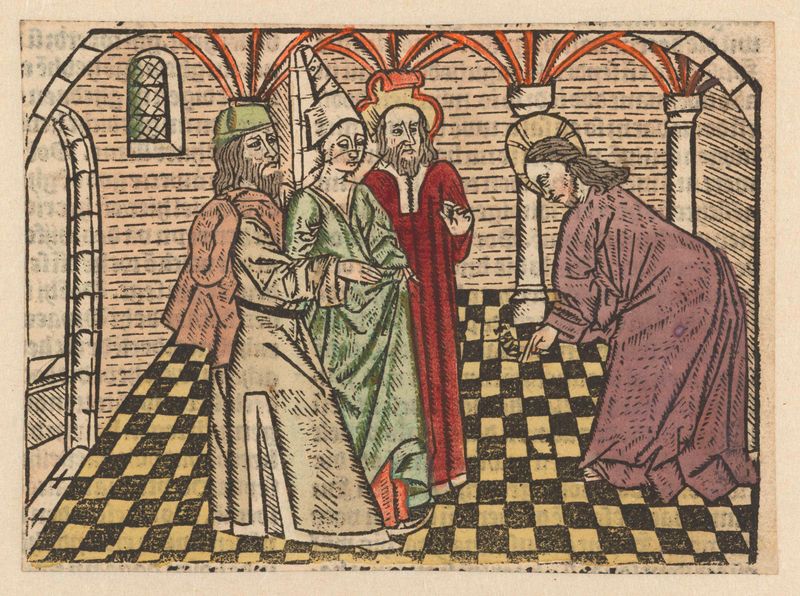
Christus en de overspelige vrouw
Meester van Antwerpen (I)
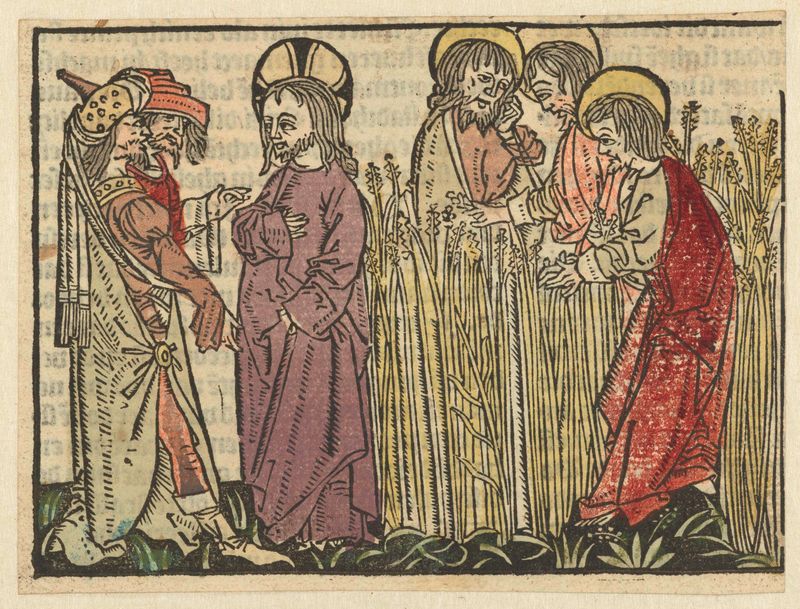
De discipelen plukken en eten aren op de sabbat
Meester van Antwerpen (I)
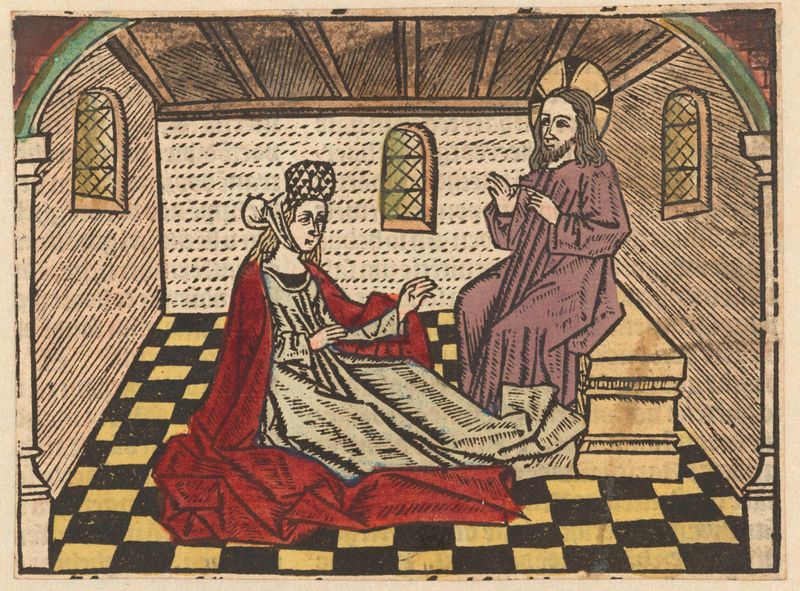
Maria Magdalena luistert naar Christus en bekeert zich
Meester van Antwerpen (I)
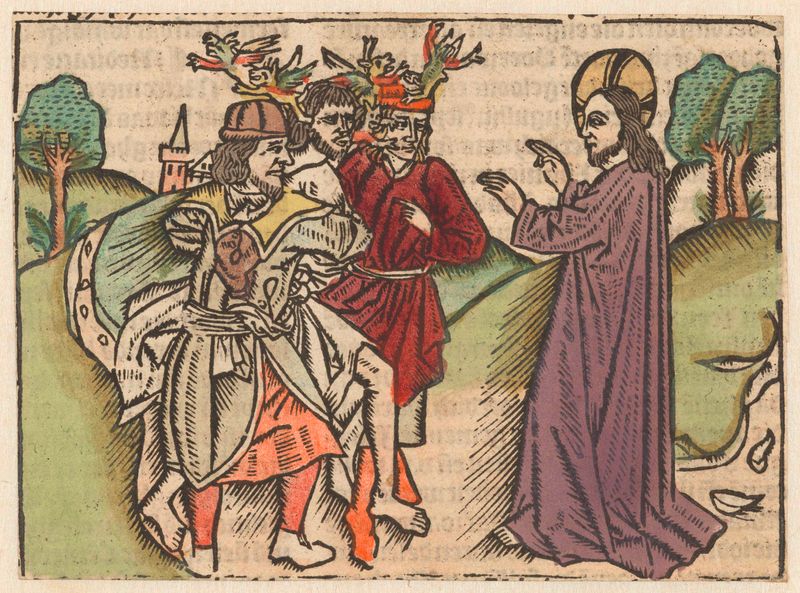
Christus geneest de bezeten man die niet kon spreken
Meester van Antwerpen (I)
Judas bij de hogepriesters om Christus te verraden
Meester van Antwerpen (I)

Parabel van de werkers in de wijngaarde
Meester van Antwerpen (I)
More Religious Art
Browse all →
The Return of the Prodigal Son
Rembrandt van Rijn

The Garden of Earthly Delights
El Bosco

Count Orgaz’ funeral
El Greco

The Hundred Guilder Print: the central piece with Christ preaching, the plate arched
Rembrandt van Rijn

The Descent from the Cross
Rogier van der Weyden

The return of the prodigal son
Rembrandt van Rijn