
Judas bij de hogepriesters om Christus te verraden — History & Facts
In the hush of judgment, where betrayal and devotion collide, a moment hangs suspended, heavy with consequence and awe. Look to the center of the canvas, where the figures converge, the high priest’s menacing gaze locked upon Judas. The somber palette of dark greens and browns cradles the tension, while the interplay of light illuminates Judas's conflicted expression. Notice how the delicate stroke of the painter’s brush captures the weight of anticipation; the gold accents on the priest's garments create an imposing contrast against the drab surroundings, suggesting the allure of power that seduces Judas towards his fateful choice. In this tableau, the viewer senses the duality of loyalty and treachery.
Judas’s posture speaks volumes, a twist of pain and resignation as he clutches the bag of silver, symbolizing his betrayal. The surrounding figures—hushed, expectant—echo the severity of his decision, suggesting that even in darkness, the light of awareness flickers. The tension in their expressions captures the moment just before the irrevocable act, deeply resonating with the struggle between moral integrity and temptation. The artist created this profound work between 1485 and 1491, during a period marked by the transition from Gothic to the early Renaissance.
Emerging from the vibrant artistic circles of Antwerp, he navigated a world brimming with spiritual exploration and humanistic ideals, shaping a narrative that would invite viewers to reflect on their own choices in a world often governed by the shadows of betrayal.
More Artworks by Meester van Antwerpen (I)
Browse all →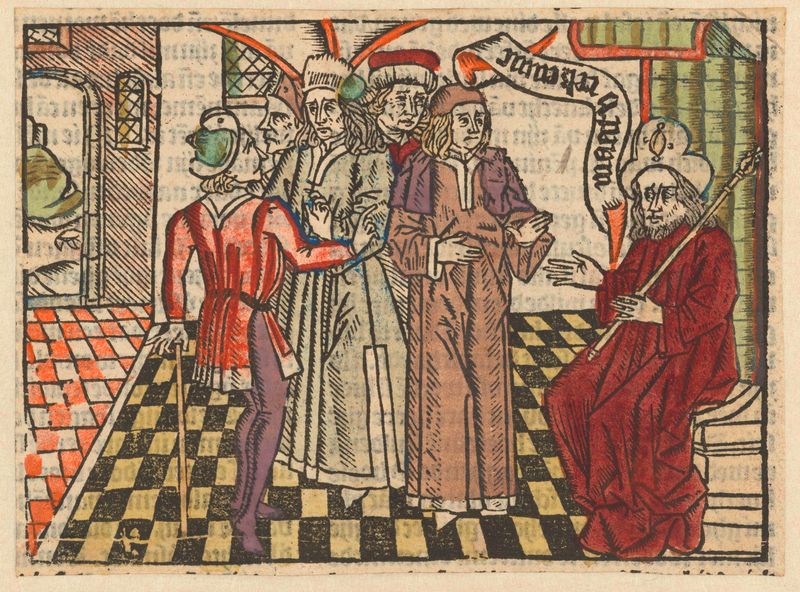
Parabel van de koning en de dienaar die geen vergiffenis schonk
Meester van Antwerpen (I)
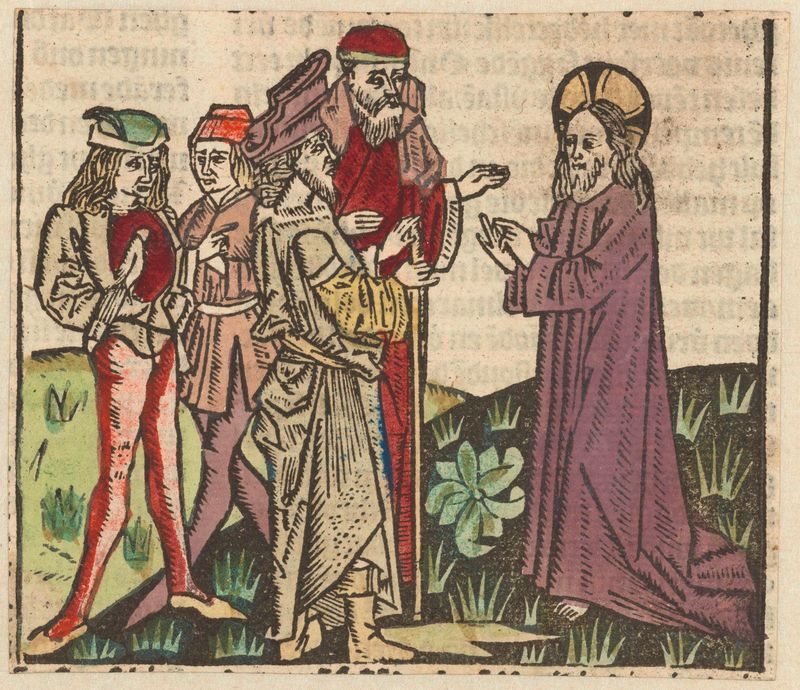
Christus in gesprek met Nicodemus
Meester van Antwerpen (I)
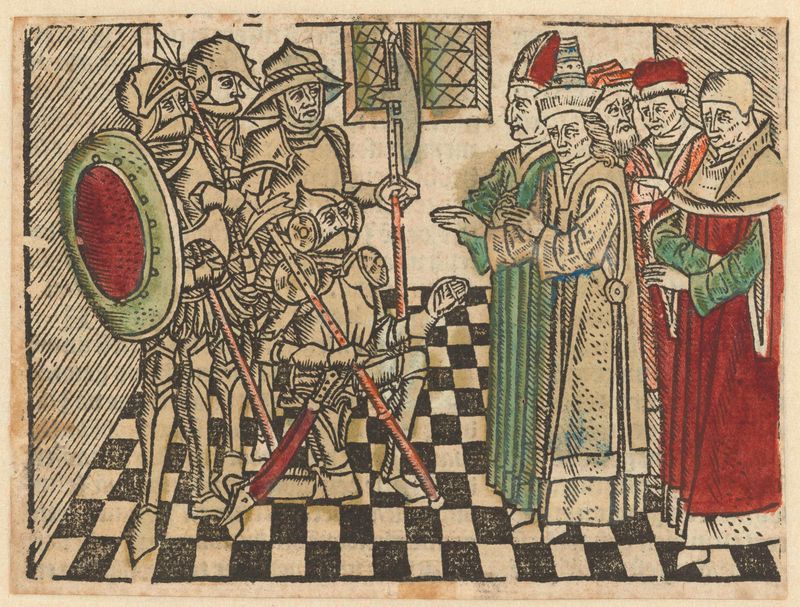
Soldaten berichten de hoge priesters dat Christus is herrezen
Meester van Antwerpen (I)
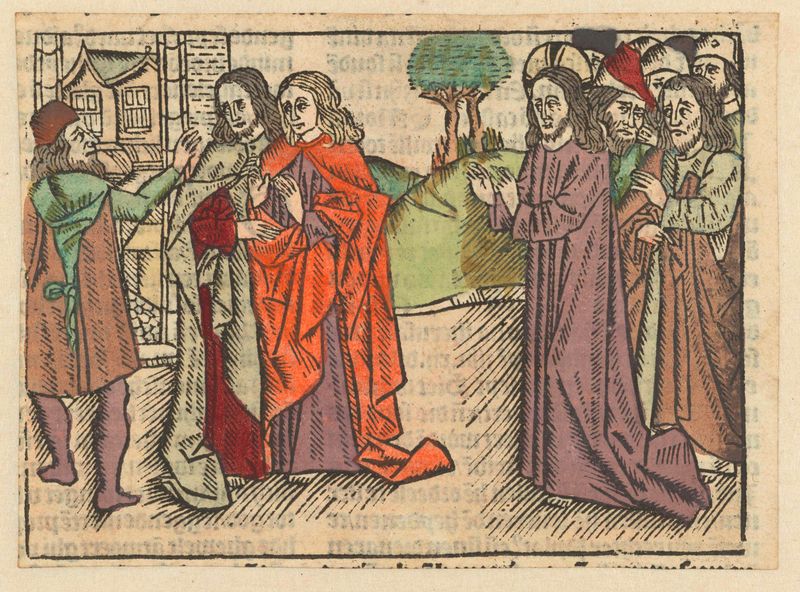
Een Samaritaan weigert Christus te ontvangen
Meester van Antwerpen (I)
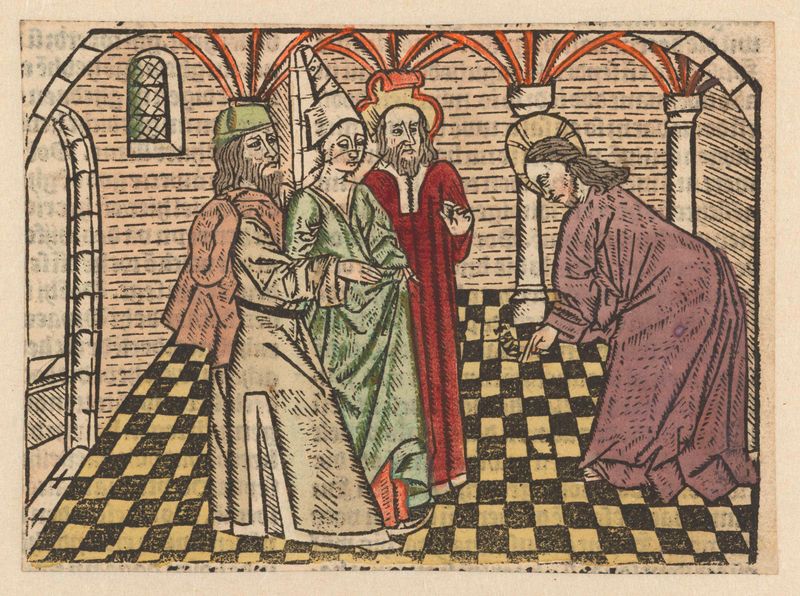
Christus en de overspelige vrouw
Meester van Antwerpen (I)
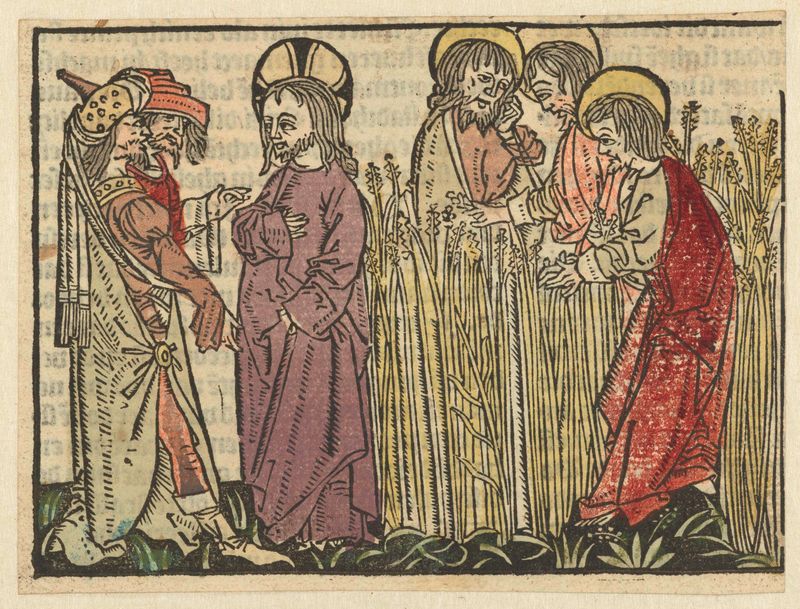
De discipelen plukken en eten aren op de sabbat
Meester van Antwerpen (I)
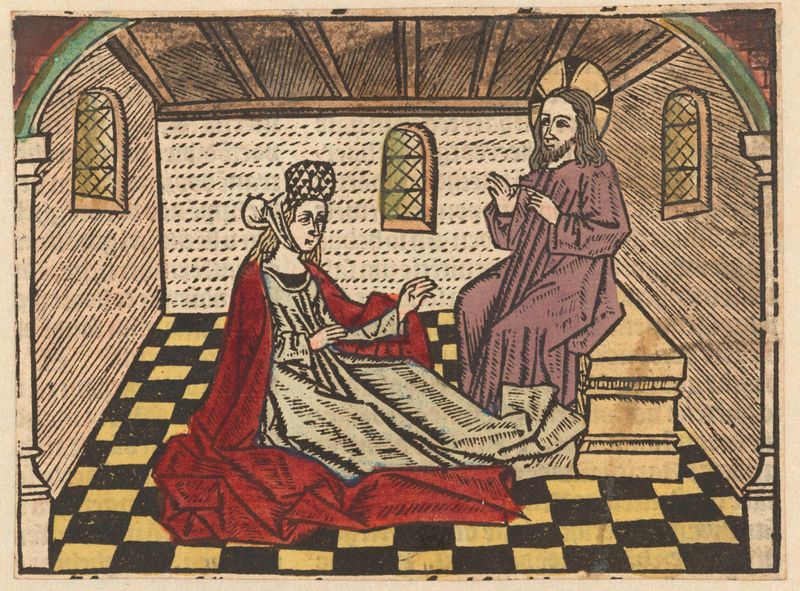
Maria Magdalena luistert naar Christus en bekeert zich
Meester van Antwerpen (I)
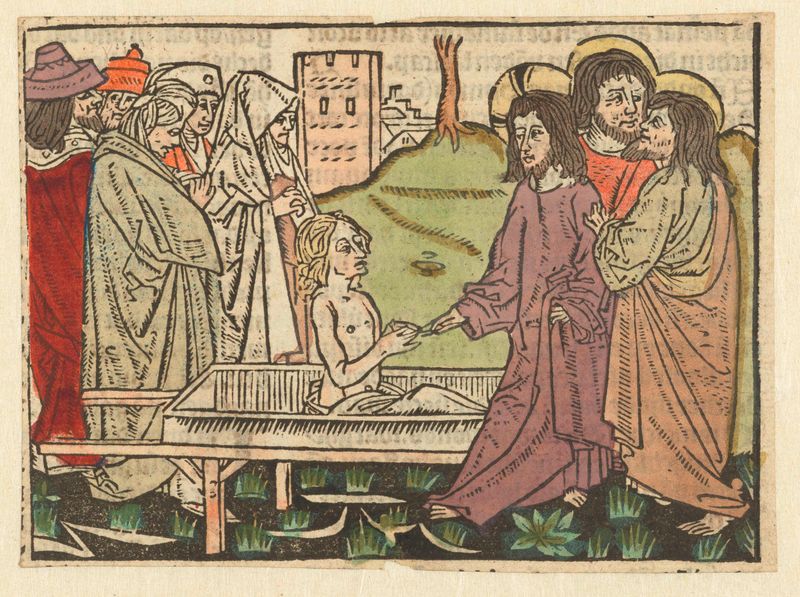
Opwekking van de zoon van de weduwe van Nain
Meester van Antwerpen (I)
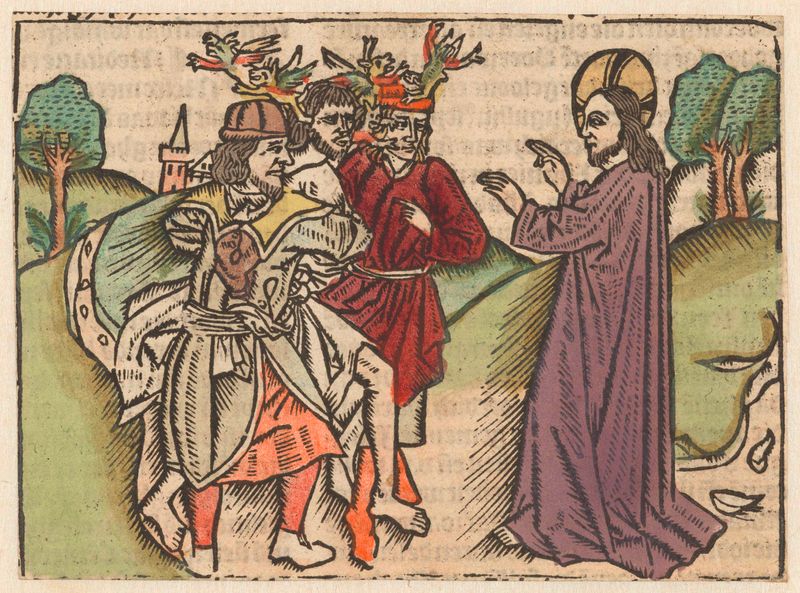
Christus geneest de bezeten man die niet kon spreken
Meester van Antwerpen (I)

Parabel van de werkers in de wijngaarde
Meester van Antwerpen (I)
More Religious Art
Browse all →
The Return of the Prodigal Son
Rembrandt van Rijn

The Garden of Earthly Delights
El Bosco

Count Orgaz’ funeral
El Greco

The Hundred Guilder Print: the central piece with Christ preaching, the plate arched
Rembrandt van Rijn

The Descent from the Cross
Rogier van der Weyden

The return of the prodigal son
Rembrandt van Rijn