
Maria Magdalena luistert naar Christus en bekeert zich — History & Facts
Could beauty survive in a century of chaos? In Maria Magdalena luistert naar Christus en bekeert zich, we are drawn into a moment where vulnerability meets divine revelation. Focus on the central figure of Mary Magdalene, her brow furrowed in contemplation, as she listens intently to the figure of Christ, who is enveloped in a soft halo of light. The artist employs a subtle palette of muted earth tones, allowing the gentle highlights of gold to create a divine glow that radiates from Christ’s presence. Notice how the light falls upon Mary’s face, illuminating her conflicted emotions, while shadow plays across the background, echoing the tumult of her past.
The composition guides the eye inward, as their gazes create a palpable connection, bridging the sacred and the human experience. Delve deeper, and you will find layers of meaning that evoke both fear and hope. Mary’s posture conveys both surrender and resistance, suggesting an inner struggle between her past transgressions and the promise of redemption. The delicate interplay of light and shadow reflects the tension of her transformation, emphasizing the fragile balance between despair and salvation.
The artist carefully places details, like the lilies at her feet, symbolizing purity, hinting at the possibility that beauty can emerge from a soul marred by chaos. Created between 1485 and 1491, this work emerged during a time of significant religious upheaval in Europe. The artist, known as Meester van Antwerpen, painted in the context of burgeoning humanism and the shifting tides of spirituality. As society grappled with emerging Renaissance ideals, this piece serves as a reflection of the era’s complex struggle between faith, fear, and the profound desire for beauty amidst uncertainty.
More Artworks by Meester van Antwerpen (I)
Browse all →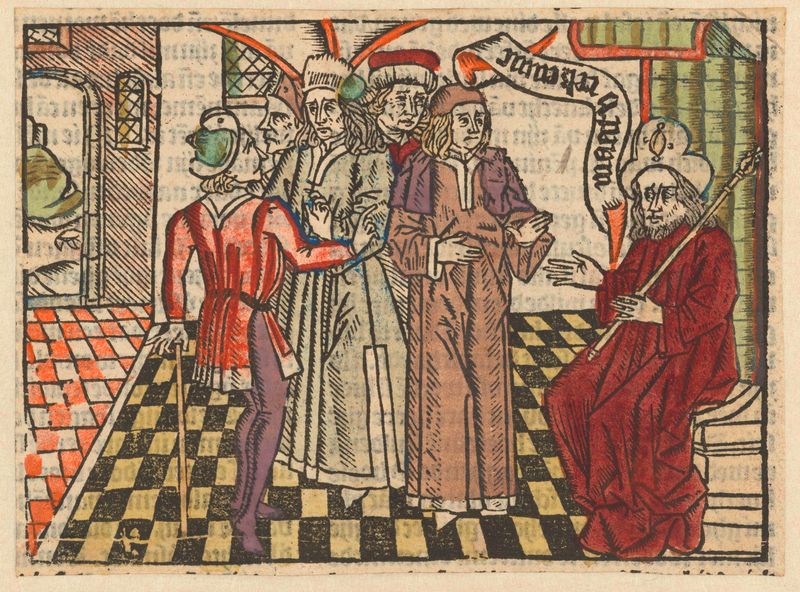
Parabel van de koning en de dienaar die geen vergiffenis schonk
Meester van Antwerpen (I)
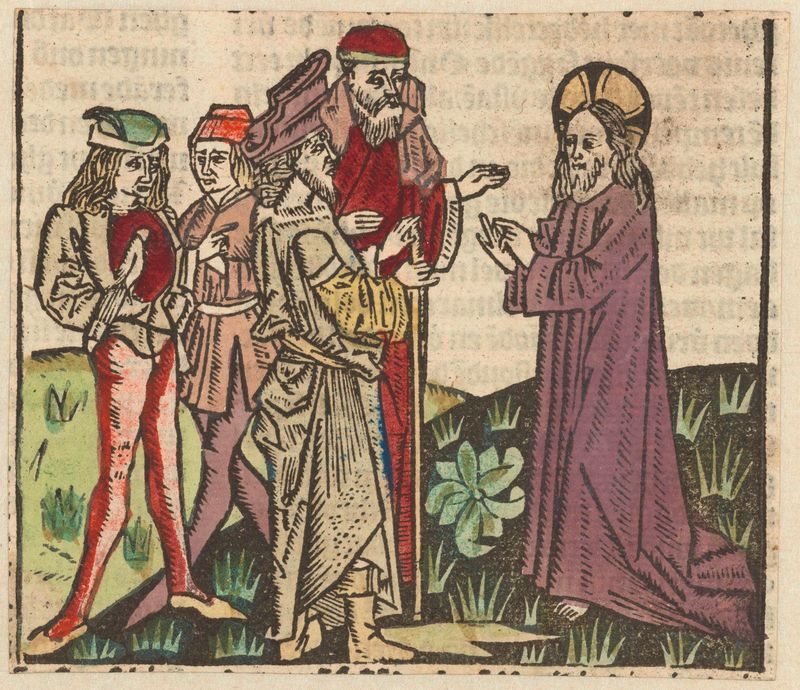
Christus in gesprek met Nicodemus
Meester van Antwerpen (I)
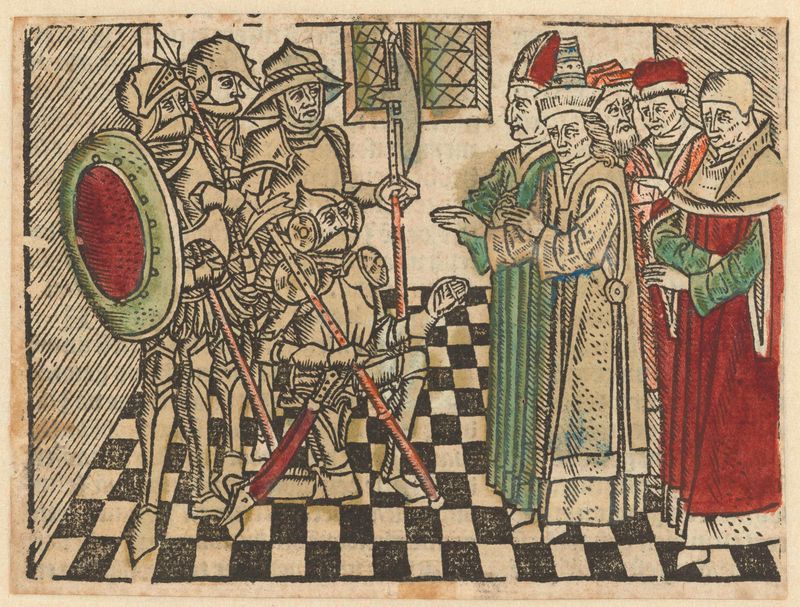
Soldaten berichten de hoge priesters dat Christus is herrezen
Meester van Antwerpen (I)
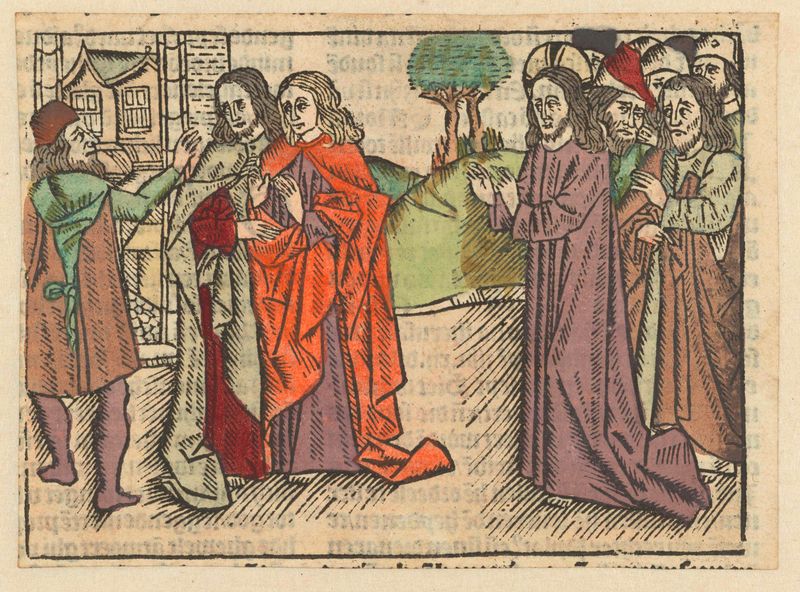
Een Samaritaan weigert Christus te ontvangen
Meester van Antwerpen (I)
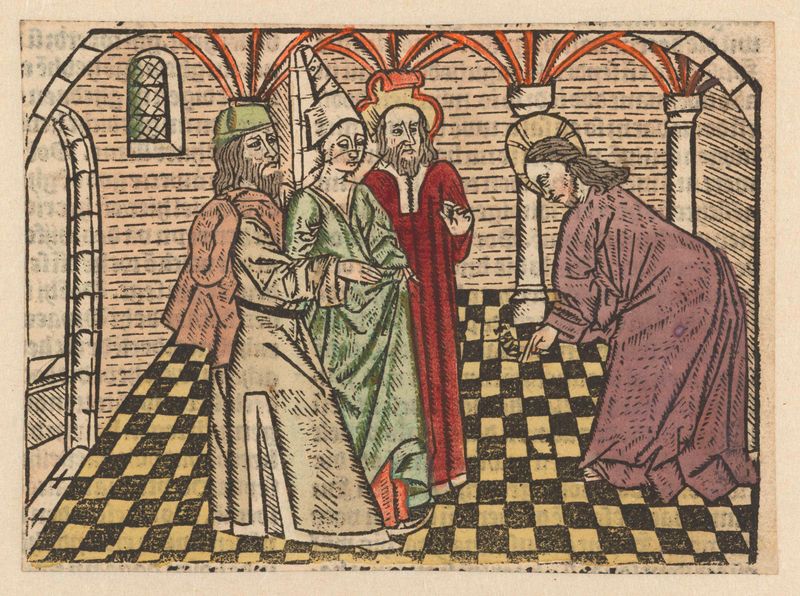
Christus en de overspelige vrouw
Meester van Antwerpen (I)
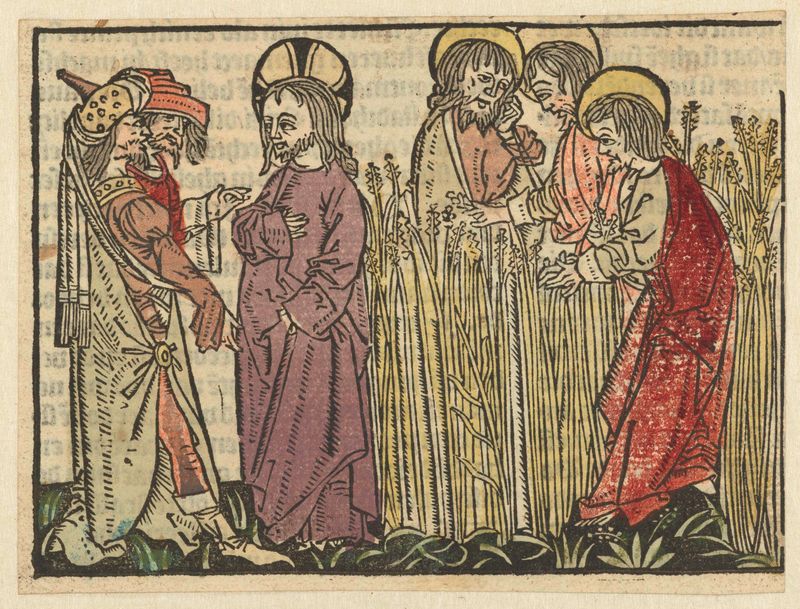
De discipelen plukken en eten aren op de sabbat
Meester van Antwerpen (I)
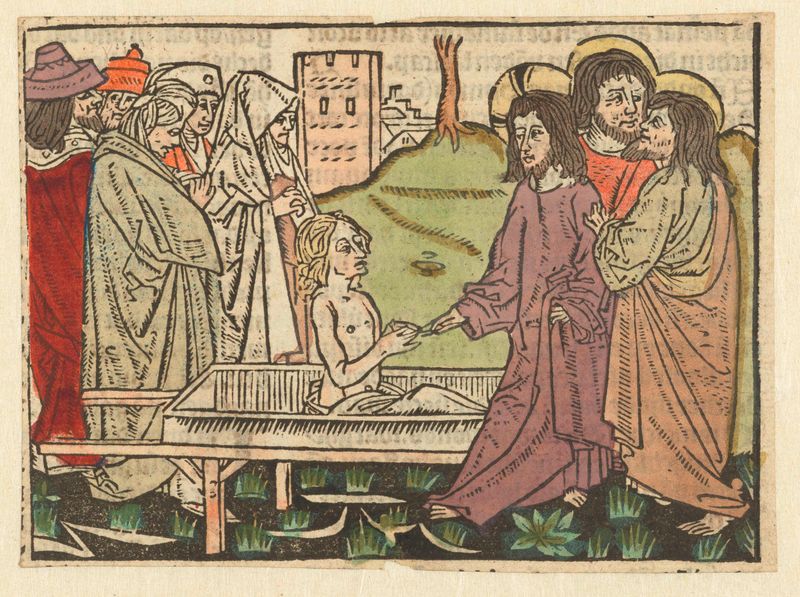
Opwekking van de zoon van de weduwe van Nain
Meester van Antwerpen (I)
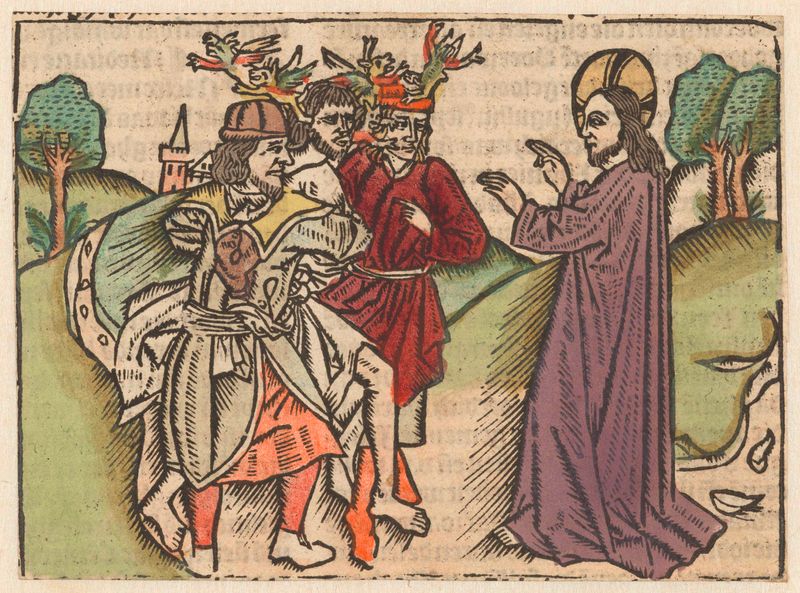
Christus geneest de bezeten man die niet kon spreken
Meester van Antwerpen (I)
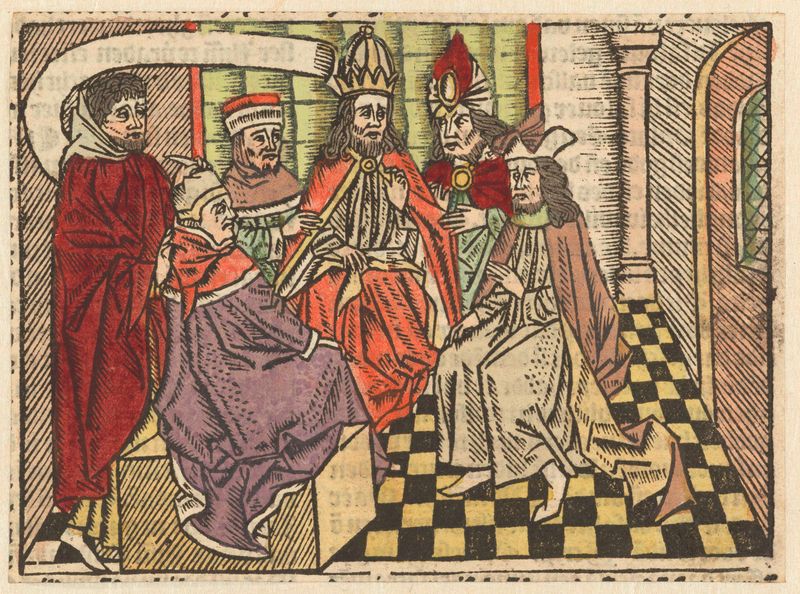
Judas bij de hogepriesters om Christus te verraden
Meester van Antwerpen (I)

Parabel van de werkers in de wijngaarde
Meester van Antwerpen (I)
More Religious Art
Browse all →
The Return of the Prodigal Son
Rembrandt van Rijn

The Garden of Earthly Delights
El Bosco

Count Orgaz’ funeral
El Greco

The Hundred Guilder Print: the central piece with Christ preaching, the plate arched
Rembrandt van Rijn

The Descent from the Cross
Rogier van der Weyden

The return of the prodigal son
Rembrandt van Rijn