
De discipelen plukken en eten aren op de sabbat — History & Facts
Who listens when art speaks of silence? In a world where voices often drown out the stillness, the profound simplicity of a moment can transform our understanding of faith and daily life. Focus on the central figures, deeply engaged in their task. Notice how the warm, golden hues envelop them, suggesting the warmth of the sun on that sacred Sabbath day. The figures are harmoniously arranged, forming a triangle that draws the viewer's eye to the act of gathering, an assertion of sustenance and community.
The subtle details of their clothing, richly colored yet worn, speak of humanity and the toil of the everyday. Delve into the contrasts present in this scene: the quiet labor against the backdrop of divine law, the joy of sustenance interlaced with the weight of tradition. The three disciples, absorbed in their task, embody the tension between duty and desire, reverence and need. Each ear of grain, captured with meticulous attention, holds the promise of nourishment, representing both the physical and spiritual sustenance the Sabbath offers to the faithful. The artist, working in the late 15th century in Flanders, painted this piece during a time of significant religious and social transformation.
The Northern Renaissance was in full bloom, emphasizing humanism and the sacredness of everyday life. This period saw a flourishing of art that sought to bridge the gap between divine narratives and the tangible experiences of the people, a dialogue that resonates powerfully in this work.
More Artworks by Meester van Antwerpen (I)
Browse all →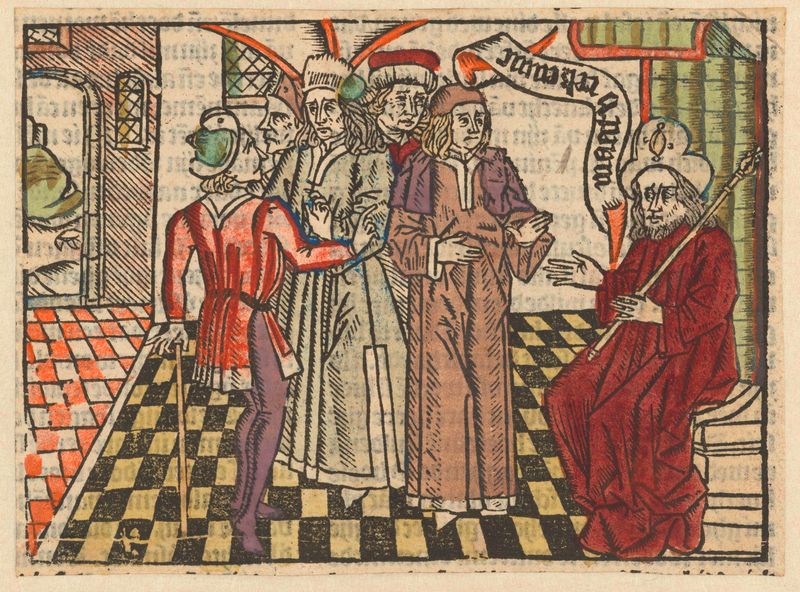
Parabel van de koning en de dienaar die geen vergiffenis schonk
Meester van Antwerpen (I)
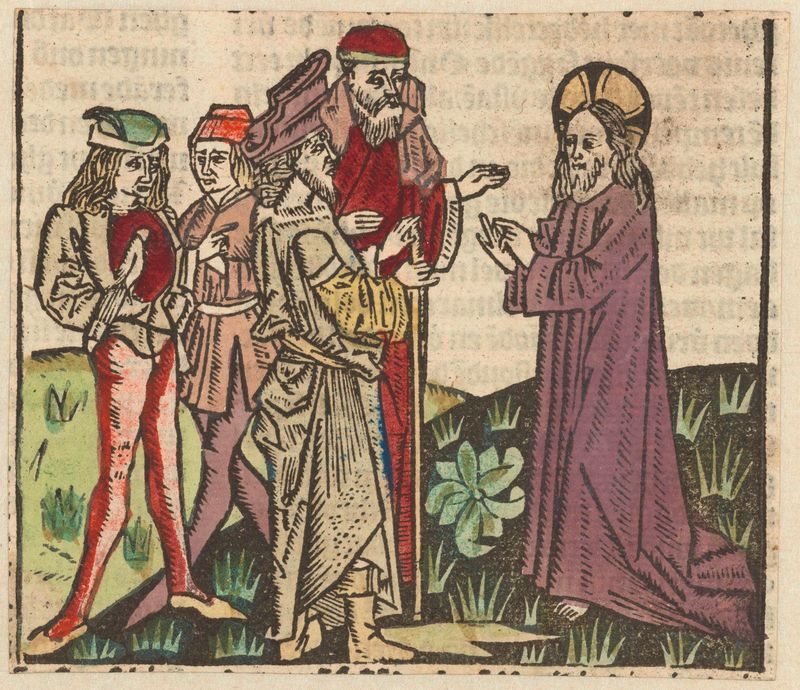
Christus in gesprek met Nicodemus
Meester van Antwerpen (I)
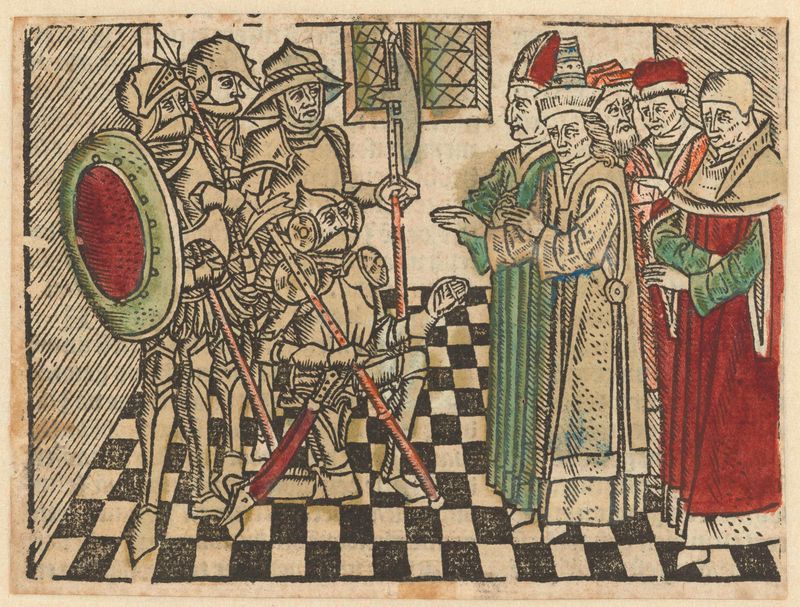
Soldaten berichten de hoge priesters dat Christus is herrezen
Meester van Antwerpen (I)
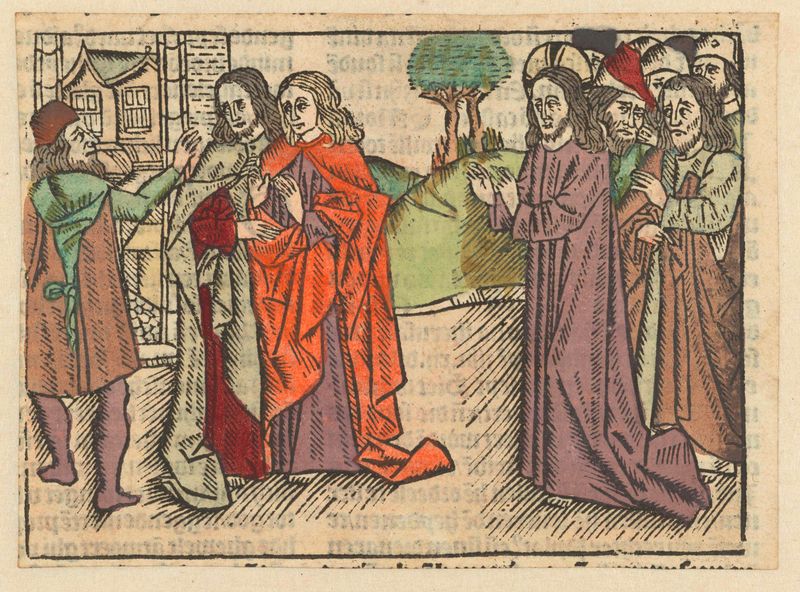
Een Samaritaan weigert Christus te ontvangen
Meester van Antwerpen (I)
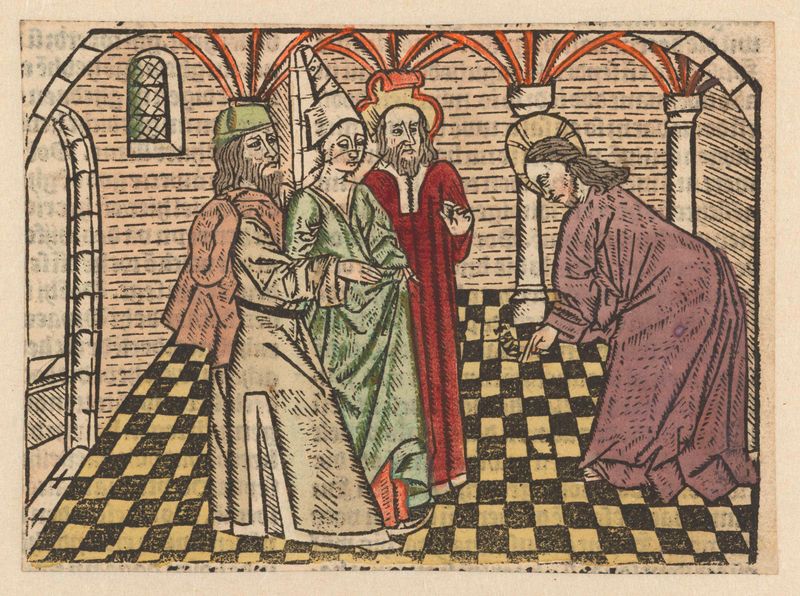
Christus en de overspelige vrouw
Meester van Antwerpen (I)
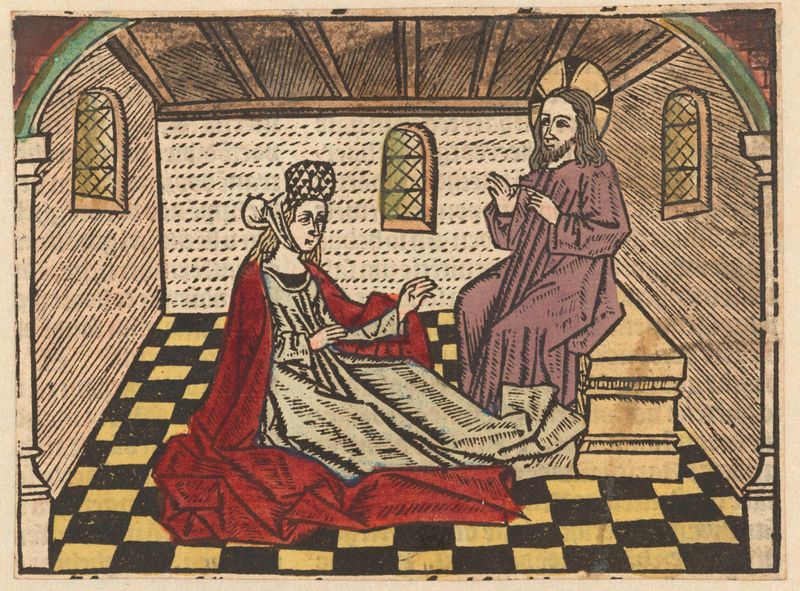
Maria Magdalena luistert naar Christus en bekeert zich
Meester van Antwerpen (I)
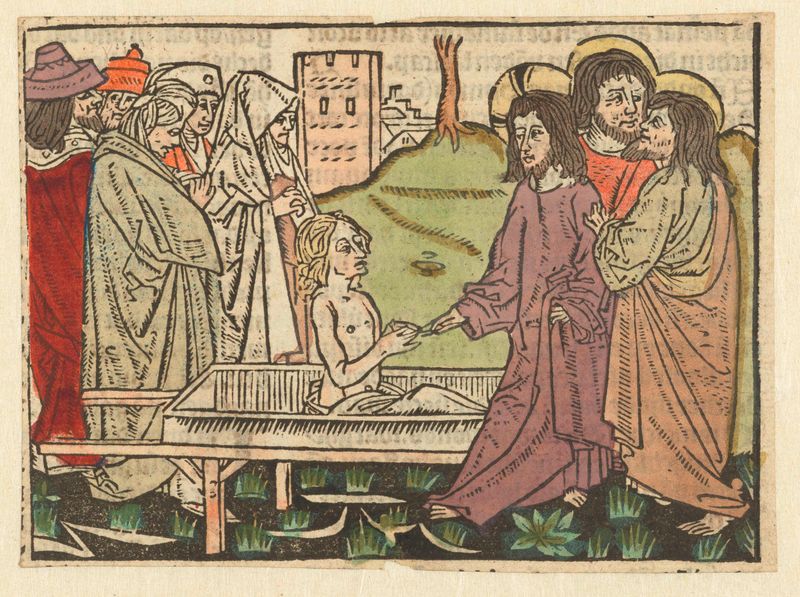
Opwekking van de zoon van de weduwe van Nain
Meester van Antwerpen (I)
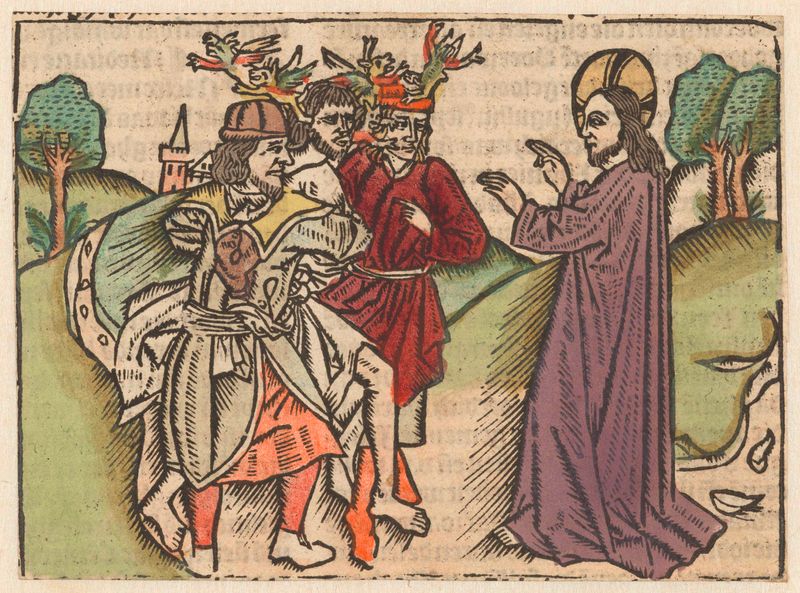
Christus geneest de bezeten man die niet kon spreken
Meester van Antwerpen (I)
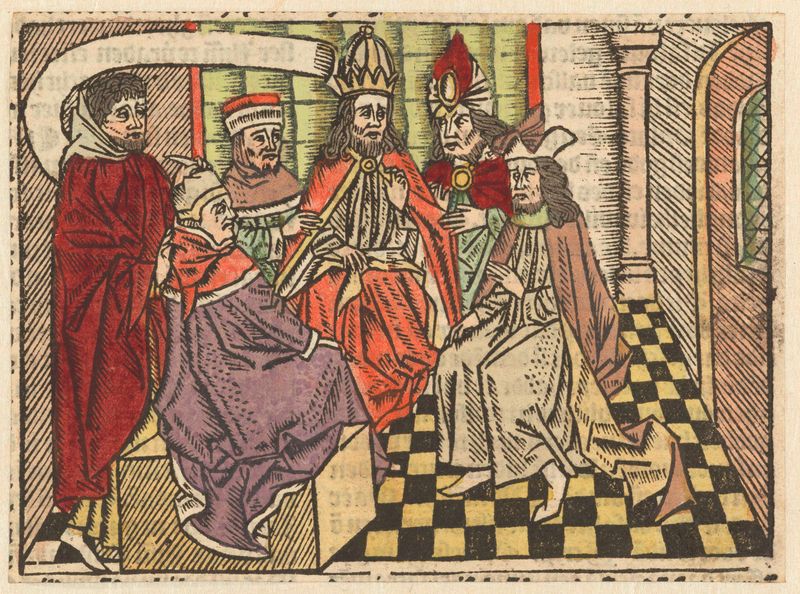
Judas bij de hogepriesters om Christus te verraden
Meester van Antwerpen (I)

Parabel van de werkers in de wijngaarde
Meester van Antwerpen (I)
More Religious Art
Browse all →
The Return of the Prodigal Son
Rembrandt van Rijn

The Garden of Earthly Delights
El Bosco

Count Orgaz’ funeral
El Greco

The Hundred Guilder Print: the central piece with Christ preaching, the plate arched
Rembrandt van Rijn

The Descent from the Cross
Rogier van der Weyden

The return of the prodigal son
Rembrandt van Rijn