
Christus en de overspelige vrouw — History & Facts
Can beauty exist without sorrow? In Georg Pencz's Christus en de overspelige vrouw, the answer is both elusive and profound, revealing the intricate dance between redemption and despair. Focus on the figure of Christ at the center, his expression imbued with both compassion and authority, capturing the viewer’s attention immediately. Notice how the rich, muted earth tones envelop the scene, creating a somber yet contemplative atmosphere. The interplay of light and shadow accentuates the tension in the woman's posture, her head bowed in shame, contrasting with Christ's unwavering gaze that suggests hope and forgiveness. Hidden beneath the surface lies a complex web of emotions.
The woman's despair is palpable, yet her vulnerability invites empathy, making her sin almost secondary to her humanity. The surrounding figures, with their varied expressions, highlight societal judgment and the moral struggles of the era, subtly reminding viewers of the potential for grace even in the midst of wrongdoing. Each detail, from the delicate folds of the woman's garment to the surrounding onlookers, contributes to a powerful narrative of understanding amidst condemnation. Created between 1544 and 1548, this painting reflects Pencz's life during a period marked by religious upheaval and the exploration of moral themes in art.
Working in Nuremberg, he was influenced by the Reformation's challenge to conventional narratives, striving to articulate complex human emotions through his work. This piece stands as a testament to his mastery in merging beauty with moral inquiry, inviting contemplation on the nature of sin and redemption.
More Artworks by Georg Pencz
Browse all →
Parabel van de zaaier
Georg Pencz

Parabel van de arbeiders in de wijngaard
Georg Pencz
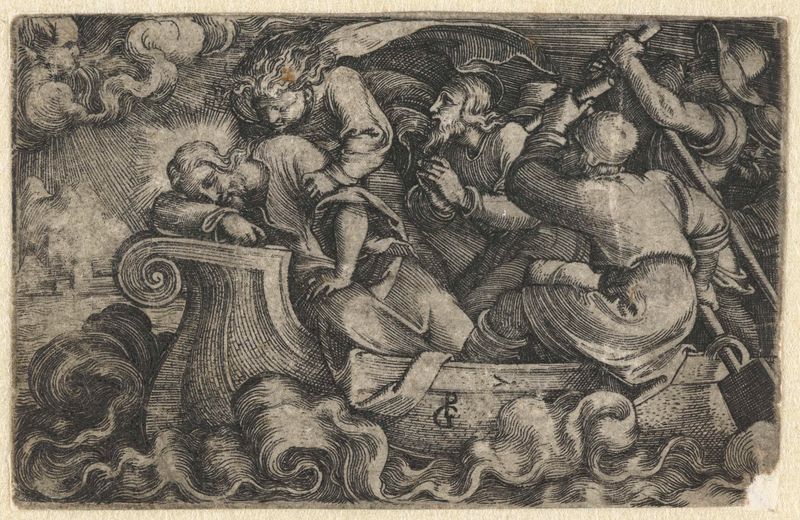
Discipelen wekken slapende Christus tijdens storm op Meer van Galilea
Georg Pencz

Afgunst (Invidia)
Georg Pencz
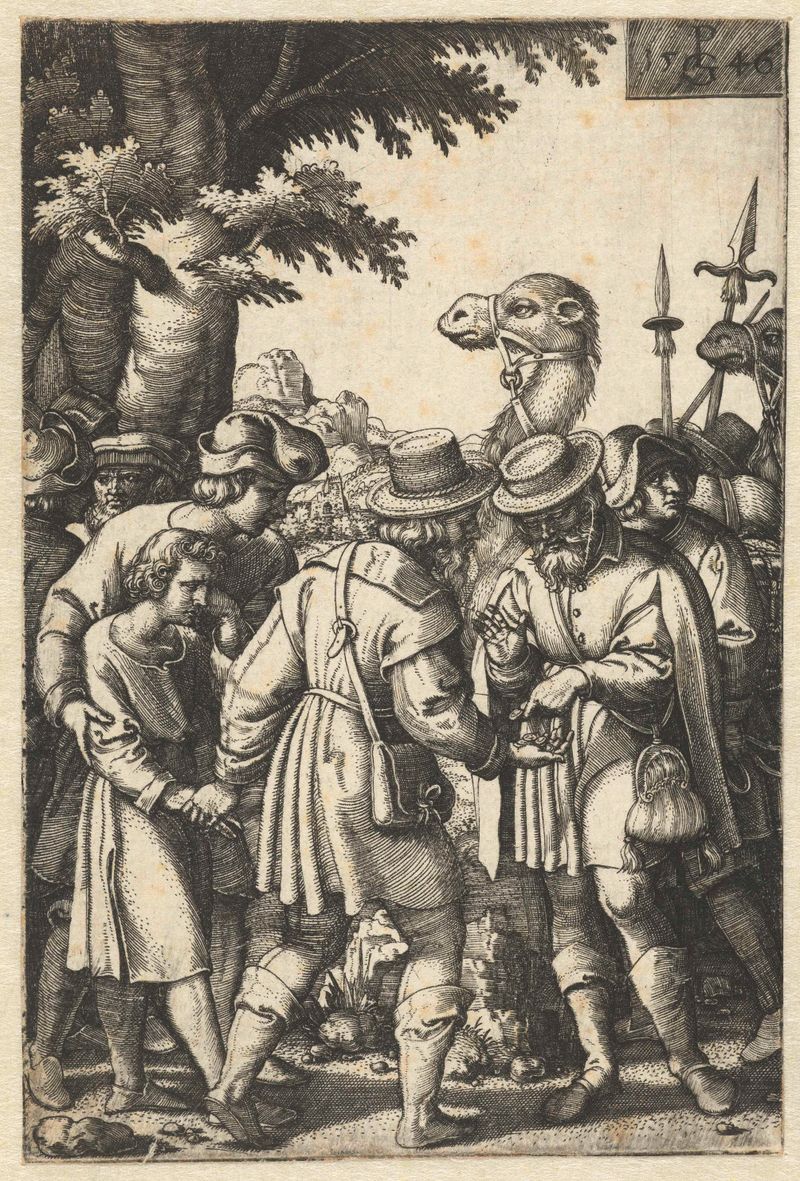
Jozef wordt verkocht aan kooplieden op weg naar Egypte
Georg Pencz

Aanbidding der koningen
Georg Pencz
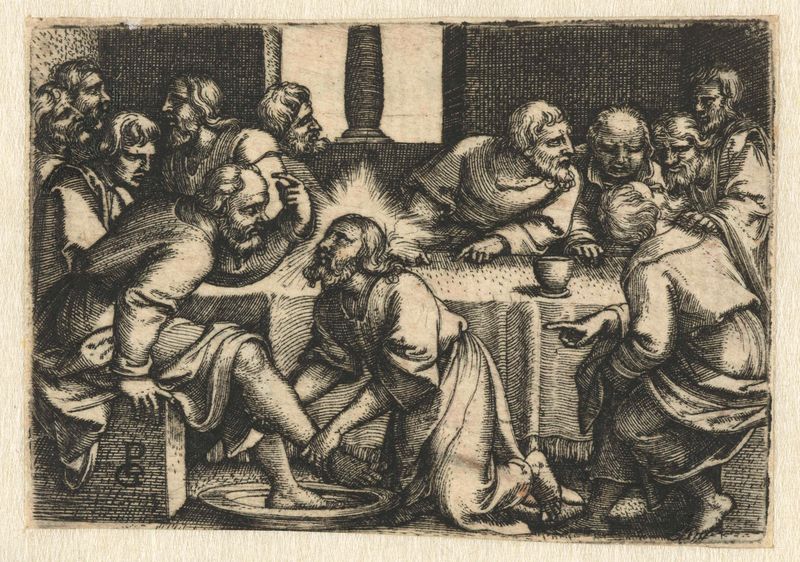
Petrus protesteert als Christus zijn voeten wast
Georg Pencz
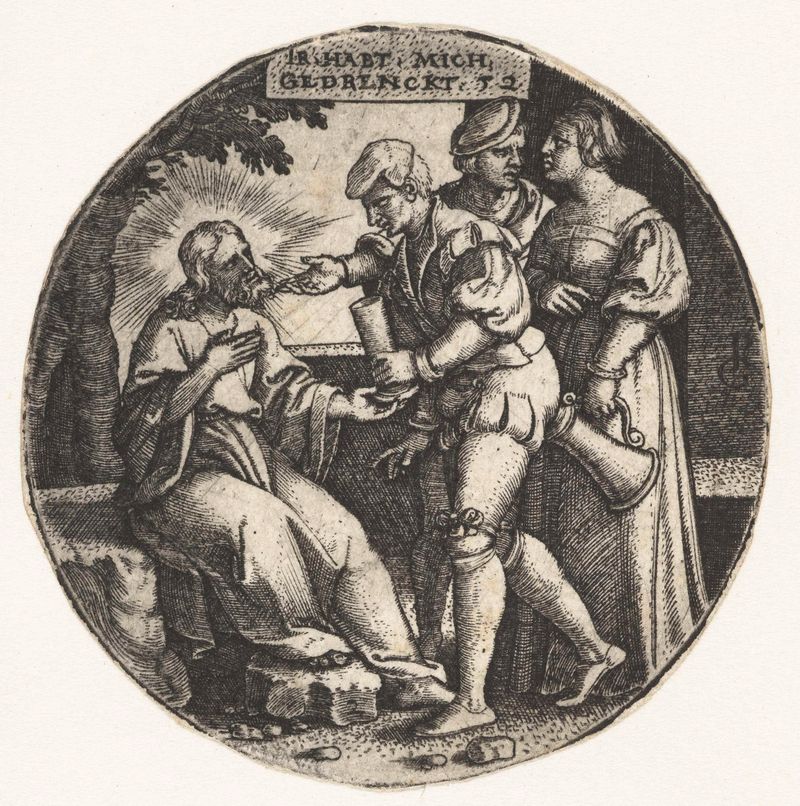
Christus heeft dorst en krijgt drinken aangeboden
Georg Pencz
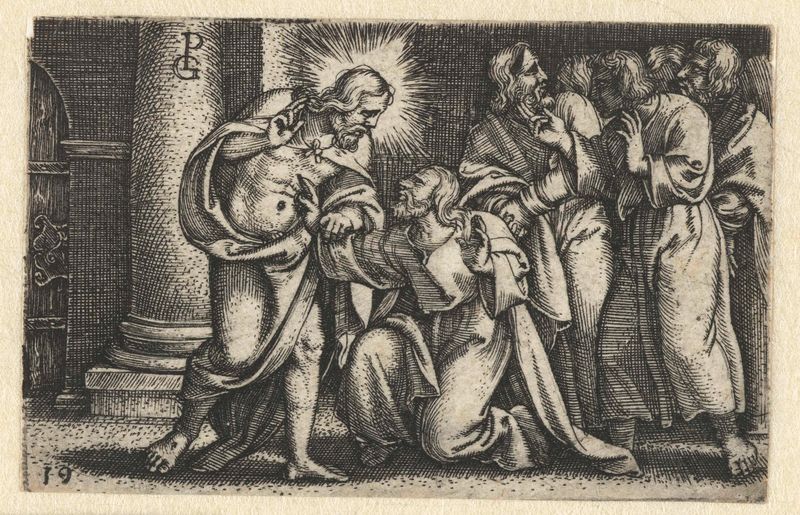
Ongelovige Thomas raakt wonden Christus aan
Georg Pencz

Offer van Abraham van Isaak
Georg Pencz
More Religious Art
Browse all →
The Return of the Prodigal Son
Rembrandt van Rijn

The Garden of Earthly Delights
El Bosco

Count Orgaz’ funeral
El Greco

The Hundred Guilder Print: the central piece with Christ preaching, the plate arched
Rembrandt van Rijn

The Descent from the Cross
Rogier van der Weyden

The return of the prodigal son
Rembrandt van Rijn