
Christus en de Samaritaanse vrouw — History & Facts
In the quiet corners of existence, divine encounters often unfold in the most unexpected places. This painting captures such a moment, reflecting the profound exchange between humanity and the sacred. Look to the center, where the figures of Christ and the Samaritan woman share an intimate dialogue, framed by the soft hues of the landscape. The figures are rendered with meticulous detail, their expressions conveying a blend of curiosity and revelation.
Notice the gentle interplay of light and shadow, highlighting the contours of their dress and the serene nature surrounding them. The warm earth tones evoke a sense of groundedness, while subtle touches of blue in the background hint at spirituality and the divine. Within this moment, we uncover layers of meaning: the contrast between knowledge and ignorance, acceptance and rejection. The woman's posture, slightly leaning forward, signifies openness and inquiry, while Christ’s calm demeanor exudes authority and compassion.
The water jar at her side symbolizes both physical thirst and the deeper spiritual longing to understand one's place in the world. Each element embodies a dialogue that transcends time, inviting viewers to reflect on their own spiritual quests. Created during the early 16th century, this work emerged from the hands of Lucas Cranach the Elder while he was in Wittenberg, a hub for Reformation thought. Influenced by both humanism and the emerging Protestant movement, Cranach’s art often melded sacred themes with human experiences.
This piece, like many of his works, captures a moment of divine interaction that challenges and inspires, resonating with viewers through the ages.
More Artworks by Lucas Cranach (I)
Browse all →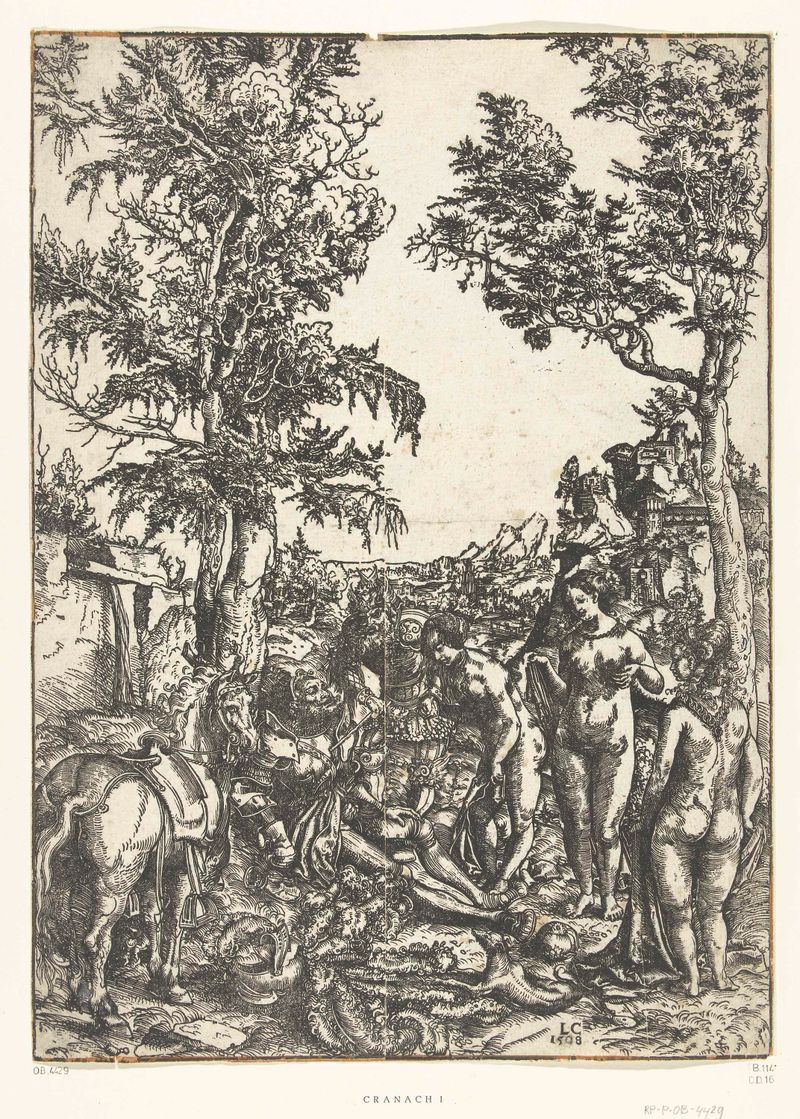
Oordeel van Paris
Lucas Cranach (I)
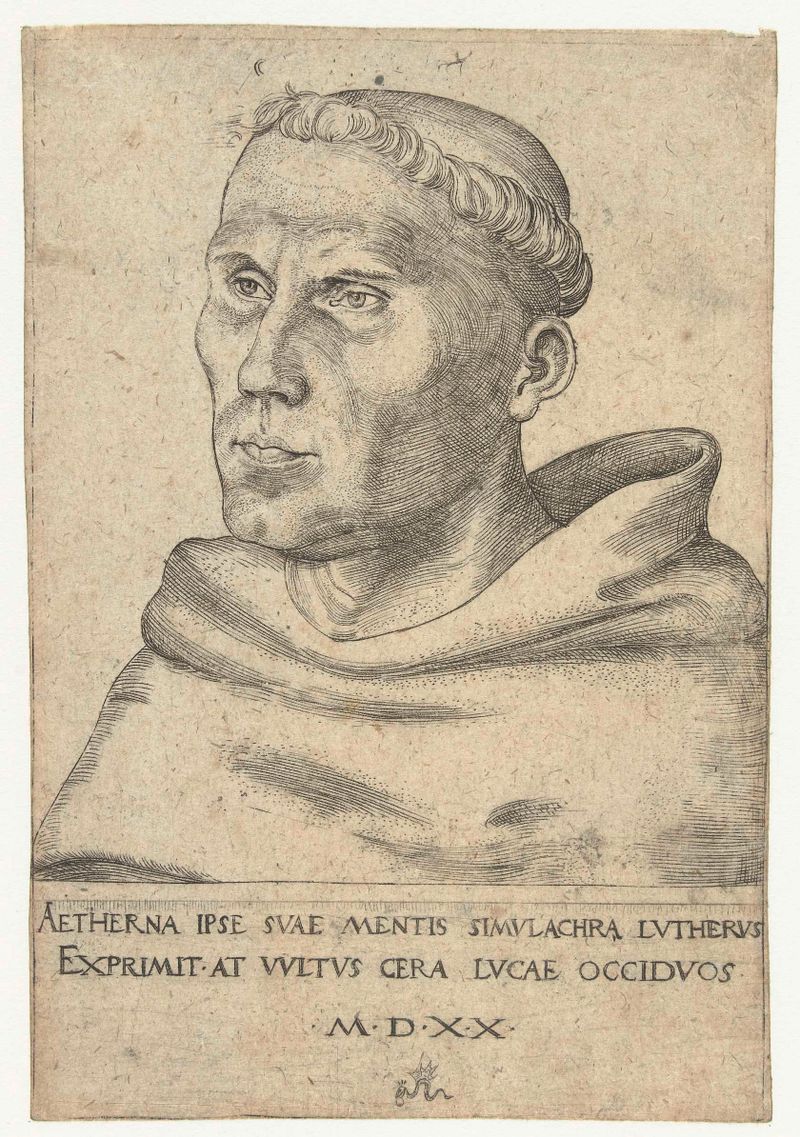
Portret van Martin Luther als Augustijner monnik
Lucas Cranach (I)
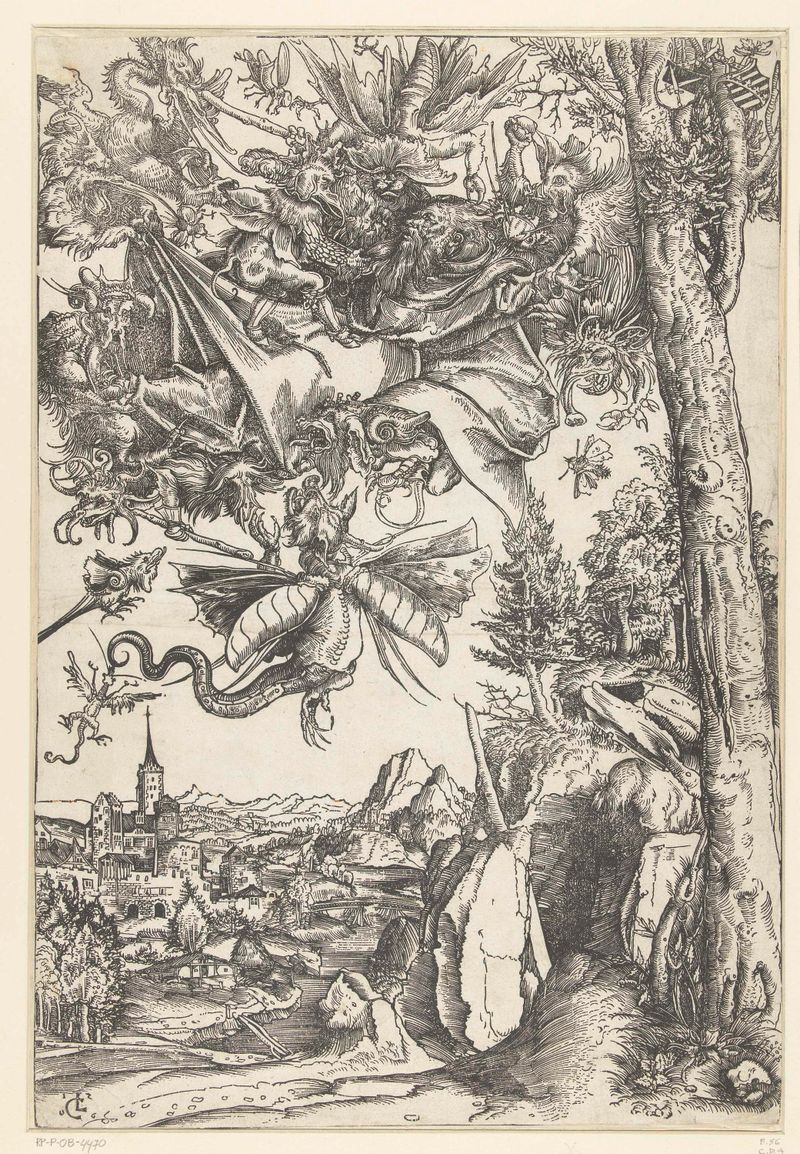
Verzoeking van Antonius met aanval door demonen
Lucas Cranach (I)

Christus en de Samaritaanse vrouw
Lucas Cranach (I)

Duits toernooi met twee edelmannen als ridders te paard
Lucas Cranach (I)
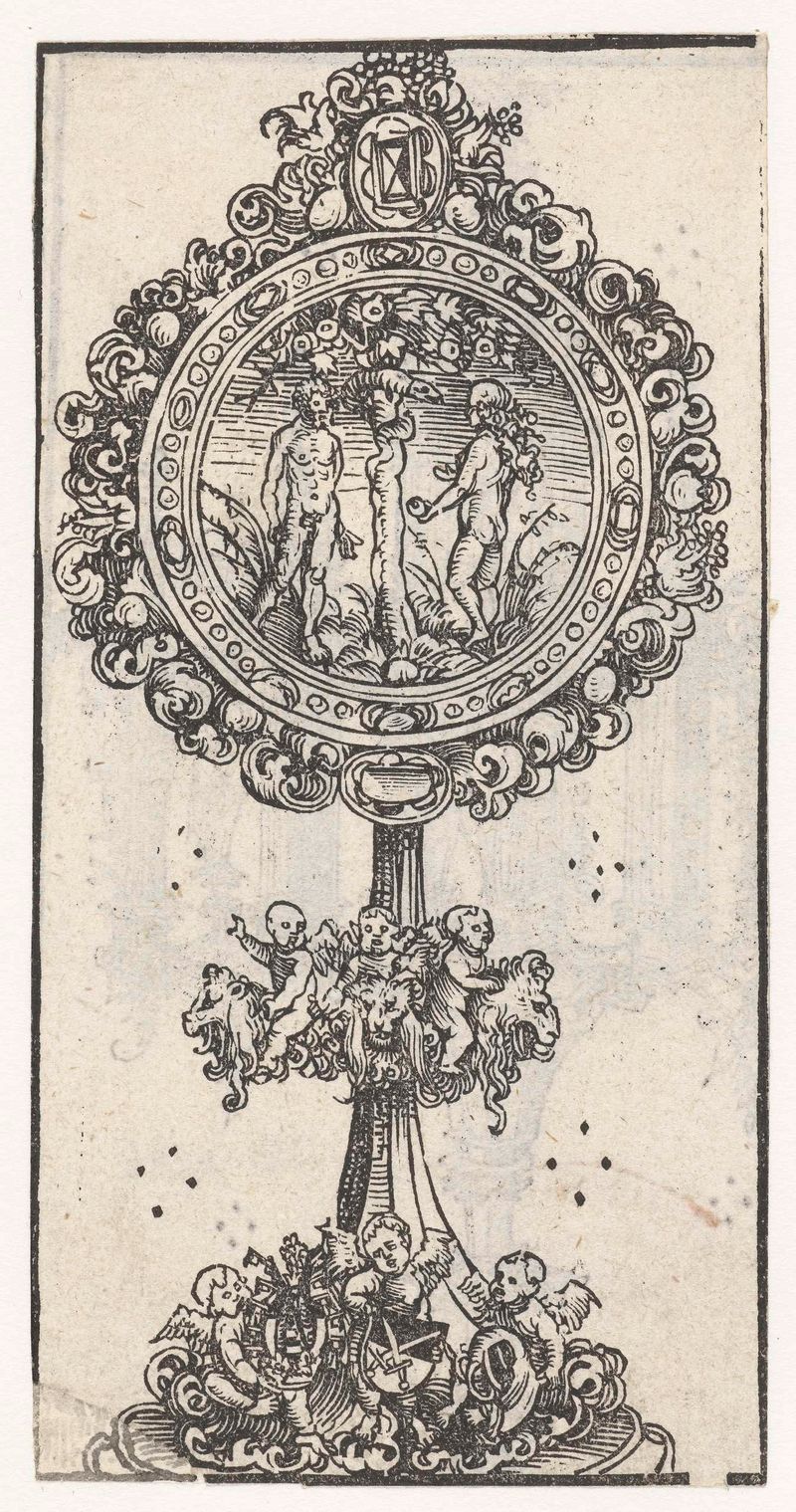
Reliekhouder met de verzoeking van Adam en Eva
Lucas Cranach (I)

Intocht van Christus in Jerusalem
Lucas Cranach (I)
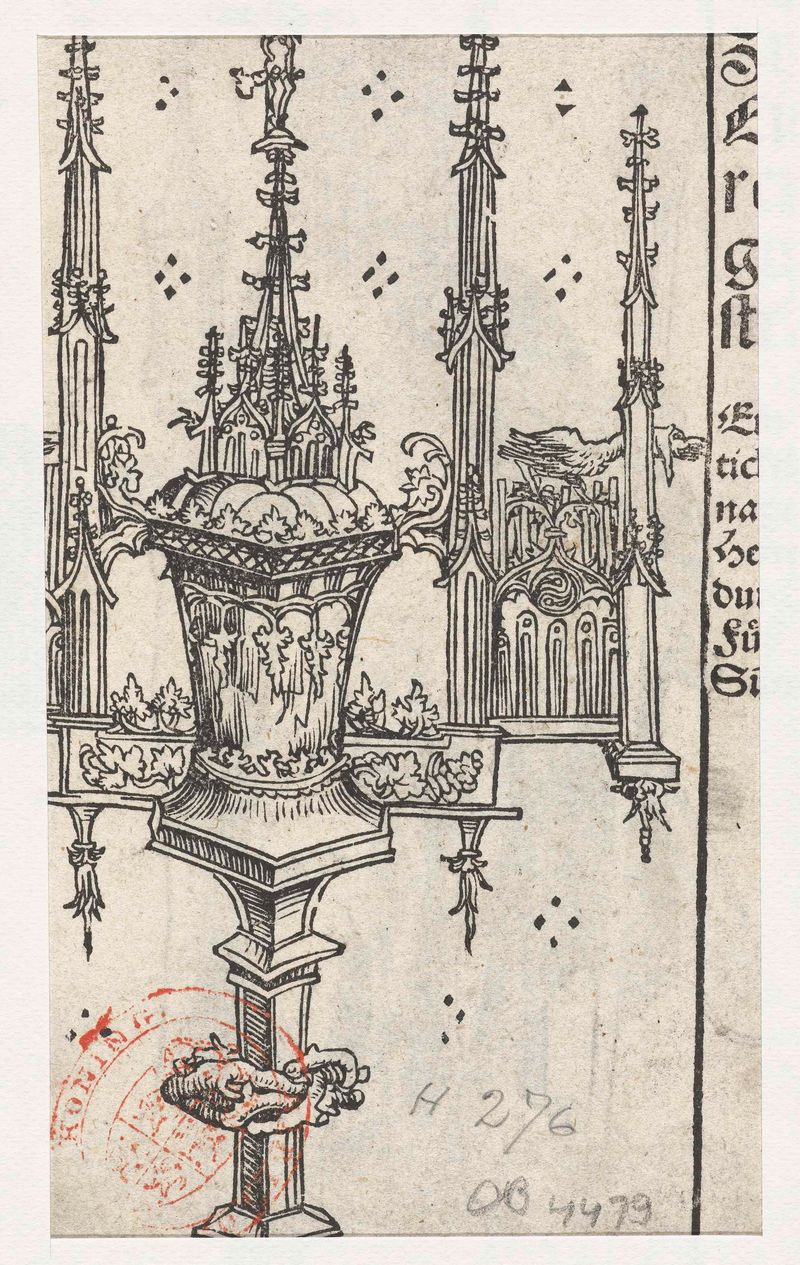
Monstrans met vogel (pelikaan)
Lucas Cranach (I)
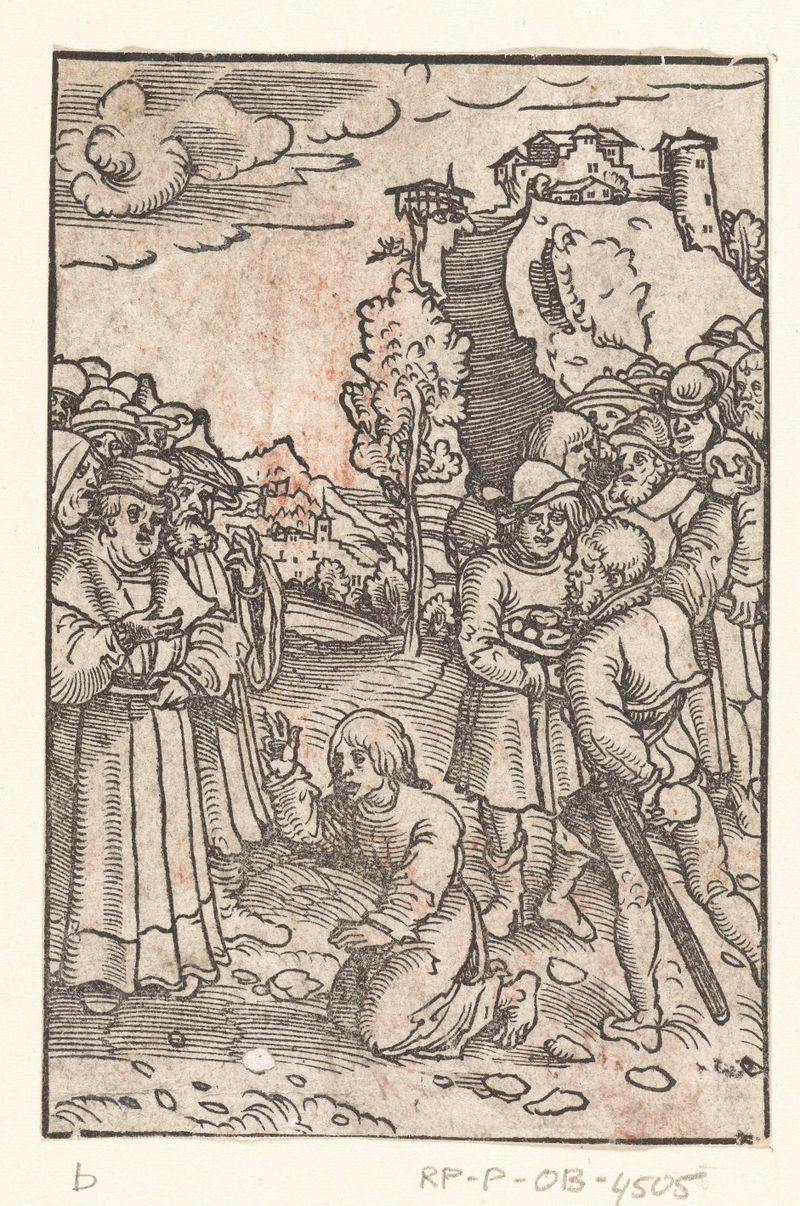
Steniging van Stefanus
Lucas Cranach (I)
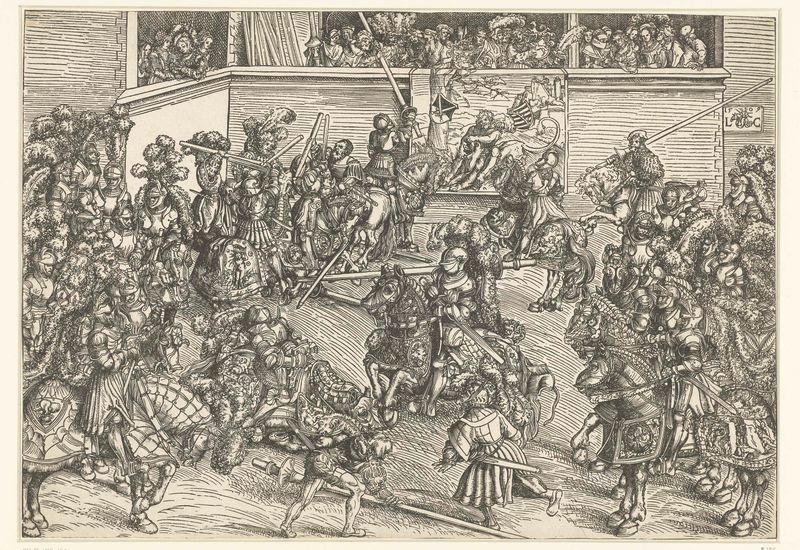
Toernooi van het keurvorstelijk hof van Saksen met wandtapijt Simson doodt de leeuw
Lucas Cranach (I)
More Religious Art
Browse all →
The Return of the Prodigal Son
Rembrandt van Rijn

The Garden of Earthly Delights
El Bosco

Count Orgaz’ funeral
El Greco

The Hundred Guilder Print: the central piece with Christ preaching, the plate arched
Rembrandt van Rijn

The Descent from the Cross
Rogier van der Weyden

The return of the prodigal son
Rembrandt van Rijn