
Christus gebruikt maaltijd bij Farizeeër en weigert handen te wassen — History & Facts
Could beauty survive in a century of chaos? In a world overshadowed by political strife and religious upheaval, the paintings of the early 16th century offer a sanctuary for contemplation and reflection. They confront the viewer with complex narratives, challenging us to look deeper into our own humanity. Look to the left at the figure of Christ, gesturing confidently toward his host, a Pharisee. Notice how the golden light cascades over the table, highlighting the sumptuous feast laid before them.
The meticulous details in the dishes, with their reflections shimmering against the flickering candlelight, contrast with the careful yet tense posture of the guests. The artist’s rich palette of warm tones envelops the scene, creating an inviting yet charged atmosphere that compels intimacy and reflection. Beneath the surface of this gathering lies a potent commentary on ritual and sincerity. The refusal to wash hands—an act steeped in tradition—represents a deeper dispute over the essence of faith versus formality.
Observe the expressions on the faces of the Pharisees, a mix of curiosity and judgment, as they bear witness to a radical message about purity and inner virtue. This tension embodies the silent clash between established norms and emerging ideologies, a theme that resonates with the tumult of Cranach’s time. Cranach painted this piece during the tumultuous years of the Protestant Reformation, around 1521-1522, in Wittenberg, Germany. As a close associate of Martin Luther, he was deeply involved in the spiritual and cultural shifts of the era.
This work reflects not only the religious debates of the time but also the artist’s commitment to expressing deeper truths through vivid storytelling and intricate detail.
More Artworks by Lucas Cranach (I)
Browse all →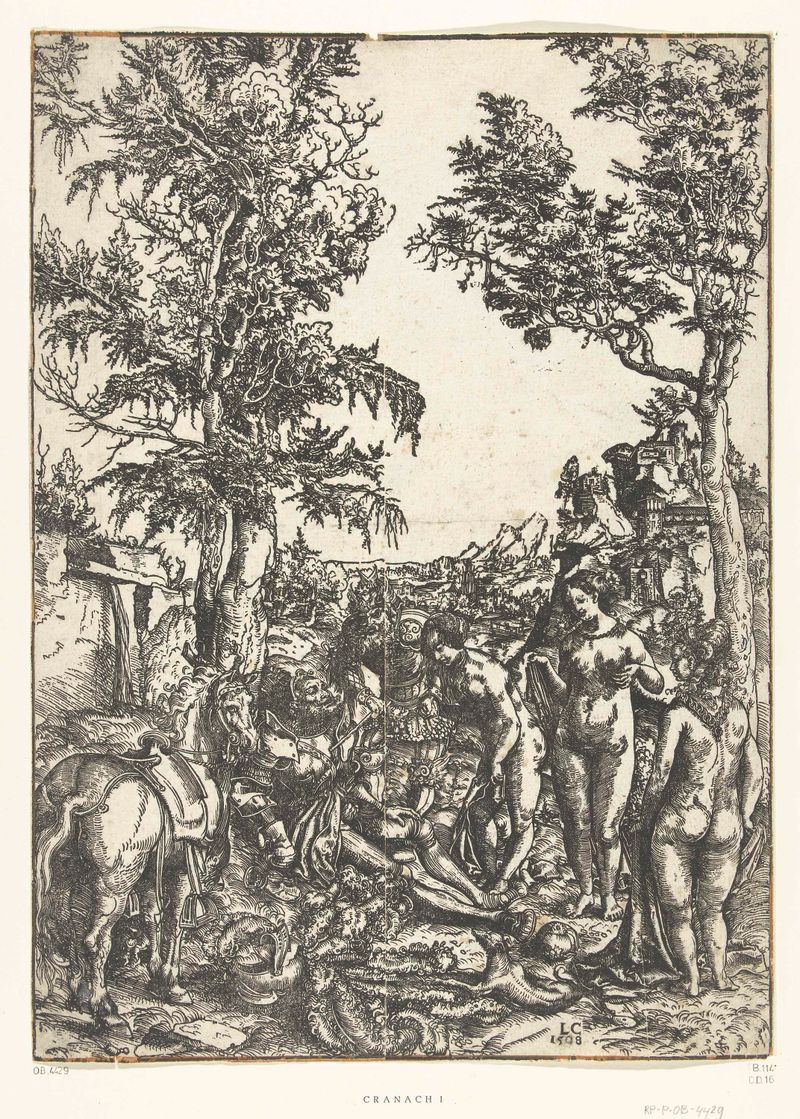
Oordeel van Paris
Lucas Cranach (I)
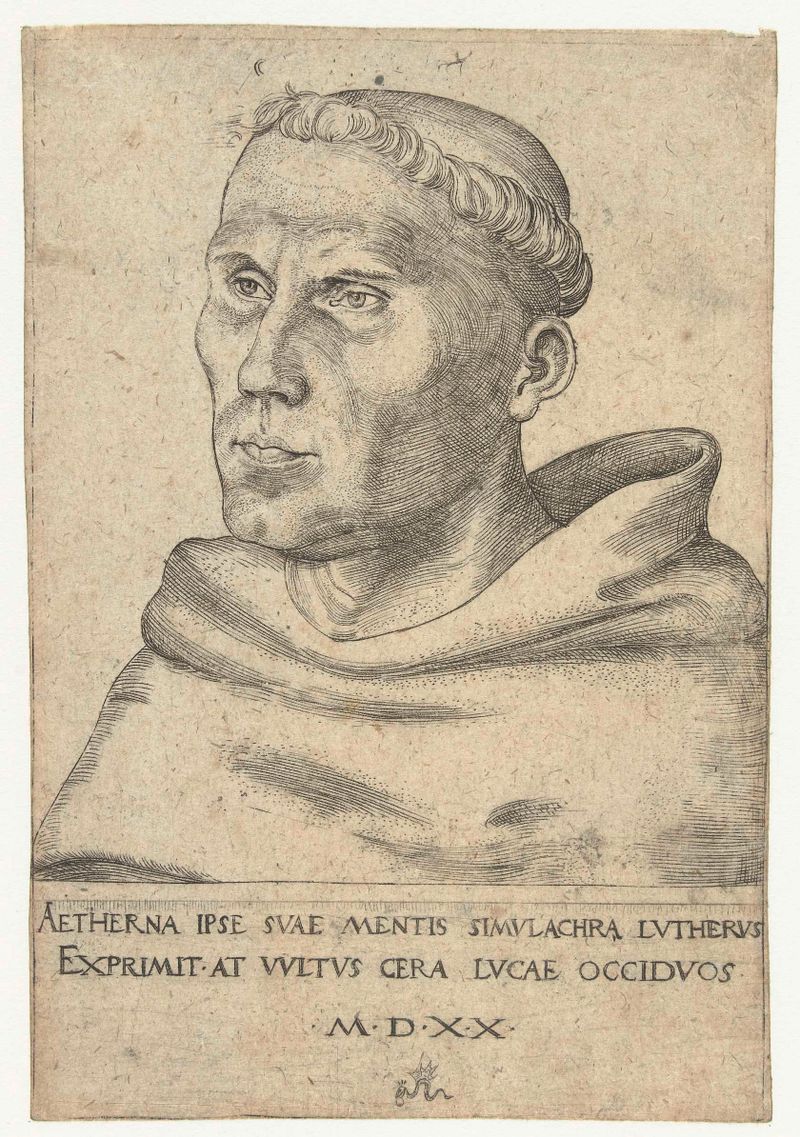
Portret van Martin Luther als Augustijner monnik
Lucas Cranach (I)
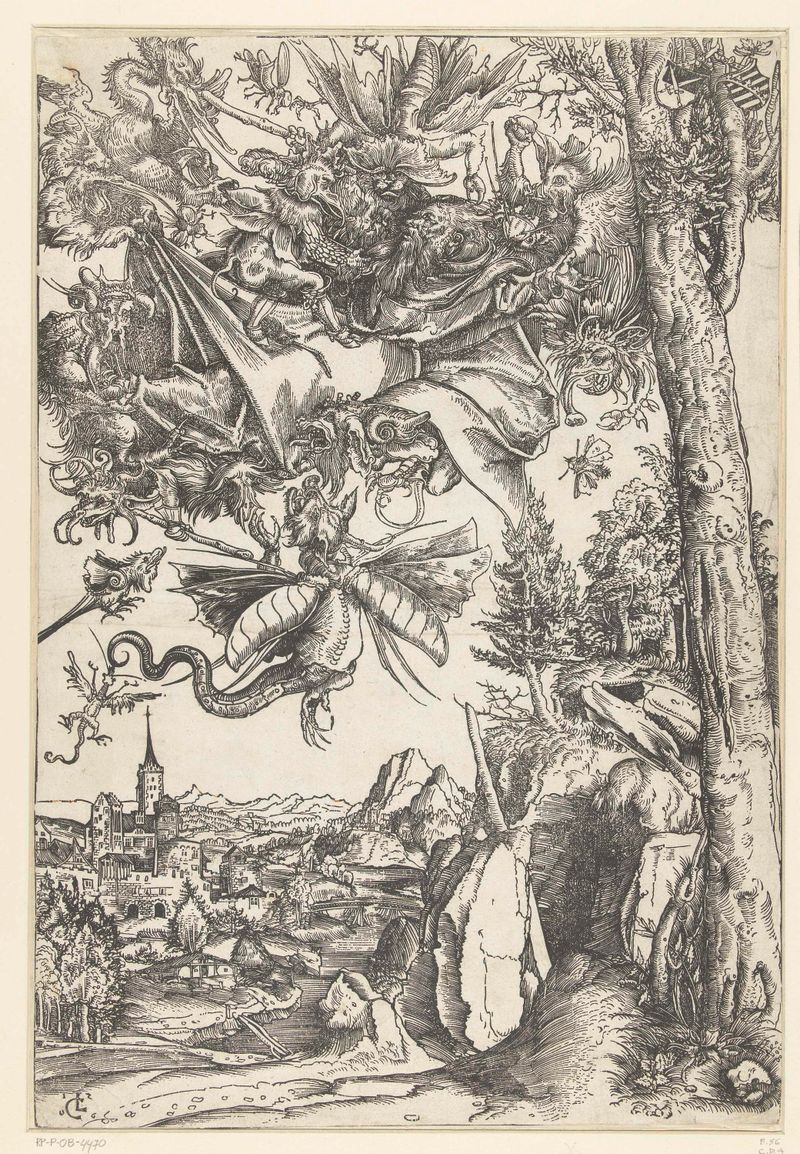
Verzoeking van Antonius met aanval door demonen
Lucas Cranach (I)

Christus en de Samaritaanse vrouw
Lucas Cranach (I)

Duits toernooi met twee edelmannen als ridders te paard
Lucas Cranach (I)
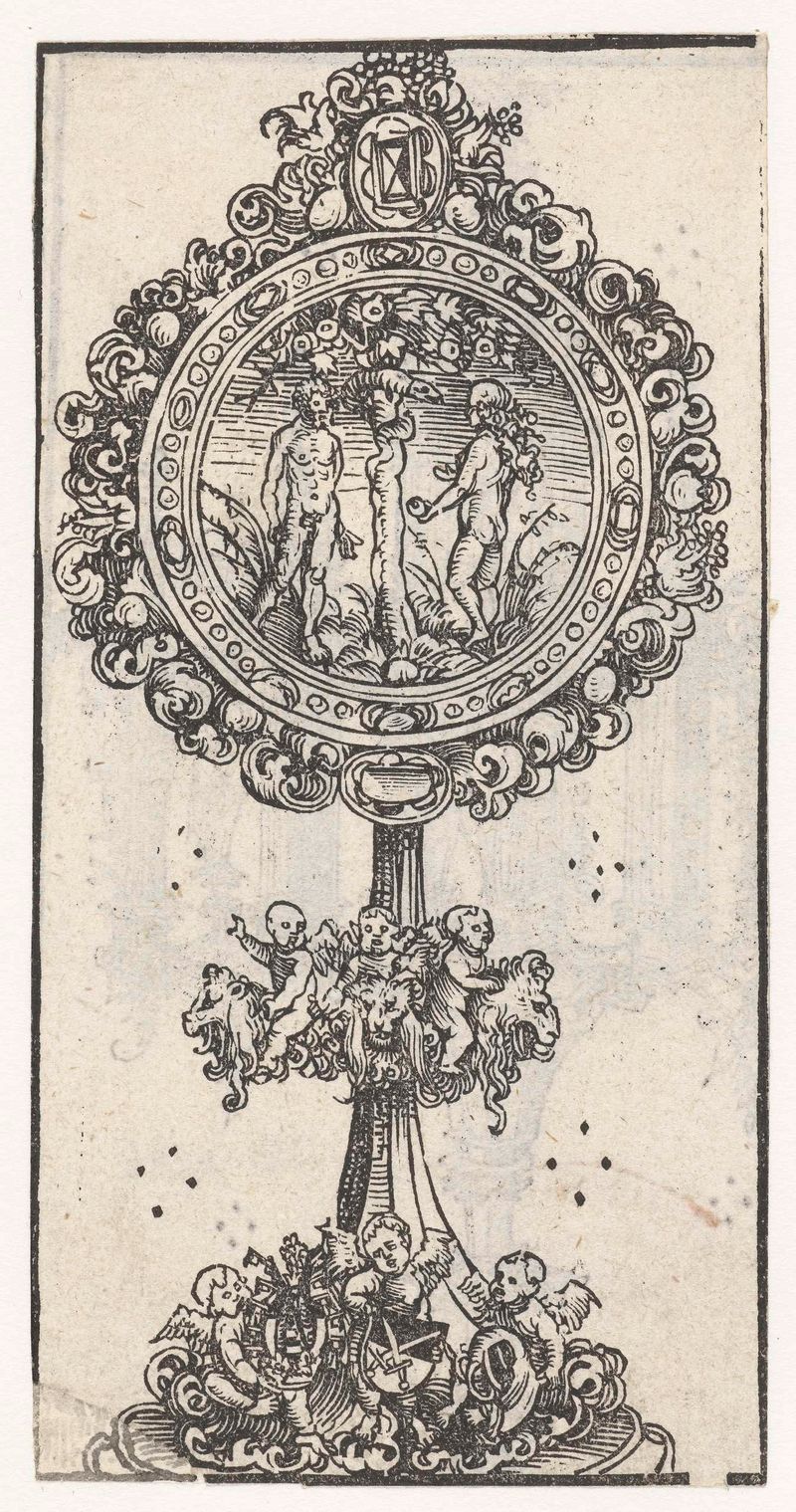
Reliekhouder met de verzoeking van Adam en Eva
Lucas Cranach (I)

Intocht van Christus in Jerusalem
Lucas Cranach (I)
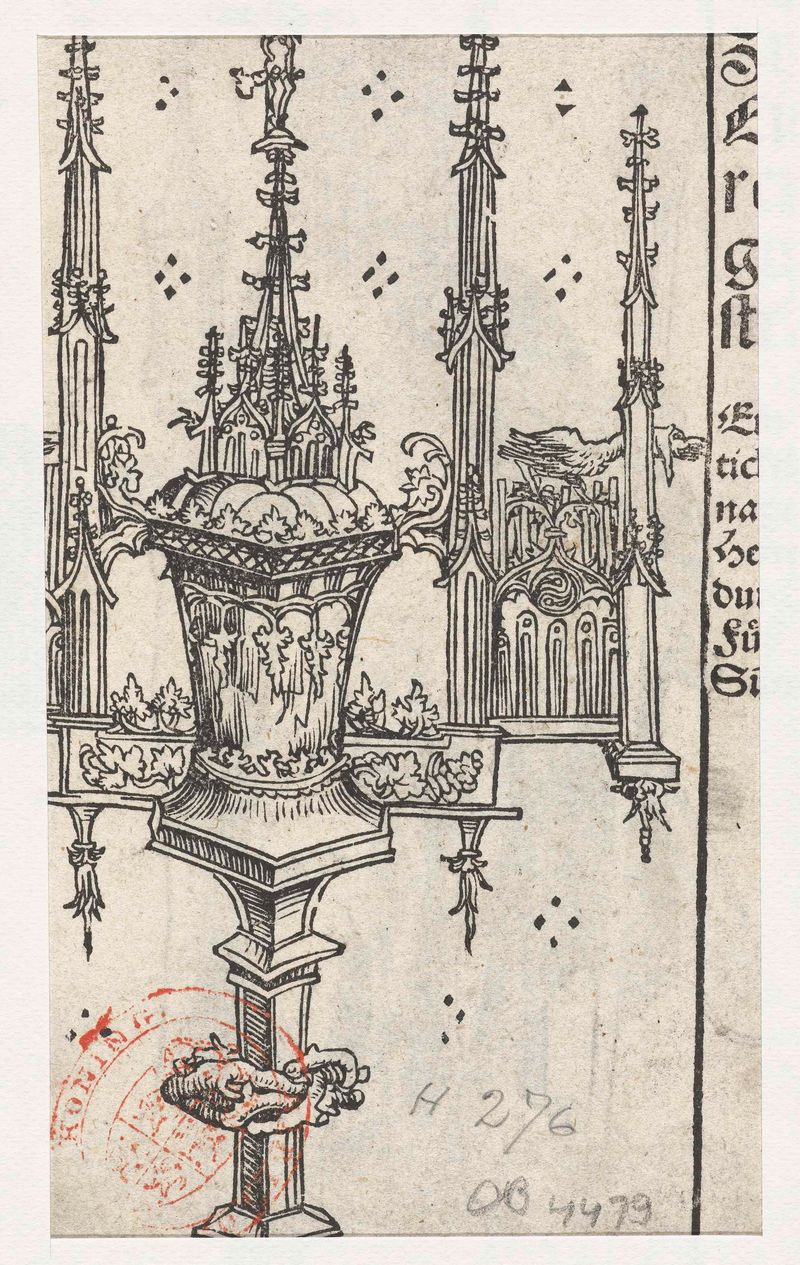
Monstrans met vogel (pelikaan)
Lucas Cranach (I)
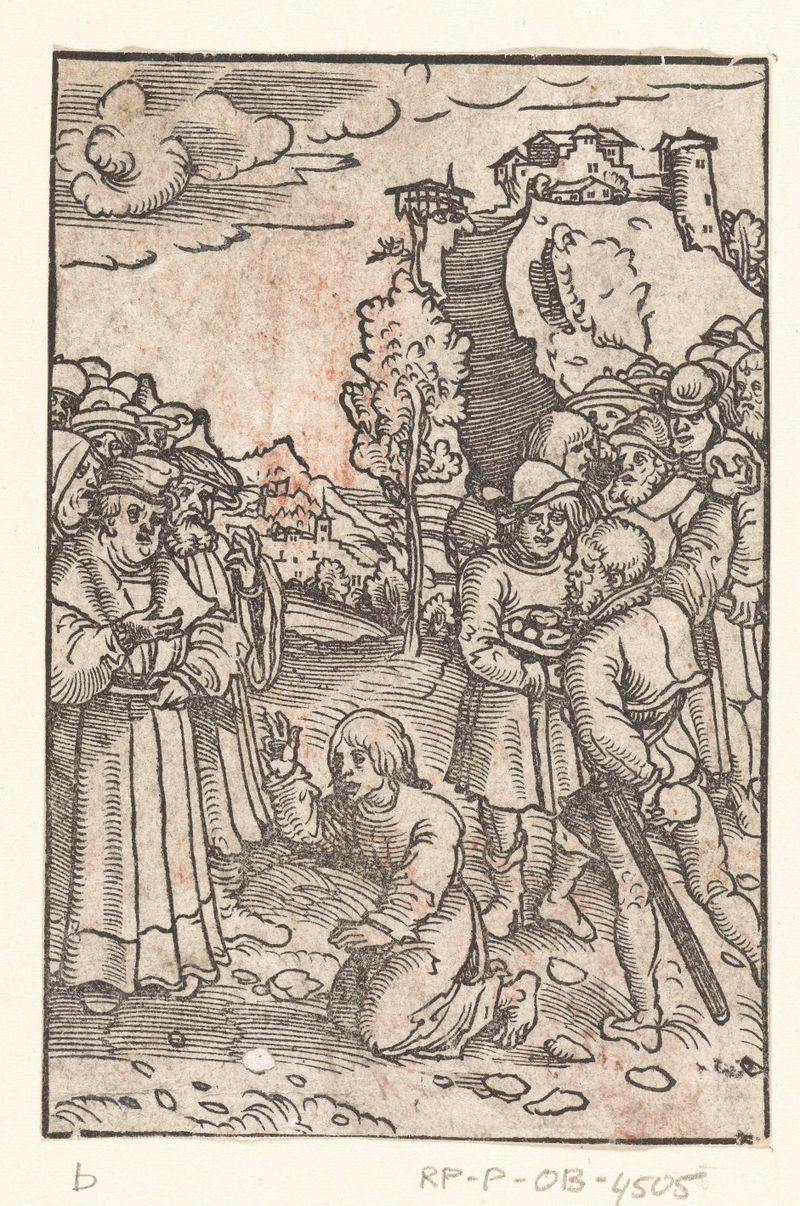
Steniging van Stefanus
Lucas Cranach (I)
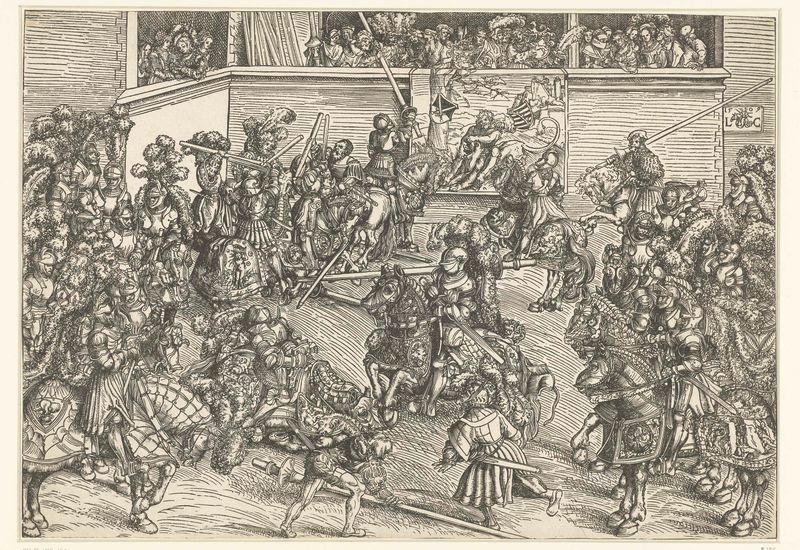
Toernooi van het keurvorstelijk hof van Saksen met wandtapijt Simson doodt de leeuw
Lucas Cranach (I)
More Religious Art
Browse all →
The Return of the Prodigal Son
Rembrandt van Rijn

The Garden of Earthly Delights
El Bosco

Count Orgaz’ funeral
El Greco

The Hundred Guilder Print: the central piece with Christ preaching, the plate arched
Rembrandt van Rijn

The Descent from the Cross
Rogier van der Weyden

The return of the prodigal son
Rembrandt van Rijn