
Christus geneest bezeten man — History & Facts
In the depths of painted stillness, a profound awakening stirs. What does it reveal about the moments we cannot see, yet deeply feel? Look to the center of the composition where the figure of Christ, haloed in divine light, extends a hand toward the afflicted man. The contrasting darks and lights create a dynamic tension, guiding the viewer’s eye to the focal point of healing and hope.
The muted palette, punctuated by the vibrant red of the man’s clothing, serves to highlight his struggle while amplifying Christ's holy presence. Notice how the figures’ postures convey a silent dialogue — the anguished man's twisted expression against the calm serenity of the Savior, capturing a moment ripe with spiritual significance. Delve deeper and consider the emotional undertones at play. The man's anguished countenance reflects the weight of torment while Christ's gentle grasp suggests a transcendent power to alleviate suffering.
This duality speaks to the universal struggle between despair and salvation. The onlookers, with their varied expressions of concern and disbelief, remind us of society's often ambivalent relationship with those deemed 'possessed' — emblematic of our own fears and prejudices towards mental illness and spiritual crisis. Georg Pencz painted this evocative scene between 1534 and 1535, during a time when the Reformation was redefining religious thought and practice in Europe. Living in Nuremberg, Pencz was influenced by the transformative currents of the Renaissance and the growing humanist movement, which sought to reconcile faith with reason.
This work reflects both the societal anxieties of his time and a deeply personal engagement with the theme of salvation, illustrating his skill in capturing the essence of human experience through a lens of divine intervention.
More Artworks by Georg Pencz
Browse all →
Parabel van de zaaier
Georg Pencz

Parabel van de arbeiders in de wijngaard
Georg Pencz
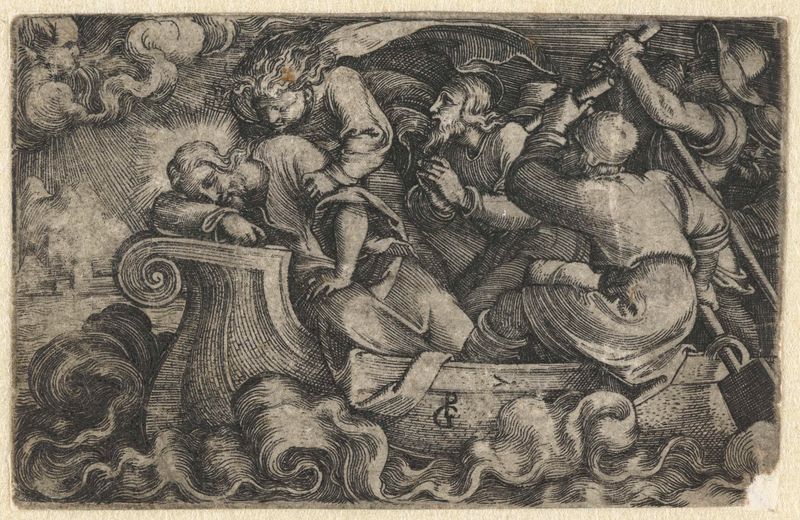
Discipelen wekken slapende Christus tijdens storm op Meer van Galilea
Georg Pencz

Afgunst (Invidia)
Georg Pencz
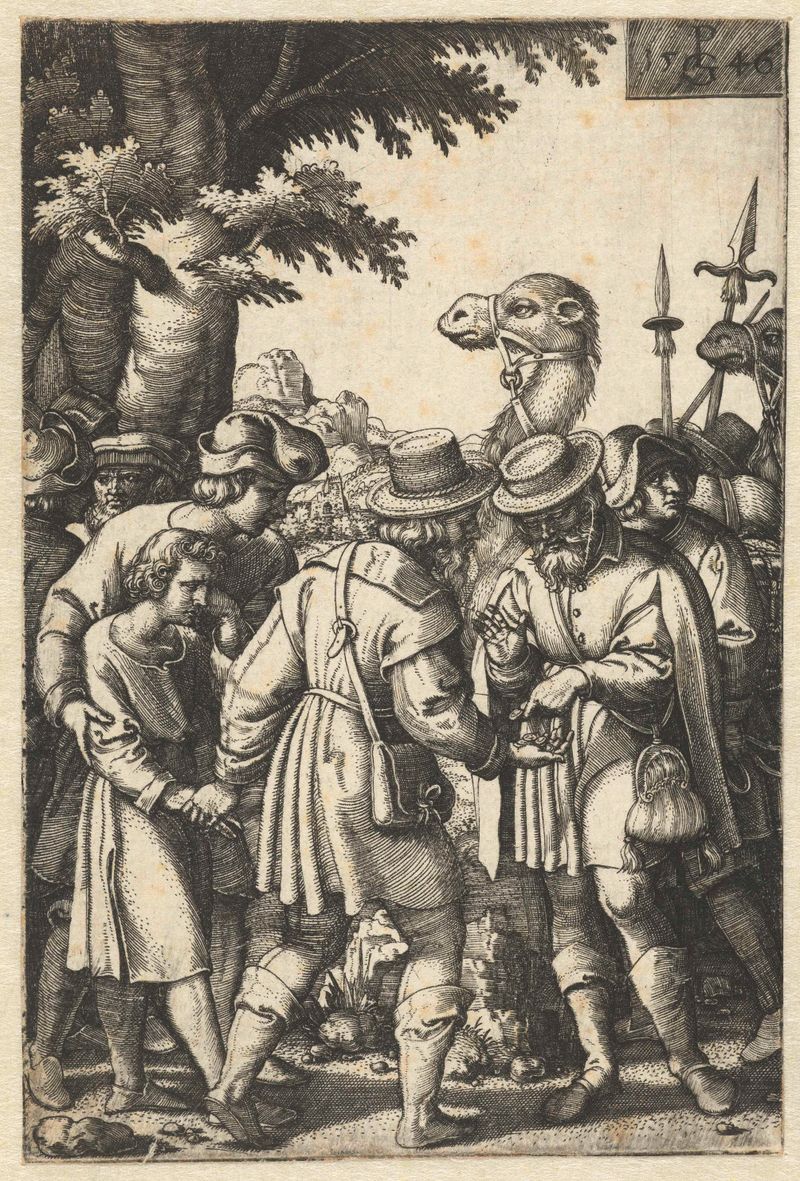
Jozef wordt verkocht aan kooplieden op weg naar Egypte
Georg Pencz

Aanbidding der koningen
Georg Pencz
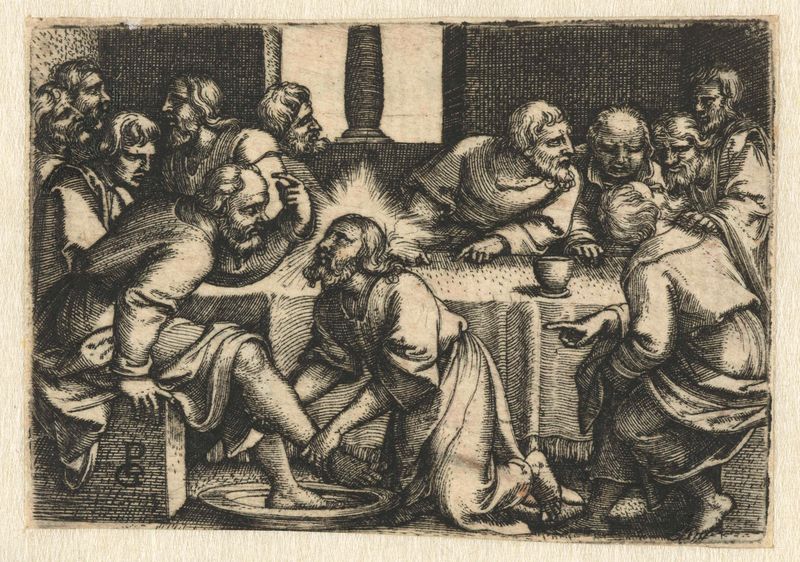
Petrus protesteert als Christus zijn voeten wast
Georg Pencz
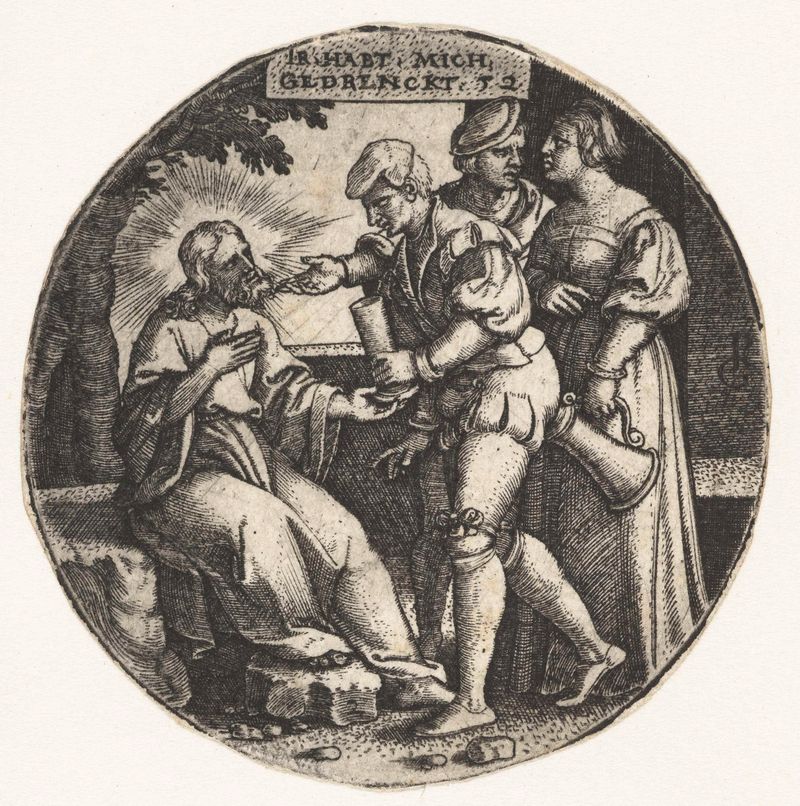
Christus heeft dorst en krijgt drinken aangeboden
Georg Pencz
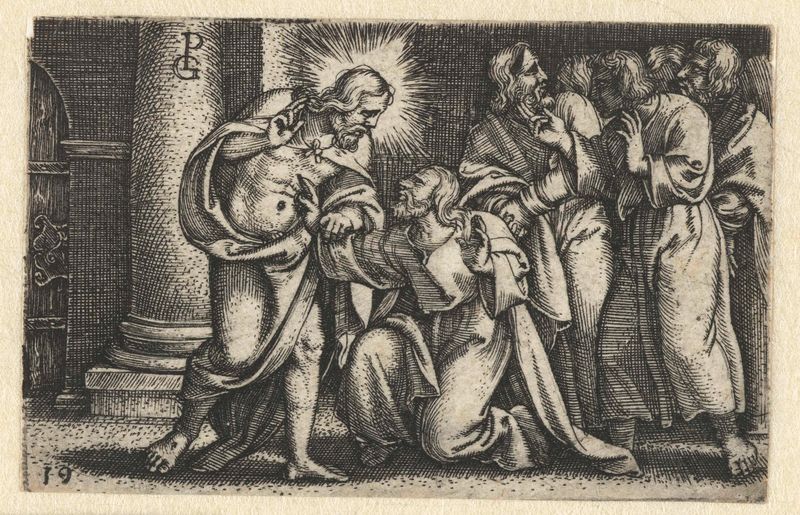
Ongelovige Thomas raakt wonden Christus aan
Georg Pencz

Offer van Abraham van Isaak
Georg Pencz
More Religious Art
Browse all →
The Return of the Prodigal Son
Rembrandt van Rijn

The Garden of Earthly Delights
El Bosco

Count Orgaz’ funeral
El Greco

The Hundred Guilder Print: the central piece with Christ preaching, the plate arched
Rembrandt van Rijn

The Descent from the Cross
Rogier van der Weyden

The return of the prodigal son
Rembrandt van Rijn