
Christus geneest de bloedvloeiende vrouw — History & Facts
What secret hides in the quiet of the canvas? A moment suspended in tension, where the profound and the violent intertwine, revealing the depths of human experience. Focus first on the figure of the woman at the center, her outstretched hand trembling in a gesture of desperation and hope. Notice how the light illuminates her pale skin, casting shadows that hint at the suffering she has endured. The background, an indistinct blur of muted earth tones, serves to heighten her isolation, making her vulnerability palpable.
The artist's meticulous brushwork captures the delicate interplay of fabric and flesh, inviting the viewer to delve deeper into the emotional nuance of the scene. Beneath the surface of this poignant moment, the painting grapples with themes of healing and violence. The woman's illness, depicted in her frailty, symbolizes the often turbulent struggle for survival, while the proximity of Christ introduces the tension between faith and despair. The contrasting expressions on the faces surrounding them evoke a spectrum of emotion, from curiosity to disdain, suggesting a societal reluctance to accept her suffering.
This dichotomy between empathy and judgment intensifies the artwork's impact, drawing the viewer into a visceral understanding of human pain. Georg Pencz created this work between 1534 and 1535, during a time of significant religious upheaval in Europe. As Protestant Reformation ideas began to influence the art world, Pencz navigated between the traditional and the emergent, positioning himself within a dialogue about faith and healing. In a period marked by conflict and transformation, this painting stands as a testament to the complexities of the human spirit, caught between the sacred and the profane.
More Artworks by Georg Pencz
Browse all →
Parabel van de zaaier
Georg Pencz

Parabel van de arbeiders in de wijngaard
Georg Pencz
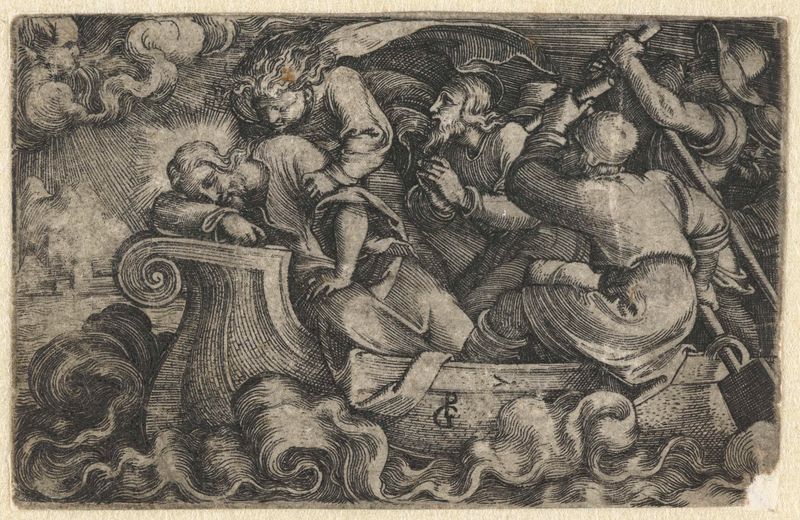
Discipelen wekken slapende Christus tijdens storm op Meer van Galilea
Georg Pencz

Afgunst (Invidia)
Georg Pencz
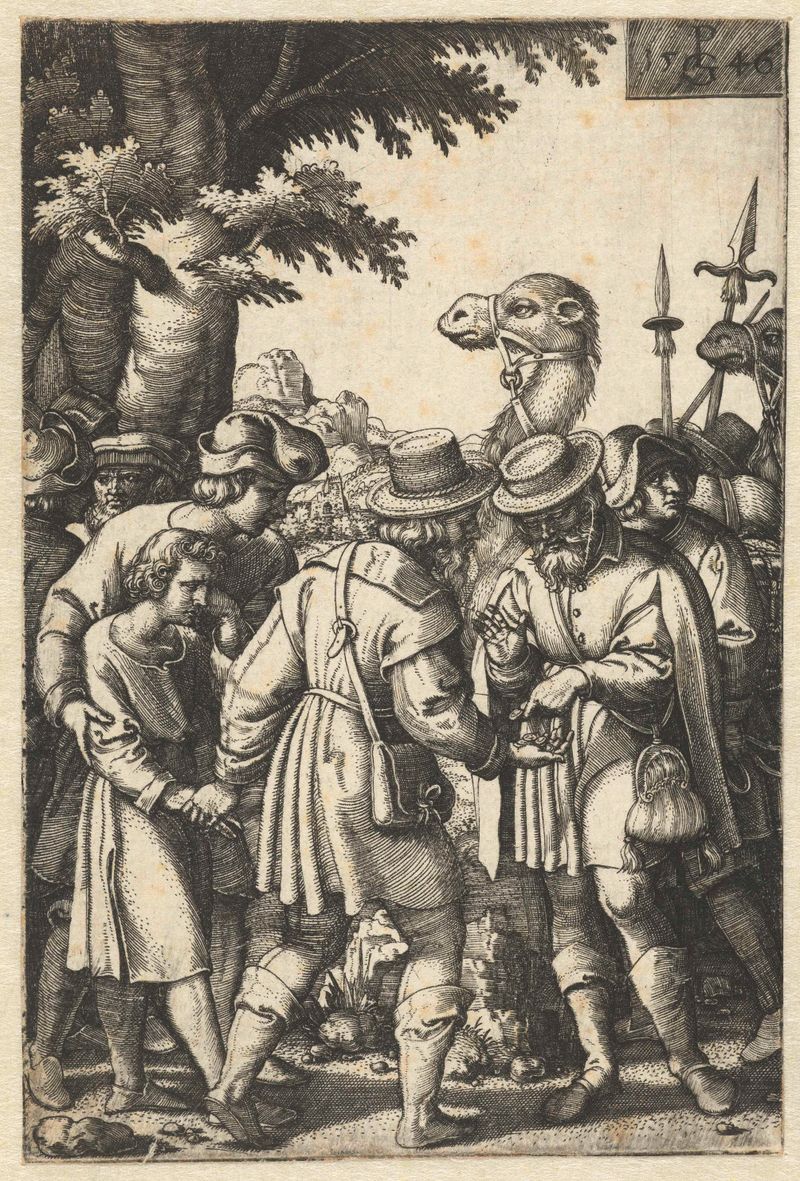
Jozef wordt verkocht aan kooplieden op weg naar Egypte
Georg Pencz

Aanbidding der koningen
Georg Pencz
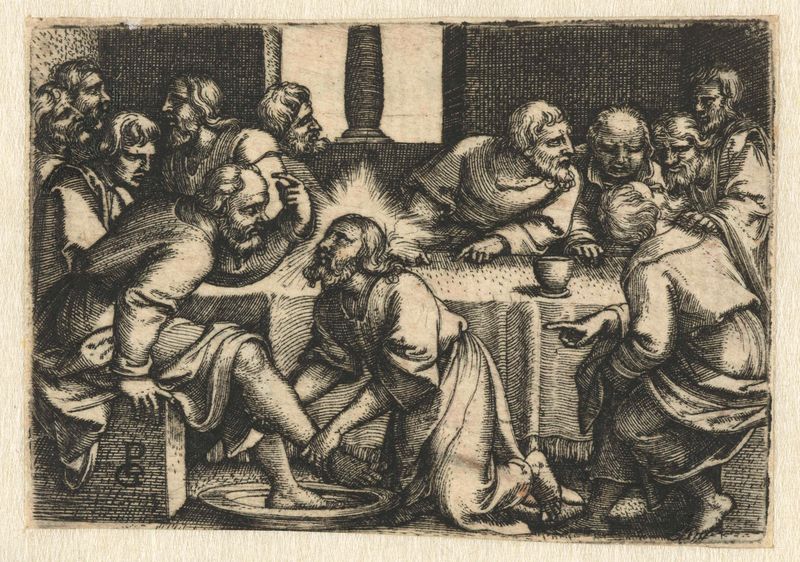
Petrus protesteert als Christus zijn voeten wast
Georg Pencz
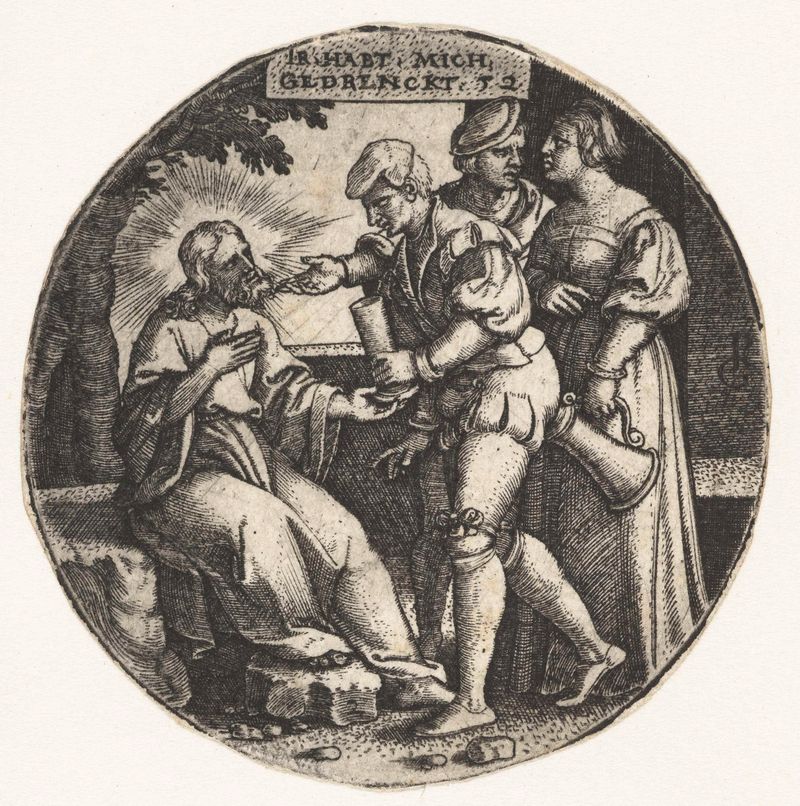
Christus heeft dorst en krijgt drinken aangeboden
Georg Pencz
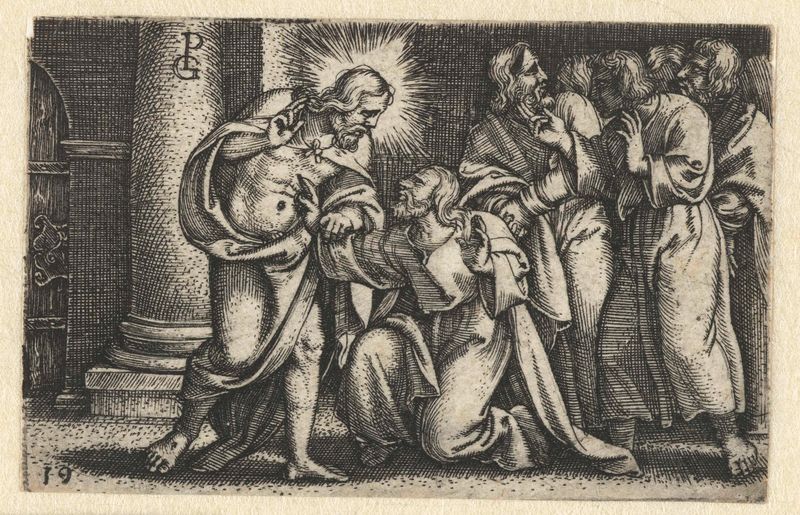
Ongelovige Thomas raakt wonden Christus aan
Georg Pencz

Offer van Abraham van Isaak
Georg Pencz
More Religious Art
Browse all →
The Return of the Prodigal Son
Rembrandt van Rijn

The Garden of Earthly Delights
El Bosco

Count Orgaz’ funeral
El Greco

The Hundred Guilder Print: the central piece with Christ preaching, the plate arched
Rembrandt van Rijn

The Descent from the Cross
Rogier van der Weyden

The return of the prodigal son
Rembrandt van Rijn