
Christus geneest een blinde — History & Facts
Can paint confess what words never could? In Christus geneest een blinde, the profound act of healing serves as a silent proclamation of rebirth and divine intervention. The canvas transcends mere representation, inviting the viewer to explore both the miracle and the human experience intertwined within its confines. Focus your gaze on the central figures: Christ, serene yet commanding, stands in stark contrast to the blind man, whose expression reflects a raw fusion of desperation and hope. Notice the delicate brushwork that captures the softness of light as it envelops Christ, illuminating his figure against the more muted tones surrounding them.
This careful manipulation of light and shadow creates an almost ethereal atmosphere, emphasizing the transformative moment captured on the canvas. Delve deeper into the emotional tensions at play—how the outstretched hand of Christ reaches towards the blind man evokes a sense of vulnerability and trust. The shadows cast upon the blind man's face suggest the weight of his past, a reminder of the darkness he has known, while the gestures of those surrounding him hint at a community witnessing this profound change. This moment encapsulates not just a physical healing but the powerful interplay between faith, sight, and spiritual awakening. Georg Pencz painted this remarkable work between 1534 and 1535 during a period when the Northern Renaissance was flourishing.
Working in Nuremberg, Pencz was influenced by both the burgeoning Reformation and the revival of classical themes in art. This painting reflects the tension of an era in which faith and human experience began to merge, creating a rich narrative that resonates through time and speaks to the complexities of belief and transformation.
More Artworks by Georg Pencz
Browse all →
Parabel van de zaaier
Georg Pencz

Parabel van de arbeiders in de wijngaard
Georg Pencz
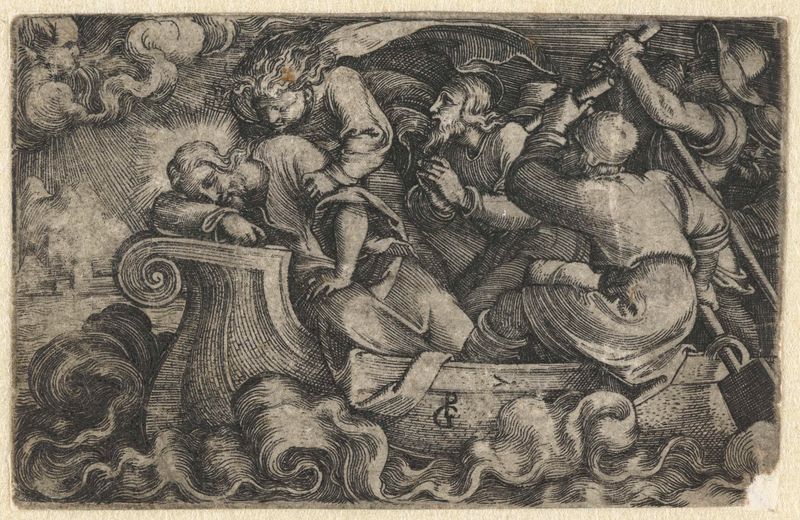
Discipelen wekken slapende Christus tijdens storm op Meer van Galilea
Georg Pencz

Afgunst (Invidia)
Georg Pencz
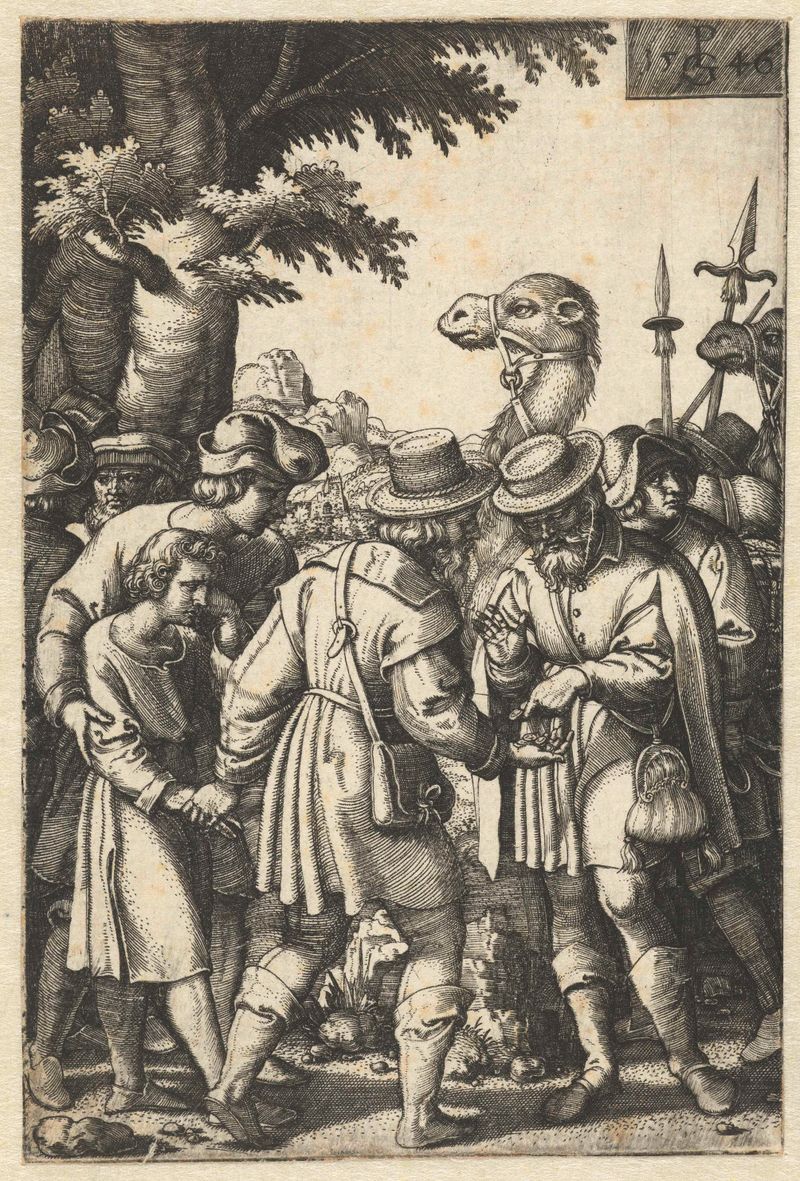
Jozef wordt verkocht aan kooplieden op weg naar Egypte
Georg Pencz

Aanbidding der koningen
Georg Pencz
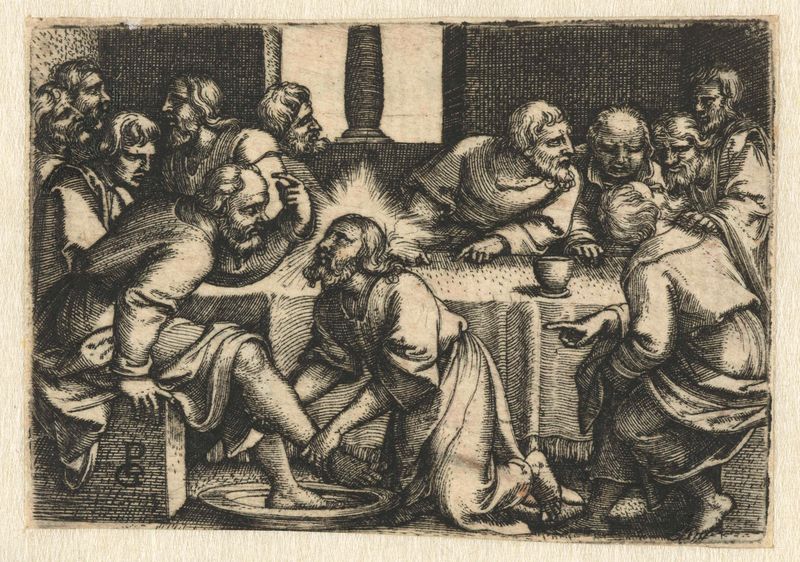
Petrus protesteert als Christus zijn voeten wast
Georg Pencz
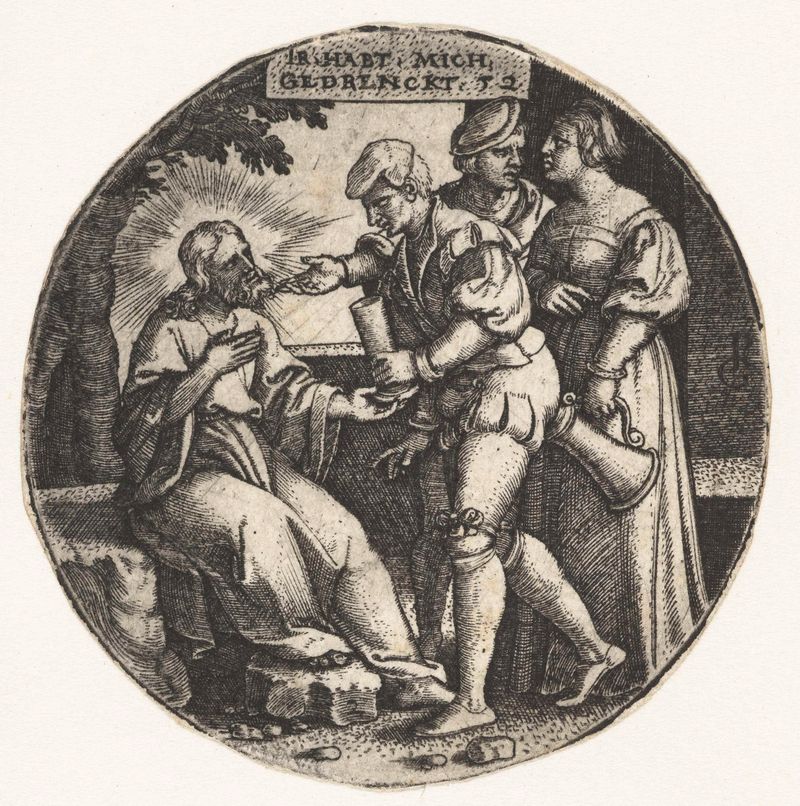
Christus heeft dorst en krijgt drinken aangeboden
Georg Pencz
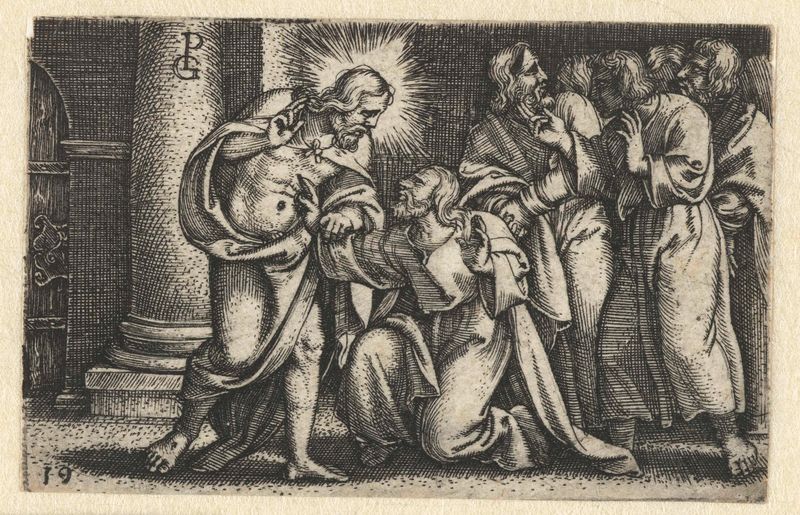
Ongelovige Thomas raakt wonden Christus aan
Georg Pencz

Offer van Abraham van Isaak
Georg Pencz
More Religious Art
Browse all →
The Return of the Prodigal Son
Rembrandt van Rijn

The Garden of Earthly Delights
El Bosco

Count Orgaz’ funeral
El Greco

The Hundred Guilder Print: the central piece with Christ preaching, the plate arched
Rembrandt van Rijn

The Descent from the Cross
Rogier van der Weyden

The return of the prodigal son
Rembrandt van Rijn