
Christus geneest een melaatse — History & Facts
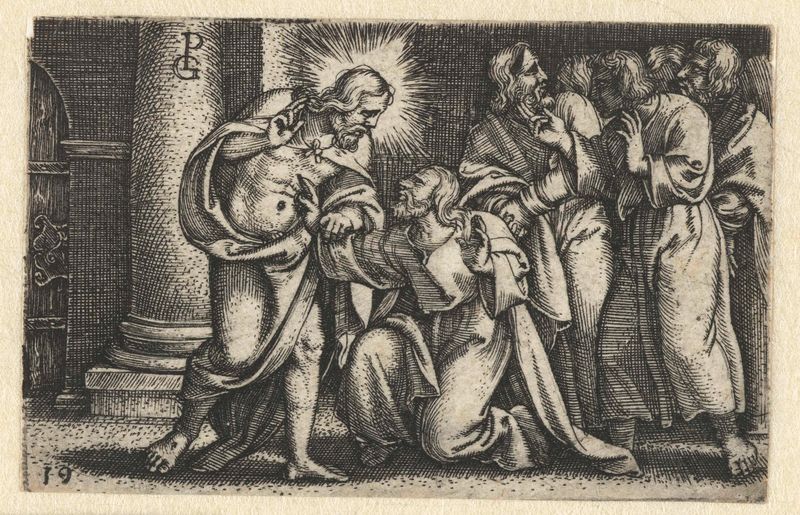
What if silence could speak through light? In Christus geneest een melaatse, the tension of mortality hangs palpably, revealing the fragile boundary between despair and hope. Look to the center where Christ extends his hand, each finger poised yet tender, a beacon of compassion amidst the darkness. The leper, shrouded in tattered garments, is illuminated in a soft glow, emphasizing his vulnerability against the stark backdrop. Notice how the subtle chiaroscuro highlights the expressions on their faces—Christ’s serene authority juxtaposed with the leper’s pain and uncertainty, creating an emotional gravity that draws the viewer in. Hidden within the folds of the leper's garments are the threads of societal rejection and stigma, while Christ's outstretched hand signifies not just healing but a radical invitation to acceptance.
The color palette, dominated by earthy tones, underscores the gravity of the moment, contrasting the divine light with human suffering. This interplay of shadow and illumination speaks to the duality of existence—how light can both reveal and conceal the truths of mortality. Georg Pencz painted this work between 1534 and 1535 during a period marked by religious upheaval in Europe and a burgeoning interest in humanist themes. Working in Nuremberg, he was part of a transformation in art that sought to bridge the sacred and the secular.
This painting reflects both a spiritual quest for redemption and a keen observation of the human condition, encapsulating the era's complex relationship with faith and mortality.
More Artworks by Georg Pencz
Browse all →
Parabel van de zaaier
Georg Pencz

Parabel van de arbeiders in de wijngaard
Georg Pencz
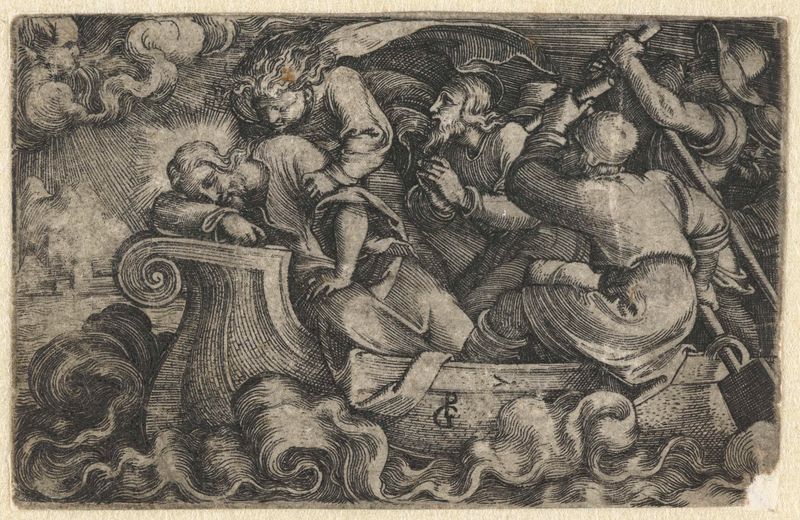
Discipelen wekken slapende Christus tijdens storm op Meer van Galilea
Georg Pencz

Afgunst (Invidia)
Georg Pencz
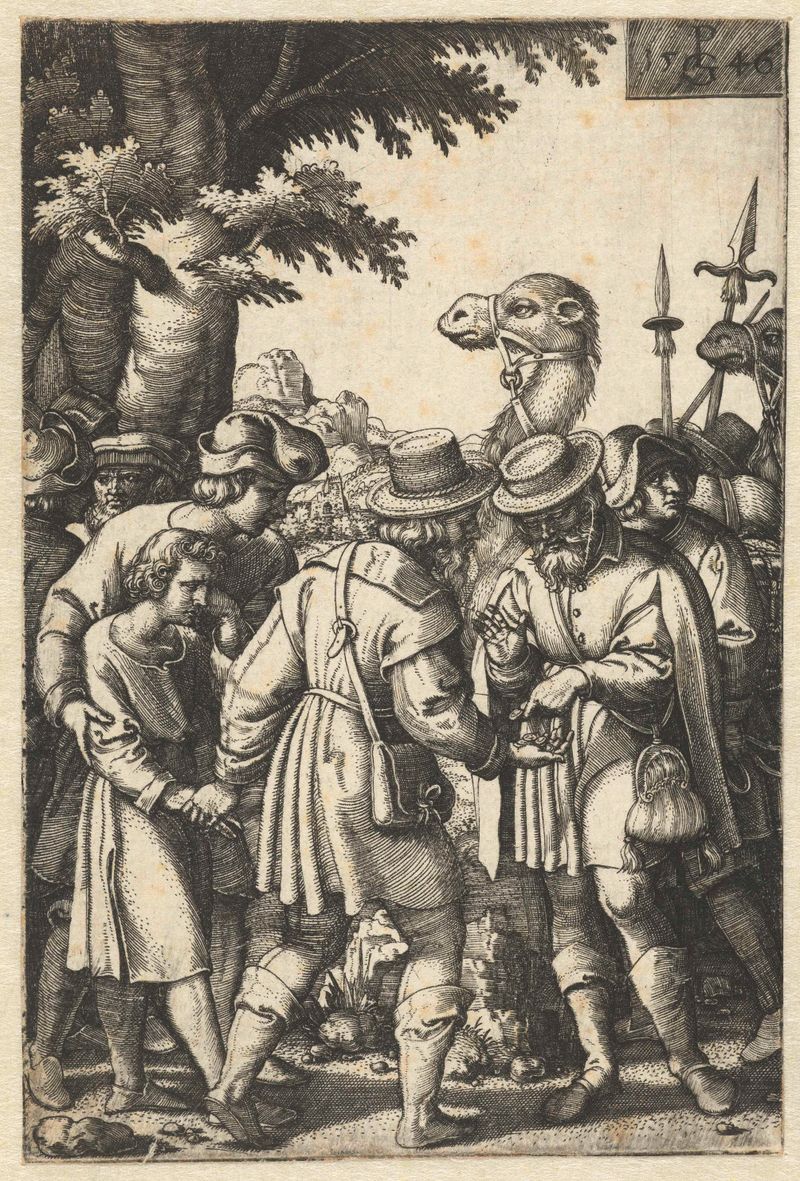
Jozef wordt verkocht aan kooplieden op weg naar Egypte
Georg Pencz

Aanbidding der koningen
Georg Pencz
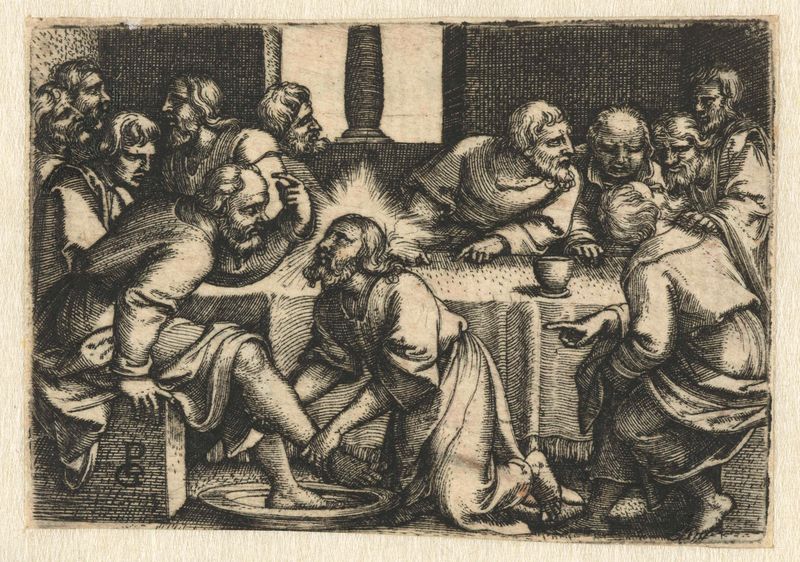
Petrus protesteert als Christus zijn voeten wast
Georg Pencz
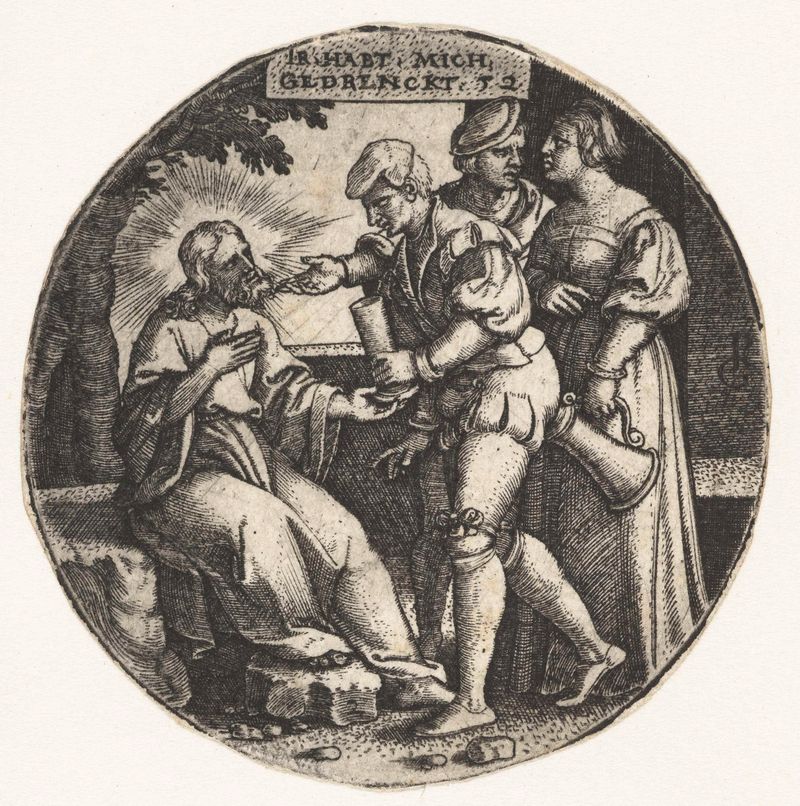
Christus heeft dorst en krijgt drinken aangeboden
Georg Pencz
Ongelovige Thomas raakt wonden Christus aan
Georg Pencz

Offer van Abraham van Isaak
Georg Pencz
More Religious Art
Browse all →
The Return of the Prodigal Son
Rembrandt van Rijn

The Garden of Earthly Delights
El Bosco

Count Orgaz’ funeral
El Greco

The Hundred Guilder Print: the central piece with Christ preaching, the plate arched
Rembrandt van Rijn

The Descent from the Cross
Rogier van der Weyden

The return of the prodigal son
Rembrandt van Rijn