
Christus geneest mensen met lepra en mensen met lichamelijke beperkingen — History & Facts
What if beauty was never meant to be finished? In Christus geneest mensen met lepra en mensen met lichamelijke beperkingen, we witness a profound moment of rebirth where hope and compassion intertwine, captured in vivid detail by the artist's hand. Each brushstroke unveils layers of human vulnerability and the search for healing, a testament to the resilience of the spirit. Look to the center of the canvas, where the figure of Christ stands resolute, bathed in a warm, divine light that radiates from behind him. Notice how the colors shift around him—deep blues and earthy tones contrast beautifully with the golden glow illuminating his face.
The meticulous rendering of the surrounding figures, their expressions ranging from despair to relief, draws you into their shared experience of suffering and salvation. The composition is masterfully balanced, with Christ as the focal point, embodying grace amidst chaos. Delve deeper into the small details, such as the outstretched hands of the lepers reaching toward Christ, a gesture that encapsulates both desperation and faith. The juxtaposition of the physical ailments displayed on their bodies against the serene countenance of the healer speaks to the profound dichotomy between suffering and solace.
Each element, from the tattered clothing to the intricate folds of flesh, serves not only as a representation of their plight but as a powerful reminder of the hope that lies in spiritual and physical healing. Lucas Cranach the Elder painted this work between 1521 and 1522, during a time of significant religious upheaval in Germany amid the Reformation. As a court painter for the Elector of Saxony, he was deeply influenced by the changing tides of faith and the increasing demand for art that reflected human emotion and divine intervention. This piece stands as a poignant testament to both personal and collective healing during a transitional period in European history.
More Artworks by Lucas Cranach (I)
Browse all →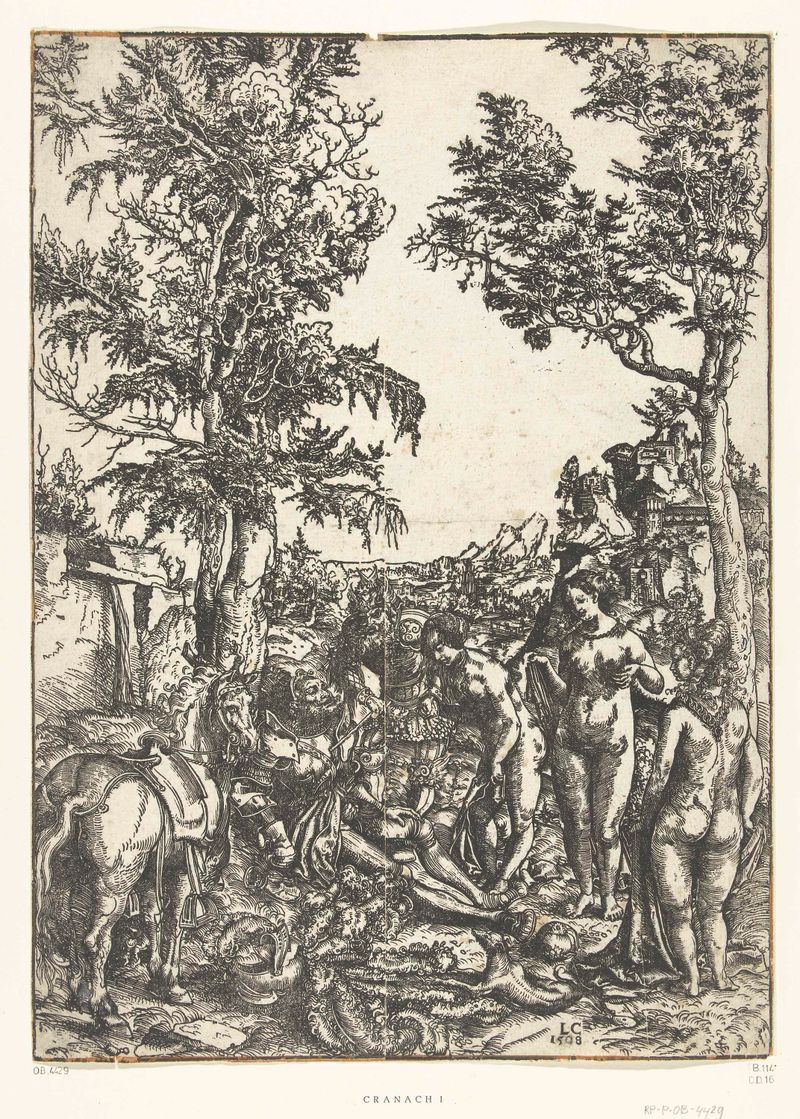
Oordeel van Paris
Lucas Cranach (I)
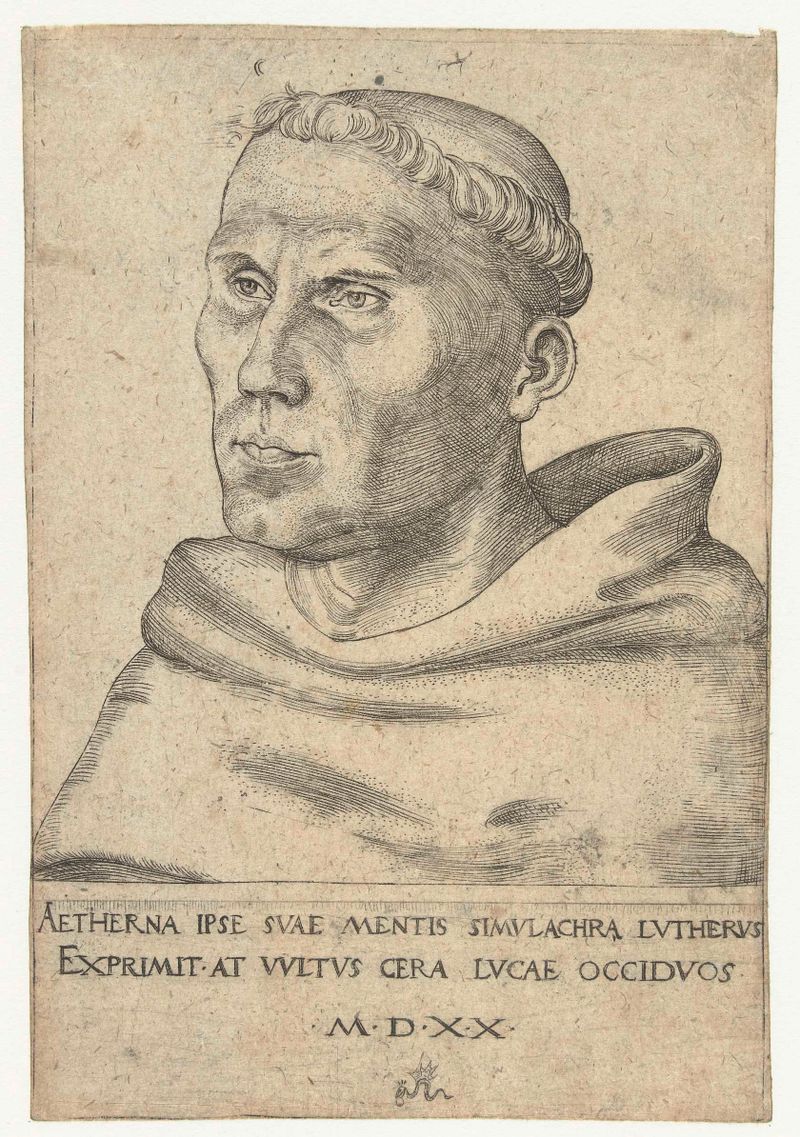
Portret van Martin Luther als Augustijner monnik
Lucas Cranach (I)
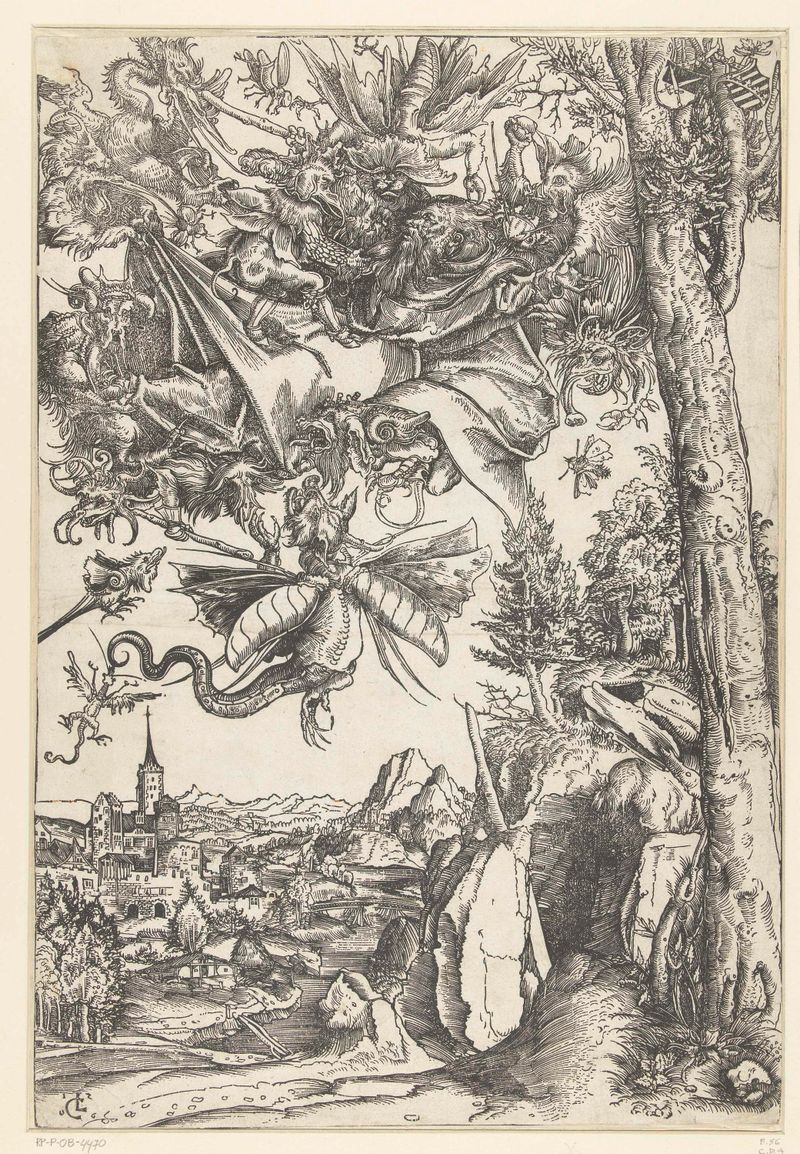
Verzoeking van Antonius met aanval door demonen
Lucas Cranach (I)

Christus en de Samaritaanse vrouw
Lucas Cranach (I)

Duits toernooi met twee edelmannen als ridders te paard
Lucas Cranach (I)
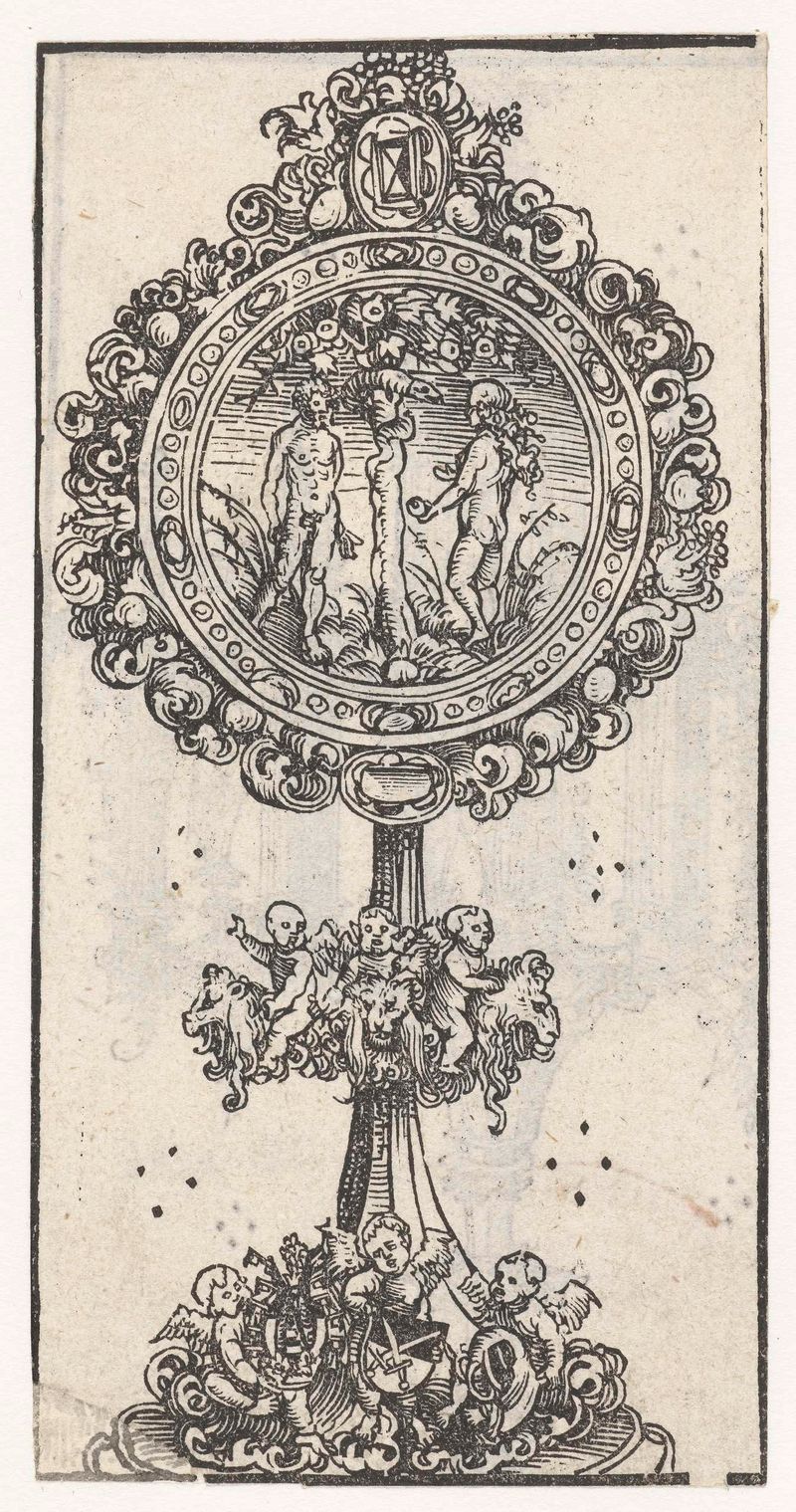
Reliekhouder met de verzoeking van Adam en Eva
Lucas Cranach (I)

Intocht van Christus in Jerusalem
Lucas Cranach (I)
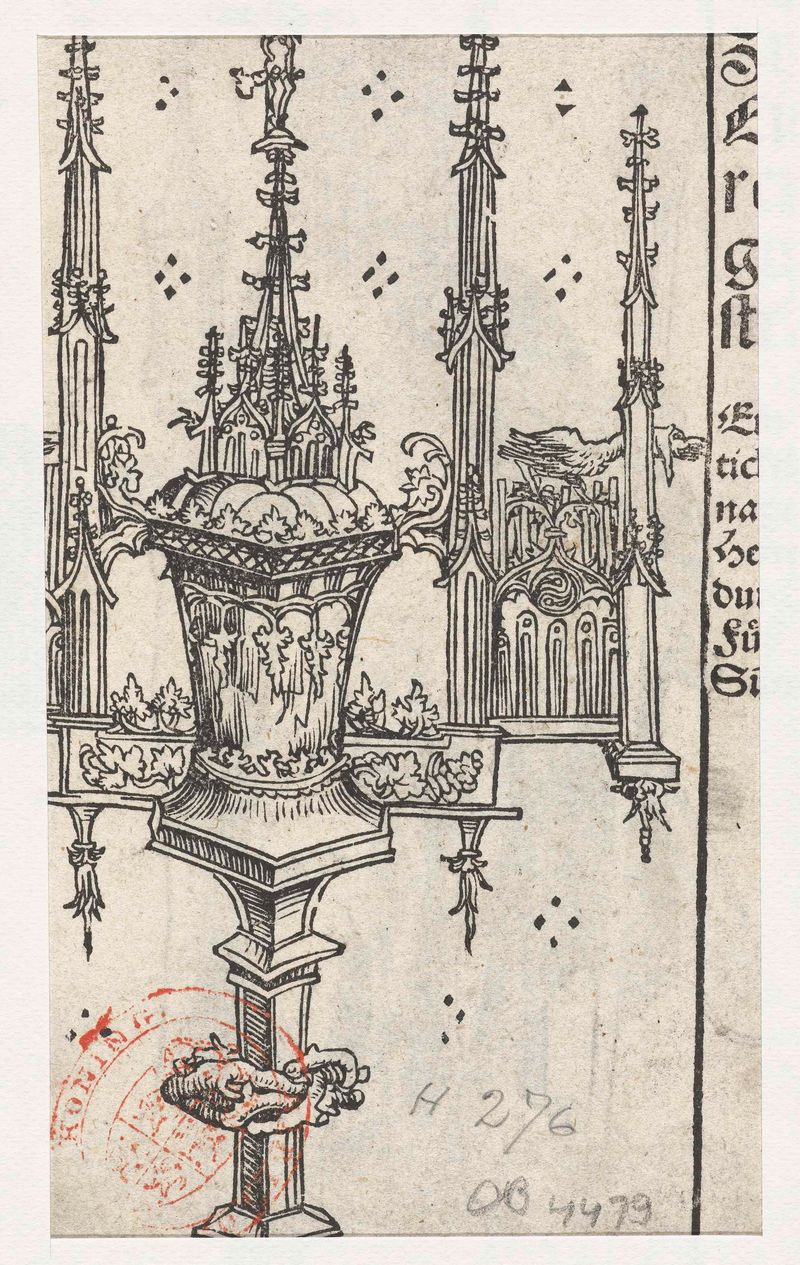
Monstrans met vogel (pelikaan)
Lucas Cranach (I)
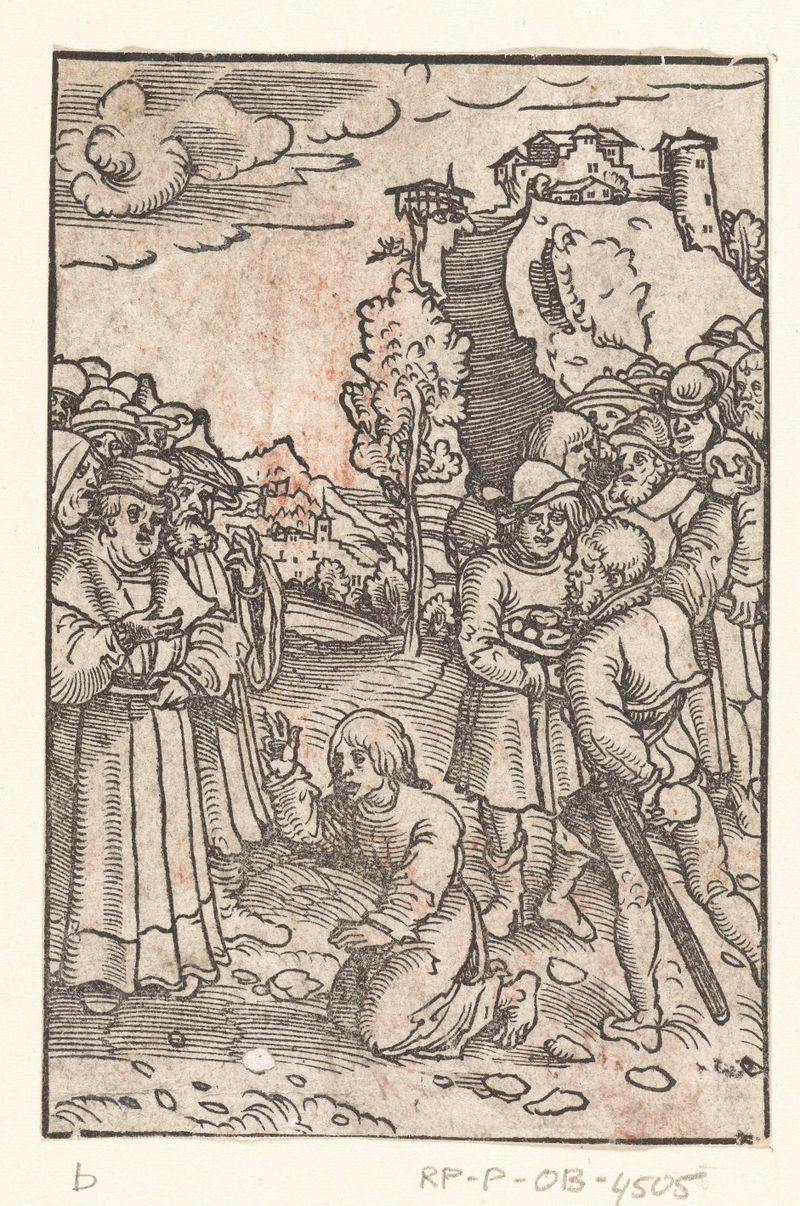
Steniging van Stefanus
Lucas Cranach (I)
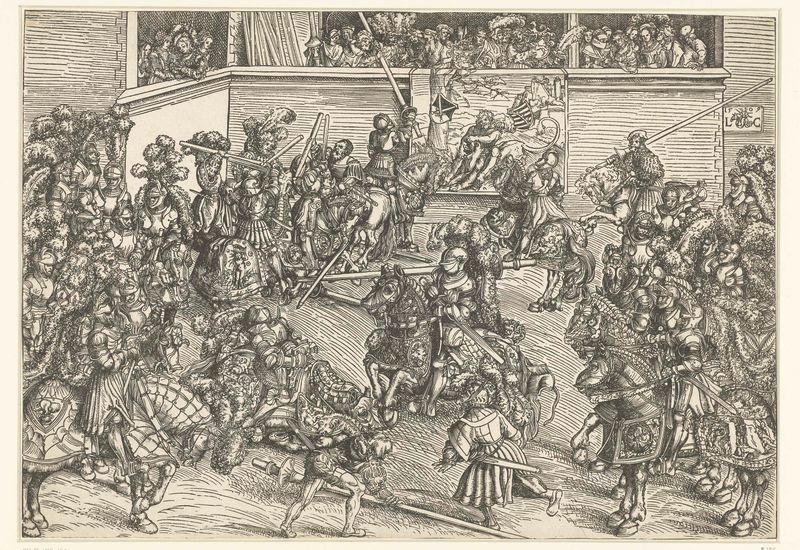
Toernooi van het keurvorstelijk hof van Saksen met wandtapijt Simson doodt de leeuw
Lucas Cranach (I)
More Religious Art
Browse all →
The Return of the Prodigal Son
Rembrandt van Rijn

The Garden of Earthly Delights
El Bosco

Count Orgaz’ funeral
El Greco

The Hundred Guilder Print: the central piece with Christ preaching, the plate arched
Rembrandt van Rijn

The Descent from the Cross
Rogier van der Weyden

The return of the prodigal son
Rembrandt van Rijn