
Christus geneest twee blinden en een bezetene — History & Facts
What secret hides in the quiet of the canvas? Beneath the visible actions and fervent expressions lies an undercurrent of grief that permeates every brushstroke. Look to the left at the central figure of Christ, enveloped in a resplendent halo that captures the viewer's gaze. His outstretched hand, tender and deliberate, reaches toward the blind men, conveying both compassion and authority. The muted, earthy tones of the background contrast starkly with the vibrant reds and golds of his garments, an intentional choice that elevates his divine role against the sorrowful milieu.
Notice how the light falls upon the figures, casting gentle shadows that suggest the weight of their conditions—blindness and possession, both forms of darkness. Delve deeper into the expressions etched on the faces of the afflicted. The blind men, with their eyes closed tight, embody hope tinged with despair, while the man possessed appears caught in an anguished moment of recognition. This juxtaposition of physical blindness and spiritual awakening speaks to the complexity of salvation and the intertwined fates of despair and redemption, revealing layers of emotional tension that resonate beyond the surface. Created between 1485 and 1491 in the bustling city of Antwerp, the artist was influenced by the burgeoning Northern Renaissance, which championed intricate detail and emotive storytelling.
This period saw a shift in artistic focus toward humanistic themes, and the work reflects a desire to engage the viewer on a personal level amidst a backdrop of widespread societal challenges and spiritual yearning. The artist's careful portrayal of human suffering and divine intervention captures a pivotal moment in both his own artistic journey and the cultural landscape of the time.
More Artworks by Meester van Antwerpen (I)
Browse all →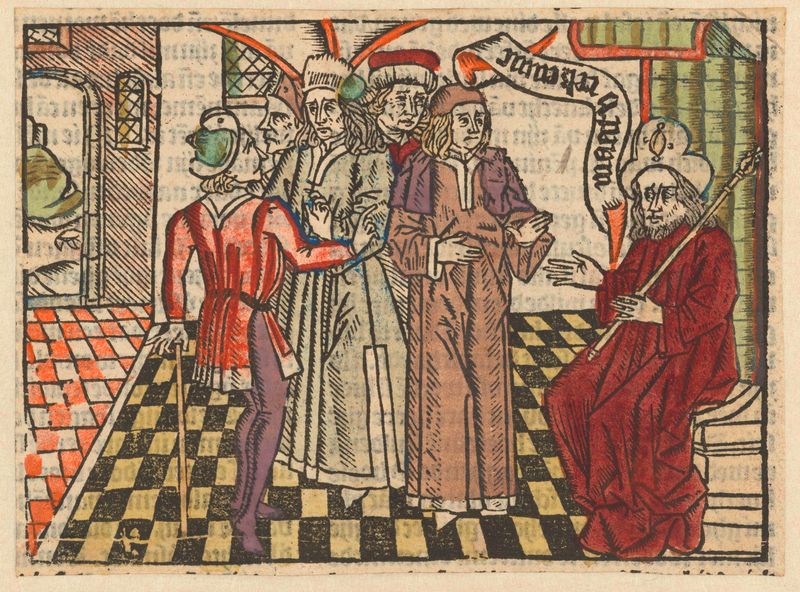
Parabel van de koning en de dienaar die geen vergiffenis schonk
Meester van Antwerpen (I)
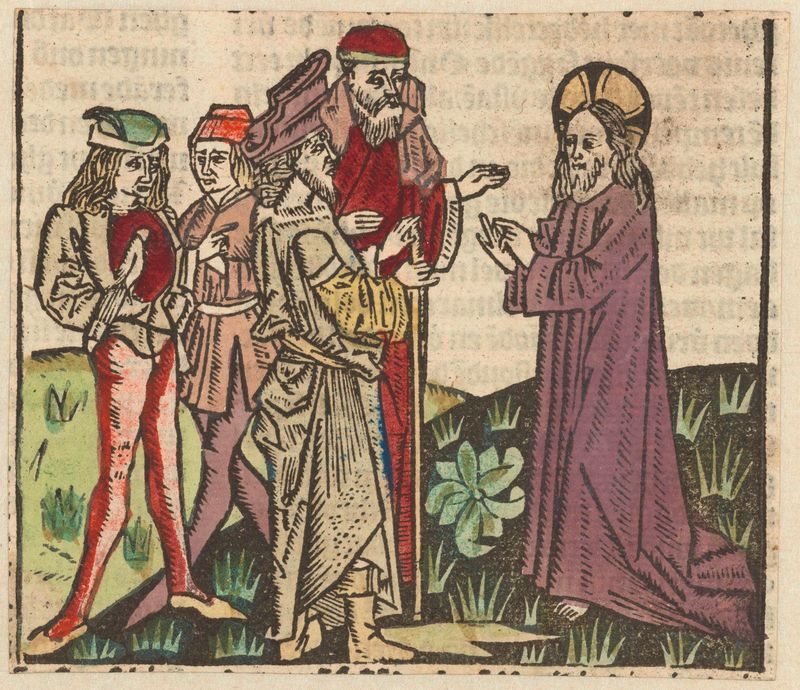
Christus in gesprek met Nicodemus
Meester van Antwerpen (I)
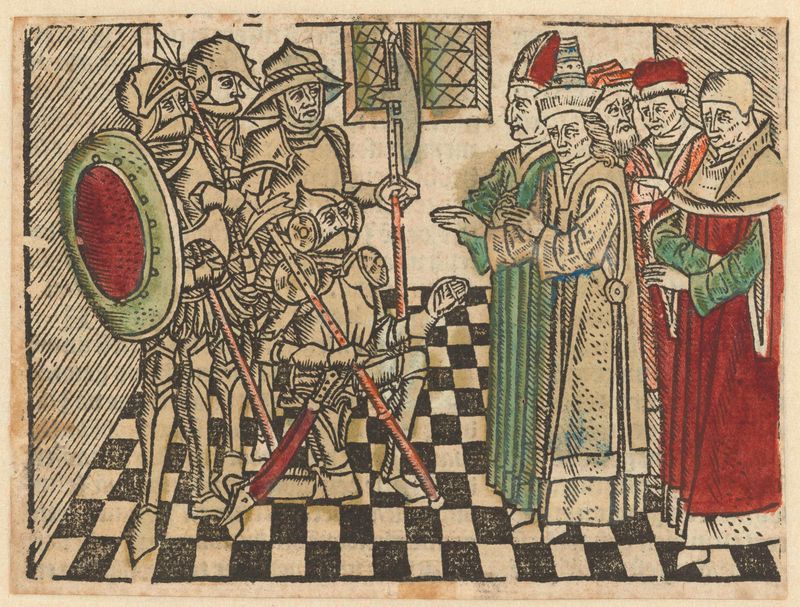
Soldaten berichten de hoge priesters dat Christus is herrezen
Meester van Antwerpen (I)
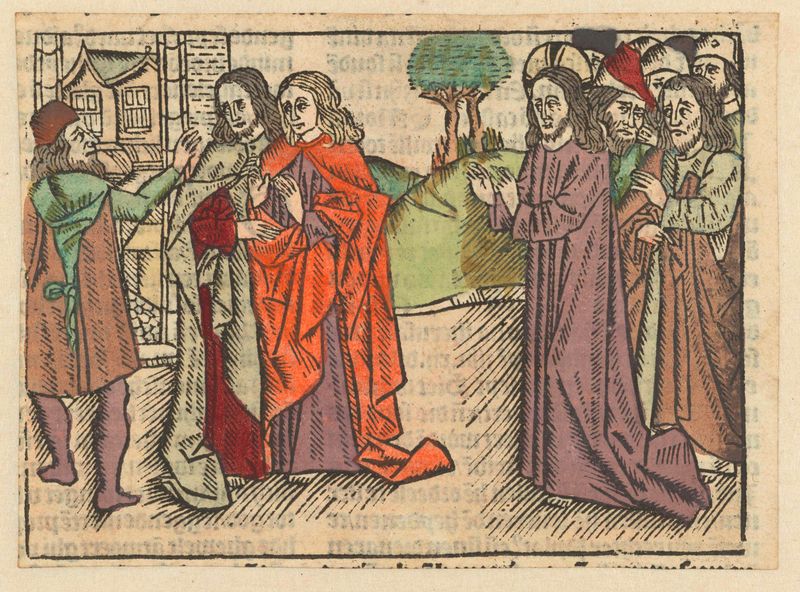
Een Samaritaan weigert Christus te ontvangen
Meester van Antwerpen (I)
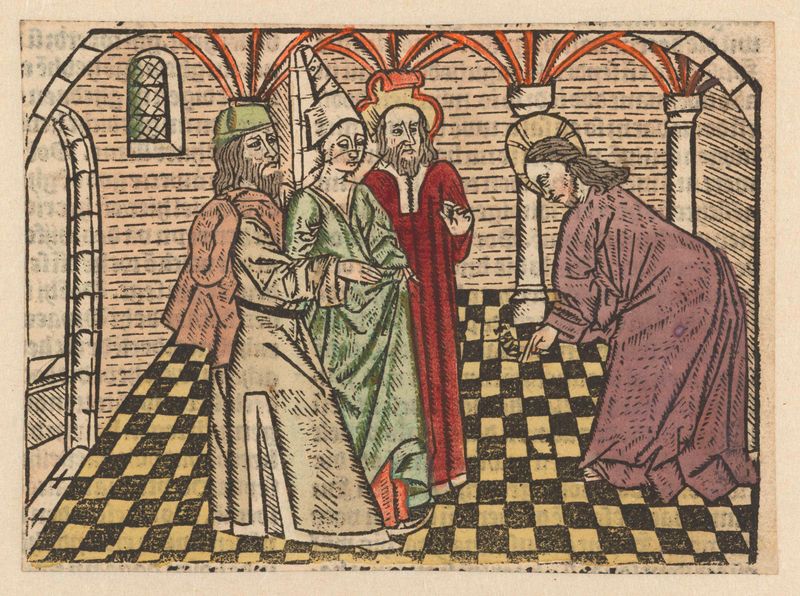
Christus en de overspelige vrouw
Meester van Antwerpen (I)
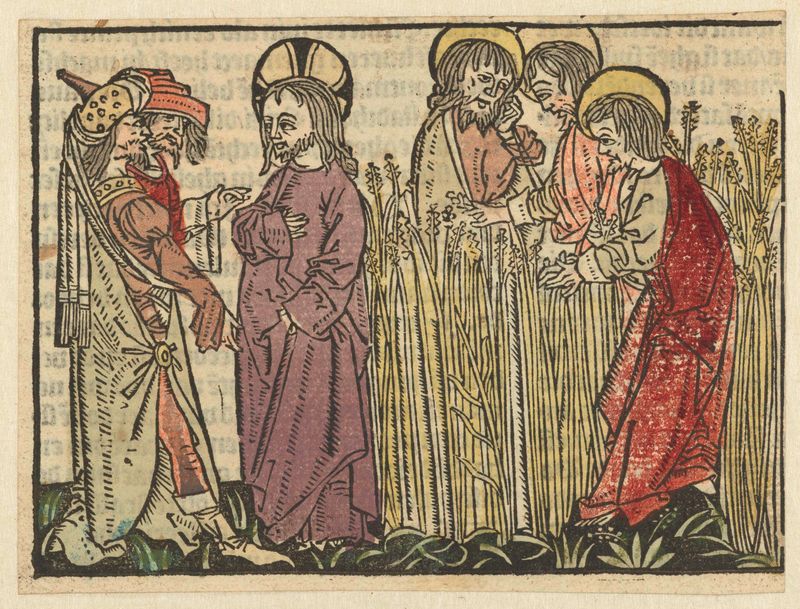
De discipelen plukken en eten aren op de sabbat
Meester van Antwerpen (I)
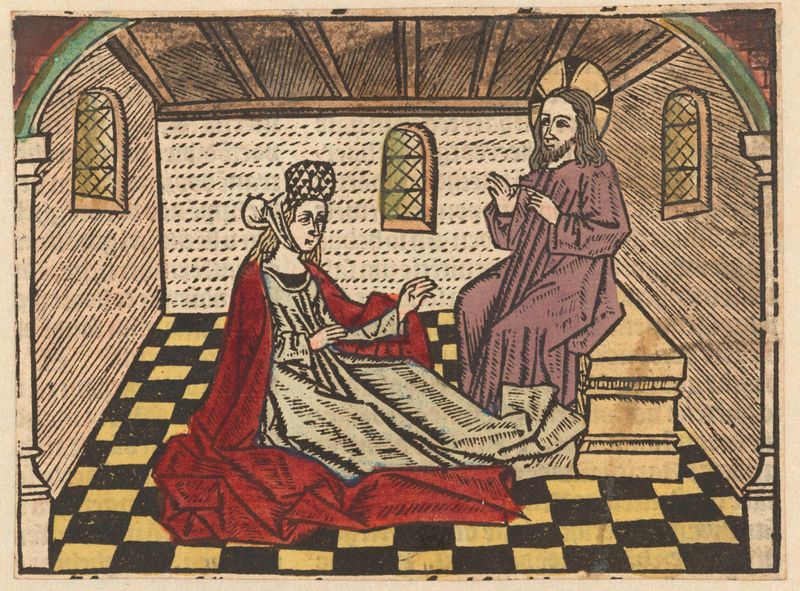
Maria Magdalena luistert naar Christus en bekeert zich
Meester van Antwerpen (I)
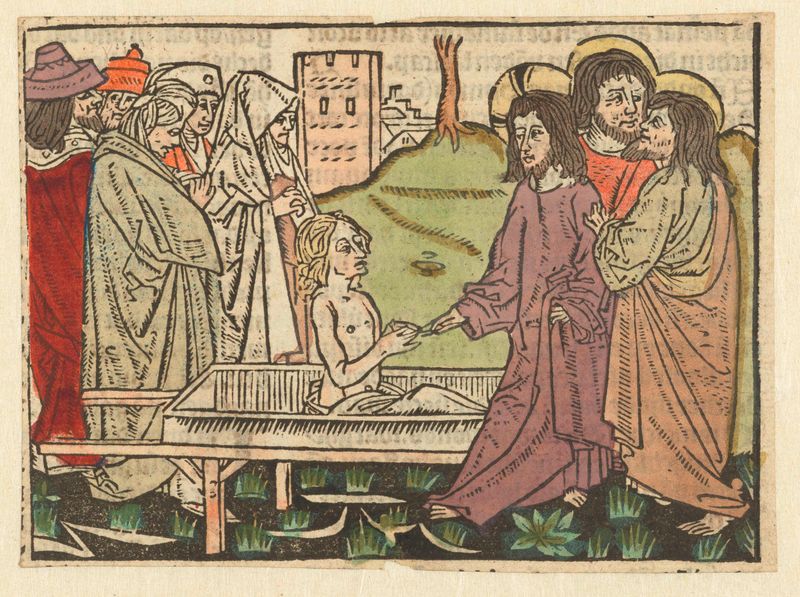
Opwekking van de zoon van de weduwe van Nain
Meester van Antwerpen (I)
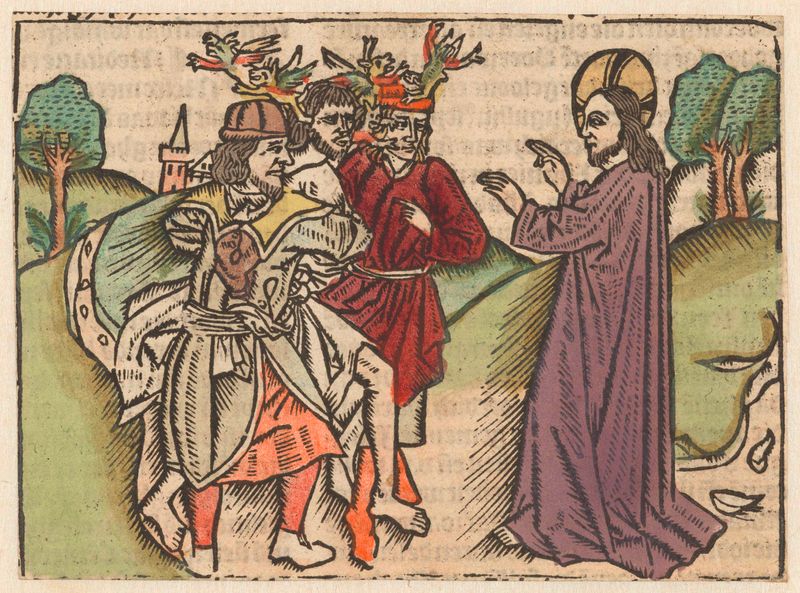
Christus geneest de bezeten man die niet kon spreken
Meester van Antwerpen (I)
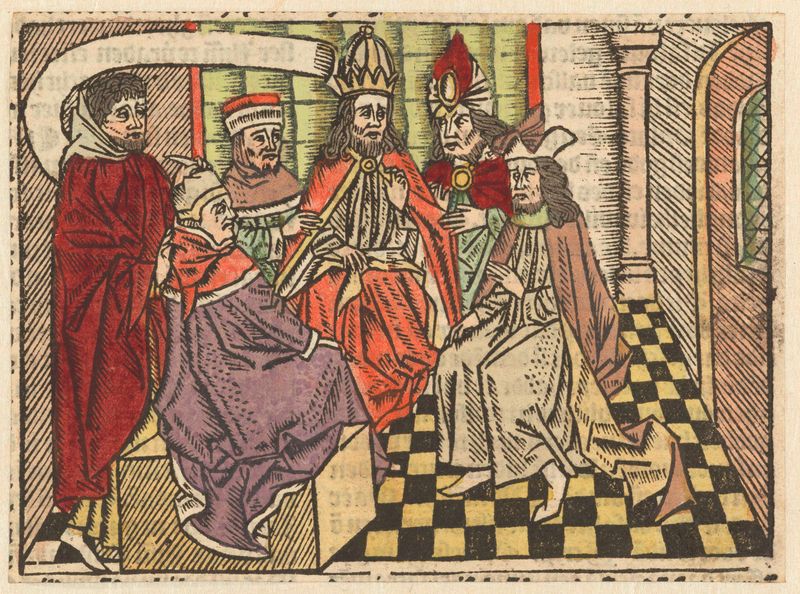
Judas bij de hogepriesters om Christus te verraden
Meester van Antwerpen (I)
More Religious Art
Browse all →
The Return of the Prodigal Son
Rembrandt van Rijn

The Garden of Earthly Delights
El Bosco

Count Orgaz’ funeral
El Greco

The Hundred Guilder Print: the central piece with Christ preaching, the plate arched
Rembrandt van Rijn

The Descent from the Cross
Rogier van der Weyden

The return of the prodigal son
Rembrandt van Rijn