
Christus in de hof van Gethsemane — History & Facts
When did color learn to lie? In a world where hues can mask the truth of existence, Christus in de hof van Gethsemane draws us into a contemplative void, beckoning us to explore the depths of despair and divine contradiction. Focus first on the figure of Christ, draped in shadowy robes that blend into the somber background. The light, almost ethereal, illuminates his face, capturing an expression that teeters between agony and resignation. Notice the surrounding foliage, intricately detailed yet muted in color, echoing the turmoil within.
Hollar’s delicate line work and selective use of chiaroscuro envelop the scene in an unsettling stillness, as if every leaf quivers with unspoken tension. The contrast between the vibrant, hopeful pastels of the blossoms and the muted earth tones of the figures creates a palpable tension between divine hope and impending sorrow. This is not merely a garden; it is a sanctuary of conflict, where prayer and anguish intertwine. The empty space surrounding Christ reflects a void, suggesting isolation amidst the weight of his impending sacrifice.
Each detail, from the trembling hands to the gnarled branches, reveals the emotional depth that lies beneath the surface. In 1670, Wenceslaus Hollar captured this moment during a time of personal and artistic upheaval. Living in the aftermath of the Thirty Years' War, Hollar grappled with themes of loss and redemption. Amidst the shifting currents of Baroque art, his intricate engravings sought to imbue the mundane with a sense of spiritual transcendence, forging connections to the profound human condition.
More Artworks by Wenceslaus Hollar
Browse all →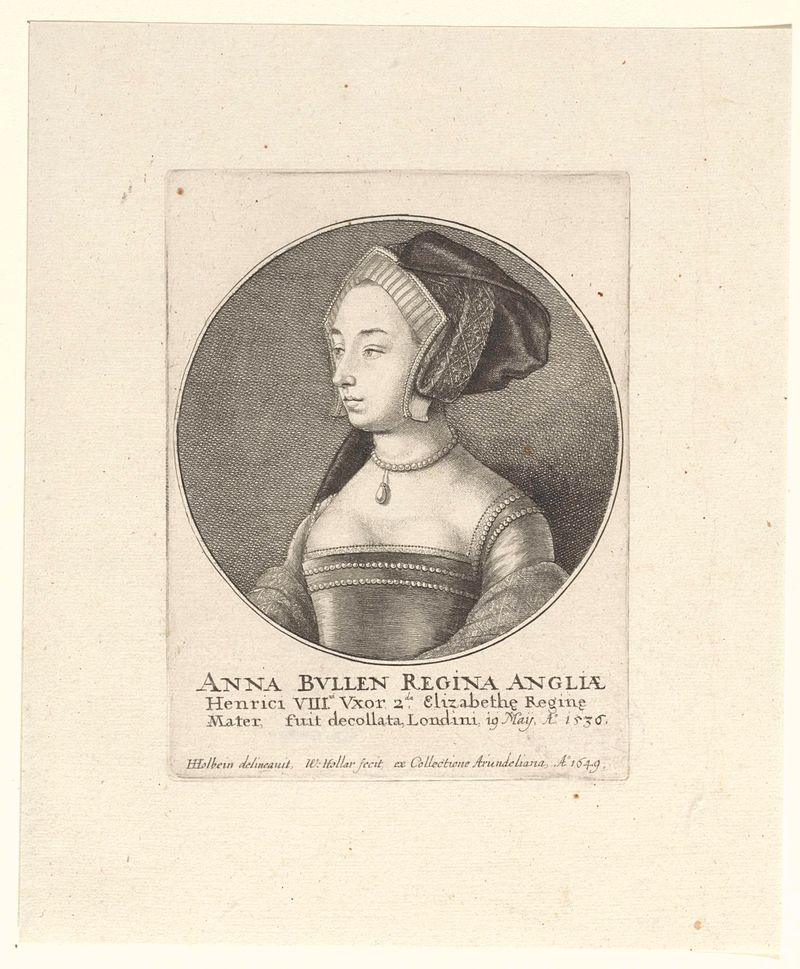
Portret van Anna Boleyn, koningin van Engeland
Wenceslaus Hollar
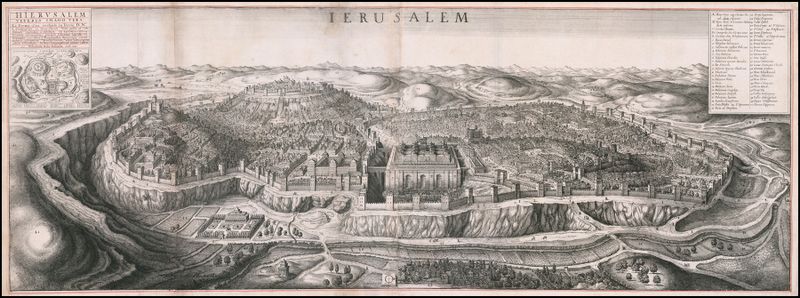
Bird’s eye view of Jerusalem
Wenceslaus Hollar
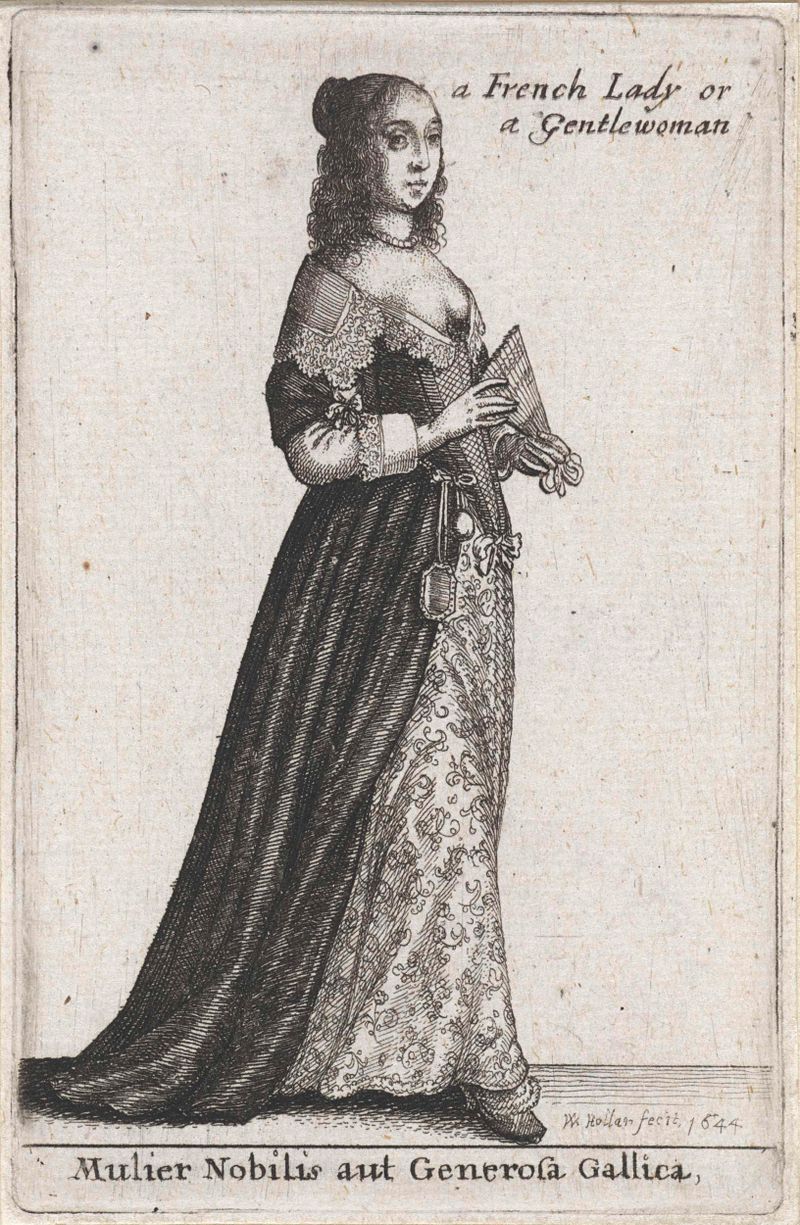
Mulier Nobilis aut Generosa Gallica / a French Lady or Gentlewoman
Wenceslaus Hollar
Titelprent voor: Ornatus Muliebris Anglicanus
Wenceslaus Hollar
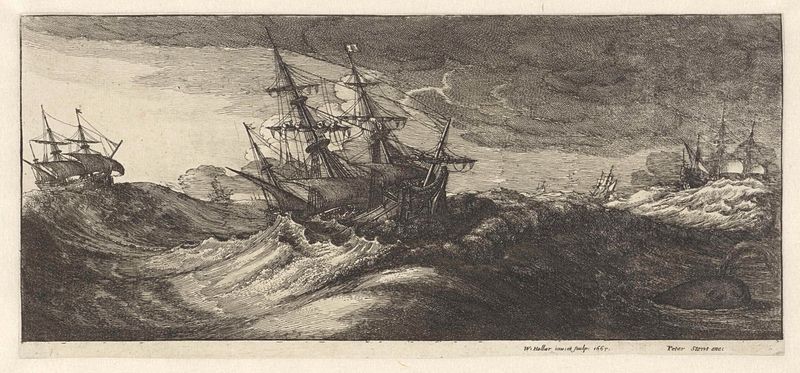
Oorlogsschepen en een walvis in een zeestorm
Wenceslaus Hollar
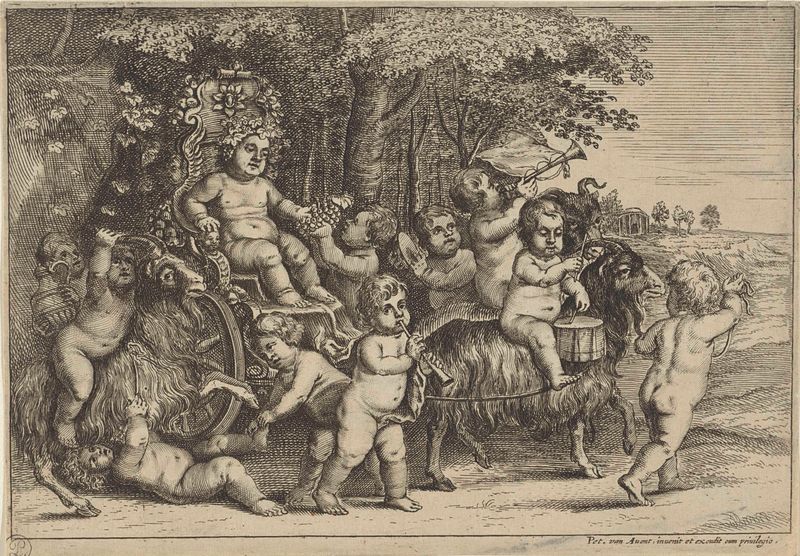
Optocht van bacchant en jongetjes op geiten
Wenceslaus Hollar
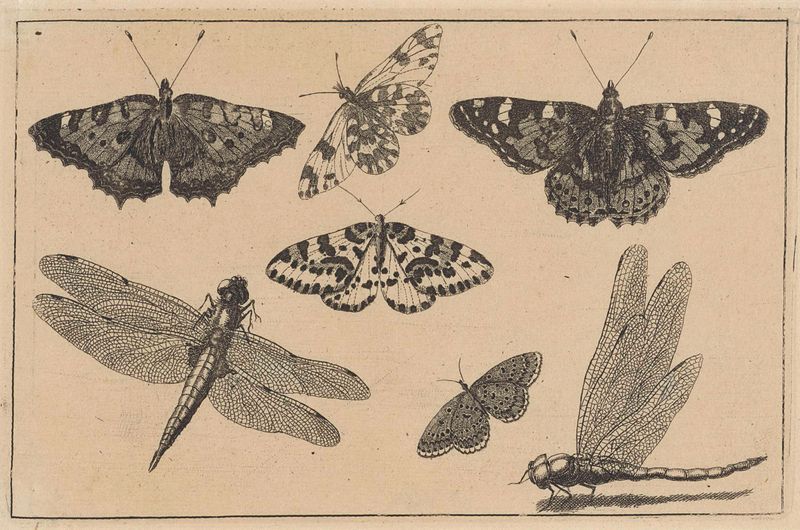
Twee libellen en vijf vlinders
Wenceslaus Hollar
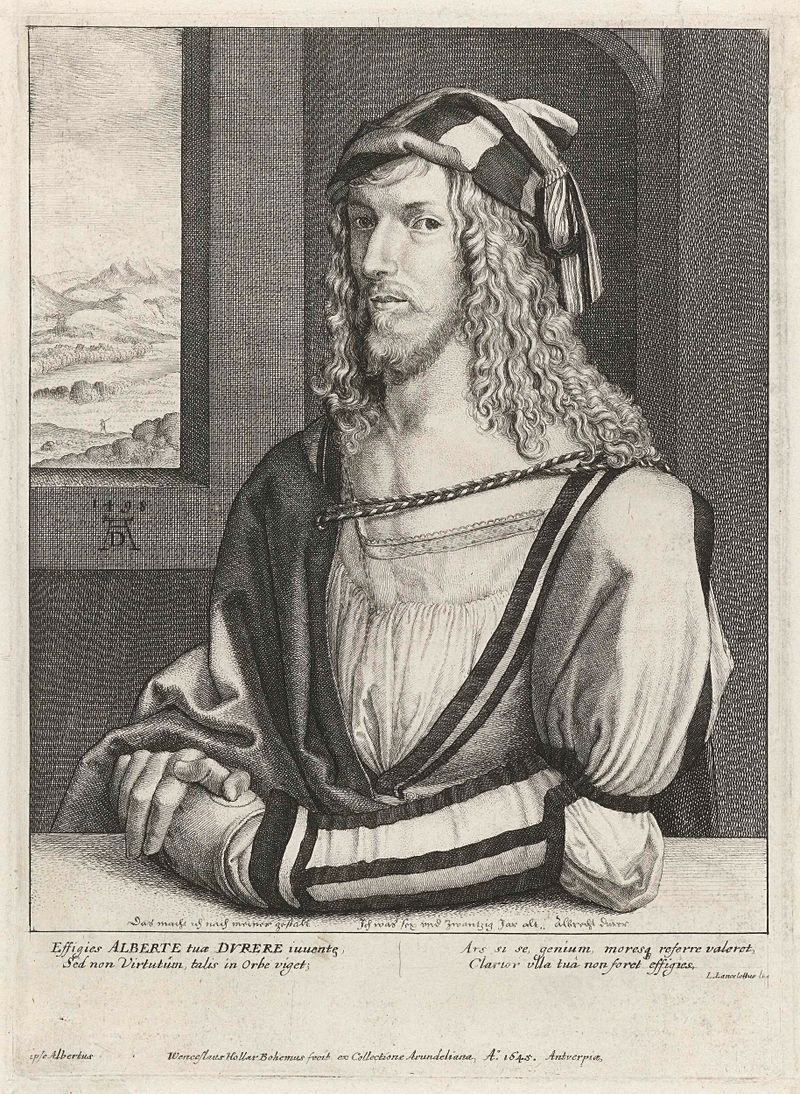
Portret van Albrecht Dürer
Wenceslaus Hollar
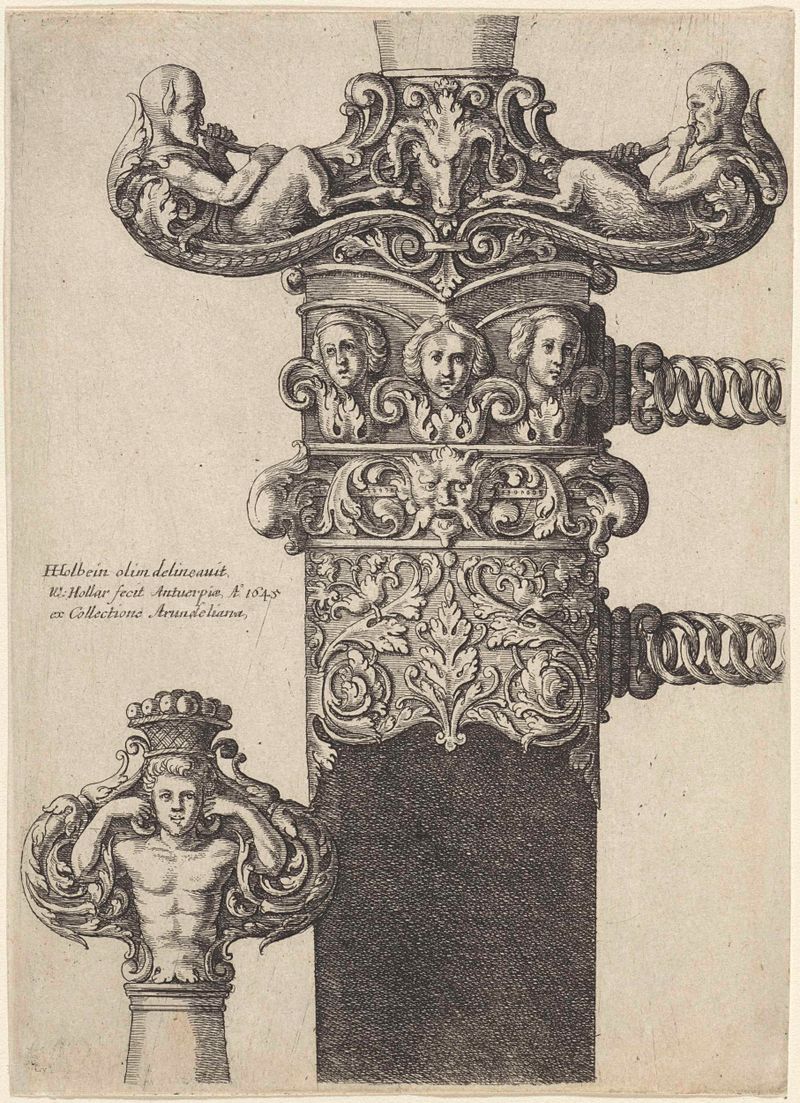
Ornamenteel ontwerp voor een dolk
Wenceslaus Hollar
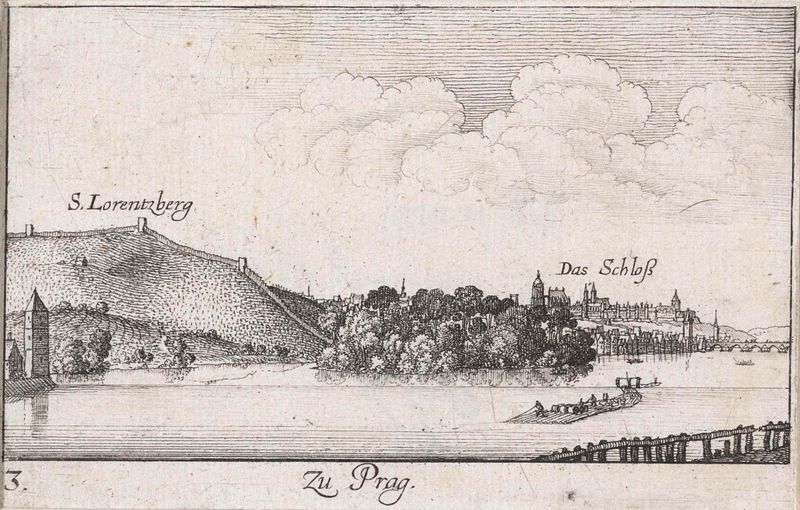
Gezicht op Praag vanaf de Moldau
Wenceslaus Hollar
More Religious Art
Browse all →
The Return of the Prodigal Son
Rembrandt van Rijn

The Garden of Earthly Delights
El Bosco

Count Orgaz’ funeral
El Greco

The Hundred Guilder Print: the central piece with Christ preaching, the plate arched
Rembrandt van Rijn

The Descent from the Cross
Rogier van der Weyden

The return of the prodigal son
Rembrandt van Rijn