
Christus in het huis van de Farizeeër — History & Facts
This stillness invites a moment of revelation, a fleeting glimpse into a profound exchange between the sacred and the ordinary. What truths lie hidden in our encounters, awaiting the right light or gesture to unveil them? Look to the center of the composition, where the figure of Christ radiates a serene presence, contrasting sharply with the shadowy, silent figures that surround him. The warm, golden hues of the light envelop Him, drawing your eye first to his gentle expression and outstretched hand, poised in an act of both invitation and instruction.
Notice the meticulous detail in the drapery of the figures around him, each fold of fabric echoing their emotional states, while the darker palette of their garments adds to the tension and drama of the moment. The emotional weight of this piece unfolds in the contrasts it presents: the sacred versus the secular, light versus shadow, revelation versus resistance. The onlookers, many with downcast eyes, embody skepticism and doubt, while Christ stands as a beacon of hope and understanding, urging them toward a revelation of faith. Observe the gestures—perhaps a hand subtly reaching out, a head turned away—we see the spectrum of belief and doubt, of acceptance and rejection, each figure encapsulated in a moment of inner conflict. Painted between 1485 and 1491, this work emerges from a time of social and religious upheaval in Europe, when artists began to explore complex human emotions within biblical narratives.
The anonymous creator, often referred to as the Master of Antwerp, thrived in a burgeoning market for devotional art, capturing the essence of spiritual contemplation through intricate detail and poignant composition.
More Artworks by Meester van Antwerpen (I)
Browse all →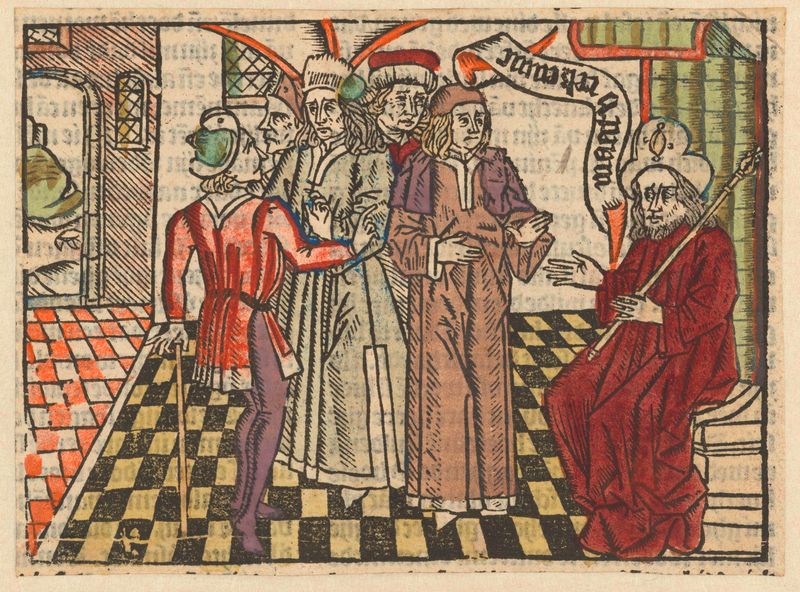
Parabel van de koning en de dienaar die geen vergiffenis schonk
Meester van Antwerpen (I)
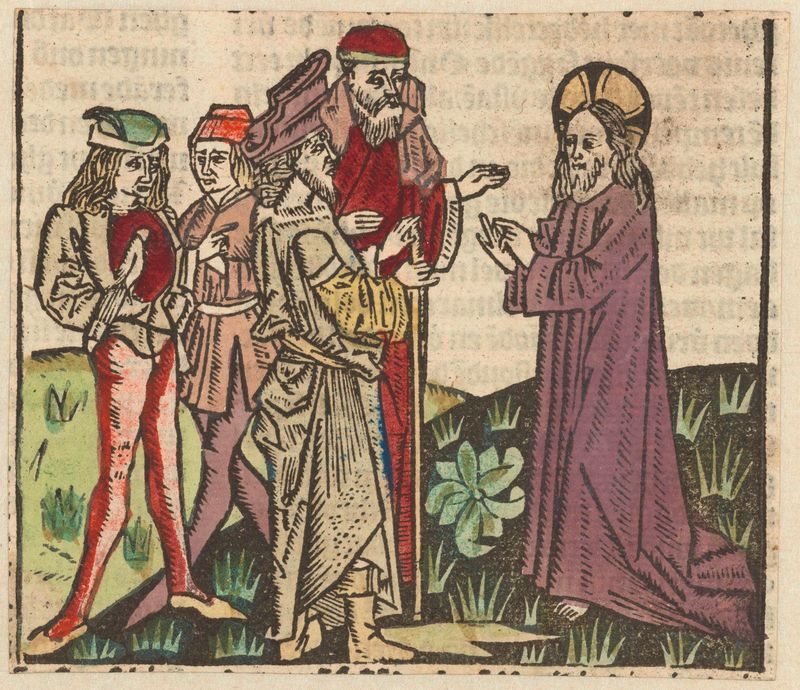
Christus in gesprek met Nicodemus
Meester van Antwerpen (I)
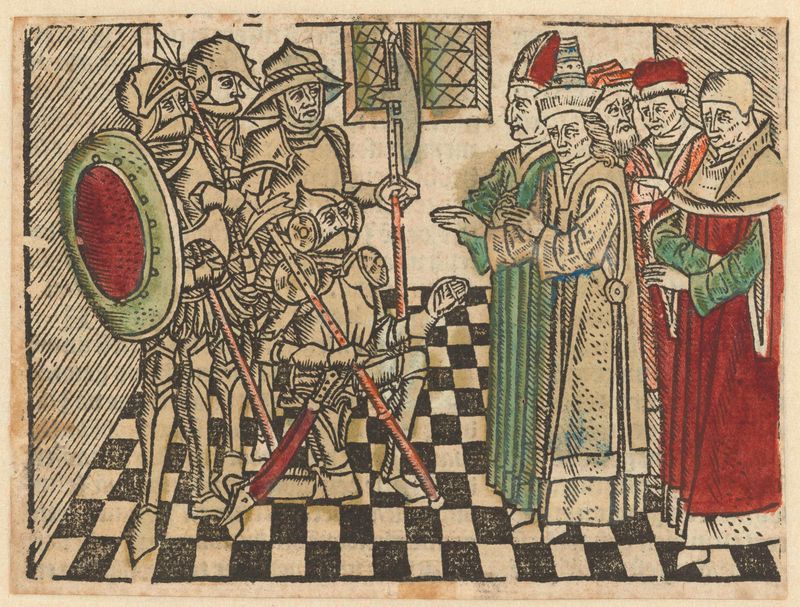
Soldaten berichten de hoge priesters dat Christus is herrezen
Meester van Antwerpen (I)
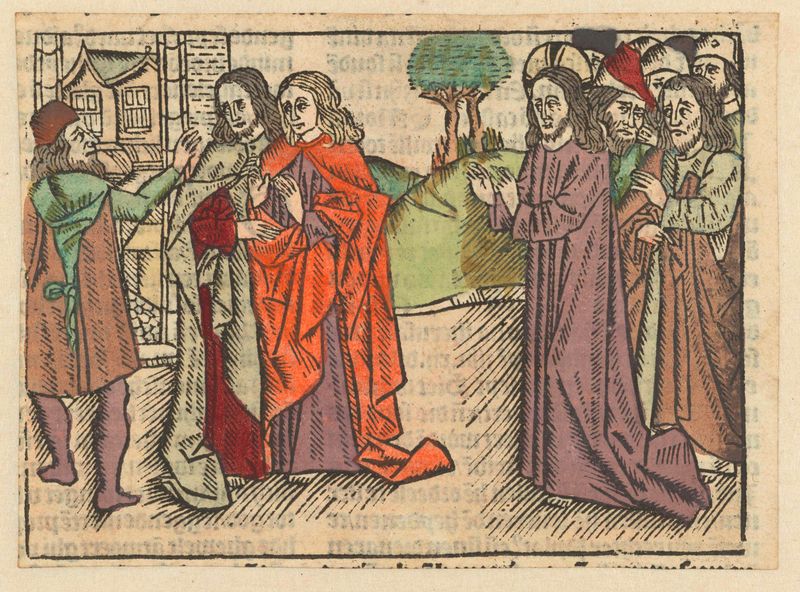
Een Samaritaan weigert Christus te ontvangen
Meester van Antwerpen (I)
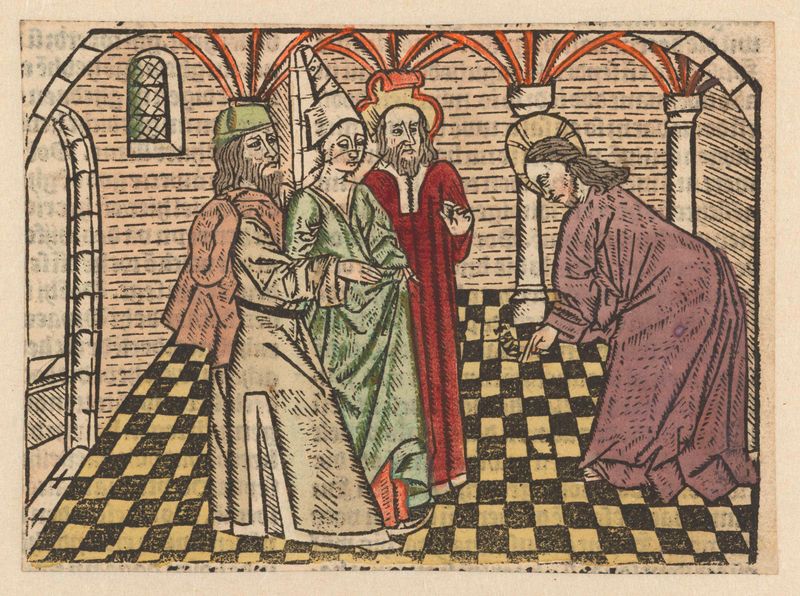
Christus en de overspelige vrouw
Meester van Antwerpen (I)
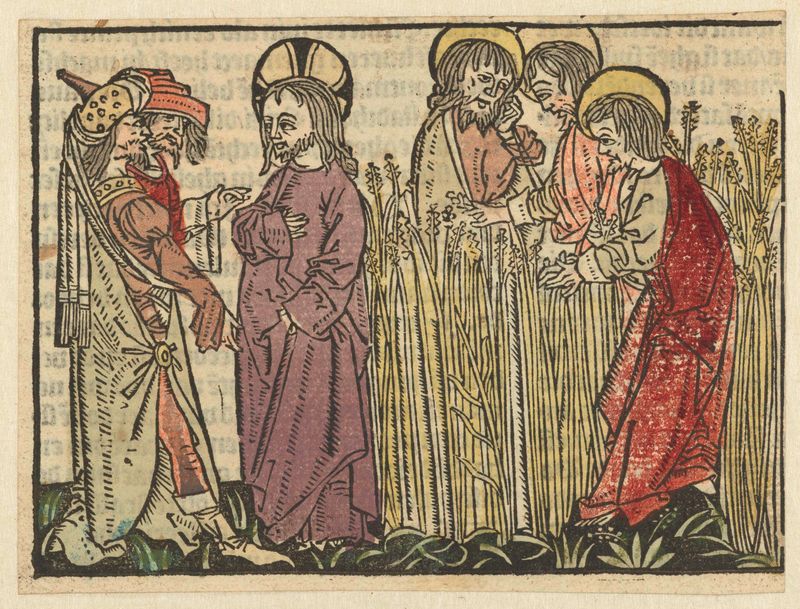
De discipelen plukken en eten aren op de sabbat
Meester van Antwerpen (I)
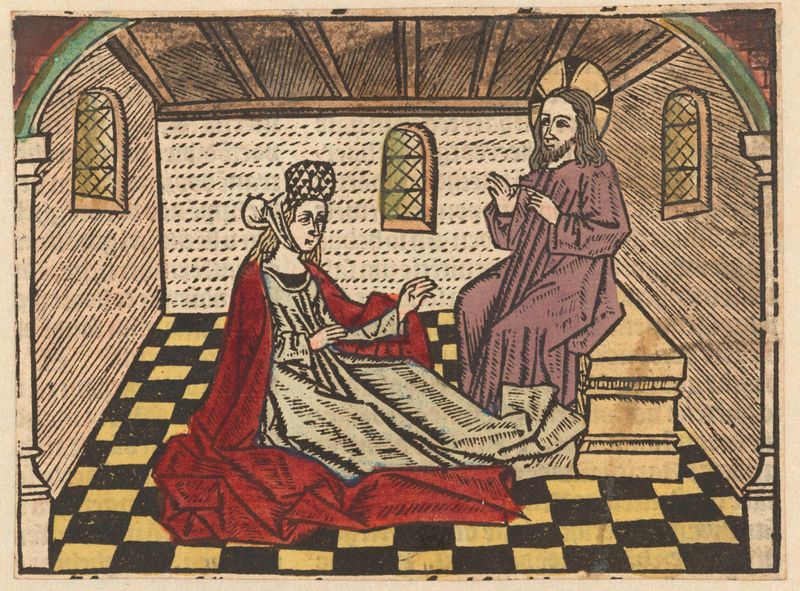
Maria Magdalena luistert naar Christus en bekeert zich
Meester van Antwerpen (I)
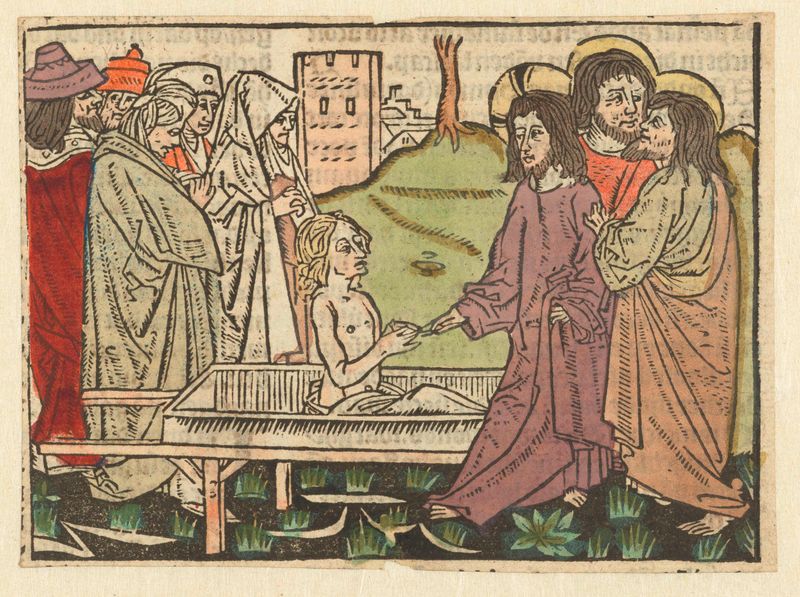
Opwekking van de zoon van de weduwe van Nain
Meester van Antwerpen (I)
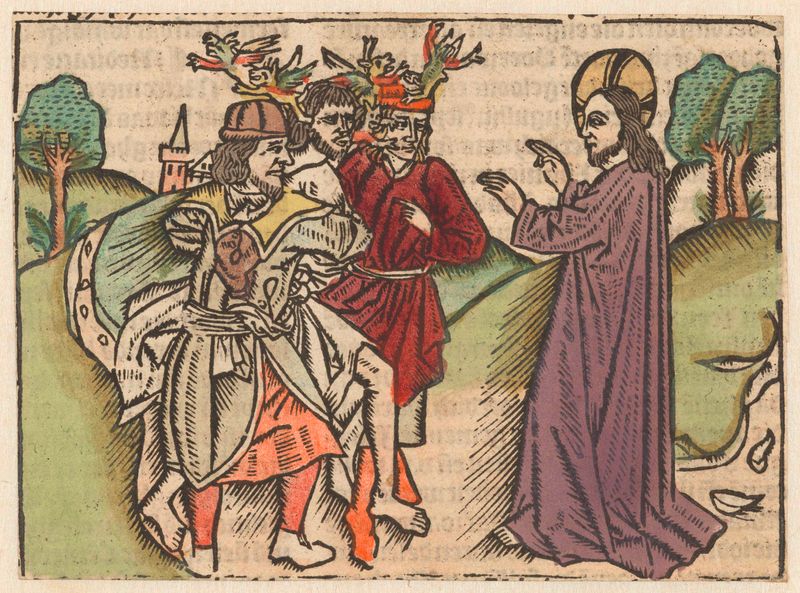
Christus geneest de bezeten man die niet kon spreken
Meester van Antwerpen (I)
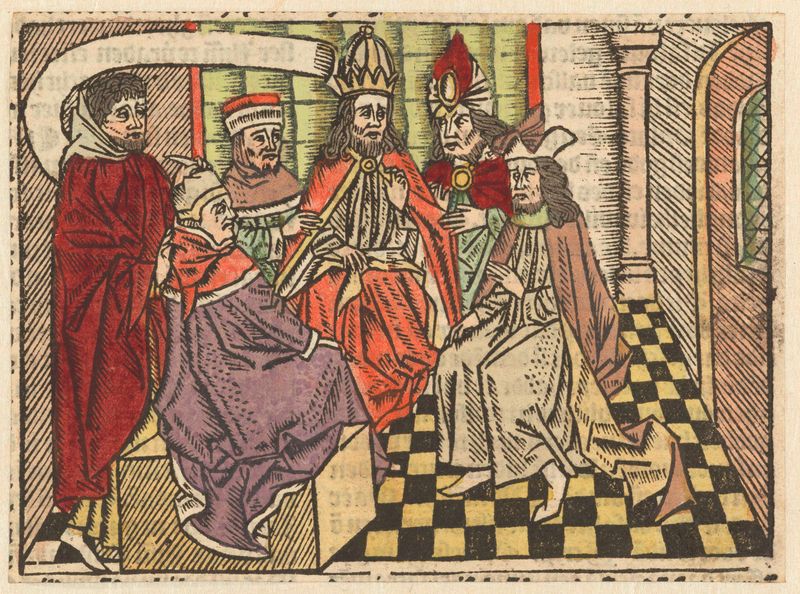
Judas bij de hogepriesters om Christus te verraden
Meester van Antwerpen (I)
More Religious Art
Browse all →
The Return of the Prodigal Son
Rembrandt van Rijn

The Garden of Earthly Delights
El Bosco

Count Orgaz’ funeral
El Greco

The Hundred Guilder Print: the central piece with Christ preaching, the plate arched
Rembrandt van Rijn

The Descent from the Cross
Rogier van der Weyden

The return of the prodigal son
Rembrandt van Rijn