
Christus is naakt en wordt gekleed — History & Facts
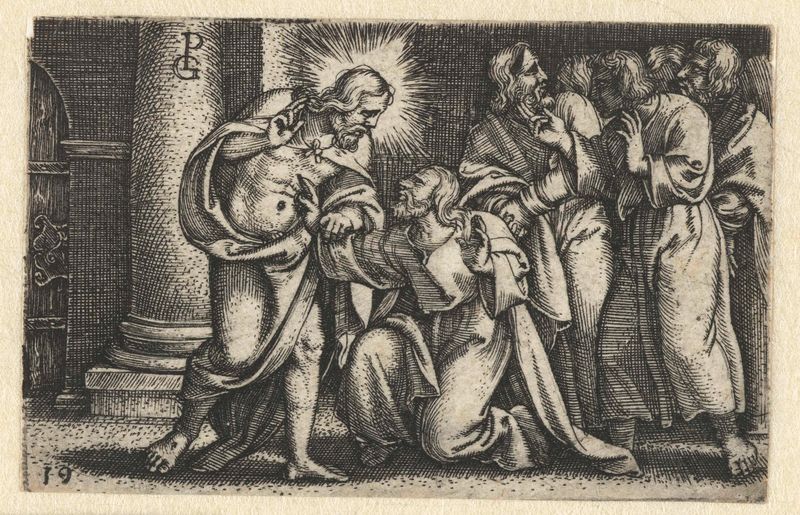
Is this a mirror — or a memory? The act of dressing, both intimate and profound, transcends mere fabric and form, weaving together threads of time and existence. In a world where moments slip away like grains of sand, how do we capture the essence of the sacred and the mundane? Look to the left at the figure of Christ, caught in a vulnerable moment, his divine form partially draped. Notice how the light gently caresses his skin, illuminating the ethereal quality of the scene, as the delicate fabric hovers between the tangible and the transcendent.
The muted palette of earth tones underscores a solemnity that invites the viewer to reflect on the significance of the act being performed. Each brushstroke encapsulates a universe of meaning, from the soft contours of the body to the concentrated expressions of the figures around him. Beneath the surface, tensions arise between divinity and humanity, vulnerability and strength. The juxtaposition of Christ’s nakedness against the act of being clothed invokes a deep sense of introspection.
What does it mean to be adorned in both a spiritual and physical sense? The figures surrounding him, embodying both action and reverence, suggest a collective memory where time stands still, merging past, present, and future in an eternal moment of honor. Georg Pencz created this poignant work in 1534 during a time of religious upheaval and transformation in Europe. Working in Nuremberg, he was influenced by the evolving styles of the Northern Renaissance, blending elements of realism with vivid emotional expression. At this juncture, the artist’s exploration of sacred themes resonated with the spiritual questions of his age, as the Reformation began to reshape notions of faith and representation.
More Artworks by Georg Pencz
Browse all →
Parabel van de zaaier
Georg Pencz

Parabel van de arbeiders in de wijngaard
Georg Pencz
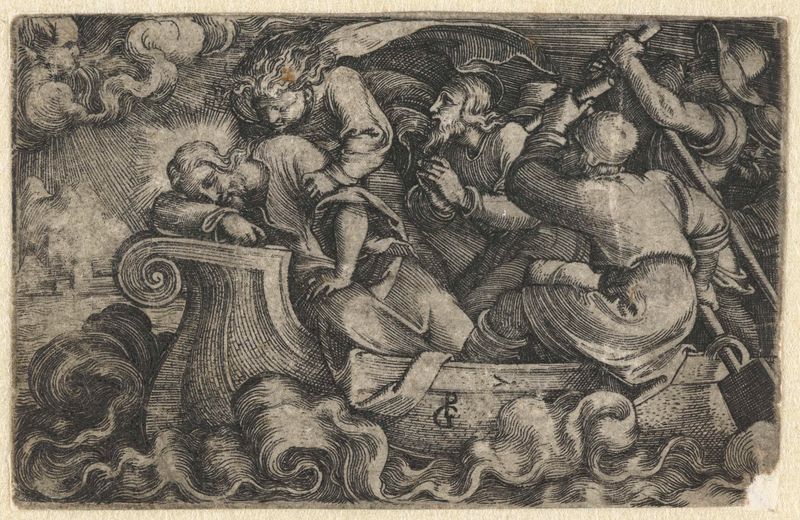
Discipelen wekken slapende Christus tijdens storm op Meer van Galilea
Georg Pencz

Afgunst (Invidia)
Georg Pencz
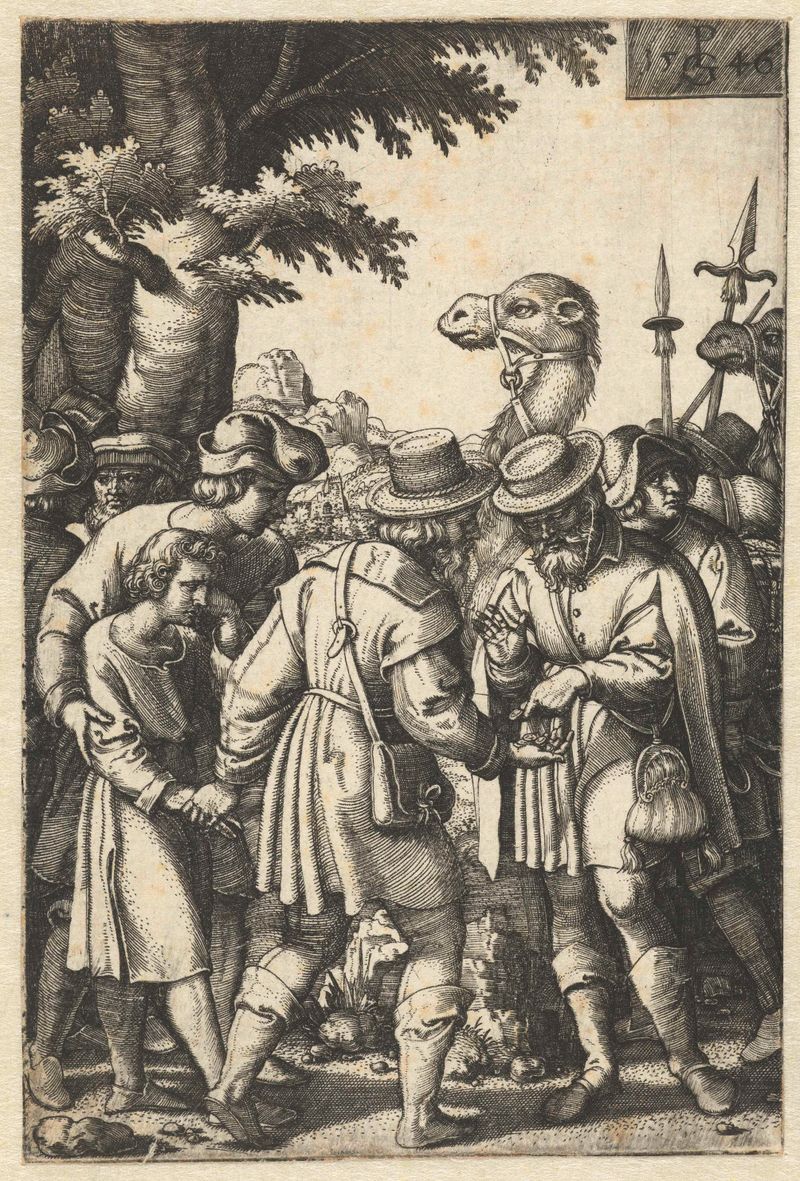
Jozef wordt verkocht aan kooplieden op weg naar Egypte
Georg Pencz

Aanbidding der koningen
Georg Pencz
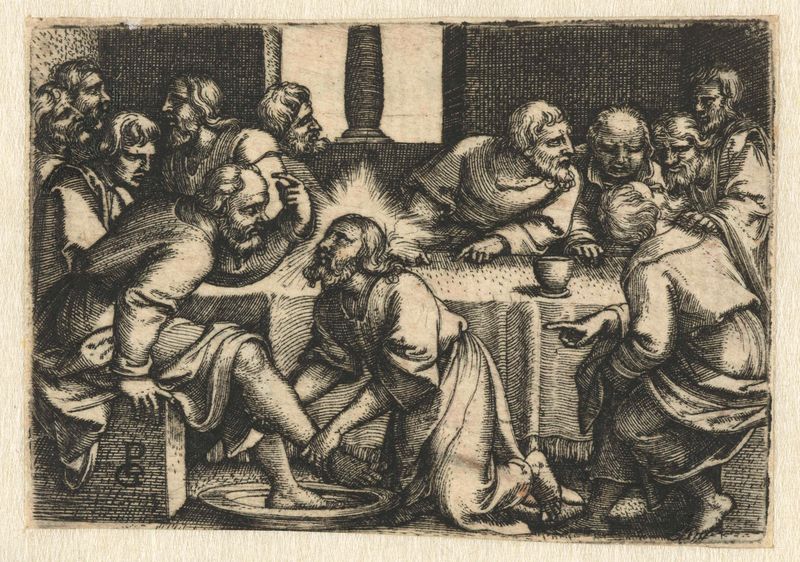
Petrus protesteert als Christus zijn voeten wast
Georg Pencz
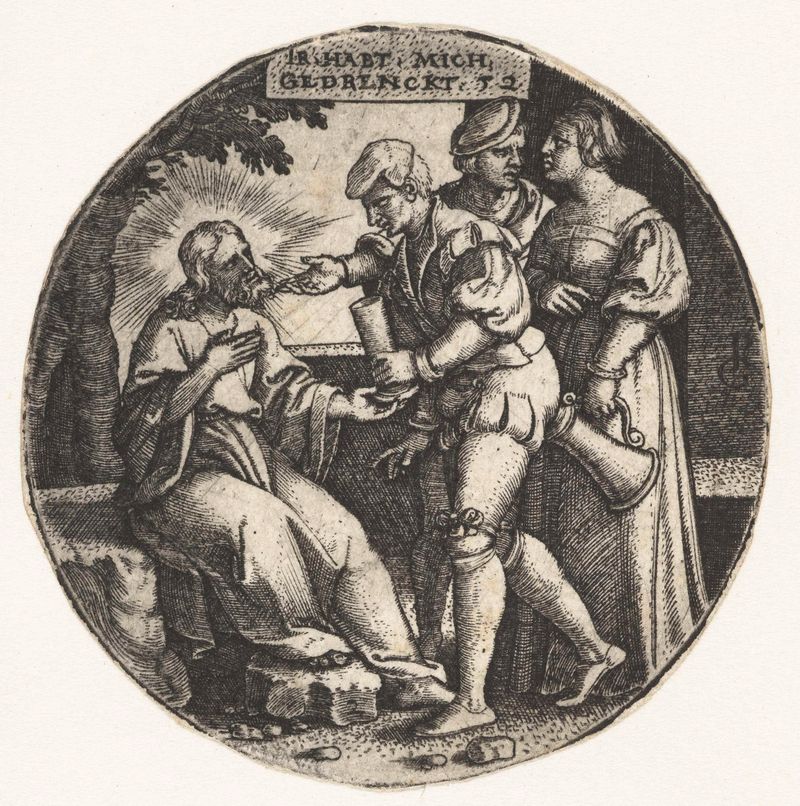
Christus heeft dorst en krijgt drinken aangeboden
Georg Pencz
Ongelovige Thomas raakt wonden Christus aan
Georg Pencz

Offer van Abraham van Isaak
Georg Pencz
More Religious Art
Browse all →
The Return of the Prodigal Son
Rembrandt van Rijn

The Garden of Earthly Delights
El Bosco

Count Orgaz’ funeral
El Greco

The Hundred Guilder Print: the central piece with Christ preaching, the plate arched
Rembrandt van Rijn

The Descent from the Cross
Rogier van der Weyden

The return of the prodigal son
Rembrandt van Rijn