
Christus, Johannes en drie cherubijnen — History & Facts
The canvas doesn’t lie — it simply waits. What truths lie dormant within its layers, poised for discovery? Look to the center, where three cherubim hover, their small, cherubic faces radiating innocence amidst the weight of divine presence. Hollar’s meticulous line work brings clarity to the figures, while the soft wash of earthly tones contrasts the brilliant luminescence of their heavenly forms.
Notice how the ethereal glow seems to emanate from the angels, enveloping the surrounding figures in an almost palpable warmth, inviting the viewer to linger at the threshold between the earthly and the divine. Delve deeper into the expressions of the characters. The serene countenance of Christ contrasts sharply with the playful innocence of the cherubs, suggesting a tension between the divine mission and the purity of youth. Symbolism unfolds through the positioning of the figures; the cherubs act as intermediaries, suggesting an awakening of the spirit as they guide the viewer’s gaze upwards.
Each detail, from the rippling drapery to the soft halo around the spiritual figures, speaks to a world where the celestial and the terrestrial exist in a delicate balance. In 1646, while creating this piece, Hollar was immersed in the Baroque artistic movement, characterized by its dynamic compositions and emotional depth. Living in the tumultuous landscape of war-torn Europe, he sought to convey hope and tranquility through this contemplative scene. A master of etching, Hollar’s work reflected both personal and universal themes, echoing the spiritual awakening his society desperately craved in challenging times.
More Artworks by Wenceslaus Hollar
Browse all →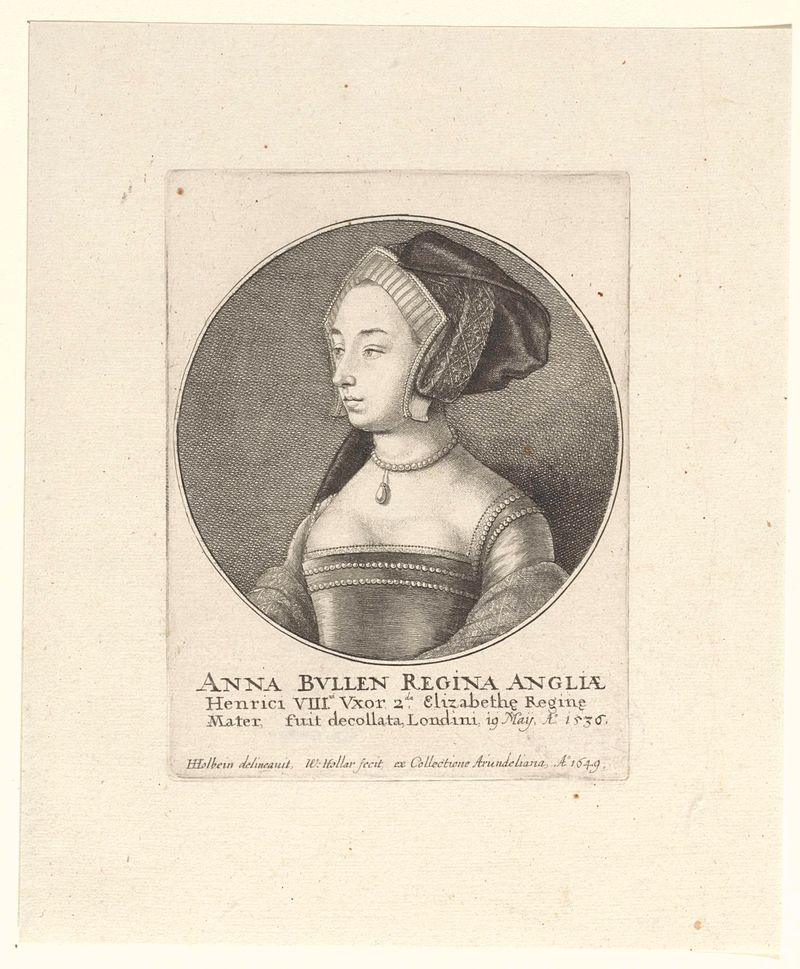
Portret van Anna Boleyn, koningin van Engeland
Wenceslaus Hollar
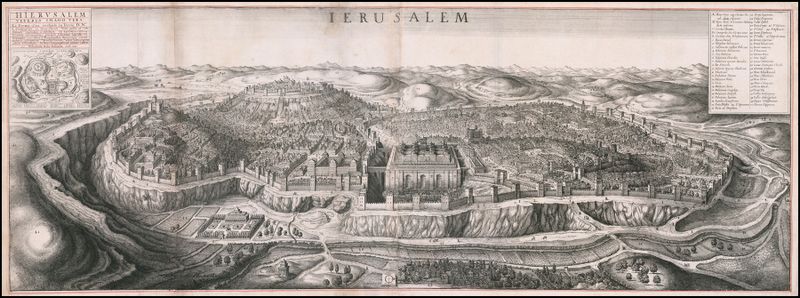
Bird’s eye view of Jerusalem
Wenceslaus Hollar
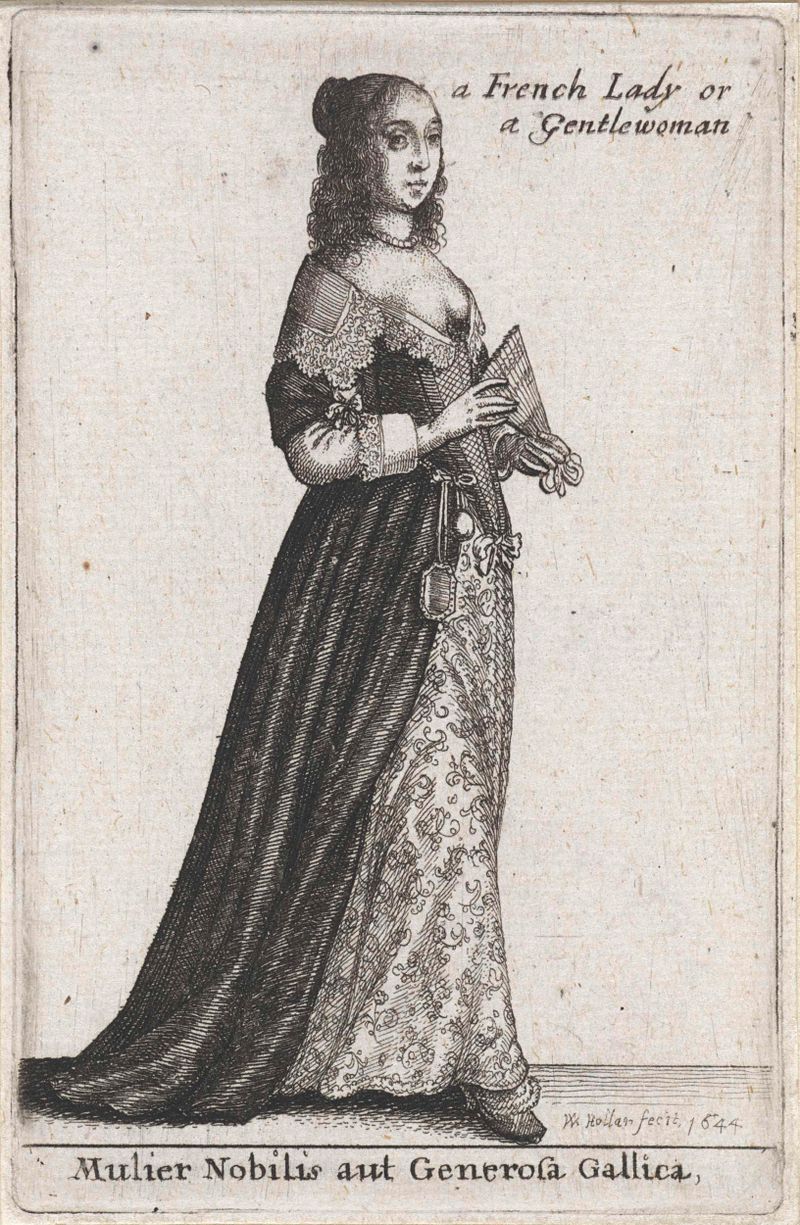
Mulier Nobilis aut Generosa Gallica / a French Lady or Gentlewoman
Wenceslaus Hollar
Titelprent voor: Ornatus Muliebris Anglicanus
Wenceslaus Hollar
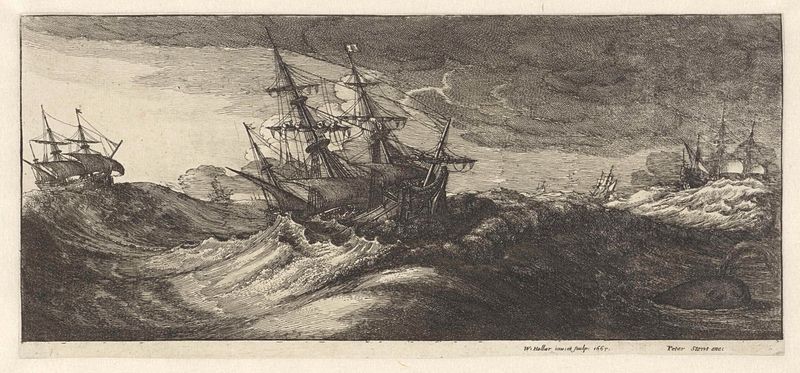
Oorlogsschepen en een walvis in een zeestorm
Wenceslaus Hollar
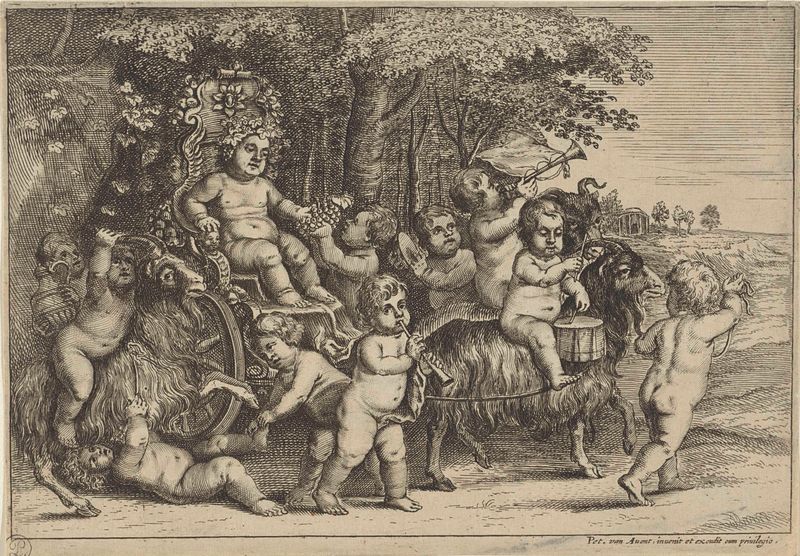
Optocht van bacchant en jongetjes op geiten
Wenceslaus Hollar
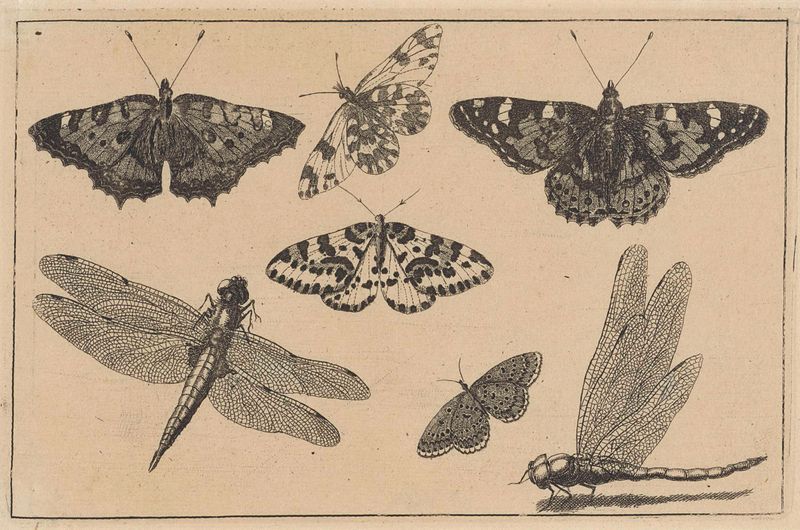
Twee libellen en vijf vlinders
Wenceslaus Hollar
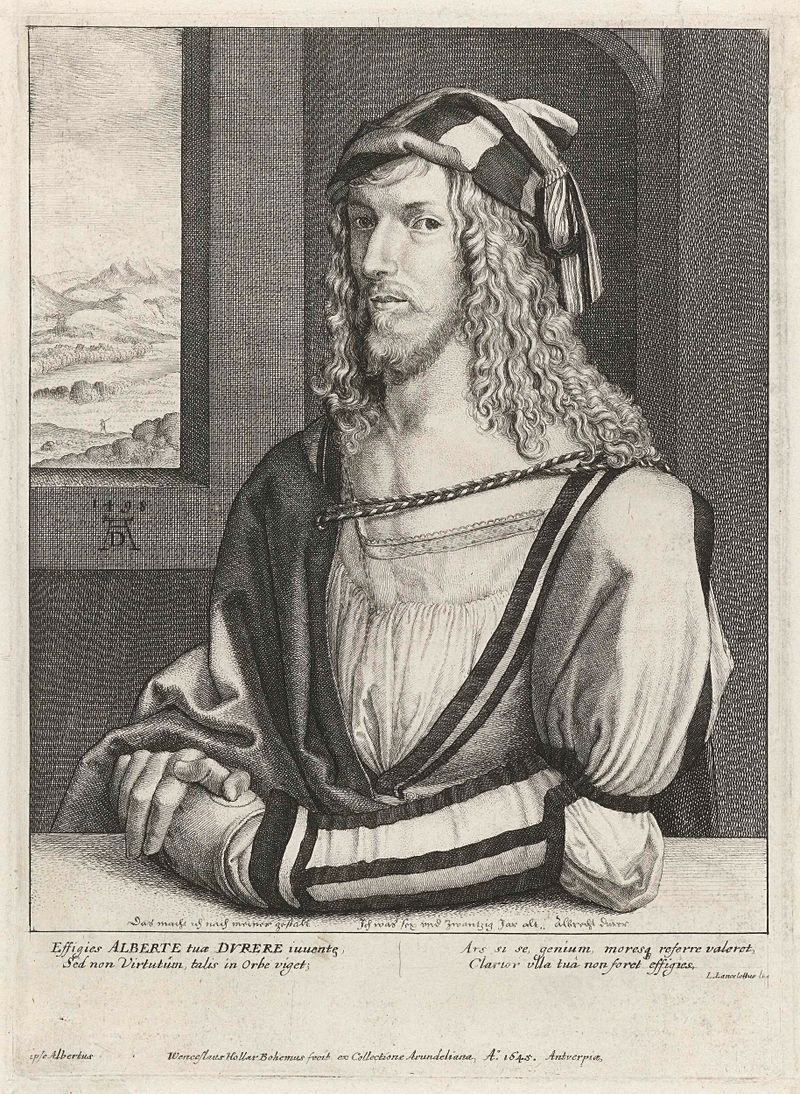
Portret van Albrecht Dürer
Wenceslaus Hollar
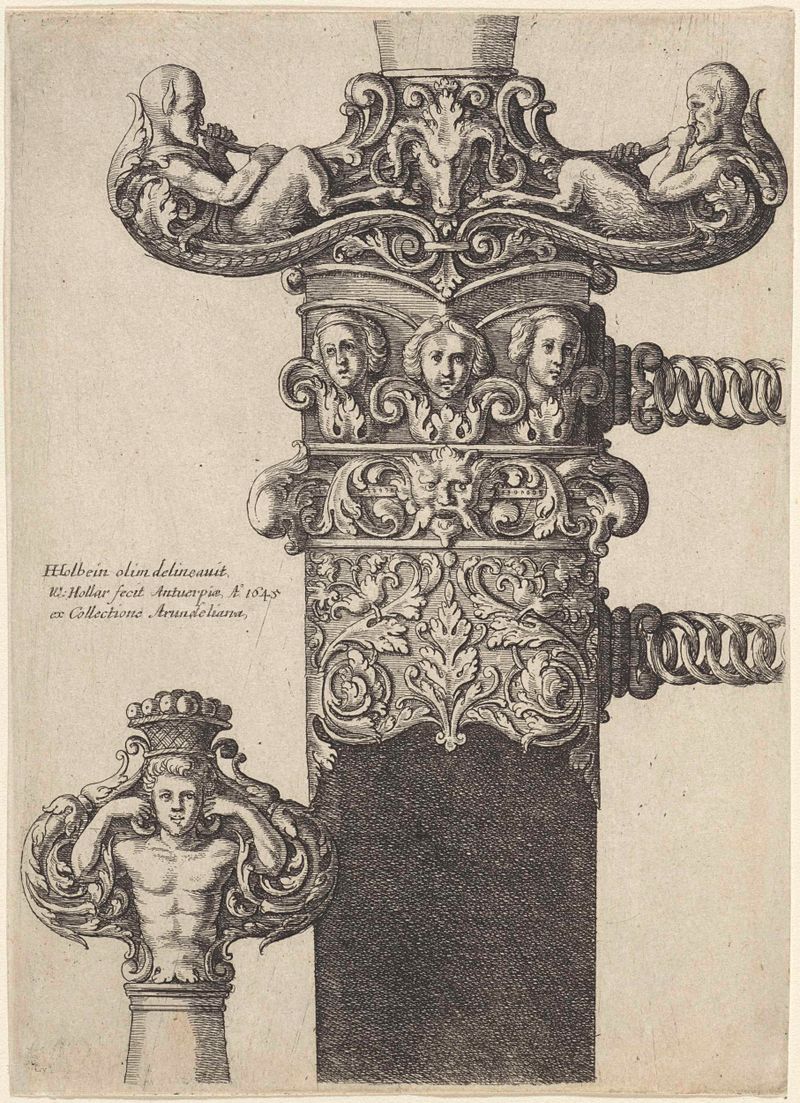
Ornamenteel ontwerp voor een dolk
Wenceslaus Hollar
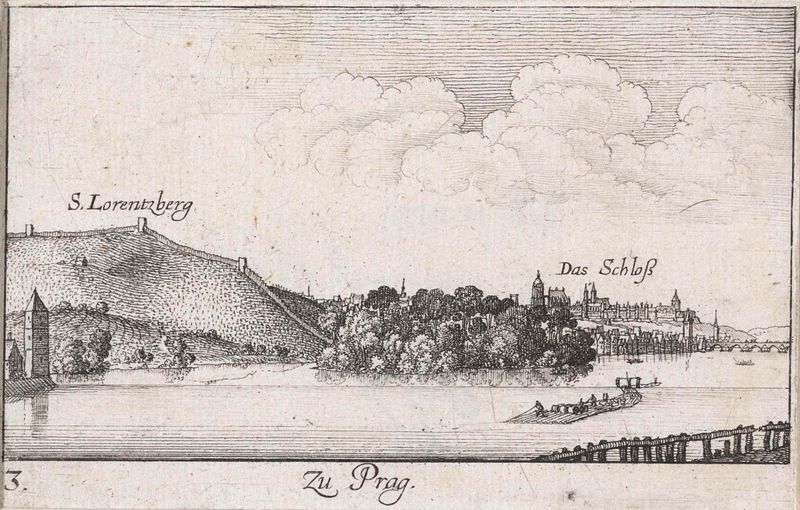
Gezicht op Praag vanaf de Moldau
Wenceslaus Hollar
More Religious Art
Browse all →
The Return of the Prodigal Son
Rembrandt van Rijn

The Garden of Earthly Delights
El Bosco

Count Orgaz’ funeral
El Greco

The Hundred Guilder Print: the central piece with Christ preaching, the plate arched
Rembrandt van Rijn

The Descent from the Cross
Rogier van der Weyden

The return of the prodigal son
Rembrandt van Rijn