
Christus krijgt eten als hij hongerig is — History & Facts
Is this a mirror — or a memory? The divine intertwines with the ordinary in a moment that beckons the viewer to reflect on the sacredness of human experience. Focus on the central figure, Christ, seated at the table with an air of quiet contemplation. Notice how the artist employs rich, warm colors, making the flesh tones glow against the muted backdrop. The subtle play of light cascading over his serene expression invites you into the emotional heart of the scene.
To the left, an array of humble dishes suggests a simple, earthly feast, contrasting sharply with the ethereal presence that dominates the canvas. In this work, the juxtaposition of Christ's divine nature with the mundane meal evokes a profound tension between spirituality and humanity. The crowd around him can be seen as a symbolic reflection of society, each figure immersed in their own thoughts, yet drawn to the central figure’s quiet majesty. Look closely at their expressions; some portray curiosity, while others hint at skepticism, embodying the complex relationship between faith and doubt that resonates throughout history. Georg Pencz created this piece in 1534, during a time of religious upheaval in Europe as the Reformation was challenging centuries-old doctrines.
Working in Nuremberg, Pencz found himself at a crossroads of artistic and theological exploration, influenced by both the growing humanist ideals and the lingering weight of Renaissance tradition. His focus on themes of divinity amid everyday life reflects the era's quest to reconcile the sacred with the secular, making the painting not just a vision, but a vivid commentary on the spiritual landscape of the time.
More Artworks by Georg Pencz
Browse all →
Parabel van de zaaier
Georg Pencz

Parabel van de arbeiders in de wijngaard
Georg Pencz
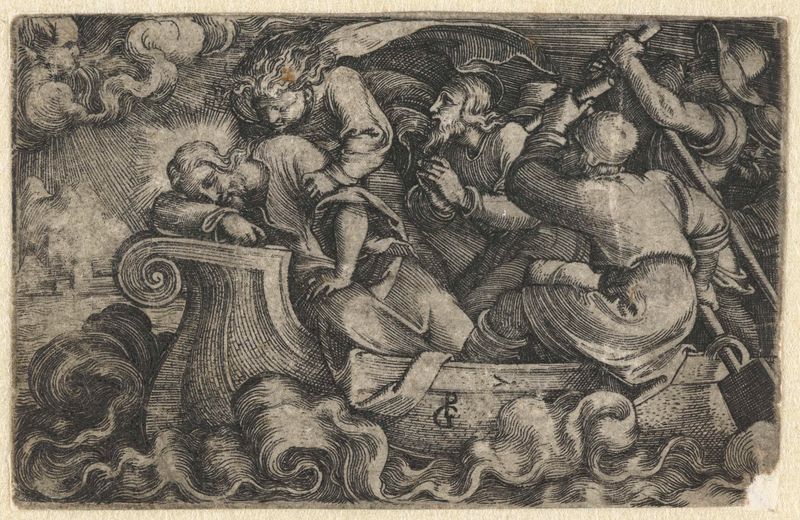
Discipelen wekken slapende Christus tijdens storm op Meer van Galilea
Georg Pencz

Afgunst (Invidia)
Georg Pencz
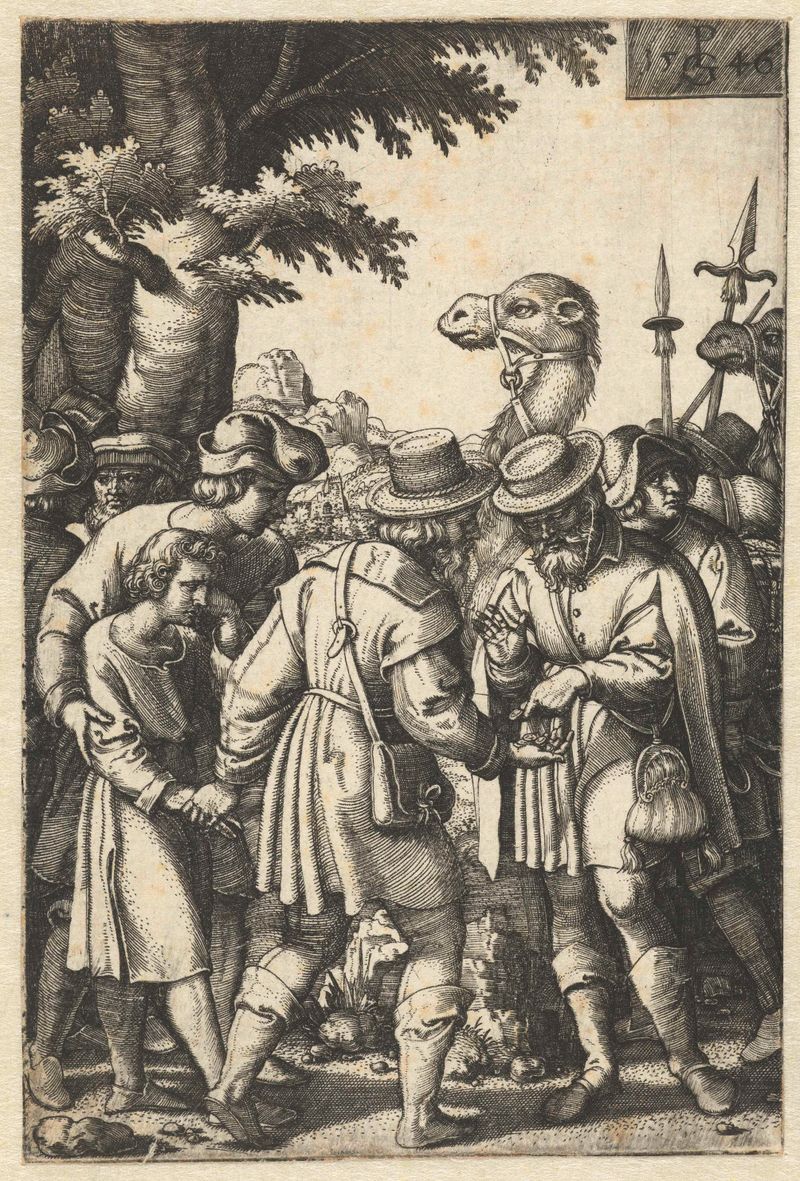
Jozef wordt verkocht aan kooplieden op weg naar Egypte
Georg Pencz

Aanbidding der koningen
Georg Pencz
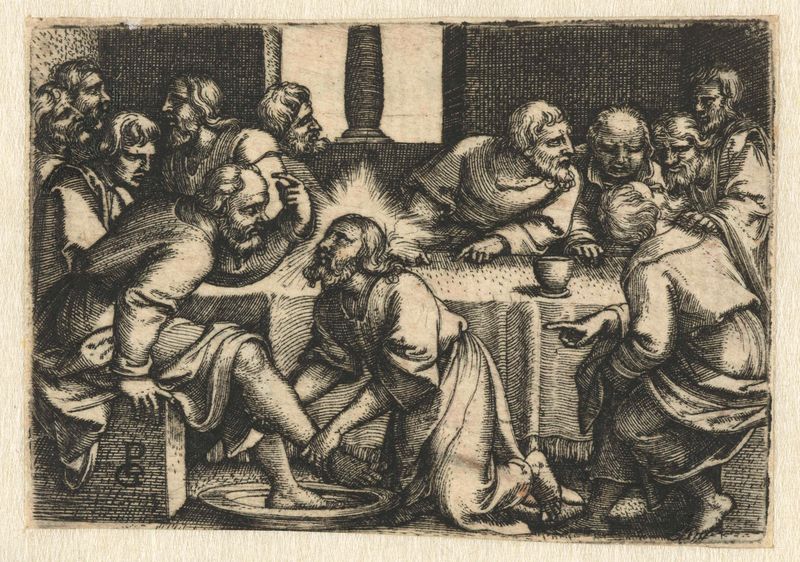
Petrus protesteert als Christus zijn voeten wast
Georg Pencz
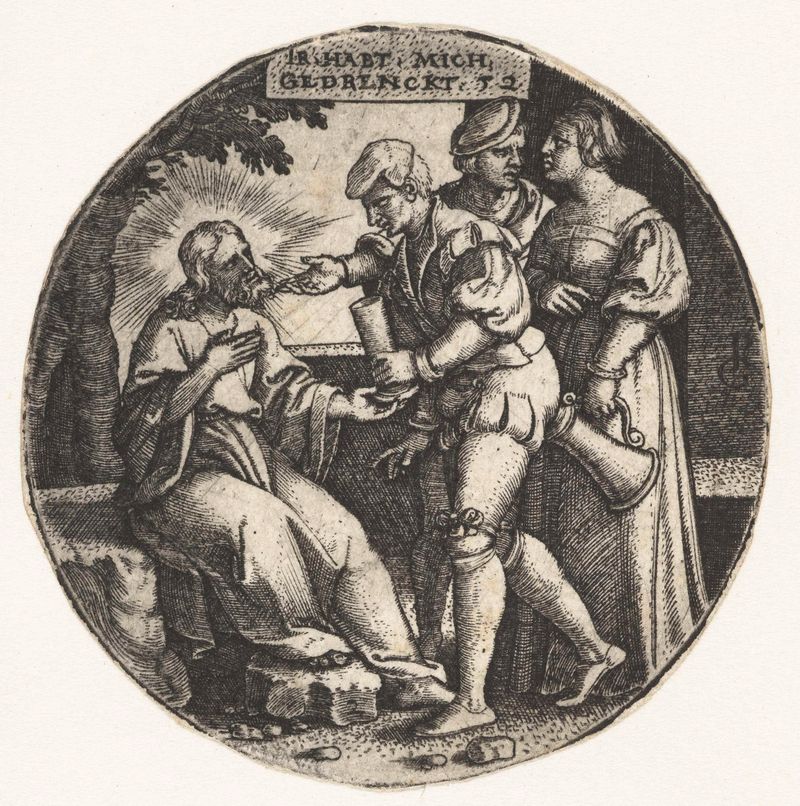
Christus heeft dorst en krijgt drinken aangeboden
Georg Pencz
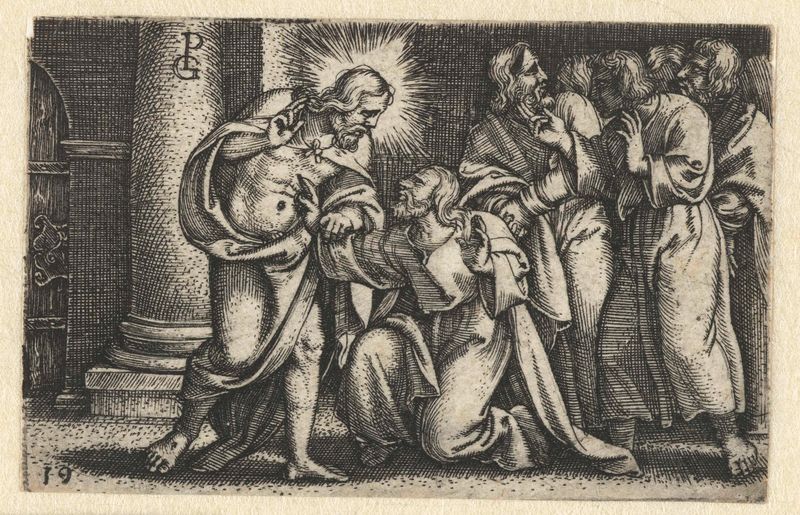
Ongelovige Thomas raakt wonden Christus aan
Georg Pencz

Offer van Abraham van Isaak
Georg Pencz
More Religious Art
Browse all →
The Return of the Prodigal Son
Rembrandt van Rijn

The Garden of Earthly Delights
El Bosco

Count Orgaz’ funeral
El Greco

The Hundred Guilder Print: the central piece with Christ preaching, the plate arched
Rembrandt van Rijn

The Descent from the Cross
Rogier van der Weyden

The return of the prodigal son
Rembrandt van Rijn