
Christus krijgt in gevangenis bezoek — History & Facts
What if beauty was never meant to be finished? A moment suspended in time, Christus krijgt in gevangenis bezoek captures the intimate tension between the divine and the mortal, as if it invites the viewer to witness a dialogue bridging the earthly and the sacred. Focus on the figure of Christ, centered in the composition, his gentle gaze illuminating the somber space around him. The restrained palette of muted earth tones enhances the gravity of the scene, while a delicate play of light enhances Christ's countenance, creating a halo effect. To the right, notice the shadows cast by the visiting figure, who stands in a moment of hesitation, caught between reverence and despair.
This contrast of light and shadow encapsulates the emotional weight of the encounter. The artwork reveals deeper layers of meaning upon closer examination. The starkness of the prison setting evokes a sense of isolation, yet Christ's serene expression communicates a profound sense of hope. The hands of the visitor, trembling slightly, suggest the vulnerability of human connection in times of despair.
Together, these elements reflect the tension between faith and doubt, illuminating the fragile boundaries that define one's spiritual journey. Georg Pencz painted Christus krijgt in gevangenis bezoek in 1534 during a period marked by religious upheaval in Europe. As the Reformation gained momentum, artists like Pencz sought to explore themes of faith and personal conviction within their work. This painting stands as a testament not only to his skill but also to the complex interplay between individual belief and overarching narratives of the time.
More Artworks by Georg Pencz
Browse all →
Parabel van de zaaier
Georg Pencz

Parabel van de arbeiders in de wijngaard
Georg Pencz
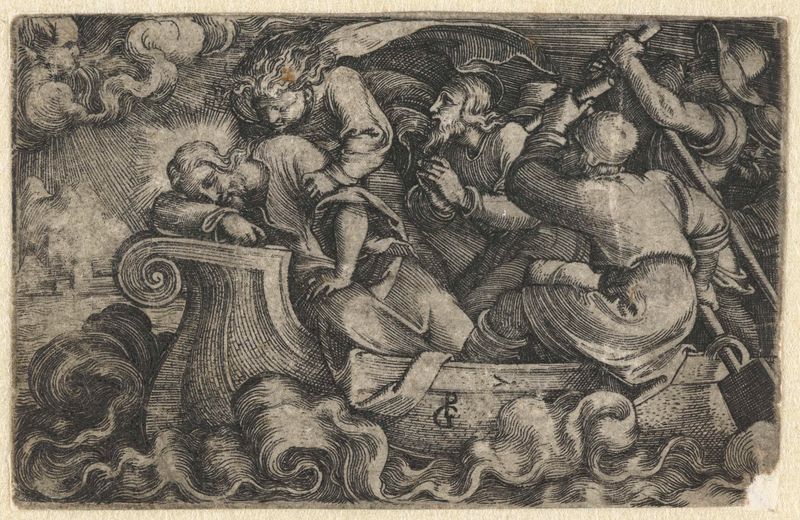
Discipelen wekken slapende Christus tijdens storm op Meer van Galilea
Georg Pencz

Afgunst (Invidia)
Georg Pencz
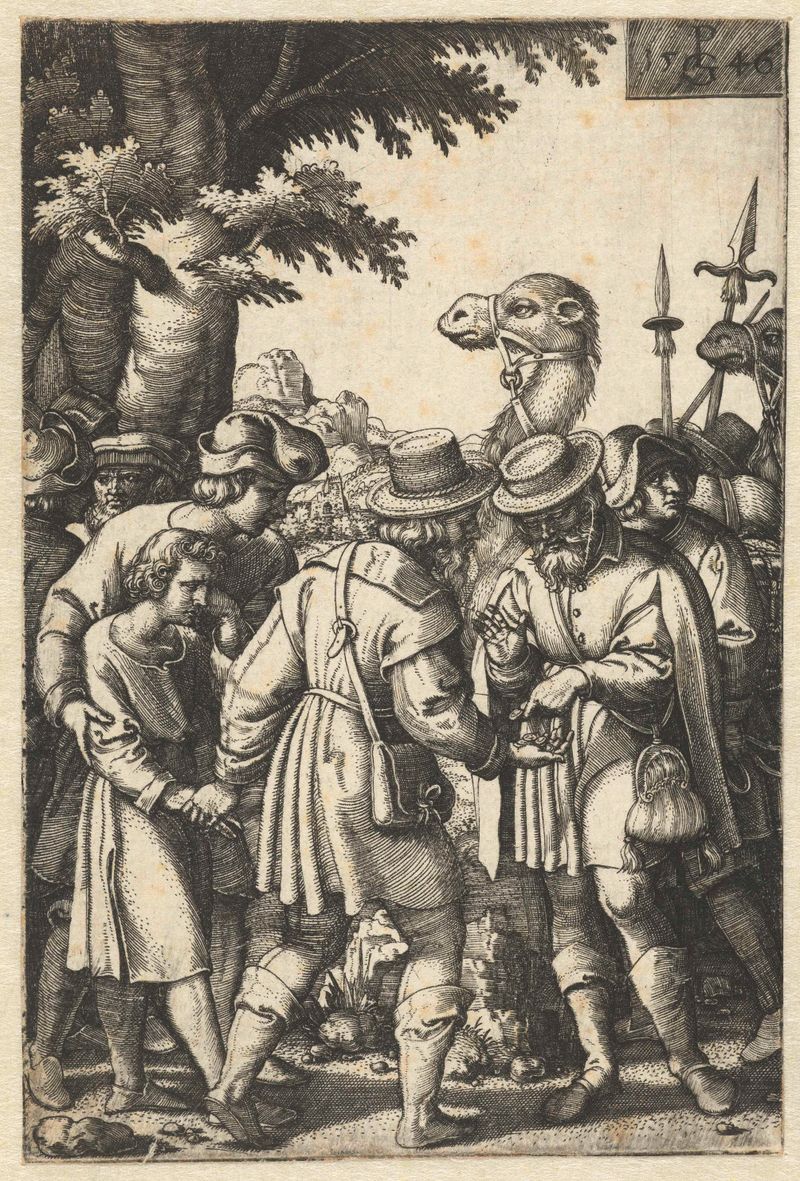
Jozef wordt verkocht aan kooplieden op weg naar Egypte
Georg Pencz

Aanbidding der koningen
Georg Pencz
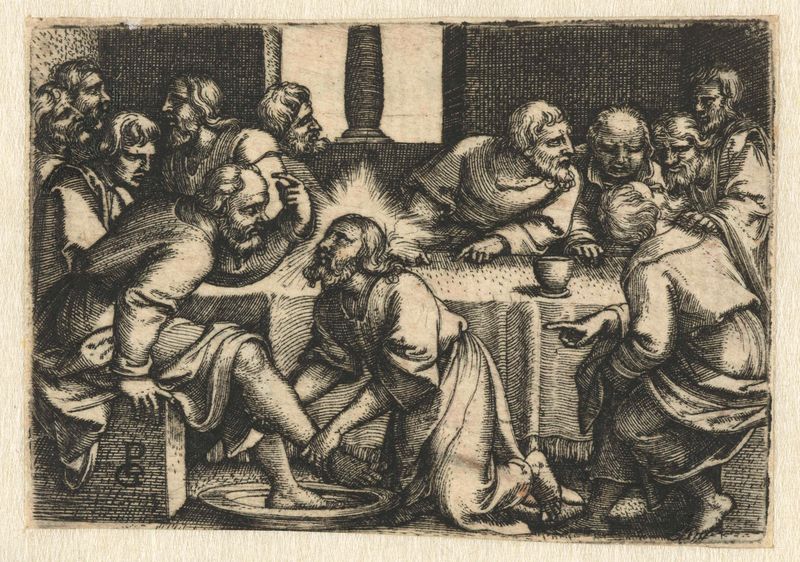
Petrus protesteert als Christus zijn voeten wast
Georg Pencz
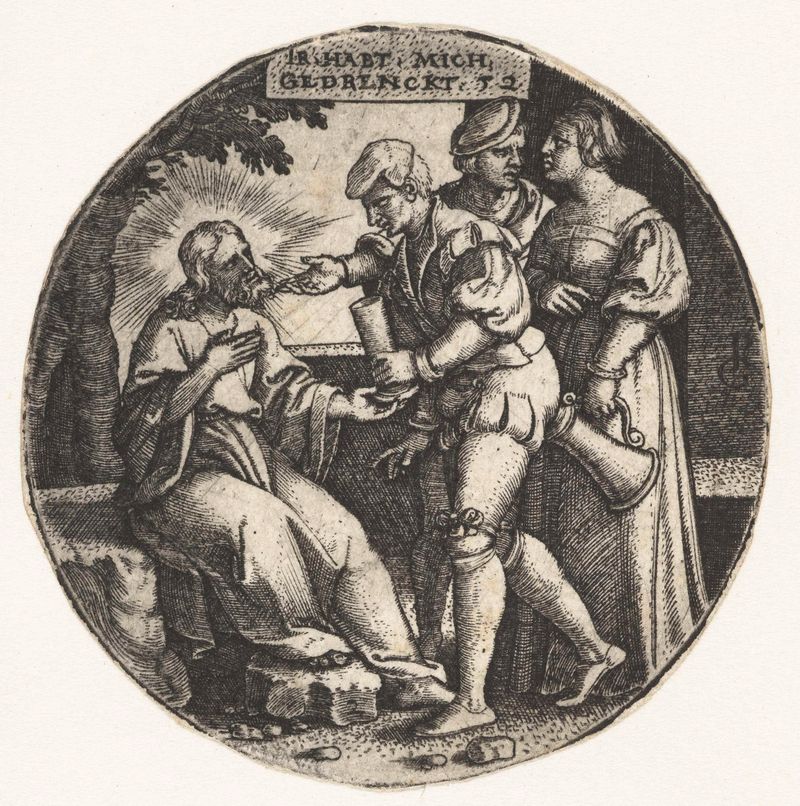
Christus heeft dorst en krijgt drinken aangeboden
Georg Pencz
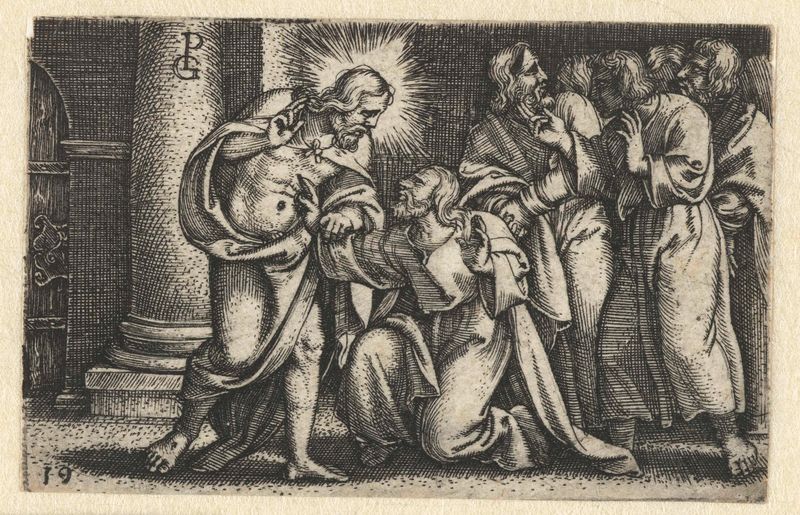
Ongelovige Thomas raakt wonden Christus aan
Georg Pencz

Offer van Abraham van Isaak
Georg Pencz
More Religious Art
Browse all →
The Return of the Prodigal Son
Rembrandt van Rijn

The Garden of Earthly Delights
El Bosco

Count Orgaz’ funeral
El Greco

The Hundred Guilder Print: the central piece with Christ preaching, the plate arched
Rembrandt van Rijn

The Descent from the Cross
Rogier van der Weyden

The return of the prodigal son
Rembrandt van Rijn