
Christus onderwijst de discipelen — History & Facts
This sentiment echoes through the layers of Christus onderwijst de discipelen, where decay meets divine instruction. It invites a deeper reflection on the transience of life and the profound impact of knowledge imparted. Look to the center of the canvas, where Christ, serene and luminous, stands imparting wisdom to his disciples. His robes, rich in texture and color, contrast sharply with the somber hues that envelop the figures surrounding him.
Notice how the light bathes Christ’s face, illuminating not just his features but the gravity of his message, while shadows cling to the disciples, hinting at their confusion and struggle to comprehend. Within this assembly, the subtle tension of faith versus doubt unfolds. The disciples, each with their unique expressions, embody the spectrum of belief, from fervent conviction to skepticism. Pencz captures a moment of decay—both in the physical world and the spiritual doubts of his audience—implying that understanding often arises from a place of turmoil.
The decaying elements in the background further symbolize the transient nature of human existence, contrasting sharply with the eternal truths voiced by Christ. Georg Pencz painted Christus onderwijst de discipelen between 1534 and 1535 during a time when the Reformation was reshaping the landscape of religious thought in Europe. Living in Nuremberg, he was influenced by both the humanistic ideals of the Renaissance and the burgeoning Protestant movement. This piece reflects his interest in biblical themes while navigating the tensions of belief and doubt that characterized this transformative period in art and spirituality.
More Artworks by Georg Pencz
Browse all →
Parabel van de zaaier
Georg Pencz

Parabel van de arbeiders in de wijngaard
Georg Pencz
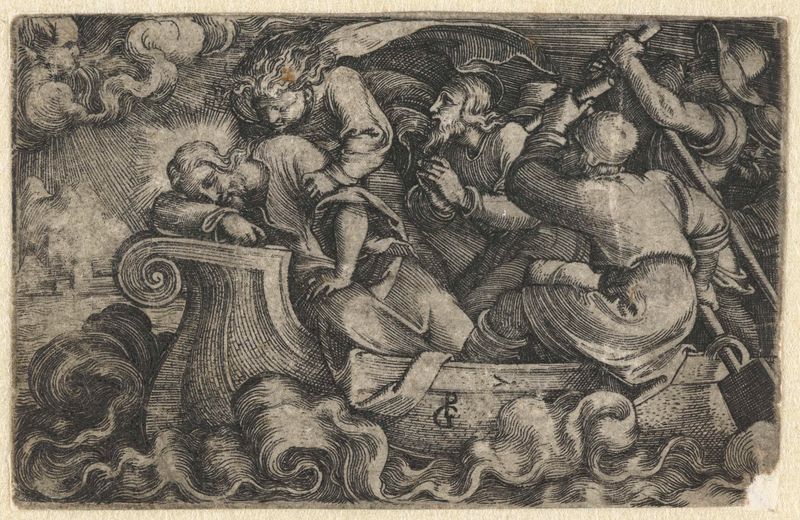
Discipelen wekken slapende Christus tijdens storm op Meer van Galilea
Georg Pencz

Afgunst (Invidia)
Georg Pencz
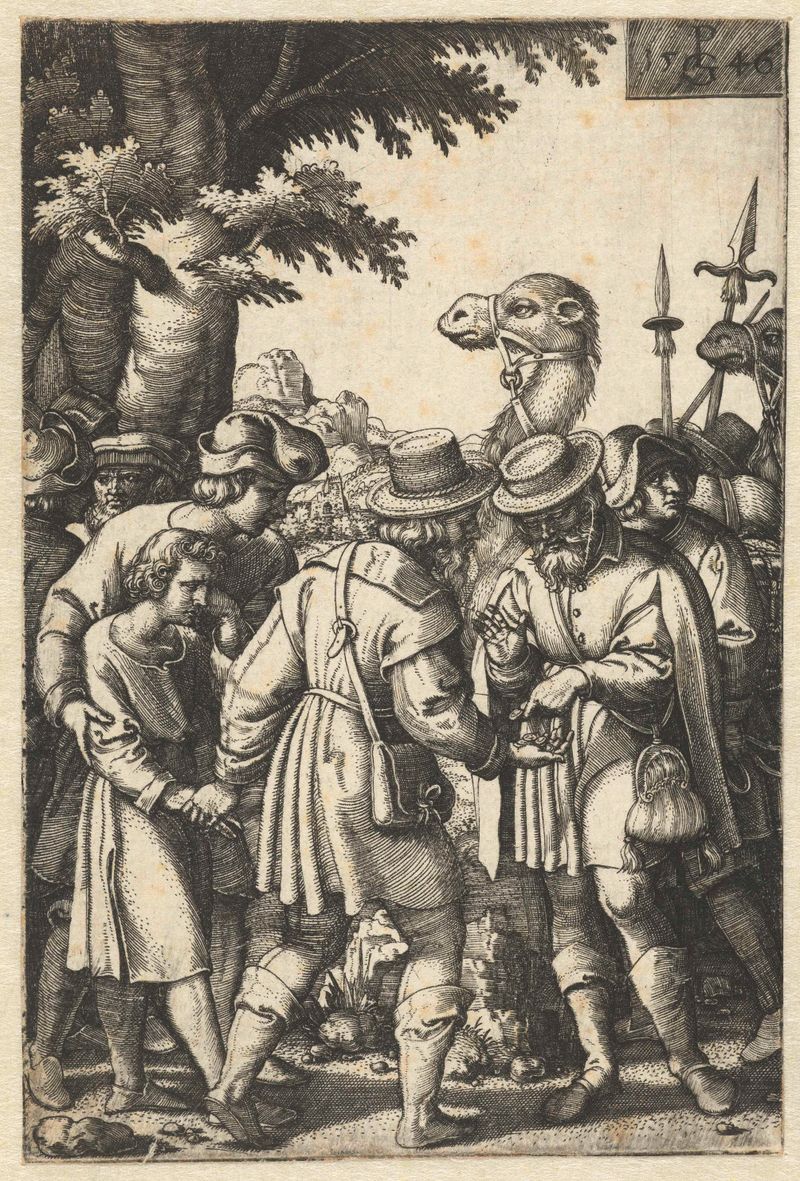
Jozef wordt verkocht aan kooplieden op weg naar Egypte
Georg Pencz

Aanbidding der koningen
Georg Pencz
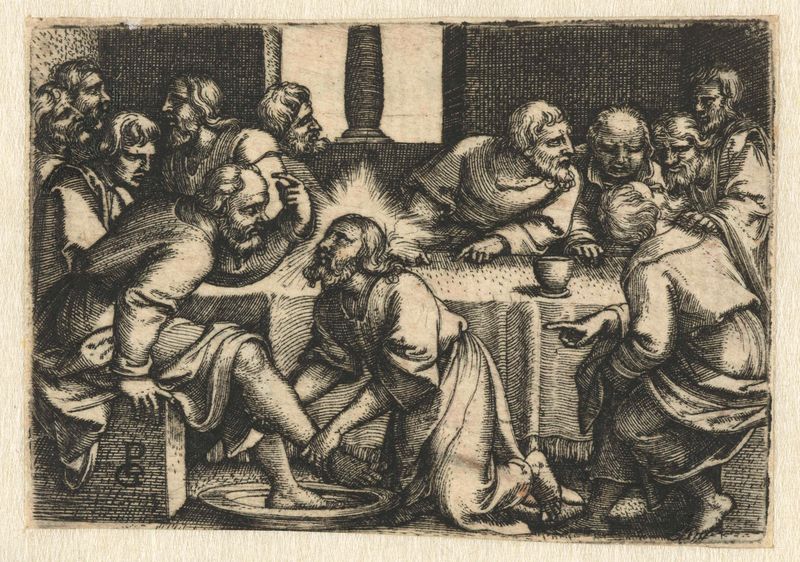
Petrus protesteert als Christus zijn voeten wast
Georg Pencz
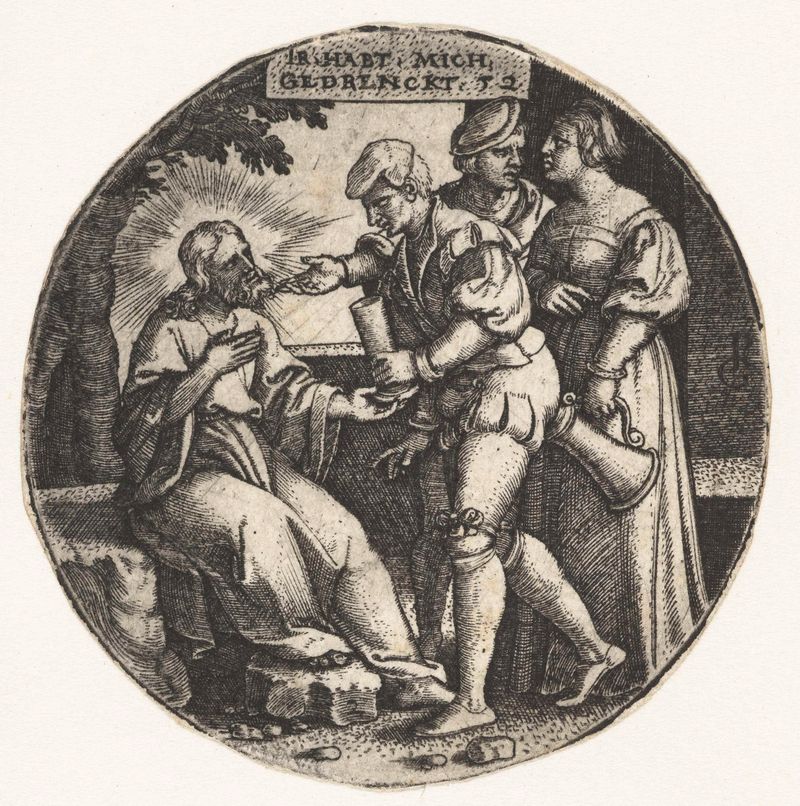
Christus heeft dorst en krijgt drinken aangeboden
Georg Pencz
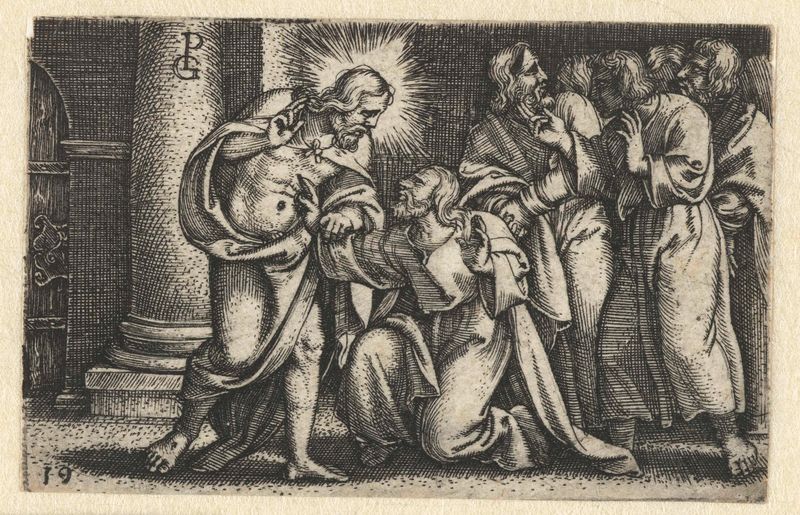
Ongelovige Thomas raakt wonden Christus aan
Georg Pencz

Offer van Abraham van Isaak
Georg Pencz
More Religious Art
Browse all →
The Return of the Prodigal Son
Rembrandt van Rijn

The Garden of Earthly Delights
El Bosco

Count Orgaz’ funeral
El Greco

The Hundred Guilder Print: the central piece with Christ preaching, the plate arched
Rembrandt van Rijn

The Descent from the Cross
Rogier van der Weyden

The return of the prodigal son
Rembrandt van Rijn