
Christus onderwijst de discipelen — History & Facts
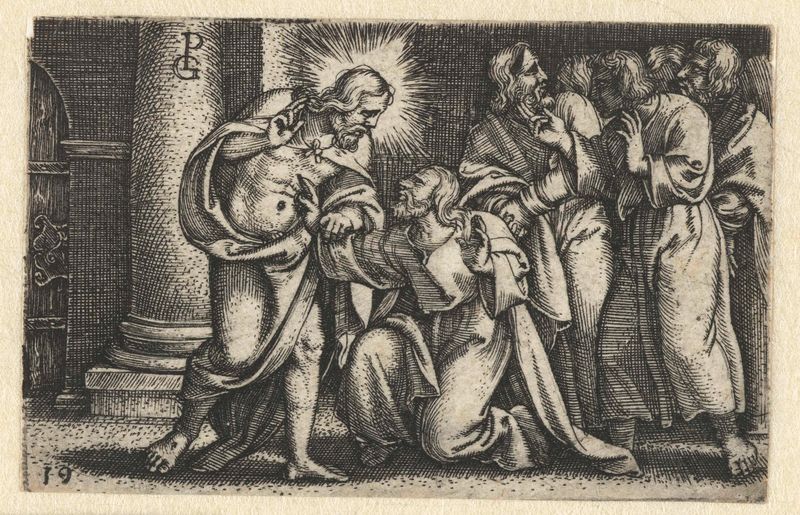
Who listens when art speaks of silence? In the stillness of Christus onderwijst de discipelen, a longing breathes between the figures, conveying a profound yearning that transcends time. Look to the center, where Christ, draped in a flowing robe of muted tones, captivates his disciples with a gentle yet commanding gesture. The chiaroscuro technique creates a striking contrast; light spills across his face, illuminating the wisdom in his gaze, while shadows cradle the faces of attentive followers. Notice how the soft palette envelops the scene, fostering a sense of reverence and intimacy, drawing the viewer into this sacred moment. Delve deeper into the expressions of the disciples, each face etched with awe and contemplation.
Their varied postures—some leaning forward, others resting pensively—underscore a collective thirst for knowledge and connection. The background, albeit subdued, teems with architectural elements that suggest a dialogue between the earthly and the divine, reinforcing the emotional weight of their shared experience. The silence in this gathering speaks volumes, echoing the innate desire for understanding and enlightenment. Georg Pencz painted this work between 1534 and 1535 during a transformative period in Northern Renaissance art, marked by a growing interest in humanism and religious reform.
At that time, Pencz was in Nuremberg, where his dynamic style evolved, influenced by contemporaries like Albrecht Dürer. The painting embodies not only a biblical moment but also a reflection of the artist's own search for meaning in an increasingly complex world.
More Artworks by Georg Pencz
Browse all →
Parabel van de zaaier
Georg Pencz

Parabel van de arbeiders in de wijngaard
Georg Pencz
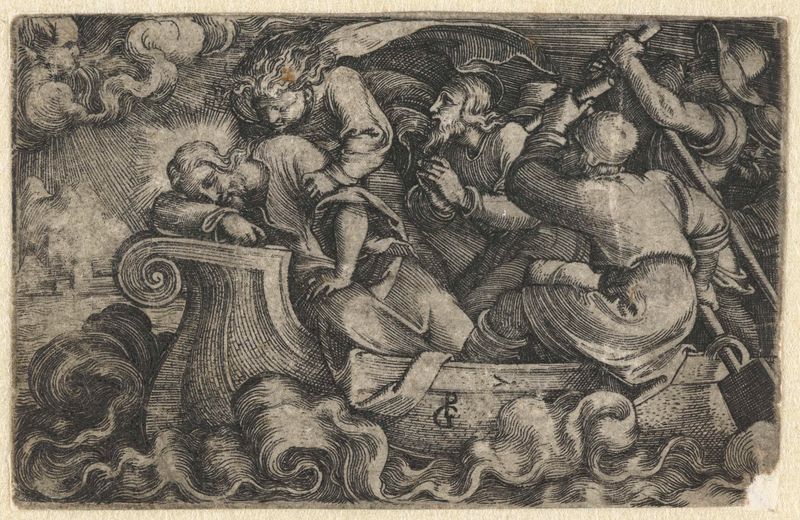
Discipelen wekken slapende Christus tijdens storm op Meer van Galilea
Georg Pencz

Afgunst (Invidia)
Georg Pencz
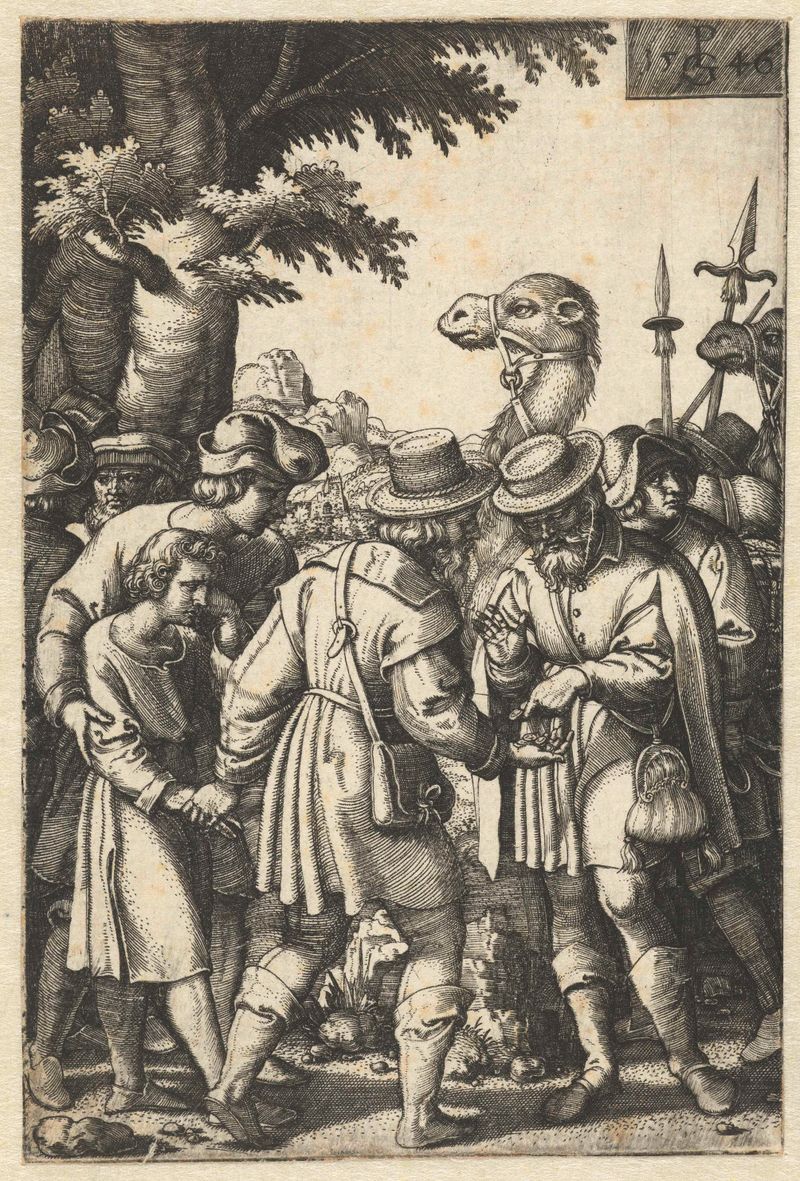
Jozef wordt verkocht aan kooplieden op weg naar Egypte
Georg Pencz

Aanbidding der koningen
Georg Pencz
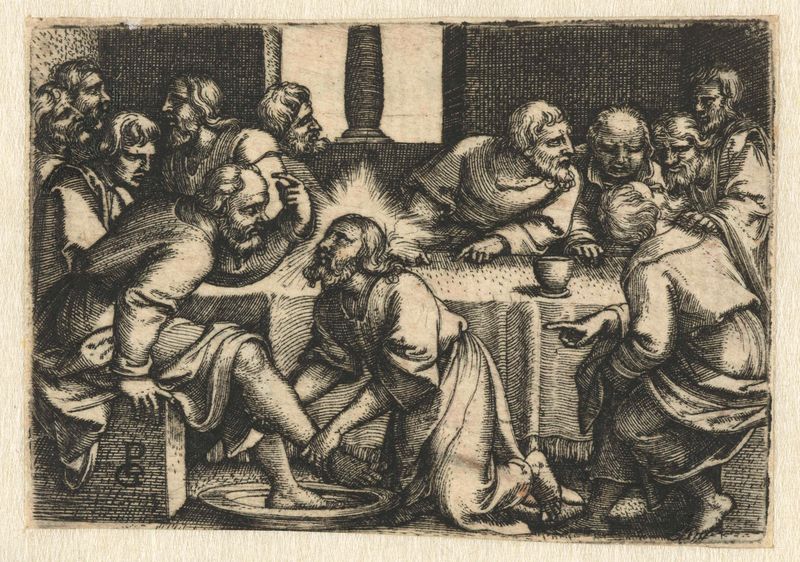
Petrus protesteert als Christus zijn voeten wast
Georg Pencz
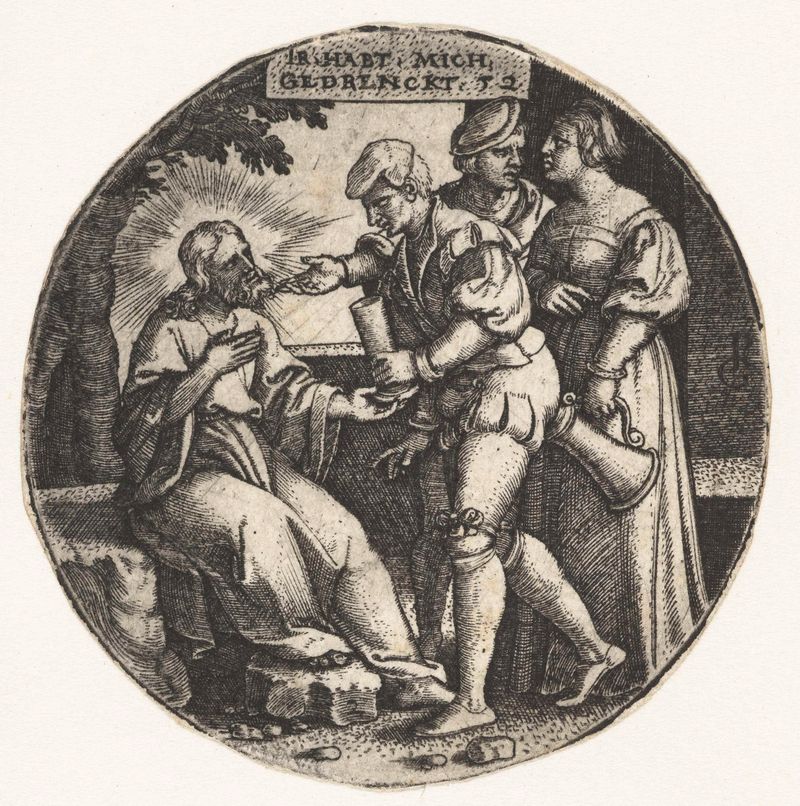
Christus heeft dorst en krijgt drinken aangeboden
Georg Pencz
Ongelovige Thomas raakt wonden Christus aan
Georg Pencz

Offer van Abraham van Isaak
Georg Pencz
More Religious Art
Browse all →
The Return of the Prodigal Son
Rembrandt van Rijn

The Garden of Earthly Delights
El Bosco

Count Orgaz’ funeral
El Greco

The Hundred Guilder Print: the central piece with Christ preaching, the plate arched
Rembrandt van Rijn

The Descent from the Cross
Rogier van der Weyden

The return of the prodigal son
Rembrandt van Rijn