
Christus op de koude steen — History & Facts
Look to the center of the canvas, where a somber figure rests upon a cold stone, an emblem of desolation. The meticulous details of the fabric draping the figure, combined with the muted color palette, draw the eye inward, emphasizing the weight of sorrow. Shadows play across the stone, creating a stark contrast with the luminous highlights that outline the form, evoking a sense of fragility and reverence. Yet, beneath the surface lies a deeper narrative—a silent battle between despair and solace.
The way the figure's hands are gently clasped speaks of resignation, while the slight tilt of the head invites introspection, suggesting a moment of contemplation rather than outright lament. Each brushstroke seems to echo the artist’s own experience with loss and the universality of grief, inviting viewers to reflect on their own encounters with heartache. Jacob Binck created this poignant work during the middle of the 16th century, a time when Europe was undergoing profound religious and cultural shifts. Living in Antwerp, he was influenced by the burgeoning Northern Renaissance, characterized by meticulous detail and emotional depth in art.
This painting reflects not only personal emotions but also the broader artistic exploration of human vulnerability in a rapidly changing world.
More Artworks by Jacob Binck
Browse all →
Portret van Christiaan II, koning van Denemarken
Jacob Binck

Christus en de Samaritaanse vrouw
Jacob Binck
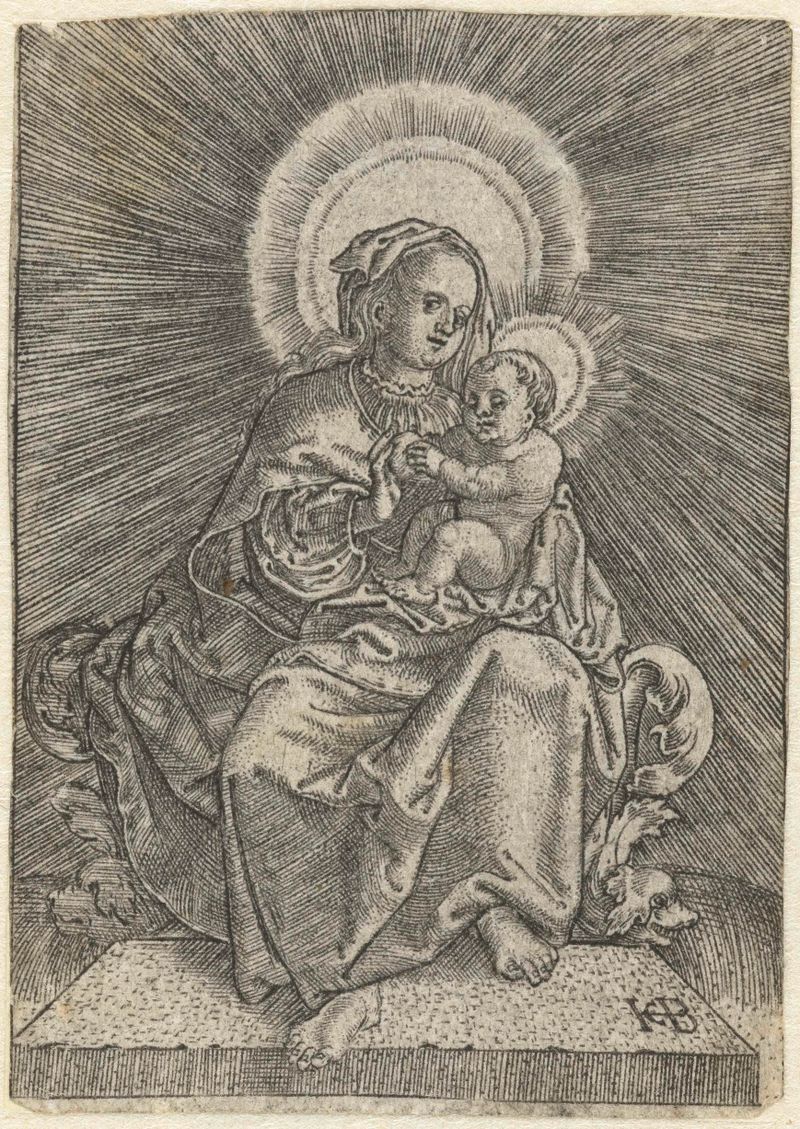
Tronende Maria met kind en appel in stralenkrans
Jacob Binck

Christus op de koude steen
Jacob Binck

Ornament met twee putti op dolfijnen onder een vaas
Jacob Binck
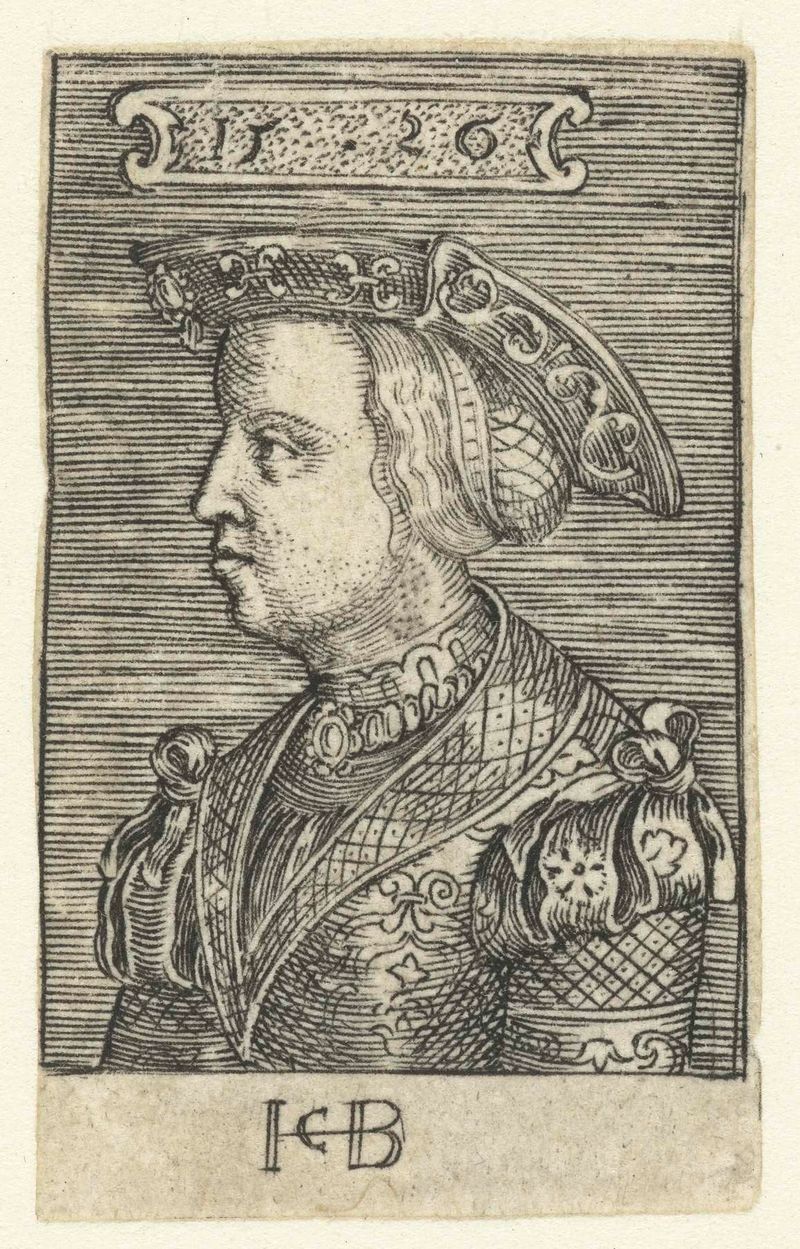
Portret van Claudia van Valois, echtgenote van Frans I
Jacob Binck

Ceres met kroon van korenaren, sikkel, brandende toorts en tweekoppige slang
Jacob Binck
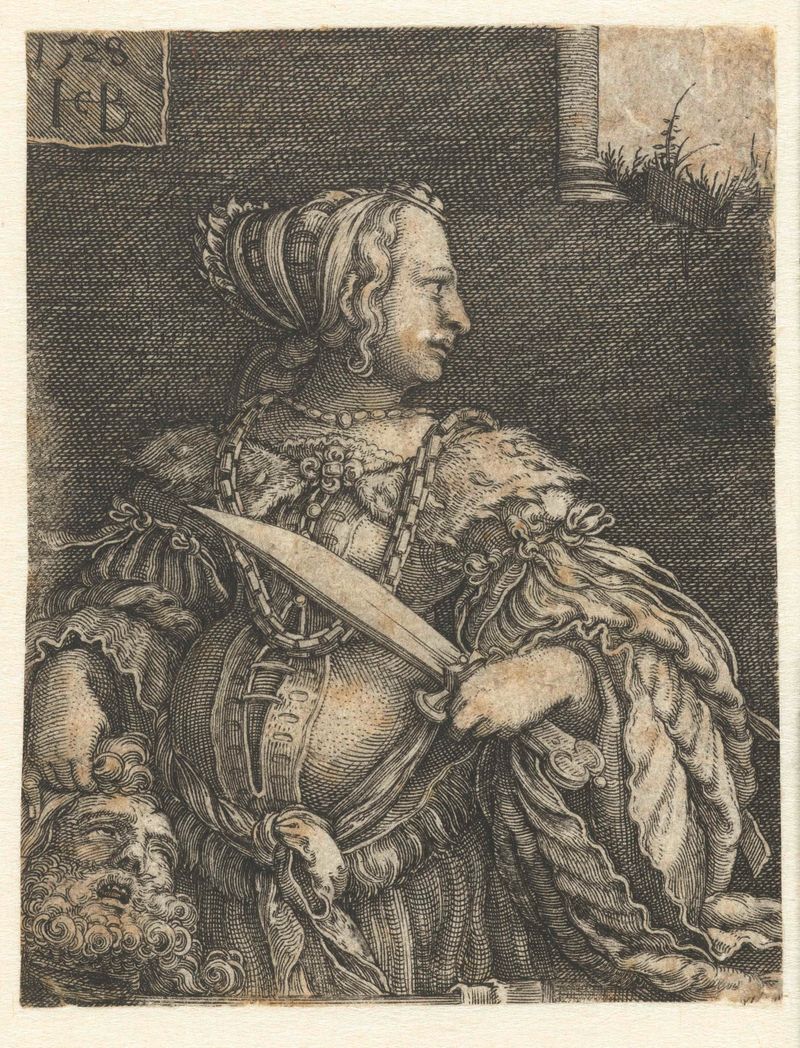
Judith met het hoofd van Holofernes
Jacob Binck
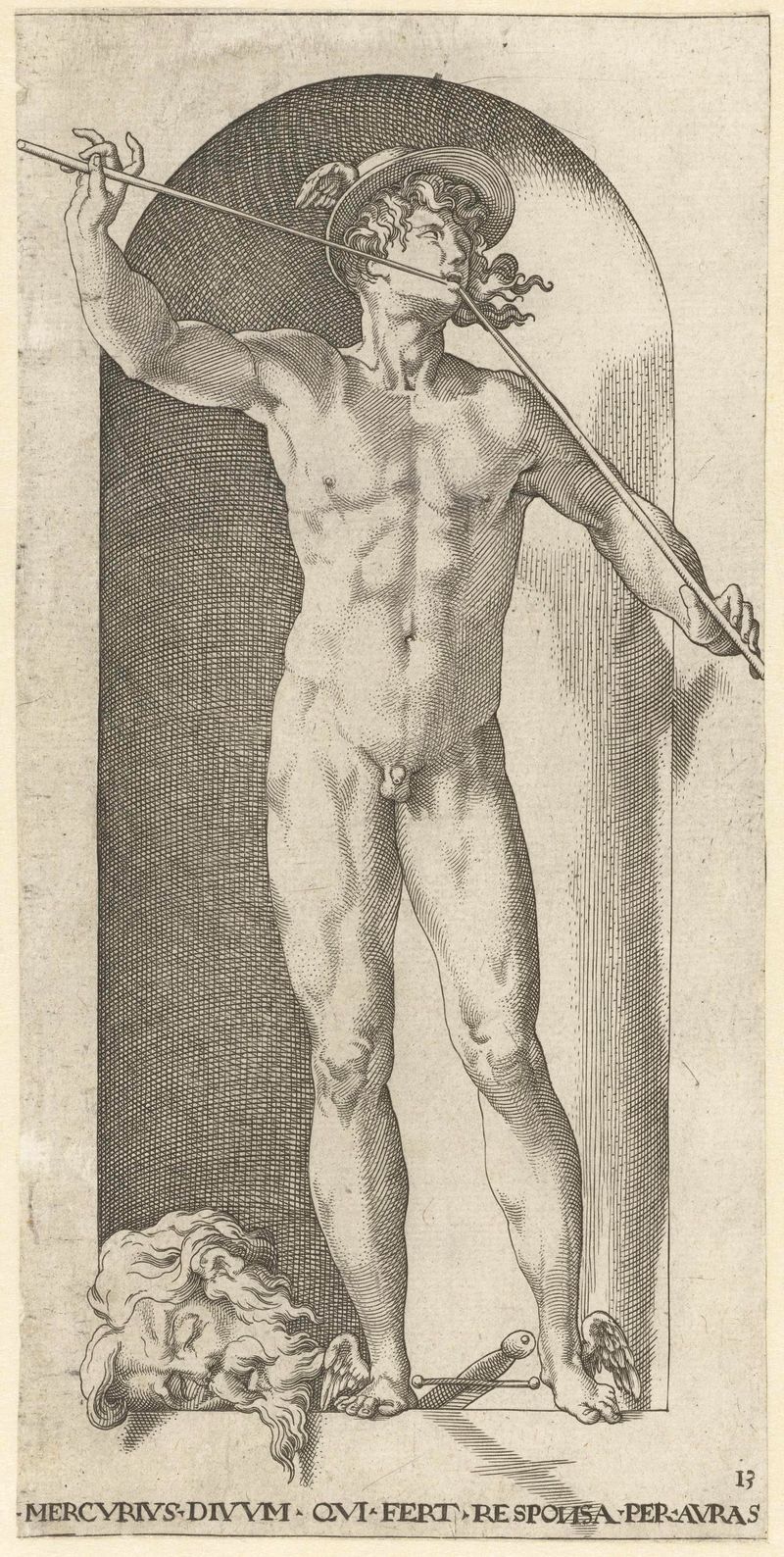
Mercurius met het hoofd van Argus
Jacob Binck

Minerva (Pallas Athena) met Medusahoofd op schild
Jacob Binck
More Religious Art
Browse all →
The Return of the Prodigal Son
Rembrandt van Rijn

The Garden of Earthly Delights
El Bosco

Count Orgaz’ funeral
El Greco

The Hundred Guilder Print: the central piece with Christ preaching, the plate arched
Rembrandt van Rijn

The Descent from the Cross
Rogier van der Weyden

The return of the prodigal son
Rembrandt van Rijn