
Christus op de Olijfberg — History & Facts
In the quiet corners of history, nostalgia lingers, whispering the stories of moments captured beyond time’s reach. The delicate brushstrokes of Cranach evoke a world where each hue resonates with unspoken emotions and forgotten prayers. Look to the center, where the figure kneels in profound reverence, bathed in a soft, ethereal light. The contrast of deep greens and rich golds envelops the scene, drawing your eye to the pained expression on Christ's face.
Notice how the vibrant colors depict the weight of his impending sacrifice, while the muted tones in the background create an atmosphere of solemnity. Each element is meticulously composed, allowing the viewer to feel the gravity of the moment. In this painting, the interplay between light and shadow does more than signify divinity; it embodies the tension between hope and despair. The contrasting figures surrounding Christ reveal the varying reactions to his fate — some are resolute, others are distressed.
The olive trees, stylized yet laden with meaning, stand as witnesses to the profound struggle between humanity and the divine, evoking a sense of timeless connection amid despair. Lucas Cranach painted Christus op de Olijfberg in 1509, during a period marked by religious transformation in Europe. As a prominent figure in the Northern Renaissance, Cranach's work reflected the tensions of his time, including the rise of Protestantism. This piece exemplifies his dedication to merging sacred themes with innovative artistry, capturing a pivotal moment in both the biblical narrative and the evolving landscape of art.
More Artworks by Lucas Cranach (I)
Browse all →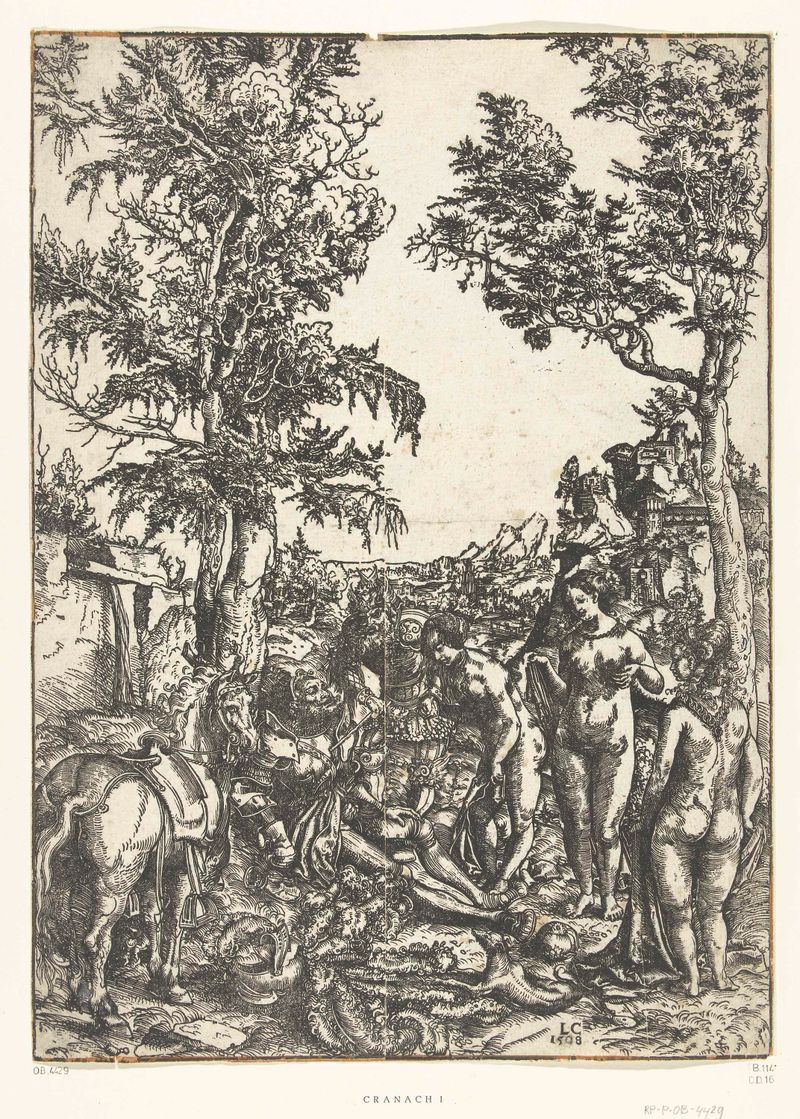
Oordeel van Paris
Lucas Cranach (I)
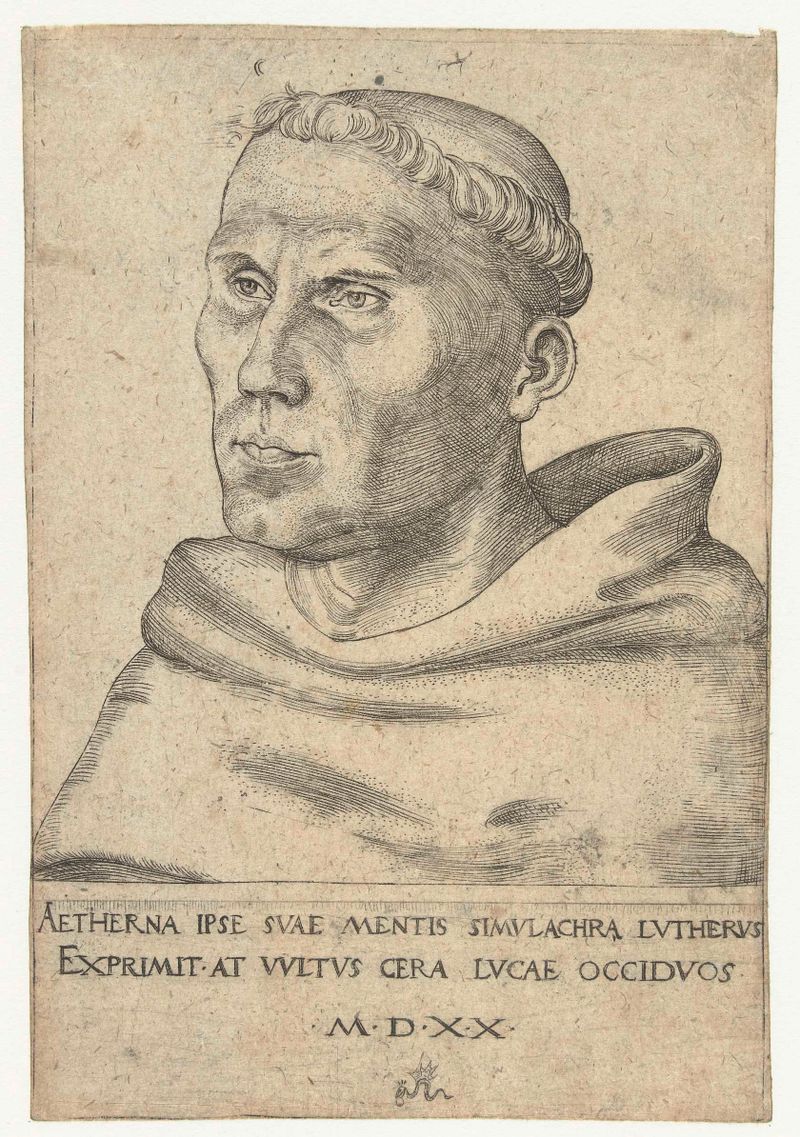
Portret van Martin Luther als Augustijner monnik
Lucas Cranach (I)
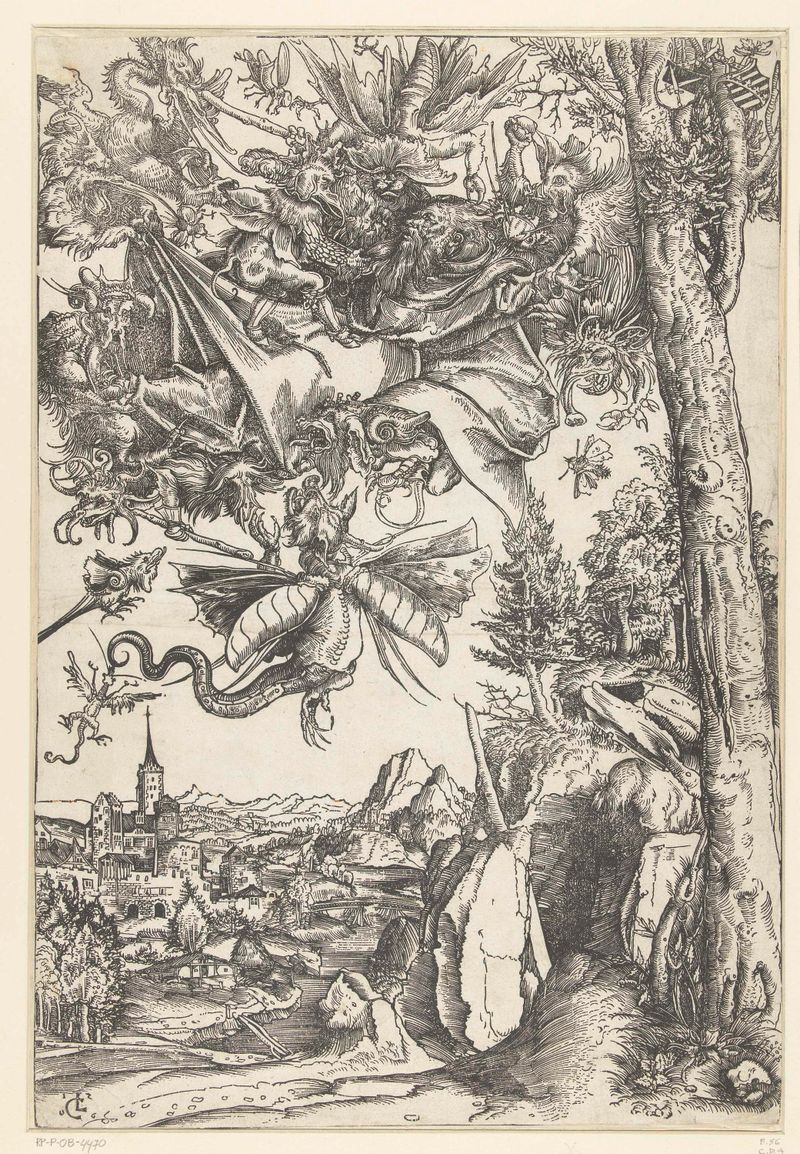
Verzoeking van Antonius met aanval door demonen
Lucas Cranach (I)

Christus en de Samaritaanse vrouw
Lucas Cranach (I)

Duits toernooi met twee edelmannen als ridders te paard
Lucas Cranach (I)
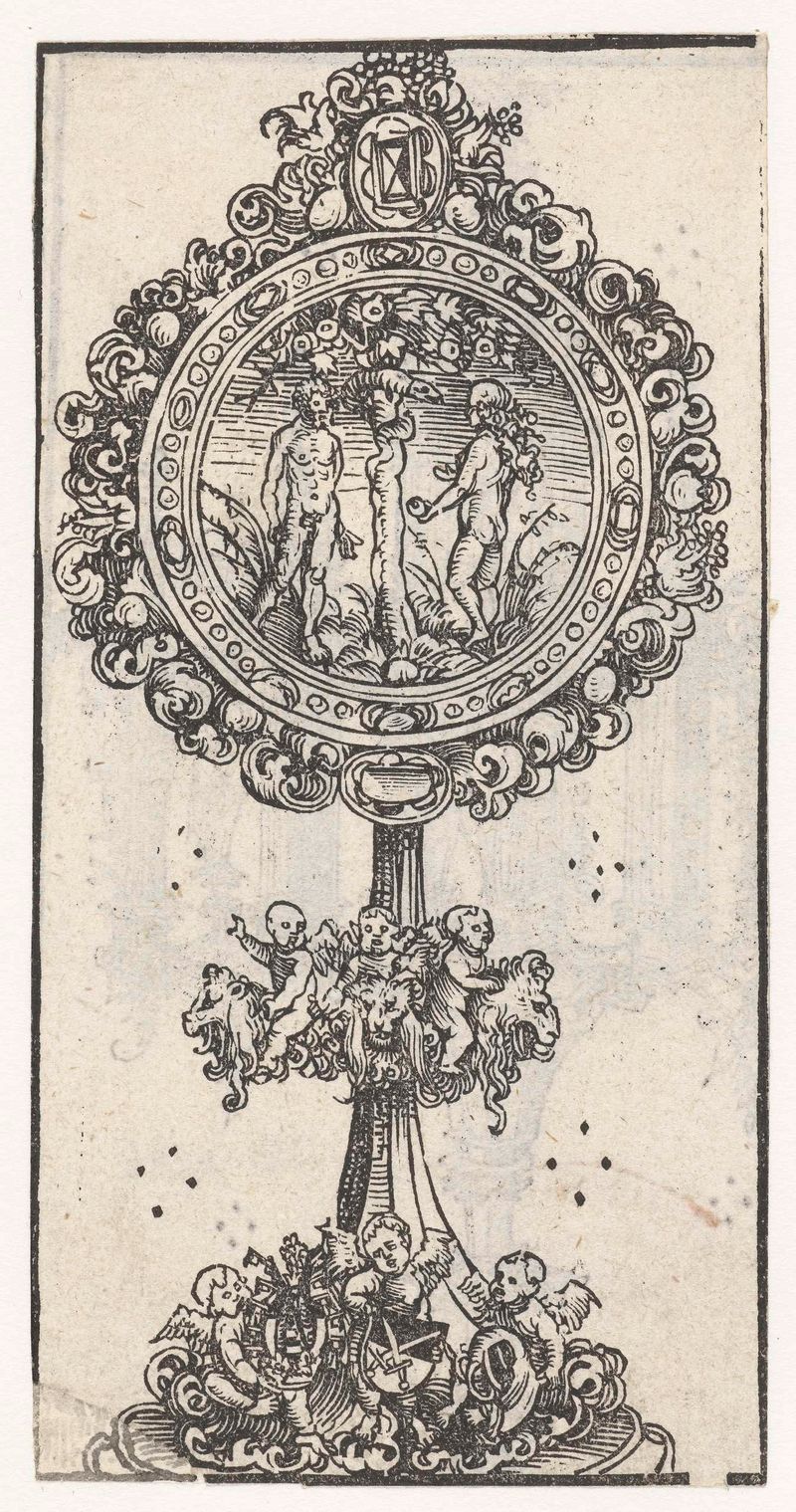
Reliekhouder met de verzoeking van Adam en Eva
Lucas Cranach (I)

Intocht van Christus in Jerusalem
Lucas Cranach (I)
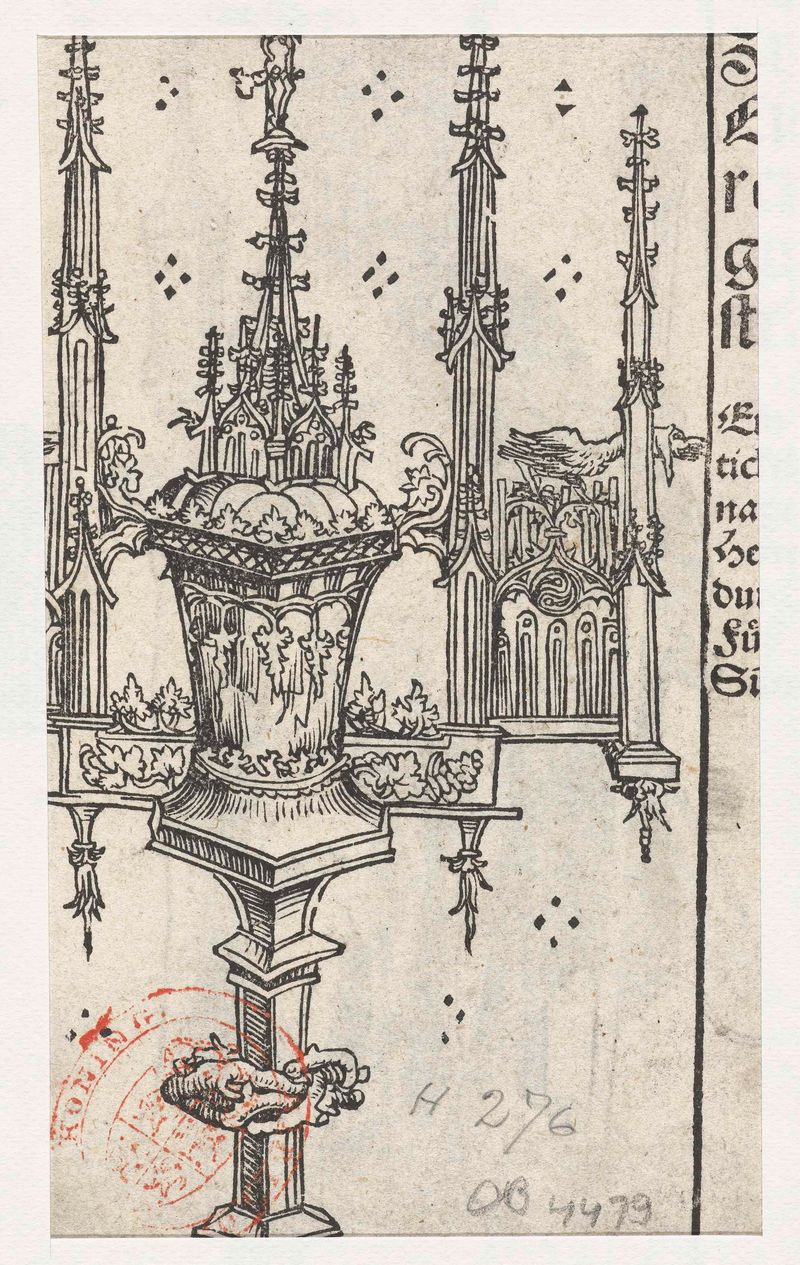
Monstrans met vogel (pelikaan)
Lucas Cranach (I)
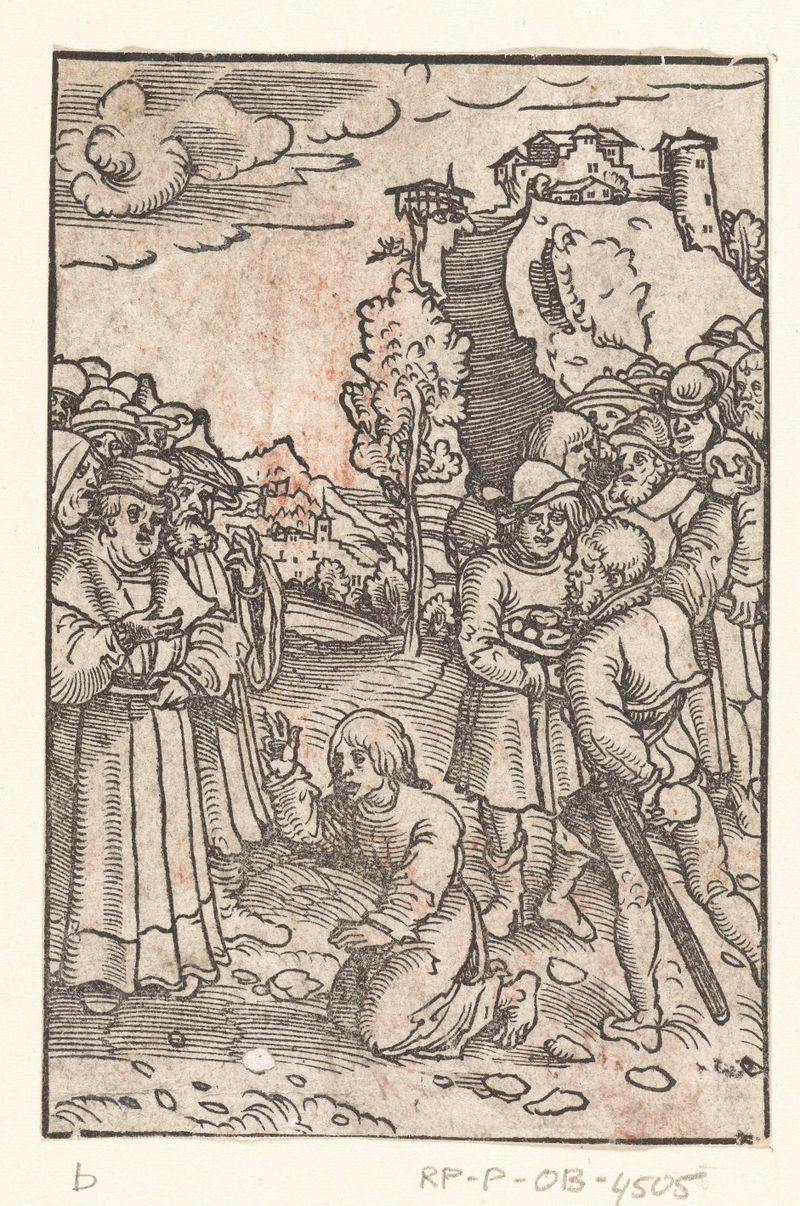
Steniging van Stefanus
Lucas Cranach (I)
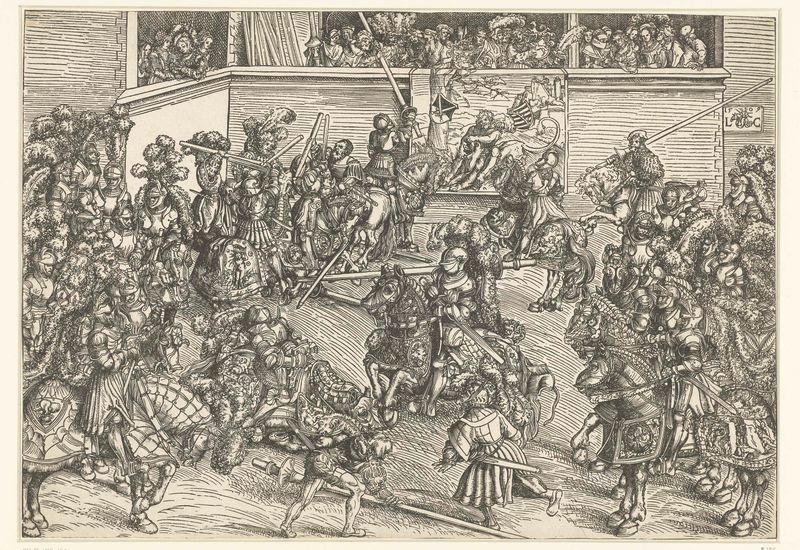
Toernooi van het keurvorstelijk hof van Saksen met wandtapijt Simson doodt de leeuw
Lucas Cranach (I)
More Religious Art
Browse all →
The Return of the Prodigal Son
Rembrandt van Rijn

The Garden of Earthly Delights
El Bosco

Count Orgaz’ funeral
El Greco

The Hundred Guilder Print: the central piece with Christ preaching, the plate arched
Rembrandt van Rijn

The Descent from the Cross
Rogier van der Weyden

The return of the prodigal son
Rembrandt van Rijn