
Christus predikt — History & Facts
The interplay of vivid hues and somber undertones in Christus predikt conveys a beauty that transcends mere aesthetics, inviting contemplation of deeper meanings. Focus on the central figure, Christ, whose calm demeanor radiates a sense of authority amidst the chaos of the surrounding crowd. Notice how the light gently illuminates his face, casting soft shadows that enhance his serene expression. The deep reds and rich greens of the garments create a striking contrast against the muted background, directing your gaze toward the heart of the composition.
Each figure around him, rendered with meticulous detail, contributes to the narrative, their varied expressions echoing a spectrum of emotions and responses to his teachings. Delve into the nuanced interactions within the crowd, where belief intertwines with skepticism. The positioning of the figures suggests a tension between those who are captivated by his words and others who stand aloof, embodying the polarized reactions to spiritual messages throughout history. The ornate elements of the architecture in the background, with their intricate designs, represent the intersection of faith and human craftsmanship, hinting at the complex relationship between divine beauty and earthly materialism. Created between 1521 and 1522, this piece emerged during a period of significant religious upheaval in Europe, particularly the Protestant Reformation.
Cranach, a close ally of Martin Luther, reflected the cultural shifts and theological debates of his time in his artwork. As he painted this piece in Wittenberg, he articulated his belief in the power of visual art to communicate religious truths, marking a pivotal moment in the use of imagery to engage with spiritual and societal issues.
More Artworks by Lucas Cranach (I)
Browse all →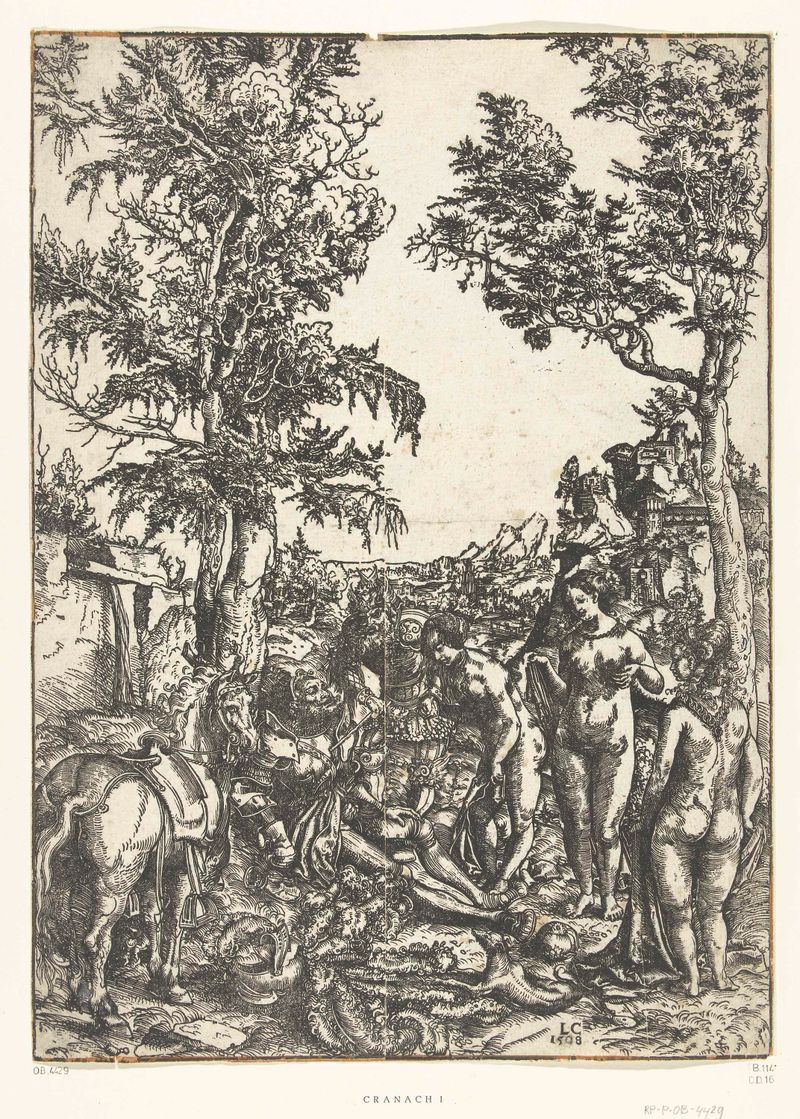
Oordeel van Paris
Lucas Cranach (I)
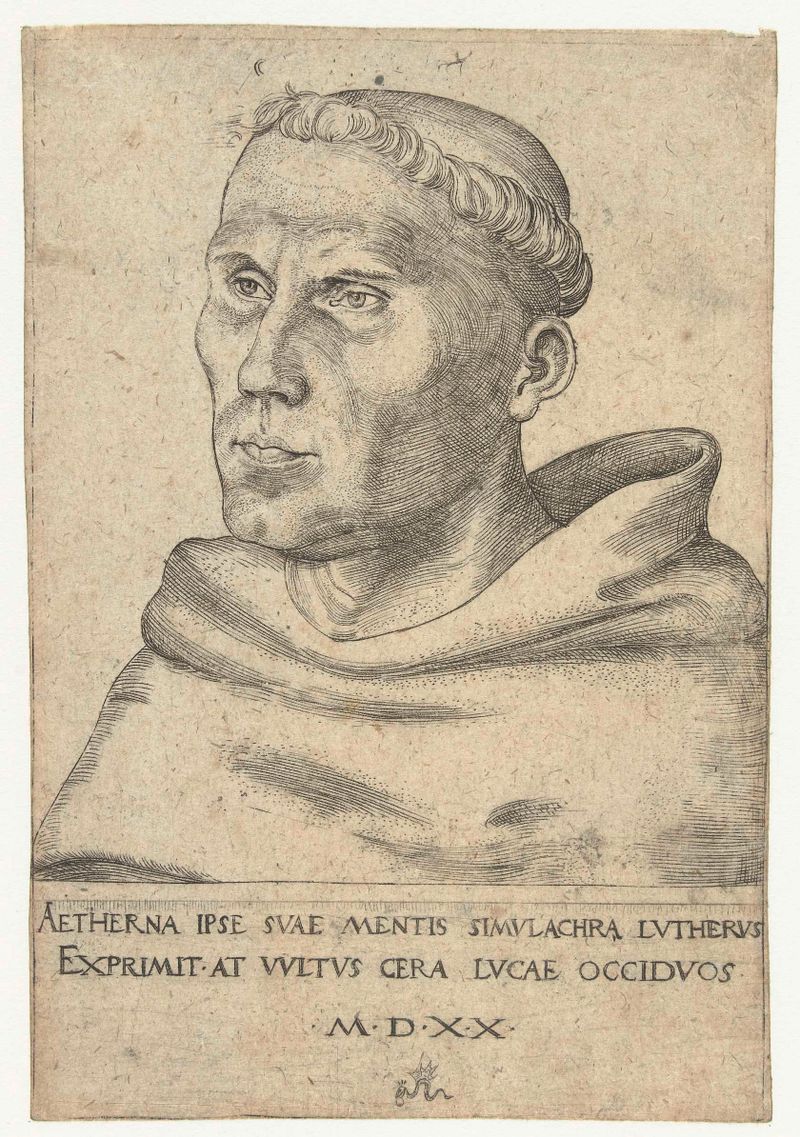
Portret van Martin Luther als Augustijner monnik
Lucas Cranach (I)
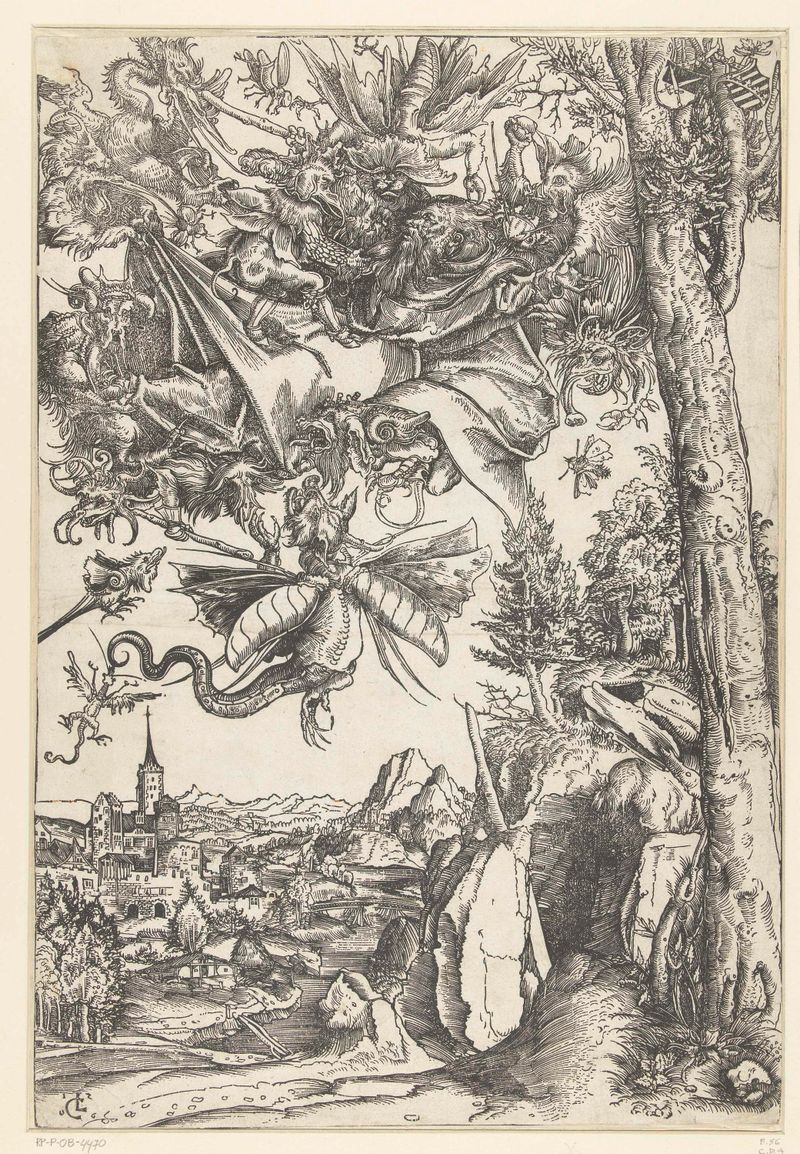
Verzoeking van Antonius met aanval door demonen
Lucas Cranach (I)

Christus en de Samaritaanse vrouw
Lucas Cranach (I)

Duits toernooi met twee edelmannen als ridders te paard
Lucas Cranach (I)
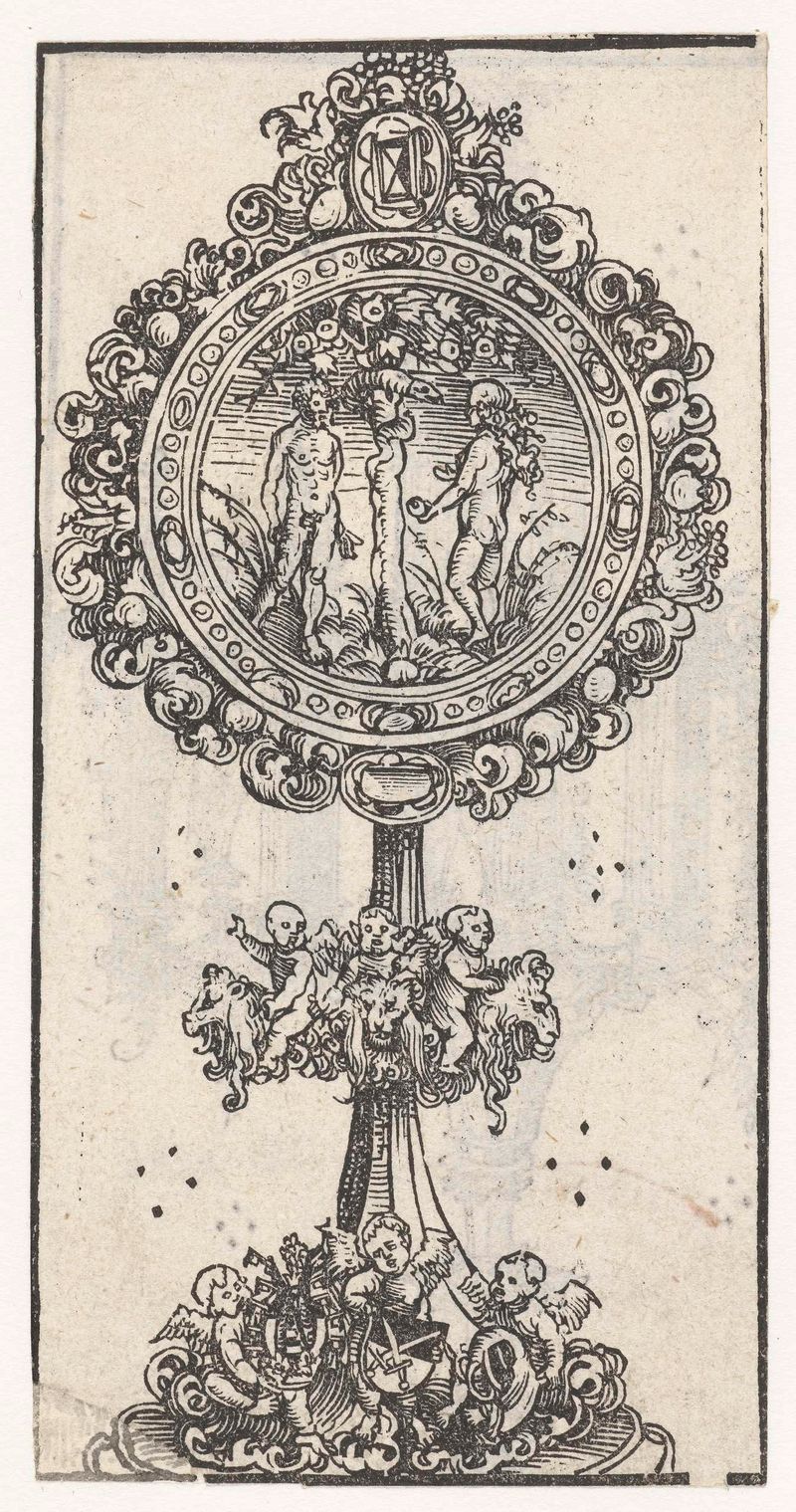
Reliekhouder met de verzoeking van Adam en Eva
Lucas Cranach (I)

Intocht van Christus in Jerusalem
Lucas Cranach (I)
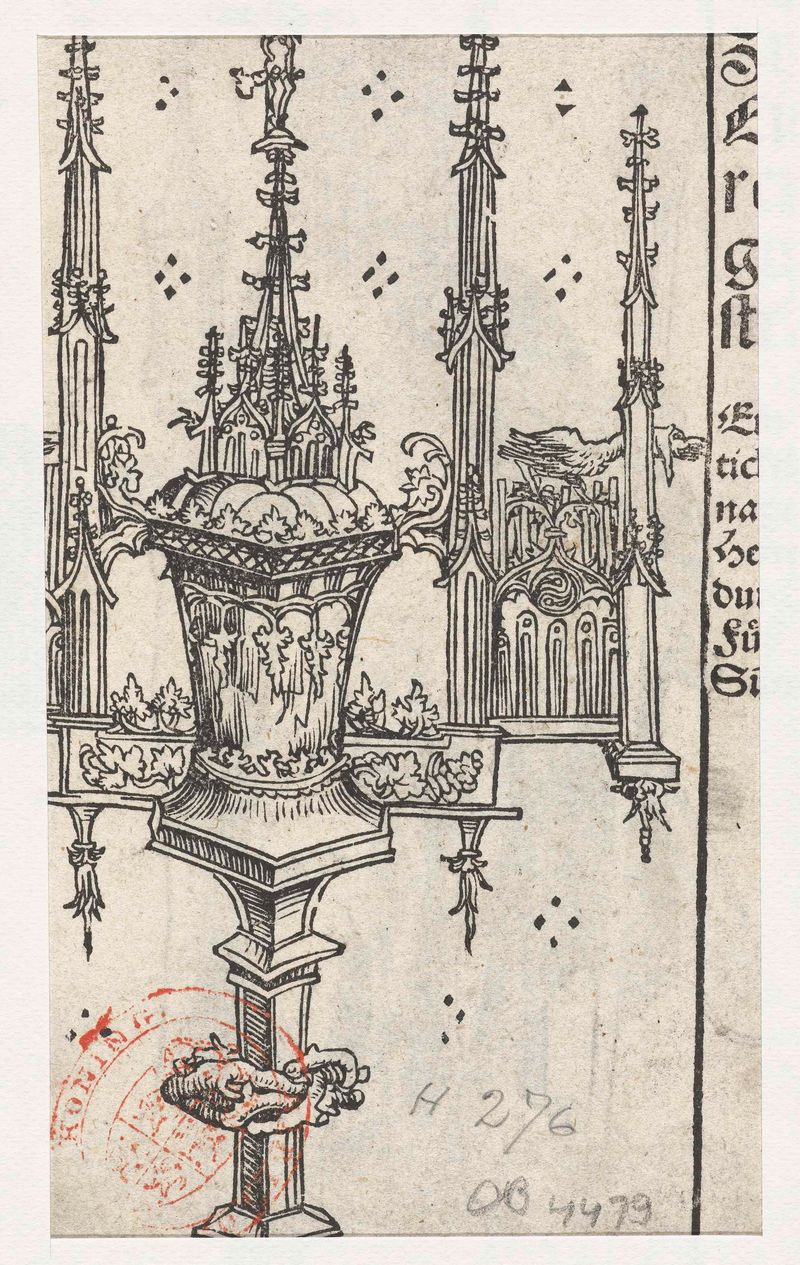
Monstrans met vogel (pelikaan)
Lucas Cranach (I)
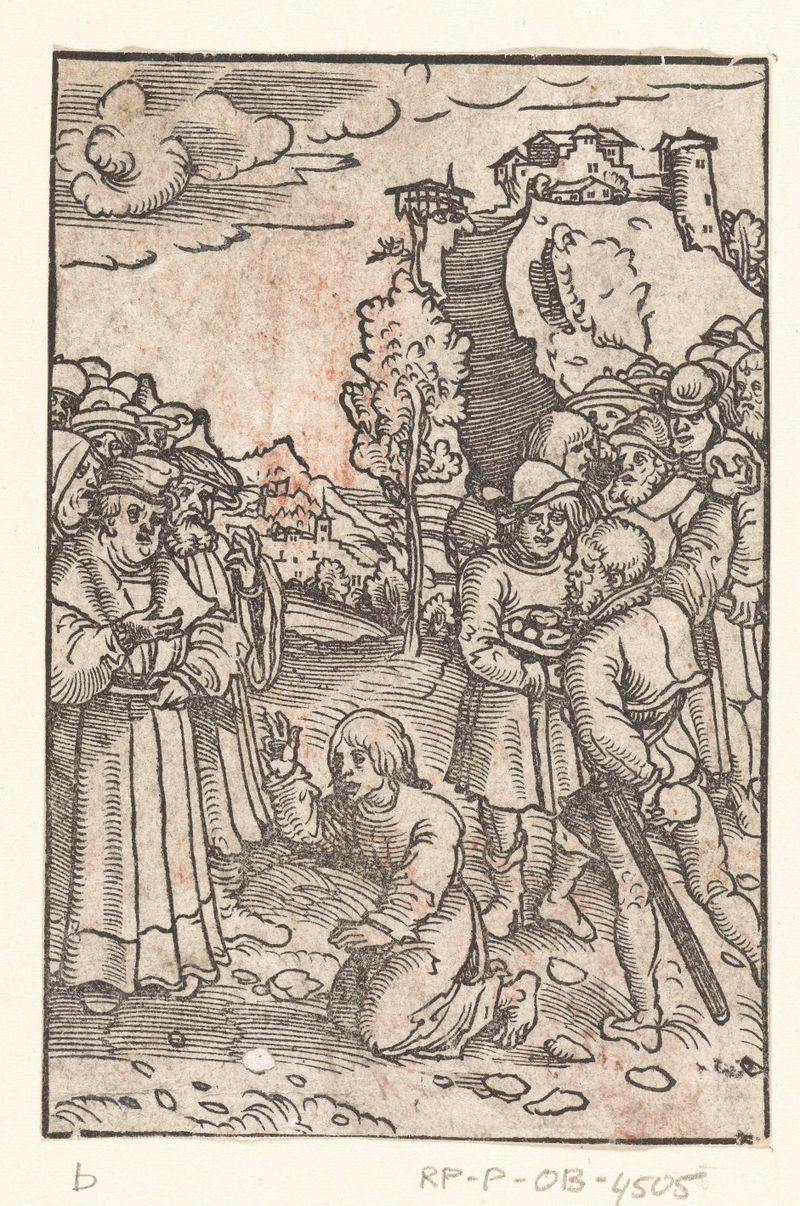
Steniging van Stefanus
Lucas Cranach (I)
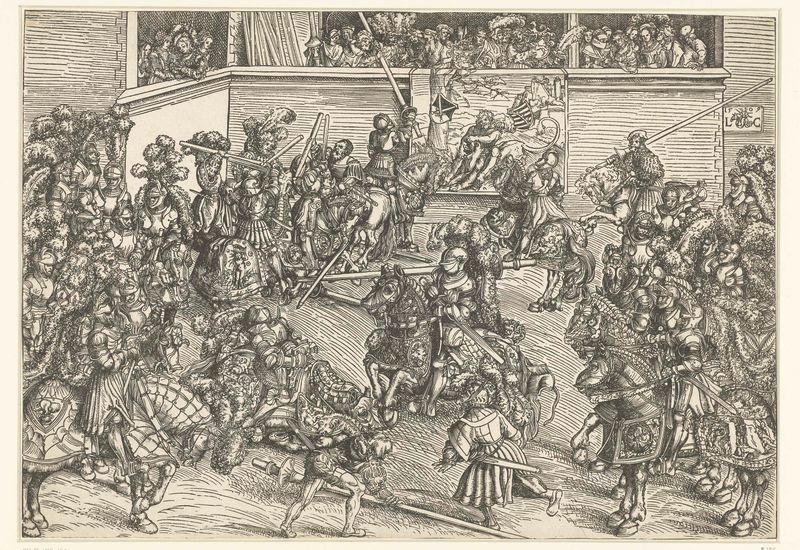
Toernooi van het keurvorstelijk hof van Saksen met wandtapijt Simson doodt de leeuw
Lucas Cranach (I)
More Religious Art
Browse all →
The Return of the Prodigal Son
Rembrandt van Rijn

The Garden of Earthly Delights
El Bosco

Count Orgaz’ funeral
El Greco

The Hundred Guilder Print: the central piece with Christ preaching, the plate arched
Rembrandt van Rijn

The Descent from the Cross
Rogier van der Weyden

The return of the prodigal son
Rembrandt van Rijn