
Christus valt bij de kruisdraging — History & Facts
Who listens when art speaks of silence? In the depths of stillness, a reflection emerges, evoking the weight of absence and the echoes of unspoken sorrow. Focus on the central figure, bent under the burden of the cross, surrounded by a cascade of muted colors that breathe despair. The deep reds and somber browns create a stark contrast against the pale skin of Christ, drawing the eye to his pained expression. Notice how the delicate brushwork captures the flicker of agony in his eyes, while the figures behind him cast long shadows, suggesting their unyielding presence amidst his suffering. Deeper meanings ripple beneath the surface; the onlookers, mouths closed, seem to bear witness, their silence amplifying the gravity of the moment.
Cranach juxtaposes the tortured expression of Christ with the detached demeanor of the crowd, hinting at the tension between suffering and indifference. This contrast not only heightens the emotional impact but also invites the viewer to confront their own response to the pain of others. Painted in 1509, the artist was steeped in the Humanist revival and the growing emphasis on individual emotion. Working in Wittenberg, Cranach was influenced by the burgeoning Reformation, which sought to merge faith and personal experience.
This piece reflects the intricate dance of tragedy and devotion, capturing a pivotal moment in both art and spiritual thought during a time of transformation.
More Artworks by Lucas Cranach (I)
Browse all →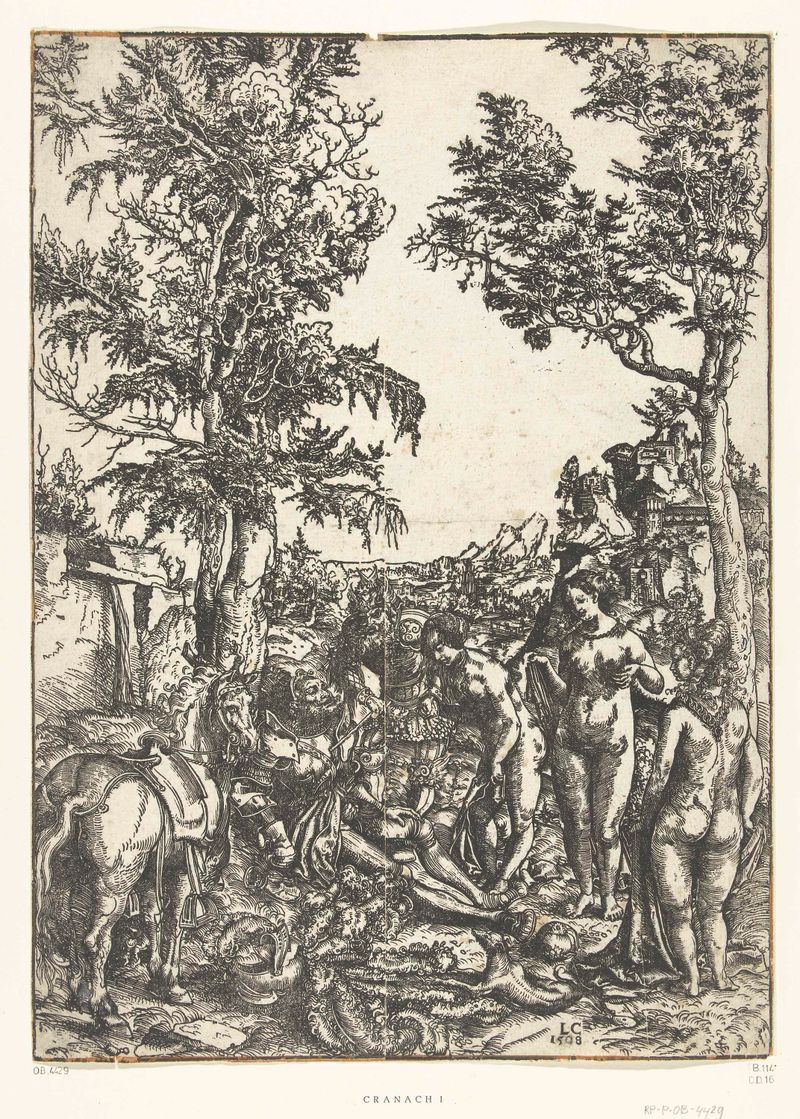
Oordeel van Paris
Lucas Cranach (I)
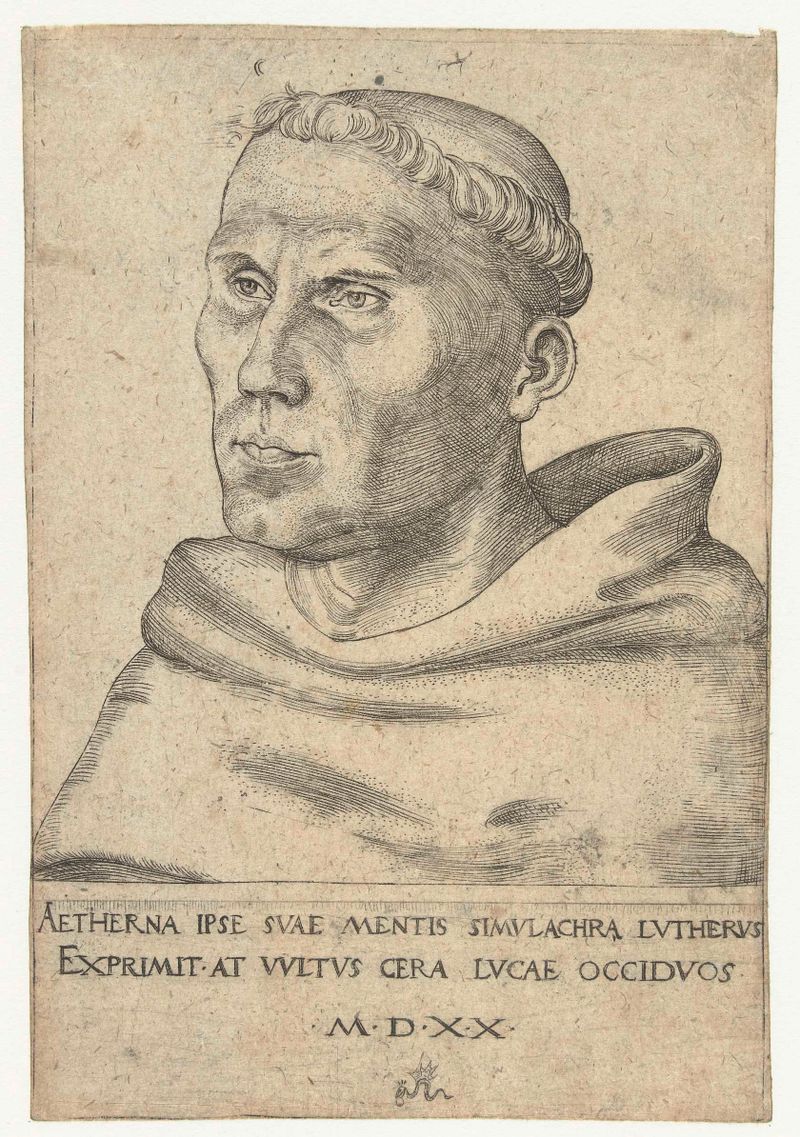
Portret van Martin Luther als Augustijner monnik
Lucas Cranach (I)
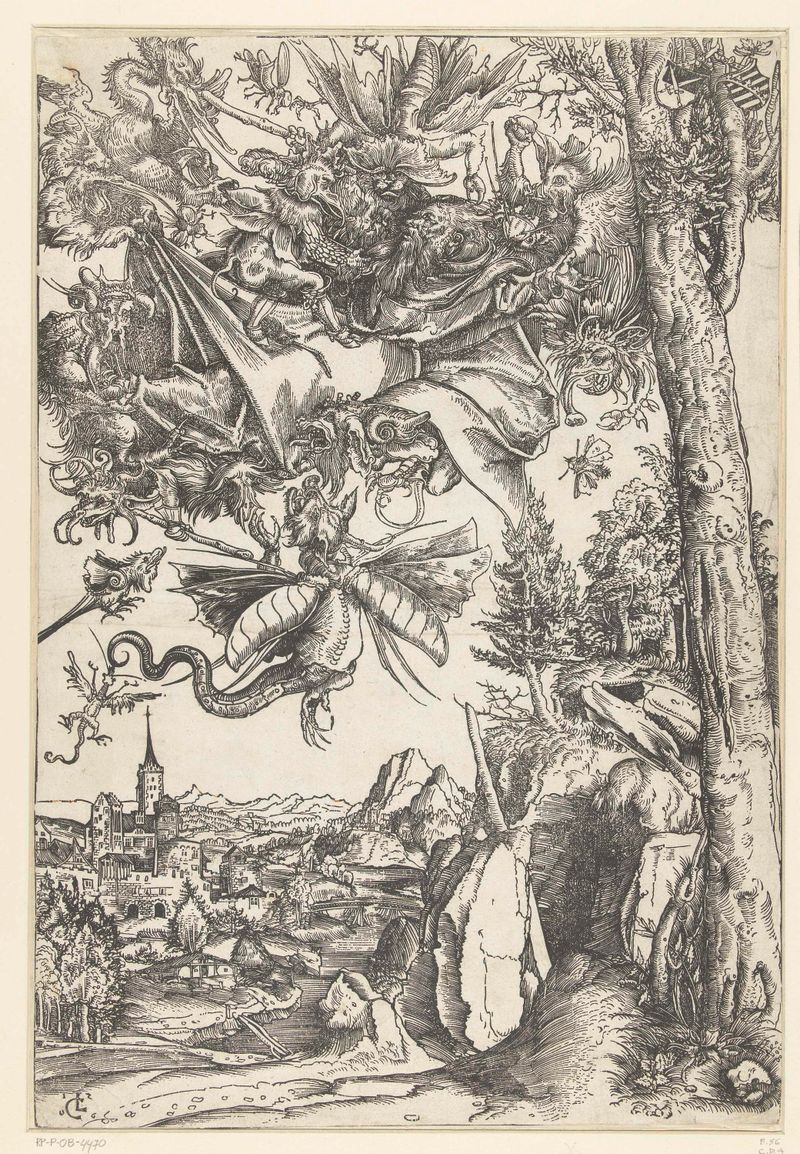
Verzoeking van Antonius met aanval door demonen
Lucas Cranach (I)

Christus en de Samaritaanse vrouw
Lucas Cranach (I)

Duits toernooi met twee edelmannen als ridders te paard
Lucas Cranach (I)
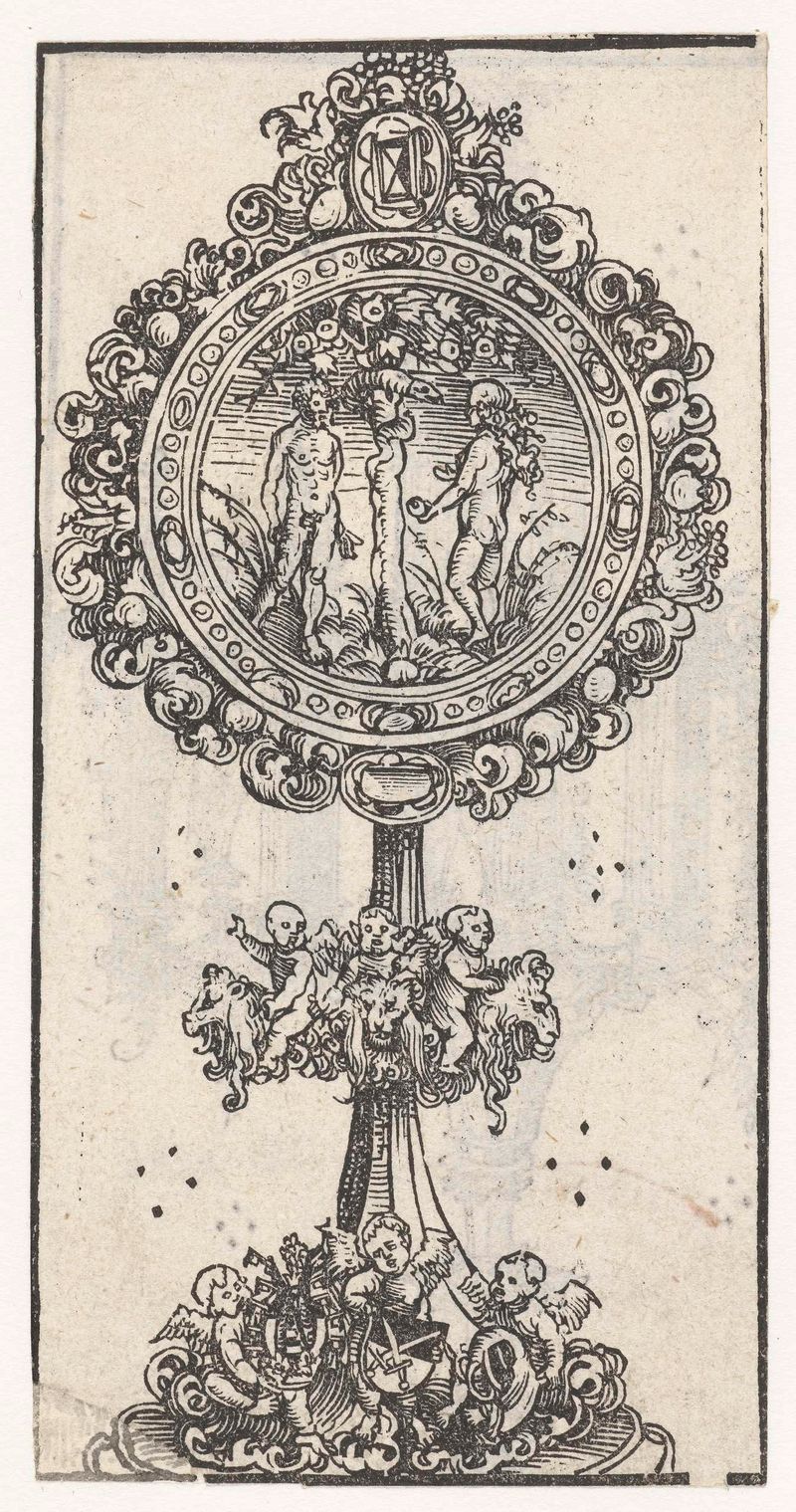
Reliekhouder met de verzoeking van Adam en Eva
Lucas Cranach (I)

Intocht van Christus in Jerusalem
Lucas Cranach (I)
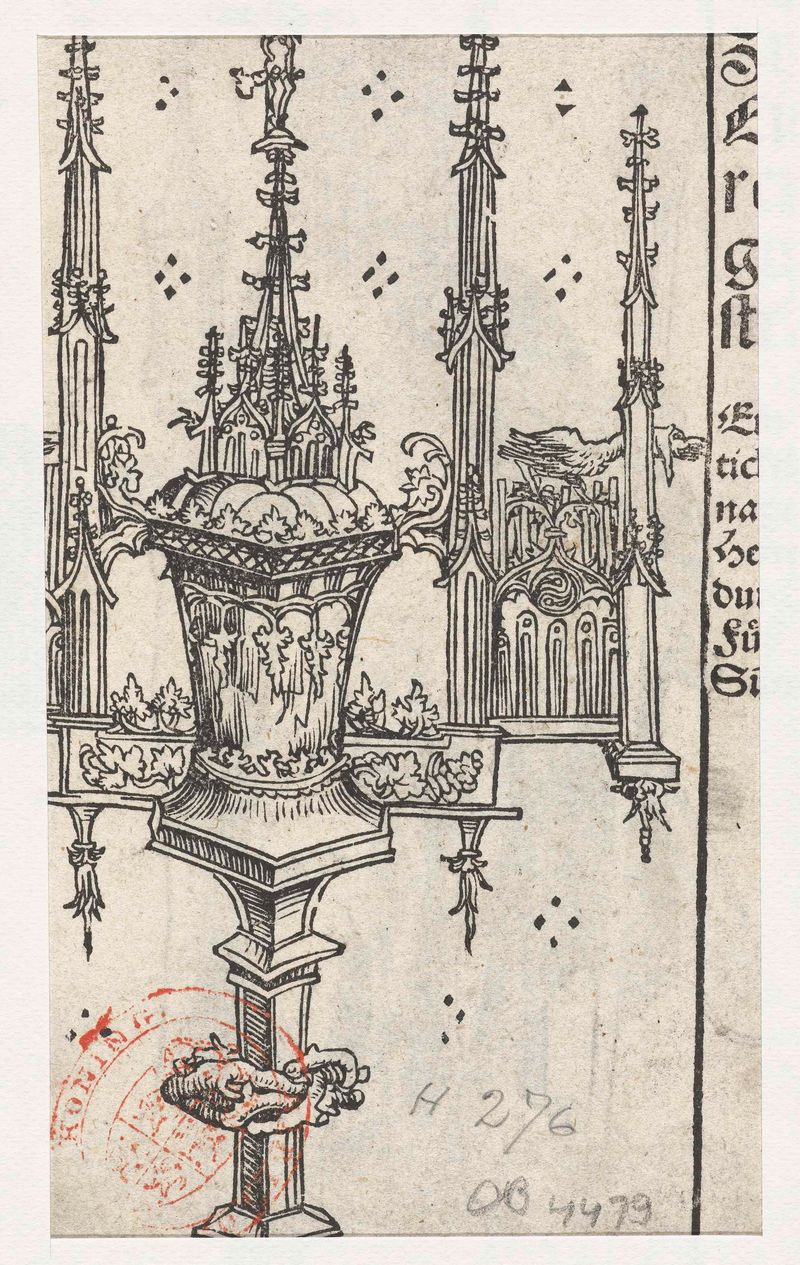
Monstrans met vogel (pelikaan)
Lucas Cranach (I)
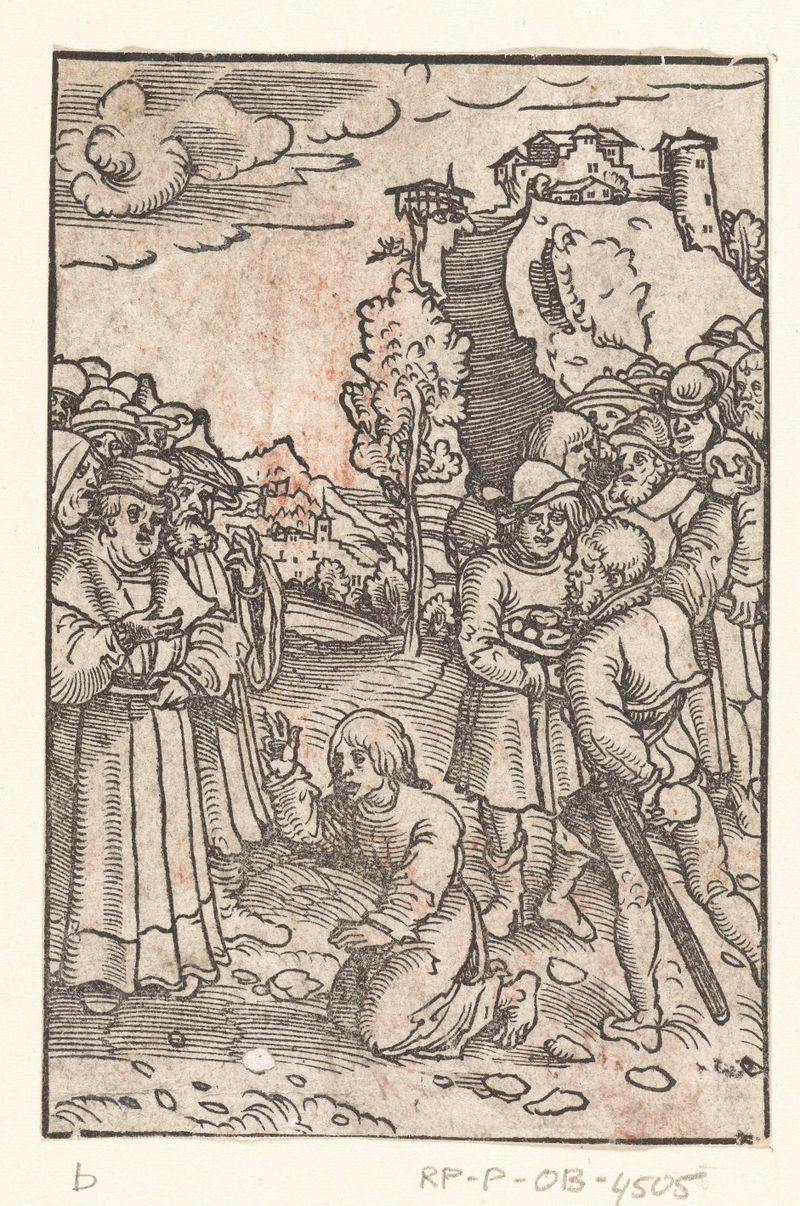
Steniging van Stefanus
Lucas Cranach (I)
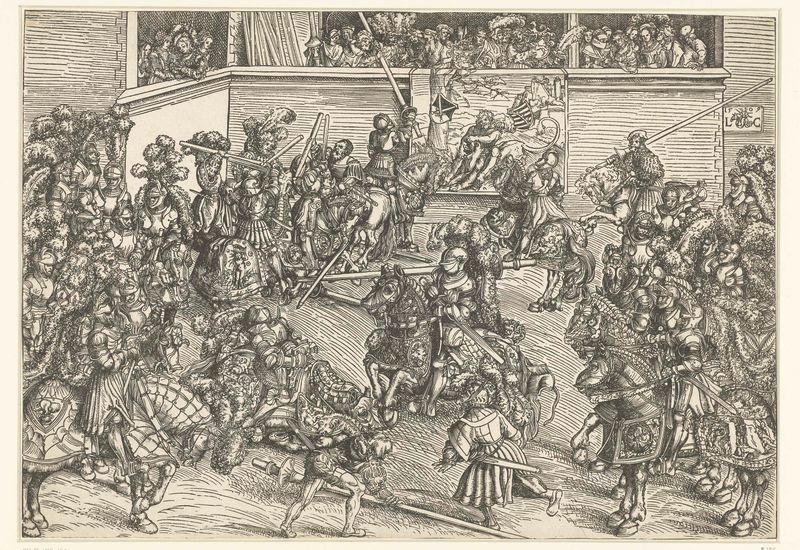
Toernooi van het keurvorstelijk hof van Saksen met wandtapijt Simson doodt de leeuw
Lucas Cranach (I)
More Religious Art
Browse all →
The Return of the Prodigal Son
Rembrandt van Rijn

The Garden of Earthly Delights
El Bosco

Count Orgaz’ funeral
El Greco

The Hundred Guilder Print: the central piece with Christ preaching, the plate arched
Rembrandt van Rijn

The Descent from the Cross
Rogier van der Weyden

The return of the prodigal son
Rembrandt van Rijn