
Christus vervloekt de vijgeboom — History & Facts
Could a single brushstroke hold eternity? In Christus vervloekt de vijgeboom, the essence of time is encapsulated within the meticulous details that span the canvas. Each moment captured invites us to ponder the transient nature of existence itself, weaving a narrative that resonates deeply with the heart and mind. Look to the center of the painting, where Christ stands resolute, his hand raised in condemnation of the barren fig tree. Notice the deep greens and browns that contrast startlingly with the figures' pale skin, drawing your gaze to his expression of divine disappointment.
The delicately rendered leaves and gnarled branches echo the weight of the moment, while the somber sky looms overhead, tinged with an impending sense of change. The composition, intentionally unbalanced, pulls the viewer into the tension of the scene, hinting at the deeper moral lesson hidden within. Within the stark contrast of light and shadow lies the interplay of judgment and mercy, a profound exploration of faith’s complexities. The fig tree, an enduring symbol of life and fertility, stands in stark opposition to Christ’s despair, prompting contemplation on the consequences of unfulfilled potential.
This visual dichotomy speaks to the broader themes of hope and despair, suggesting that while time may reveal the truth of one’s existence, it can also obscure the possibility of redemption. During the late 15th century, the artist created this piece in the vibrant atmosphere of Antwerp, a time when religious art flourished amid the burgeoning Northern Renaissance. It was a period marked by deep introspection and evolving interpretations of faith, reflecting the artist's engagement with both theological themes and contemporary societal shifts. This artwork stands as a testament to that transformative era, blending artistry with profound spiritual reflections.
More Artworks by Meester van Antwerpen (I)
Browse all →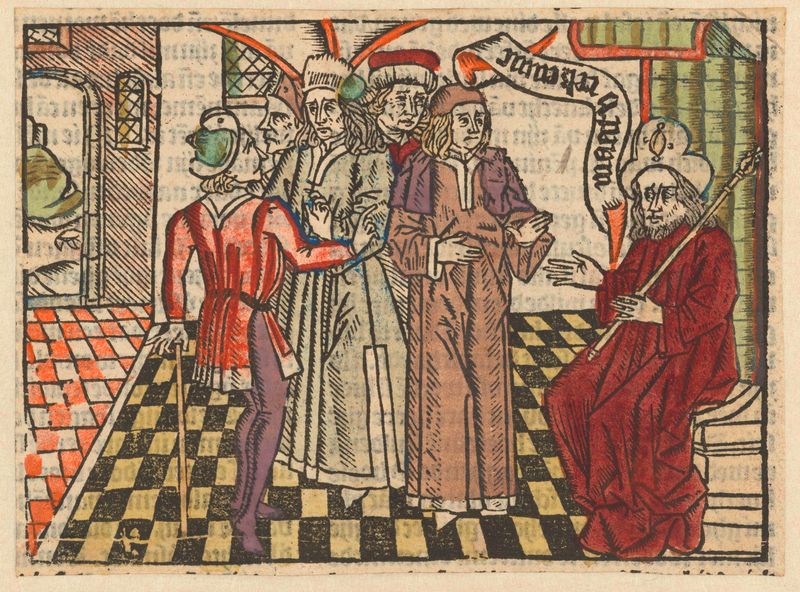
Parabel van de koning en de dienaar die geen vergiffenis schonk
Meester van Antwerpen (I)
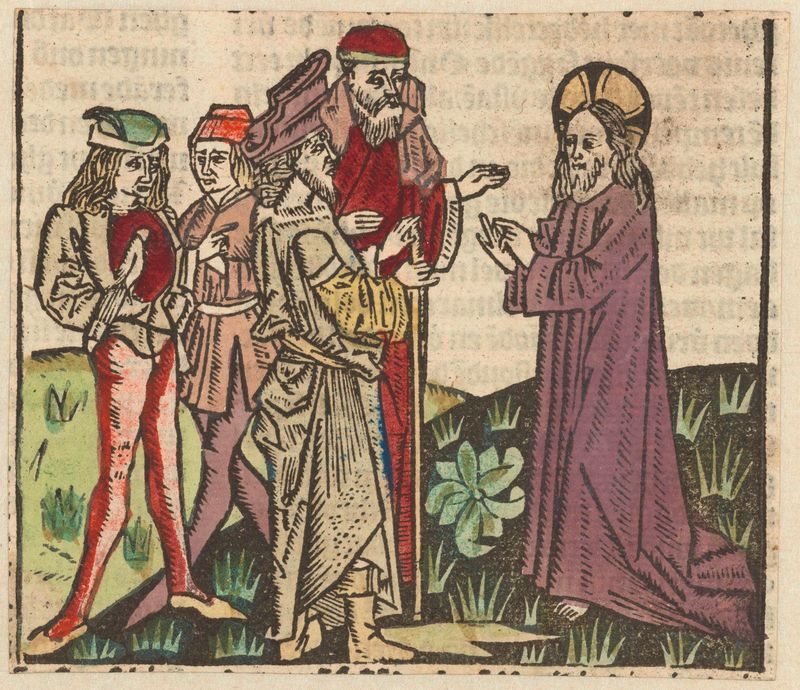
Christus in gesprek met Nicodemus
Meester van Antwerpen (I)
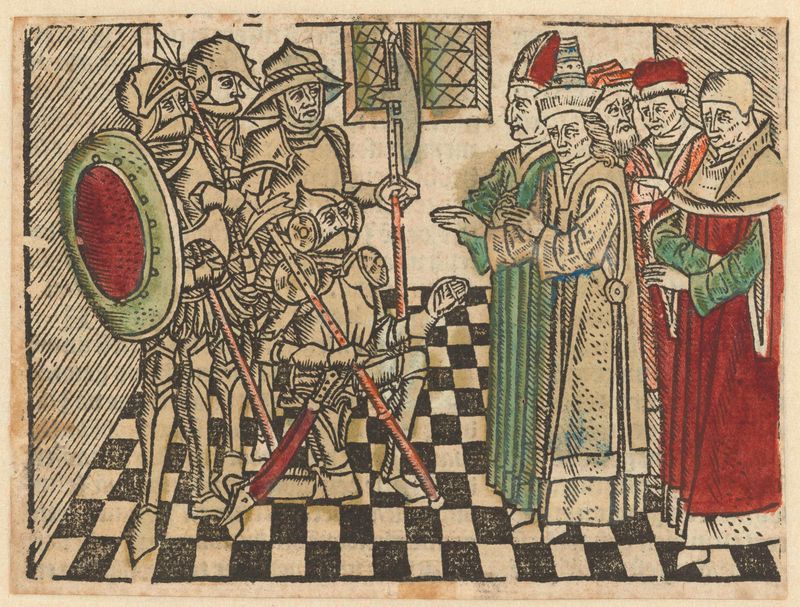
Soldaten berichten de hoge priesters dat Christus is herrezen
Meester van Antwerpen (I)
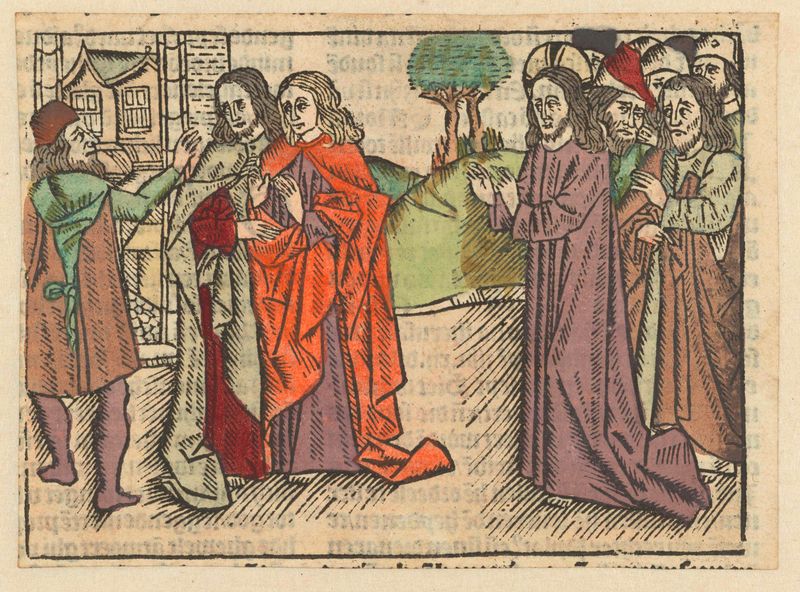
Een Samaritaan weigert Christus te ontvangen
Meester van Antwerpen (I)
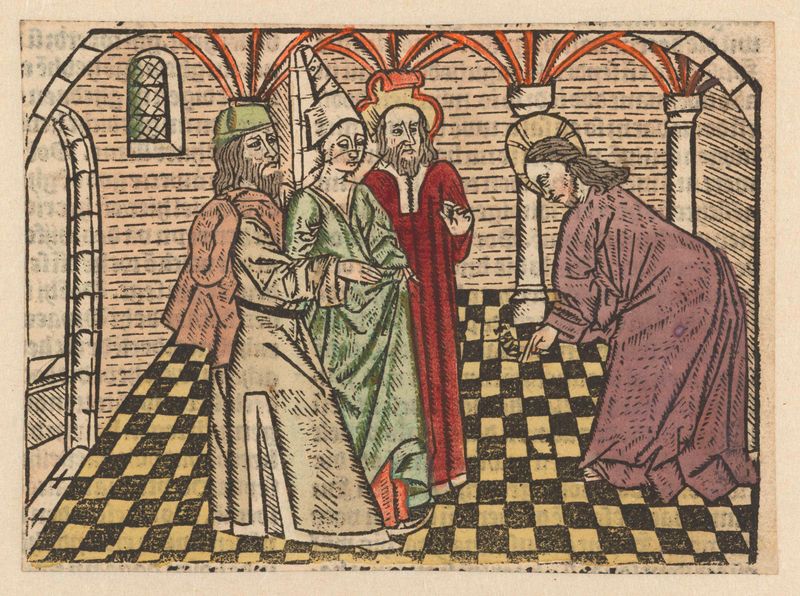
Christus en de overspelige vrouw
Meester van Antwerpen (I)
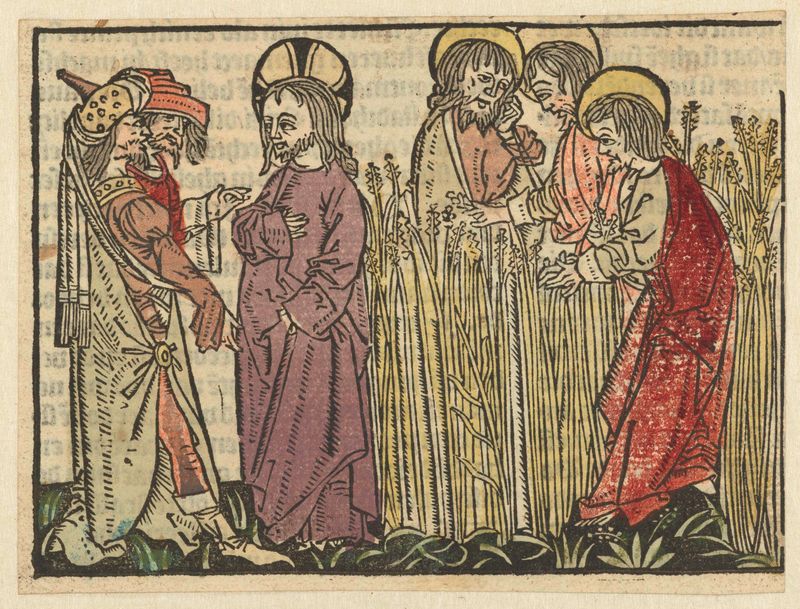
De discipelen plukken en eten aren op de sabbat
Meester van Antwerpen (I)
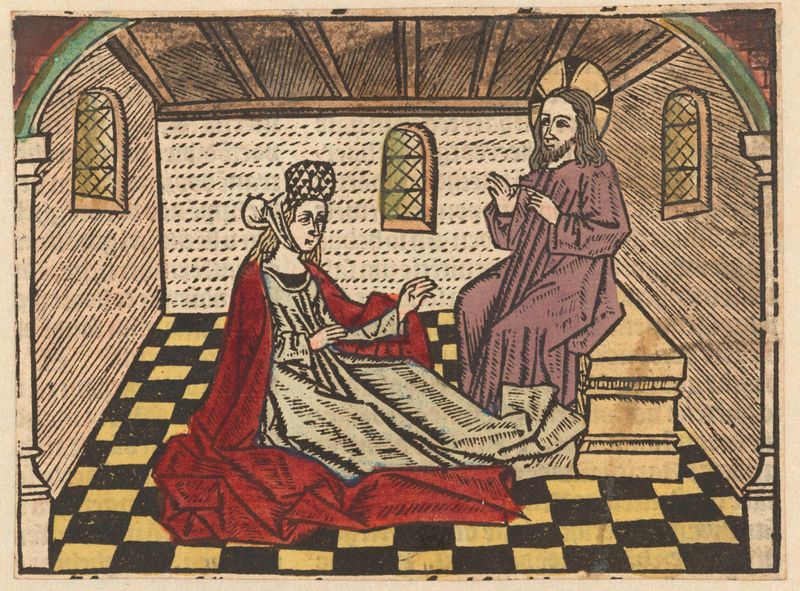
Maria Magdalena luistert naar Christus en bekeert zich
Meester van Antwerpen (I)
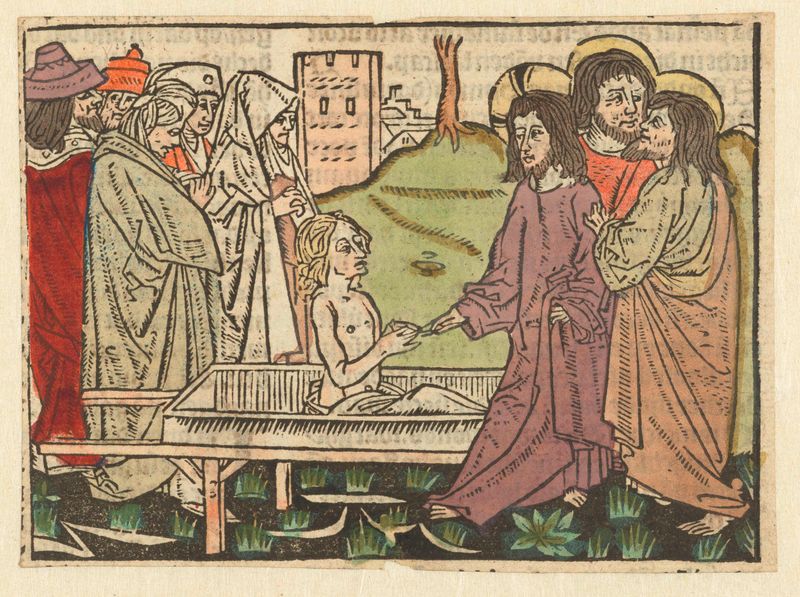
Opwekking van de zoon van de weduwe van Nain
Meester van Antwerpen (I)
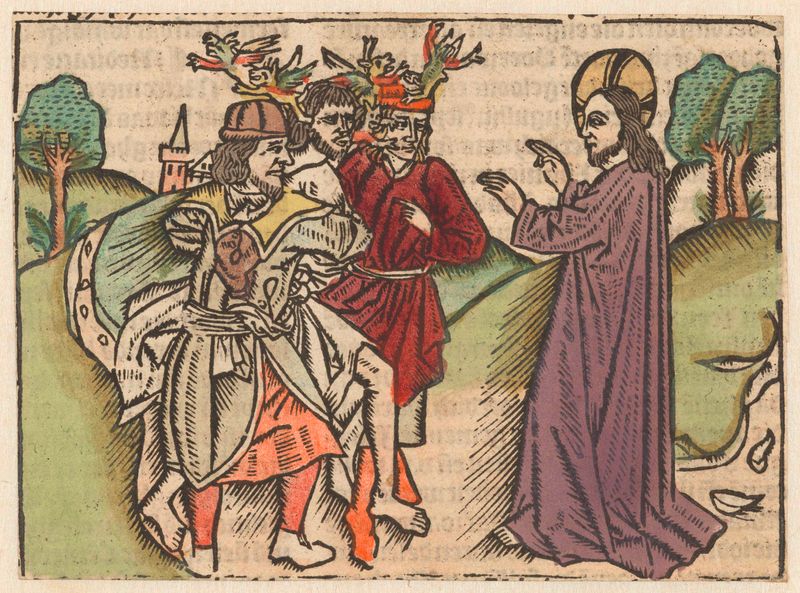
Christus geneest de bezeten man die niet kon spreken
Meester van Antwerpen (I)
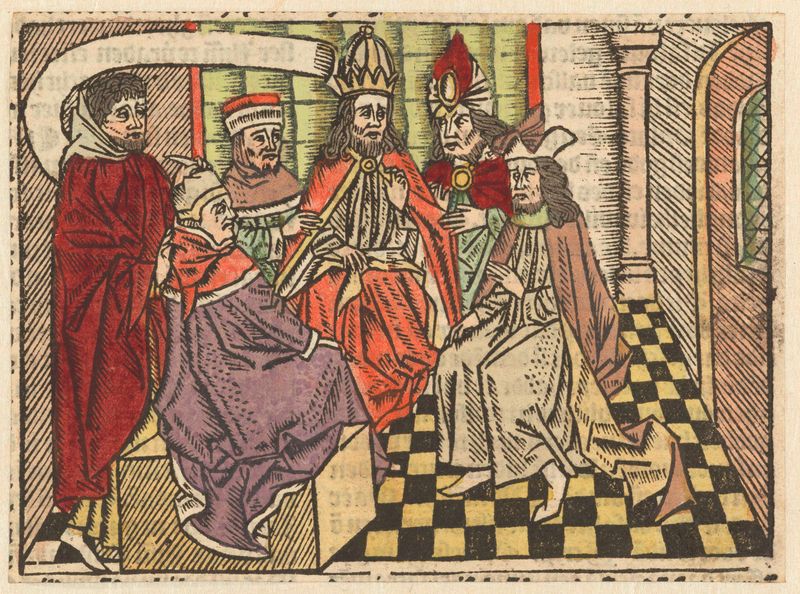
Judas bij de hogepriesters om Christus te verraden
Meester van Antwerpen (I)
More Religious Art
Browse all →
The Return of the Prodigal Son
Rembrandt van Rijn

The Garden of Earthly Delights
El Bosco

Count Orgaz’ funeral
El Greco

The Hundred Guilder Print: the central piece with Christ preaching, the plate arched
Rembrandt van Rijn

The Descent from the Cross
Rogier van der Weyden

The return of the prodigal son
Rembrandt van Rijn