
Christus voor Annas — History & Facts
This reflection invites us to delve deeper into the layers of meaning within our most cherished artworks. How does a masterpiece speak of suffering while wrapped in elegance? First, focus on the figure of Christ at the center of the composition. His serene visage, framed by a striking array of gold and deep, rich colors, draws the eye immediately.
Notice how the intricate details of his clothing contrast with the simplicity of his expression, creating a tension between exterior splendor and inner turmoil. The subtle play of light across his face enhances his divine countenance, while shadows cradle the surrounding figures, drawing attention to the sacred moment captured within the frame. Exploring further, one might observe the disquieting contrast between Christ’s calm demeanor and the charged atmosphere of the gathering around him. The figures behind him, cloaked in darker hues, convey a sense of foreboding and judgment, which starkly opposes the peacefulness radiating from Christ.
The juxtaposition of these elements evokes a deep emotional response, as the viewer is left to ponder the weight of impending events. This tension between beauty and sorrow resonates profoundly, underscoring the dualities inherent in the human experience. Created in 1509, this piece emerged during a period of significant transformation in Northern Renaissance art. Cranach was deeply involved in the Reformation movement, and his work often reflected the religious tensions of the time.
As he painted this scene, he found himself at the intersection of emerging Protestant ideas and traditional Catholic imagery, a positioning that would influence his artistic choices throughout his career.
More Artworks by Lucas Cranach (I)
Browse all →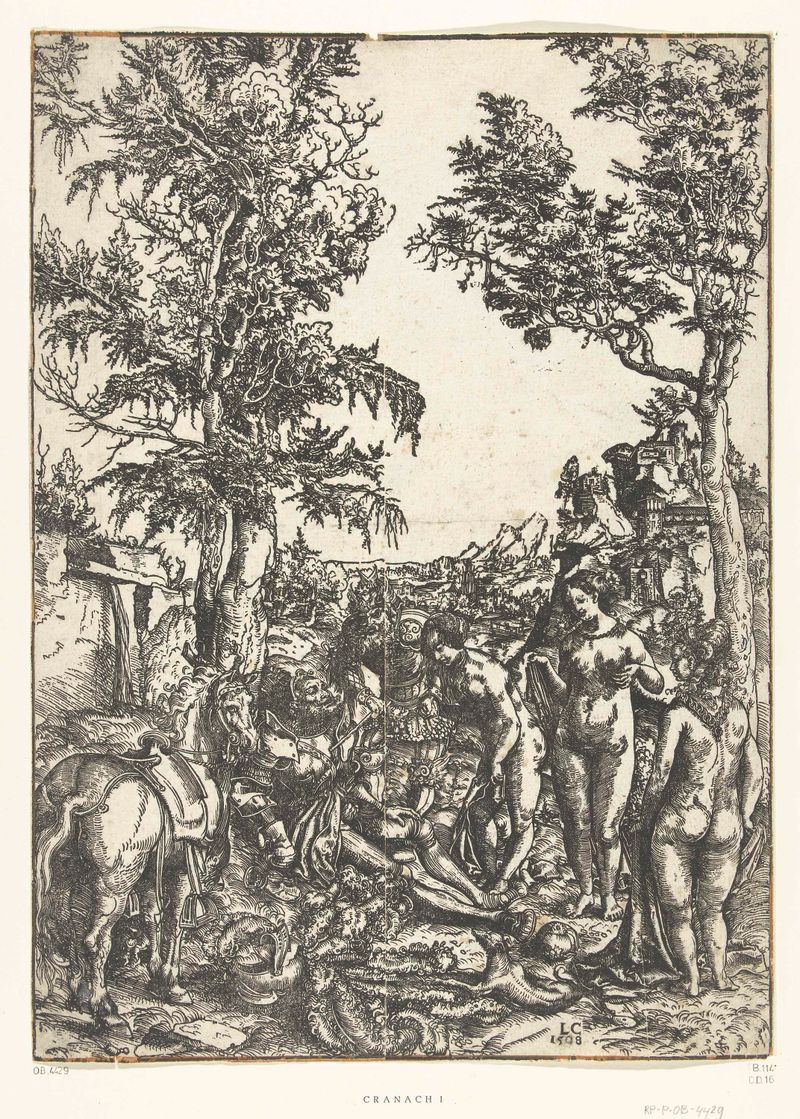
Oordeel van Paris
Lucas Cranach (I)
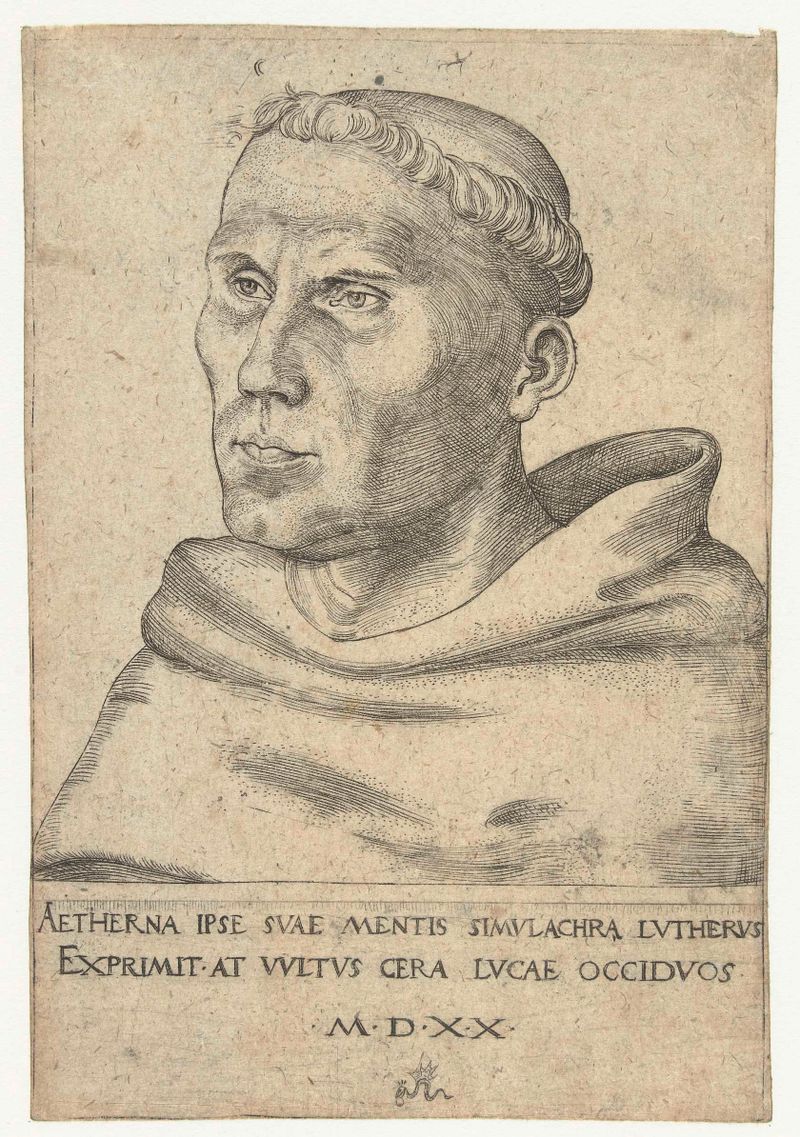
Portret van Martin Luther als Augustijner monnik
Lucas Cranach (I)
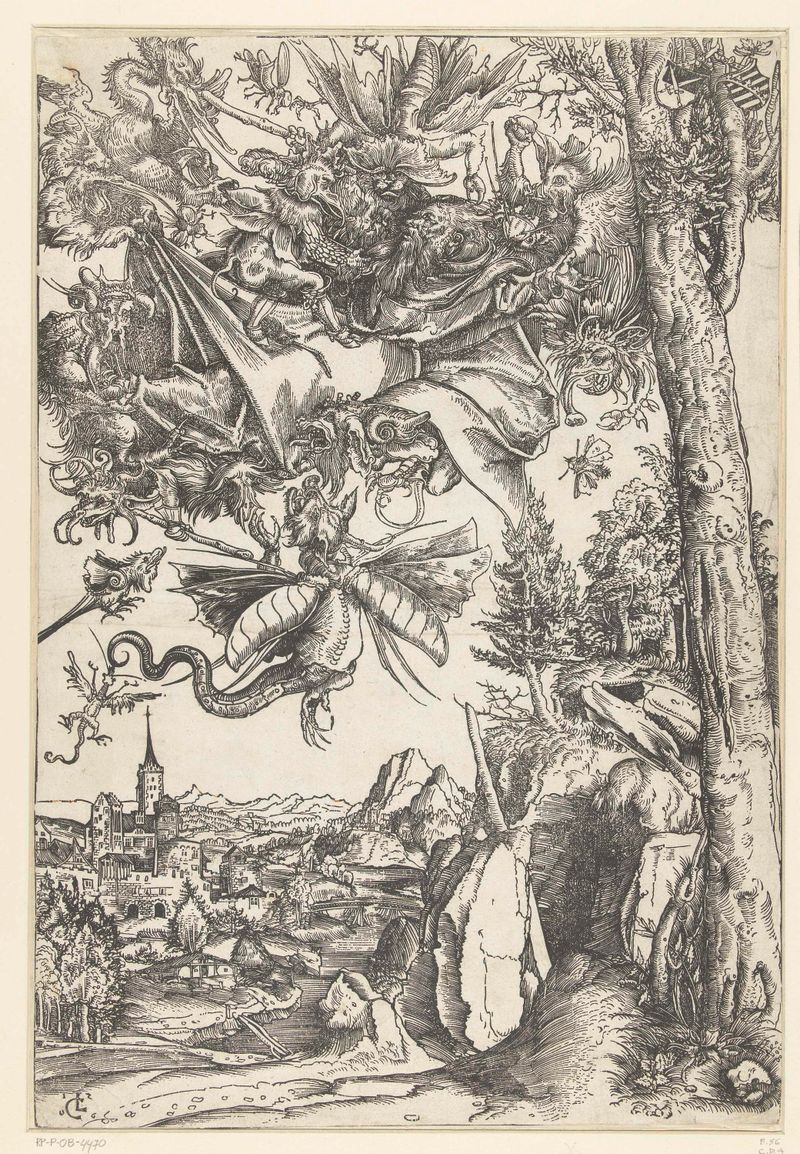
Verzoeking van Antonius met aanval door demonen
Lucas Cranach (I)

Christus en de Samaritaanse vrouw
Lucas Cranach (I)

Duits toernooi met twee edelmannen als ridders te paard
Lucas Cranach (I)
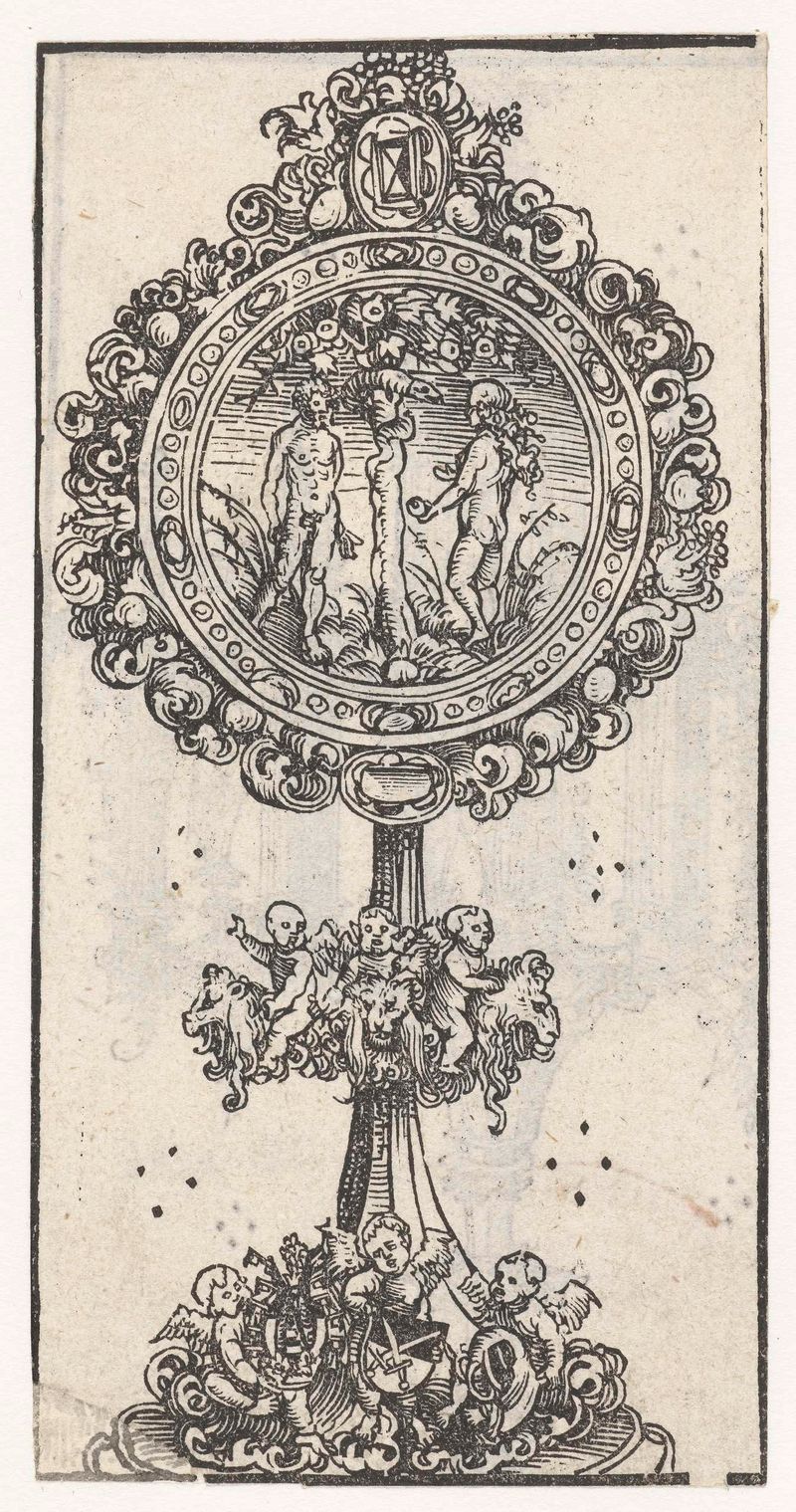
Reliekhouder met de verzoeking van Adam en Eva
Lucas Cranach (I)

Intocht van Christus in Jerusalem
Lucas Cranach (I)
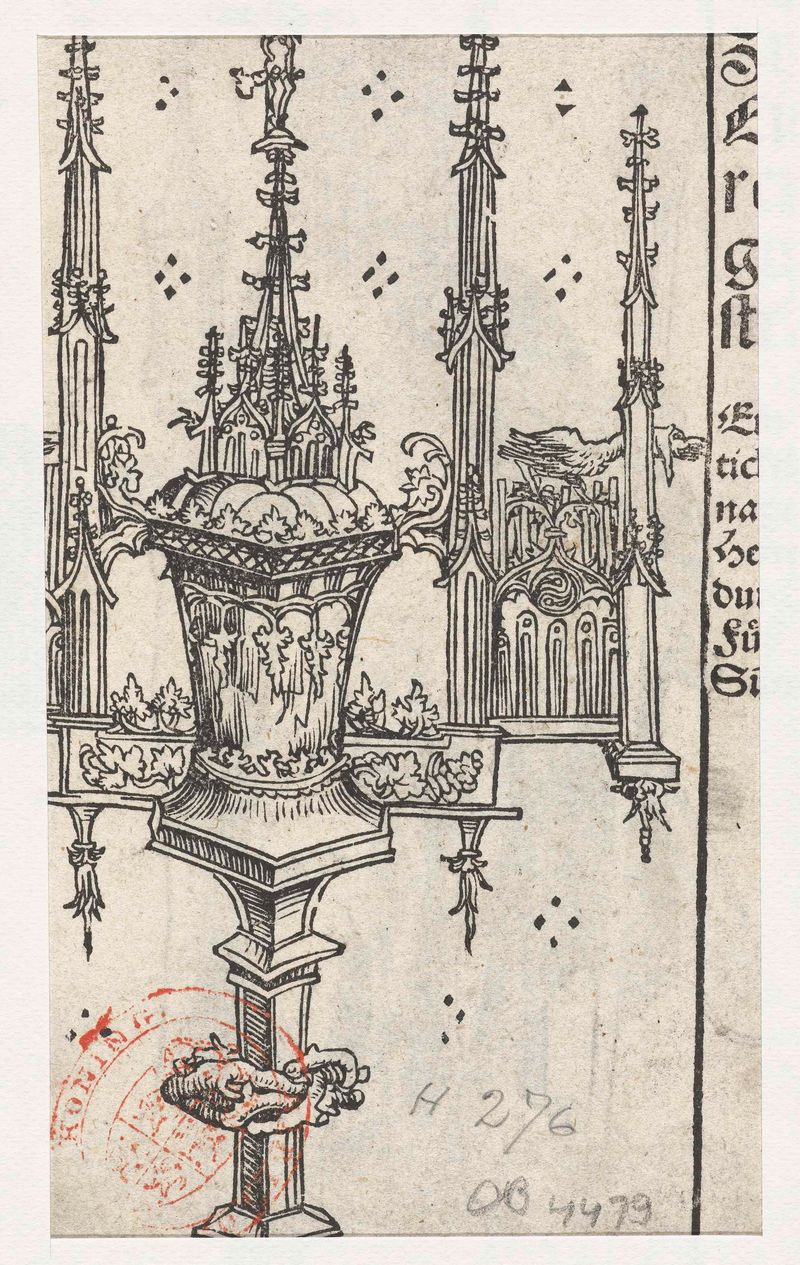
Monstrans met vogel (pelikaan)
Lucas Cranach (I)
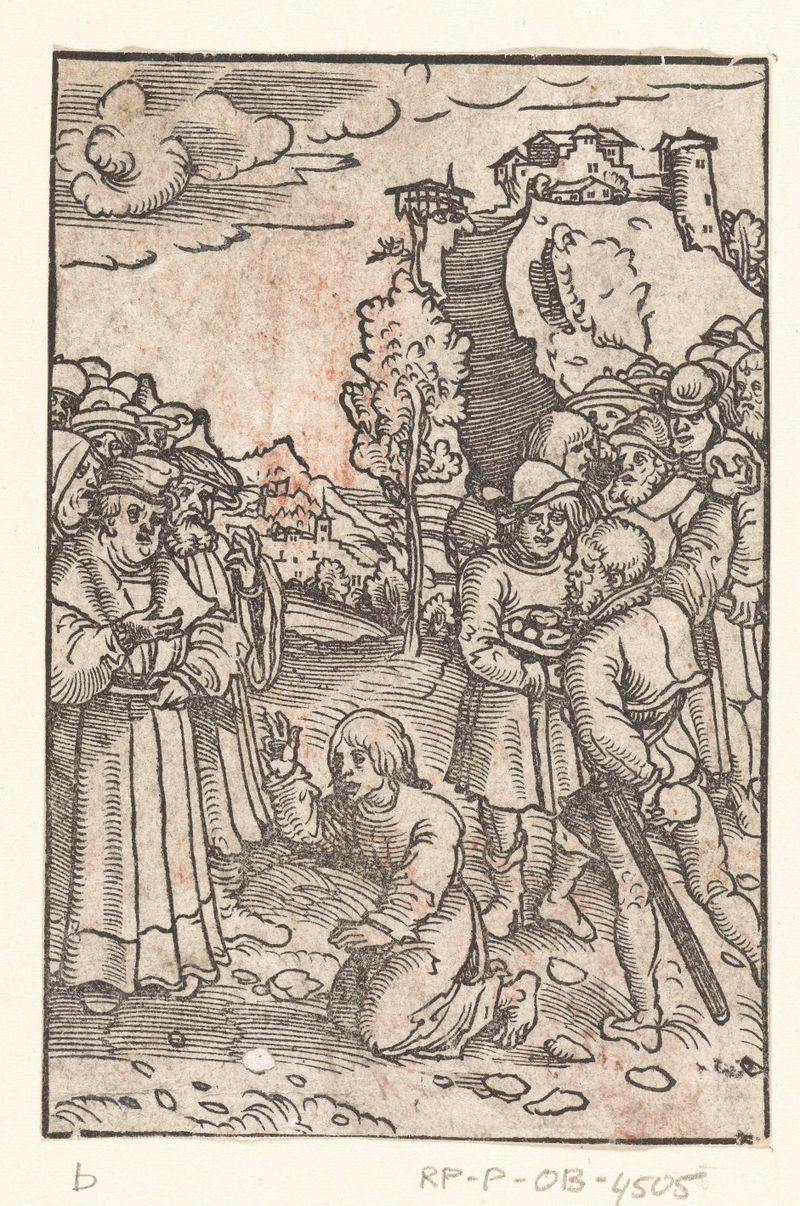
Steniging van Stefanus
Lucas Cranach (I)
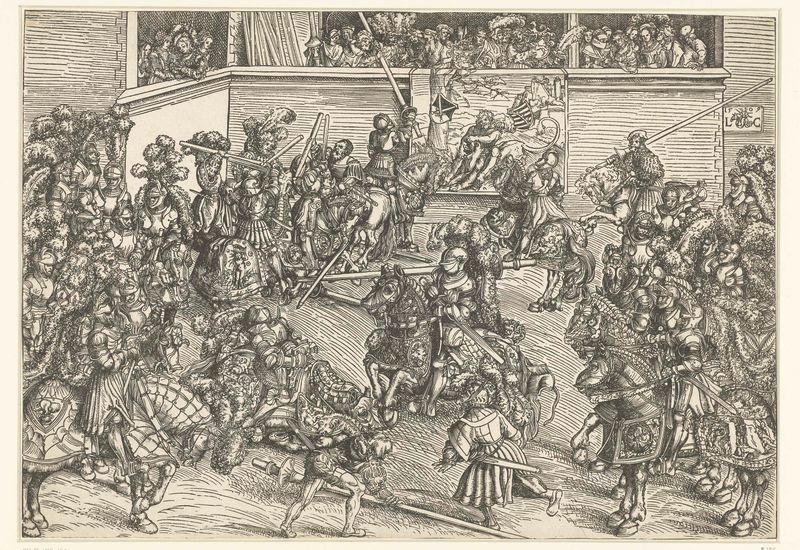
Toernooi van het keurvorstelijk hof van Saksen met wandtapijt Simson doodt de leeuw
Lucas Cranach (I)
More Religious Art
Browse all →
The Return of the Prodigal Son
Rembrandt van Rijn

The Garden of Earthly Delights
El Bosco

Count Orgaz’ funeral
El Greco

The Hundred Guilder Print: the central piece with Christ preaching, the plate arched
Rembrandt van Rijn

The Descent from the Cross
Rogier van der Weyden

The return of the prodigal son
Rembrandt van Rijn