
Christus voor Herodes — History & Facts
When did color learn to lie? In the depths of the canvas, truth and pretense dance in a delicate balance, revealing the profound complexities of faith and judgment. Look to the left at the figure of Christ, his serene expression contrasting sharply with the chaotic backdrop of Herod's court. The rich, vibrant hues of crimson and gold envelop the scene, drawing your eye to the elaborate textures of the garments worn by the onlookers. Notice how the light falls upon the figure of Christ, illuminating his face and creating an ethereal aura that separates him from the tumult around him, hinting at both his divine nature and his impending fate. Beneath the surface of this striking tableau lies a rich interplay of power and vulnerability.
The figures surrounding Christ are painted with exaggerated expressions of suspicion and disdain, emphasizing the tension inherent in their questioning. The way their clothing drapes contrasts with Christ's simplicity, suggesting a deeper commentary on the corruption of authority. Each brushstroke holds the weight of judgment, and the act of gazing becomes an exploration of moral reflection. In 1509, Cranach was deeply immersed in the shifting tides of the Reformation, which was challenging the very foundations of religious doctrine.
Working in Wittenberg, he bridged the realms of art and theology, creating works that sought to provoke thought and inspire faith amid societal upheaval. Christus voor Herodes embodies this moment, capturing not only a biblical narrative but also the broader dialogues of belief and power that were unfolding in his lifetime.
More Artworks by Lucas Cranach (I)
Browse all →
Oordeel van Paris
Lucas Cranach (I)
Portret van Martin Luther als Augustijner monnik
Lucas Cranach (I)
Verzoeking van Antonius met aanval door demonen
Lucas Cranach (I)

Christus en de Samaritaanse vrouw
Lucas Cranach (I)

Duits toernooi met twee edelmannen als ridders te paard
Lucas Cranach (I)
Reliekhouder met de verzoeking van Adam en Eva
Lucas Cranach (I)

Intocht van Christus in Jerusalem
Lucas Cranach (I)
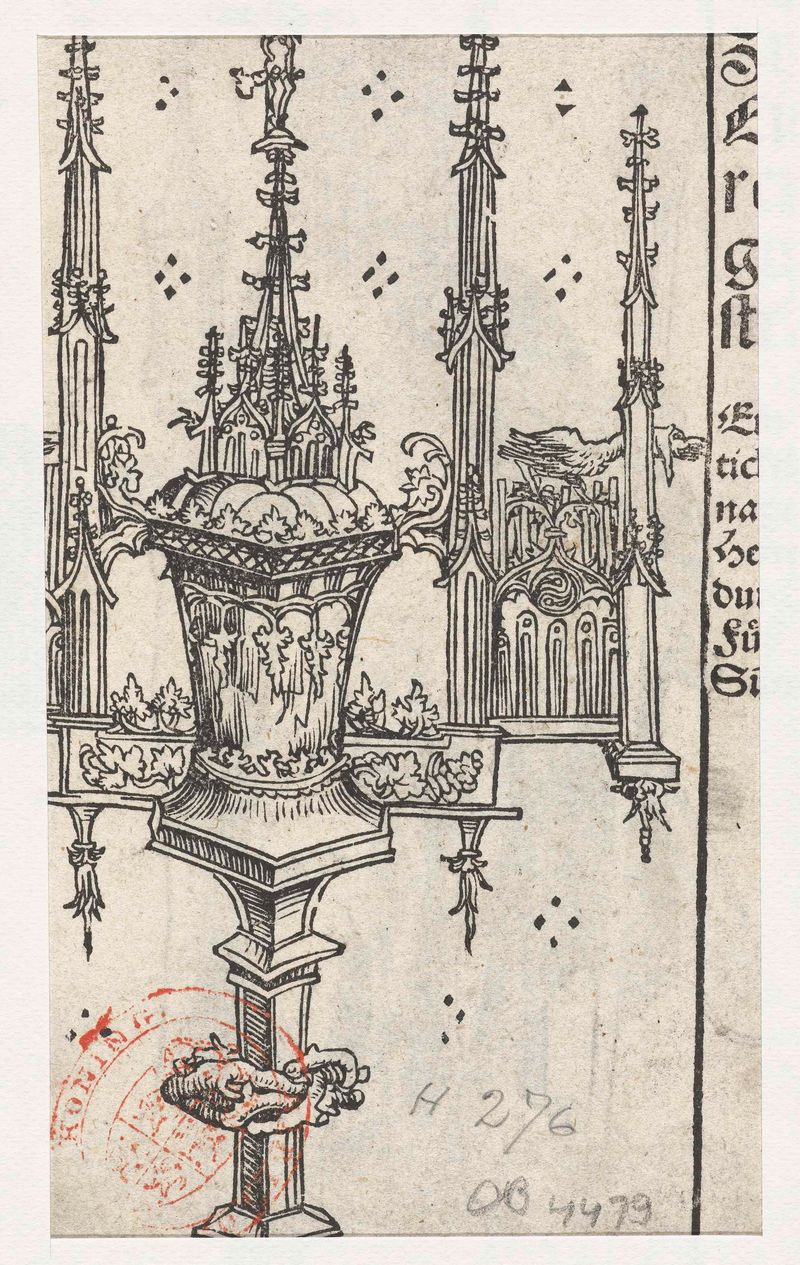
Monstrans met vogel (pelikaan)
Lucas Cranach (I)
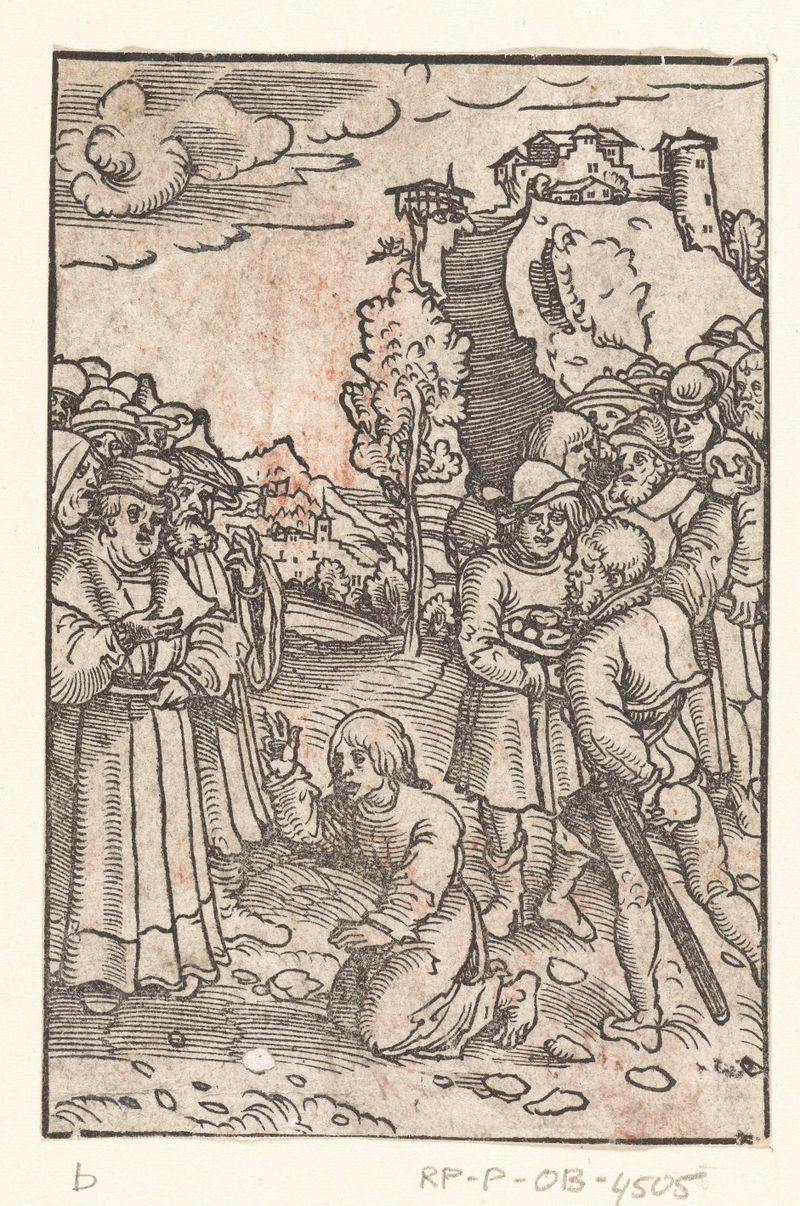
Steniging van Stefanus
Lucas Cranach (I)
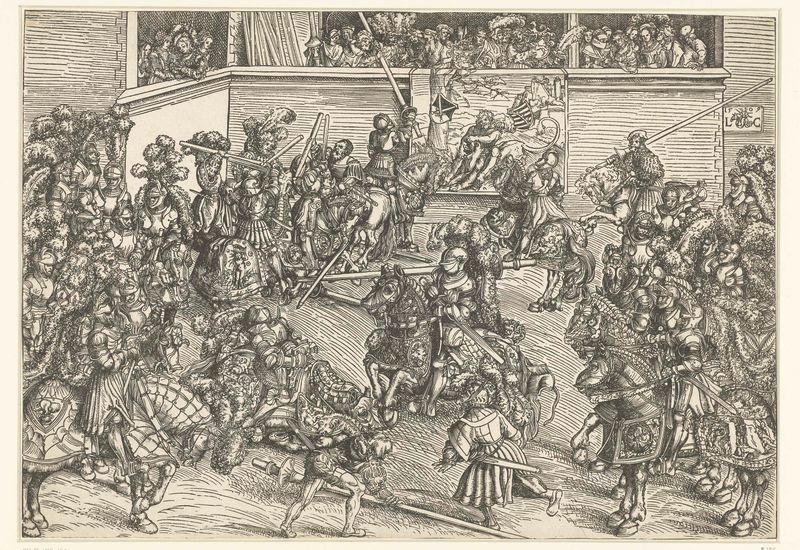
Toernooi van het keurvorstelijk hof van Saksen met wandtapijt Simson doodt de leeuw
Lucas Cranach (I)
More Religious Art
Browse all →
The Return of the Prodigal Son
Rembrandt van Rijn

The Garden of Earthly Delights
El Bosco

Count Orgaz’ funeral
El Greco

The Hundred Guilder Print: the central piece with Christ preaching, the plate arched
Rembrandt van Rijn

The Descent from the Cross
Rogier van der Weyden

The return of the prodigal son
Rembrandt van Rijn