
Christus voor Herodes geleid — History & Facts
What if silence could speak through light? In the stillness of Christus voor Herodes geleid, the palpable tension is woven into the very fabric of the canvas, where fear hangs heavy like an unseen fog. Look to the left at the figure of Christ, His expression a blend of serenity and resignation, juxtaposed against the chaotic world around Him. The diffused light casts dramatic shadows, emphasizing His stillness amid the movement of the guards who surround Him. Notice the intricate details of their armor gleaming in stark contrast to the soft tones of Christ's skin; this interplay of light and dark encapsulates the struggle between power and humility, setting the stage for the narrative of injustice. The painting reveals deeper layers of fear—the fear of persecution, the fear of defiance against authority.
The apprehensive expressions of the onlookers hint at their internal conflict, torn between reverence and the reality of the moment. Cranach encapsulates the contrasting emotions of hope and despair, suggesting that even in the face of imminent judgment, there exists a profound depth of faith. Lucas Cranach (I) painted this work in 1509 during a time of intense political and religious upheaval in Europe. The Reformation was gaining momentum, and Cranach, a close associate of Martin Luther, sought to convey moral and spiritual narratives through his art.
This piece reflects the complexities of faith under duress, showcasing the artist's ability to capture the zeitgeist while engaging with profound philosophical themes.
More Artworks by Lucas Cranach (I)
Browse all →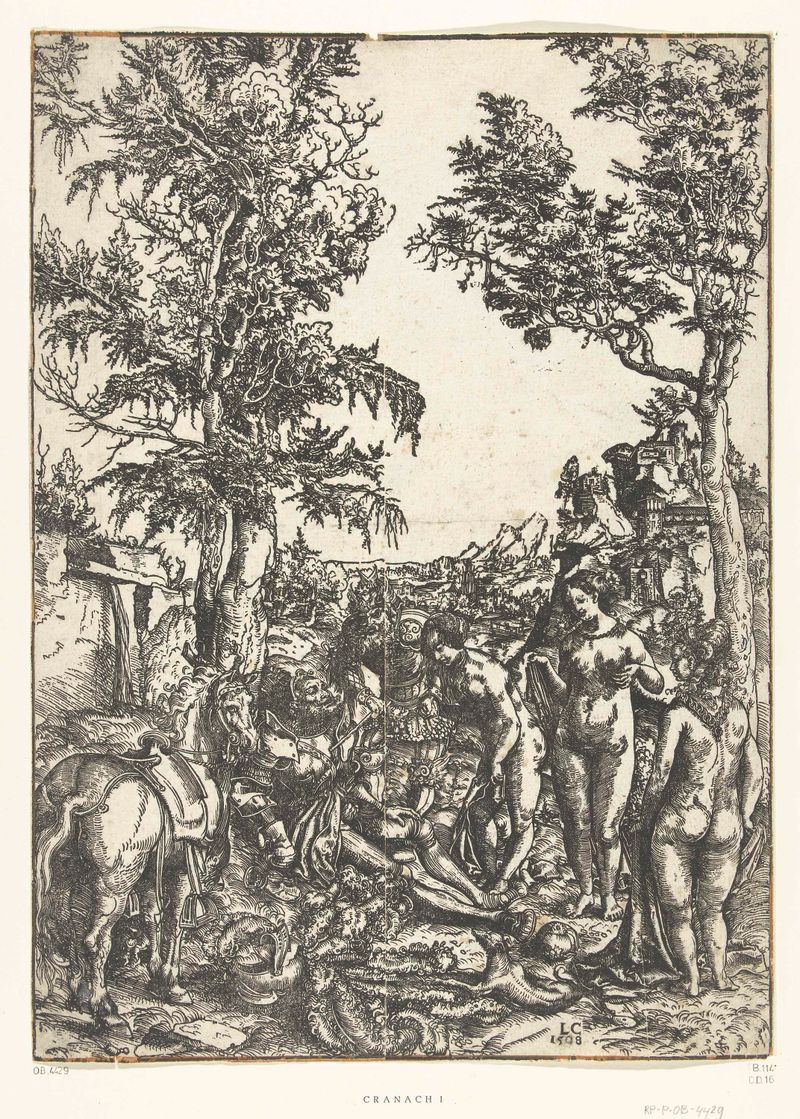
Oordeel van Paris
Lucas Cranach (I)
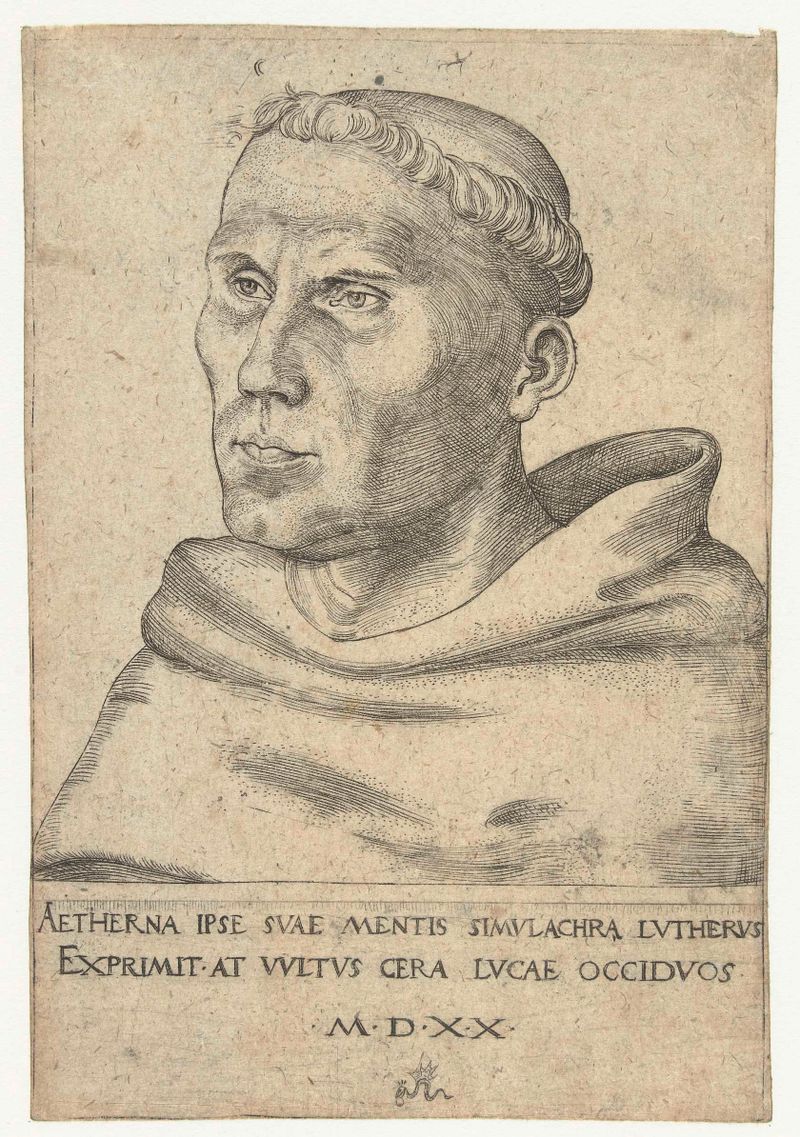
Portret van Martin Luther als Augustijner monnik
Lucas Cranach (I)
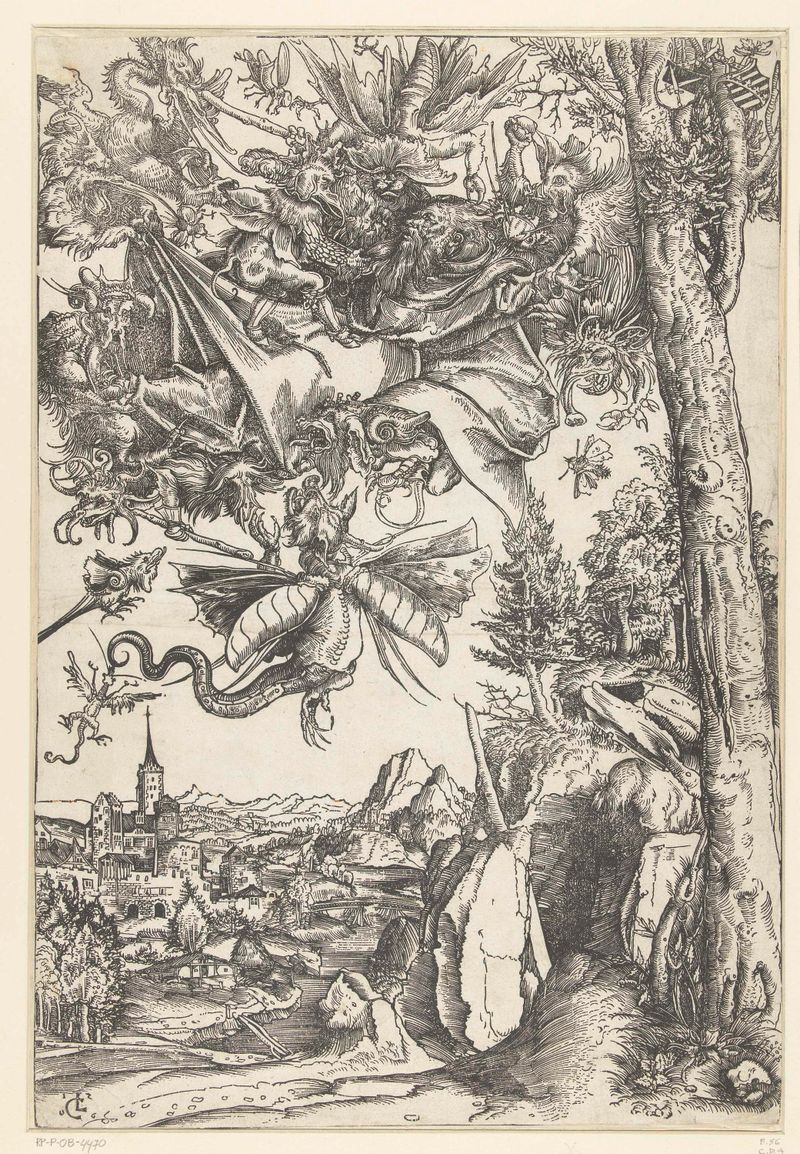
Verzoeking van Antonius met aanval door demonen
Lucas Cranach (I)

Christus en de Samaritaanse vrouw
Lucas Cranach (I)

Duits toernooi met twee edelmannen als ridders te paard
Lucas Cranach (I)
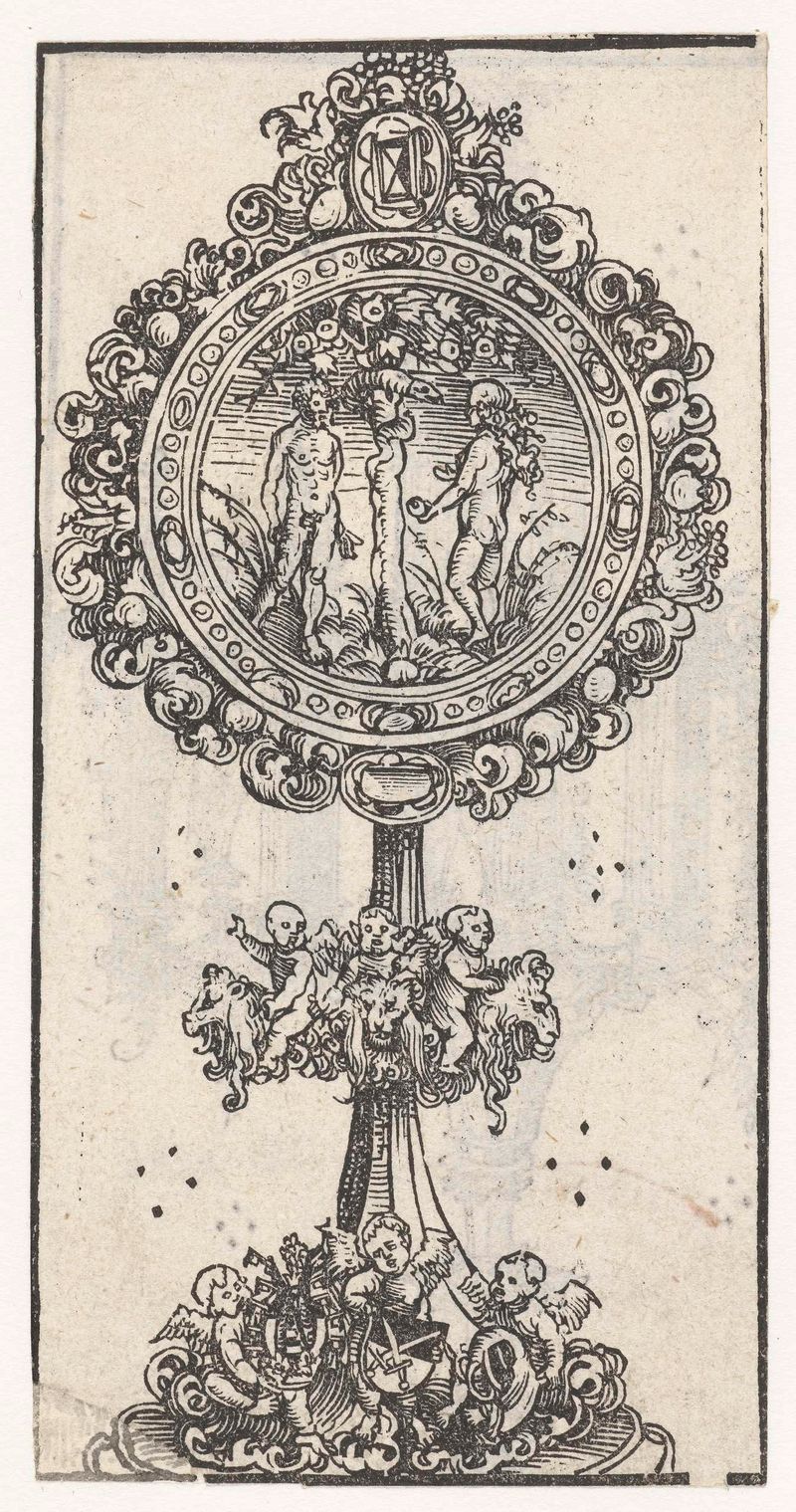
Reliekhouder met de verzoeking van Adam en Eva
Lucas Cranach (I)

Intocht van Christus in Jerusalem
Lucas Cranach (I)
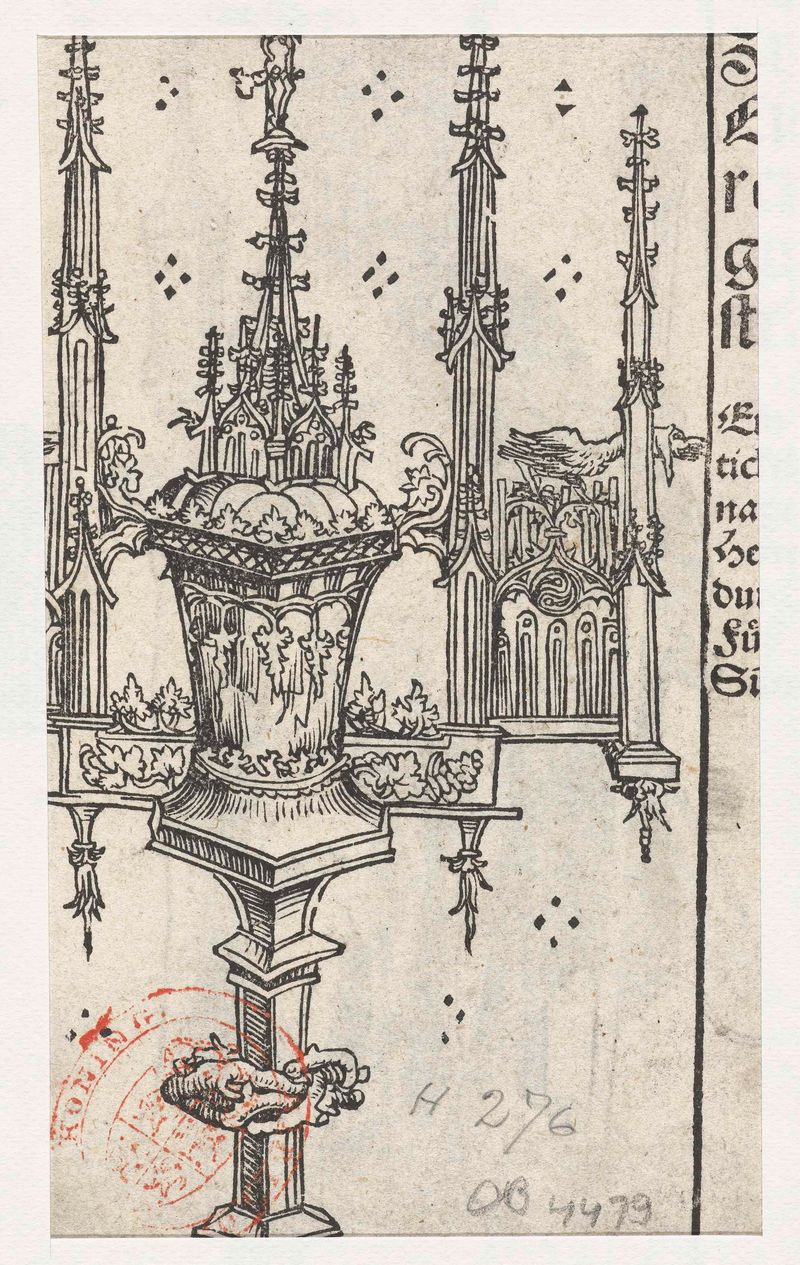
Monstrans met vogel (pelikaan)
Lucas Cranach (I)
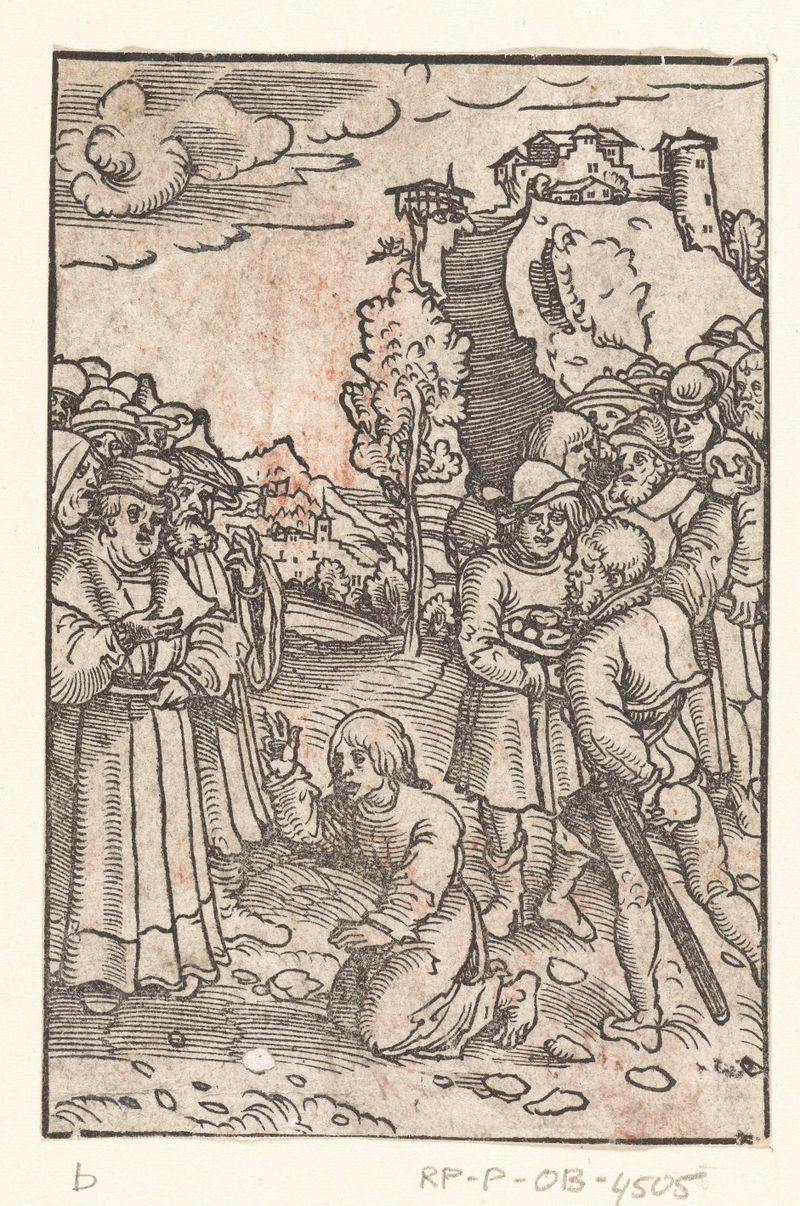
Steniging van Stefanus
Lucas Cranach (I)
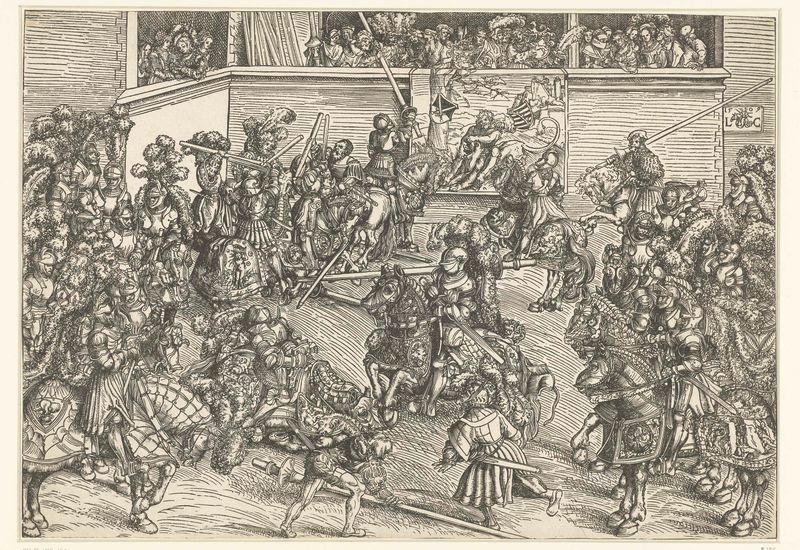
Toernooi van het keurvorstelijk hof van Saksen met wandtapijt Simson doodt de leeuw
Lucas Cranach (I)
More Religious Art
Browse all →
The Return of the Prodigal Son
Rembrandt van Rijn

The Garden of Earthly Delights
El Bosco

Count Orgaz’ funeral
El Greco

The Hundred Guilder Print: the central piece with Christ preaching, the plate arched
Rembrandt van Rijn

The Descent from the Cross
Rogier van der Weyden

The return of the prodigal son
Rembrandt van Rijn