
Christus voor Kajafas geleid — History & Facts
In a moment suspended between revelation and realization, the weight of truth looms heavy. The tension of impending judgment hangs in the air, palpable and electrifying, as two worlds collide — the divine and the earthly. Look to the center of the canvas, where the figure of Christ stands bound, his serene visage contrasting starkly with the agitated presence of Caiaphas, whose posture exudes authority and disdain. Notice how the light illuminates the divine countenance, casting a soft glow that seems to challenge the shadows of accusation surrounding him.
The palette is rich with deep reds and somber earth tones, creating a dramatic interplay of light and dark that heightens the emotional gravity of the scene. Delving deeper, the juxtaposition of Christ’s calm acceptance against Caiaphas’s fervent anger reveals the broader conflict between faith and power. The small details, like the subtle twitch of Caiaphas’s hand or the sorrowful gaze of an onlooker, amplify the tension — each element contributes to a narrative of betrayal and revelation. This moment encapsulates the struggle between worldly authority and spiritual truth, inviting contemplation on sacrifice and redemption. Created in 1509, the artist rendered this piece during a time when the Reformation was beginning to challenge the established church.
Cranach, a key figure in the Northern Renaissance, was influenced by these turbulent shifts in religious thought and personal conviction. As he painted Christus voor Kajafas geleid, he navigated a complex interplay of faith, art, and societal change, seeking to transcend mere representation and capture the essence of a moment destined to echo through time.
More Artworks by Lucas Cranach (I)
Browse all →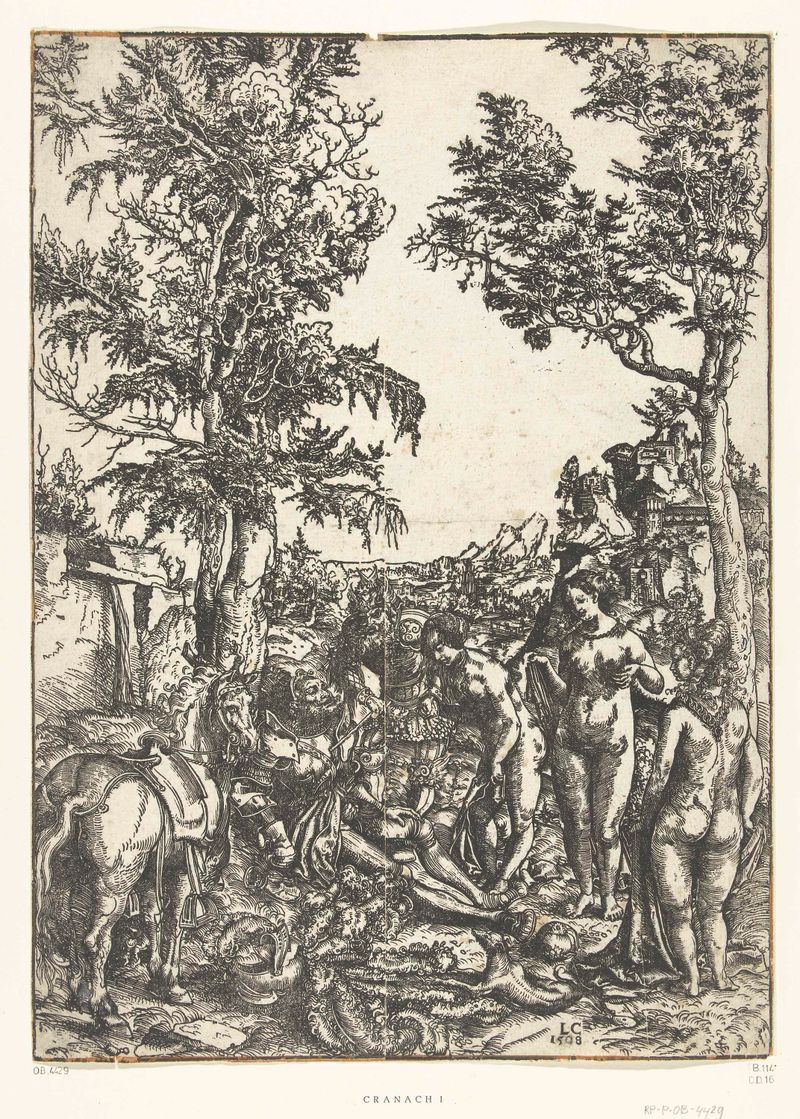
Oordeel van Paris
Lucas Cranach (I)
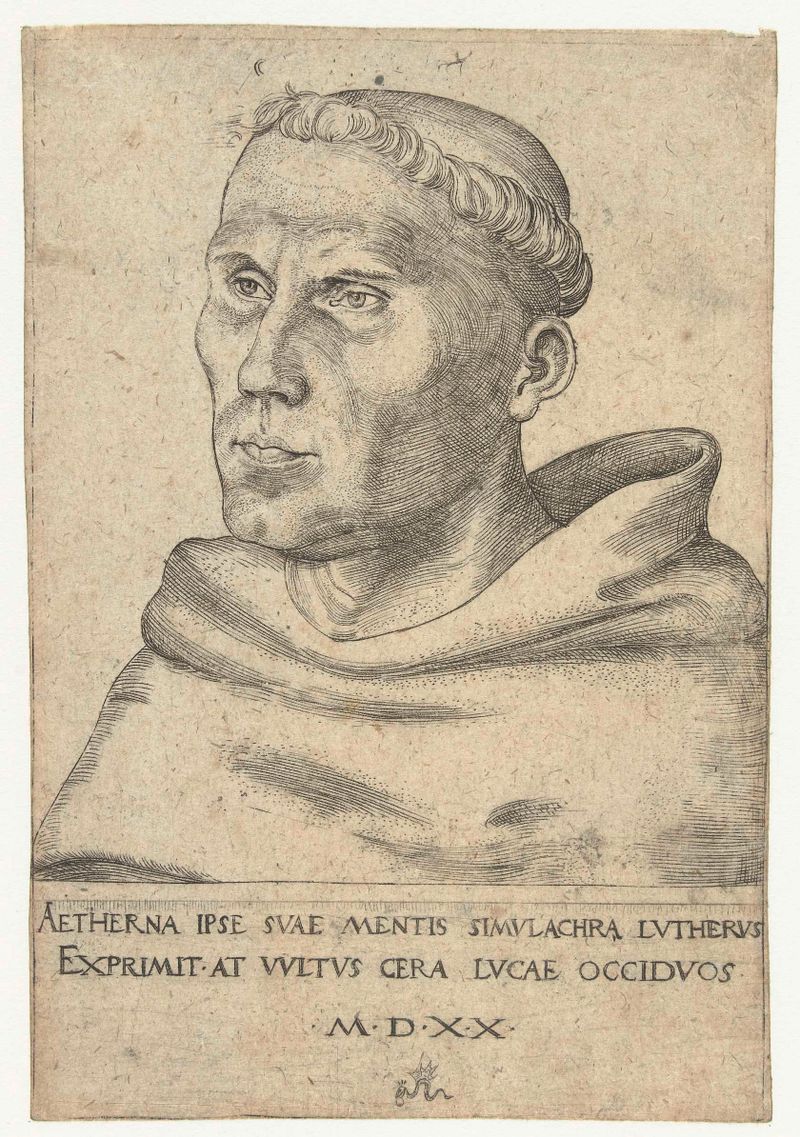
Portret van Martin Luther als Augustijner monnik
Lucas Cranach (I)
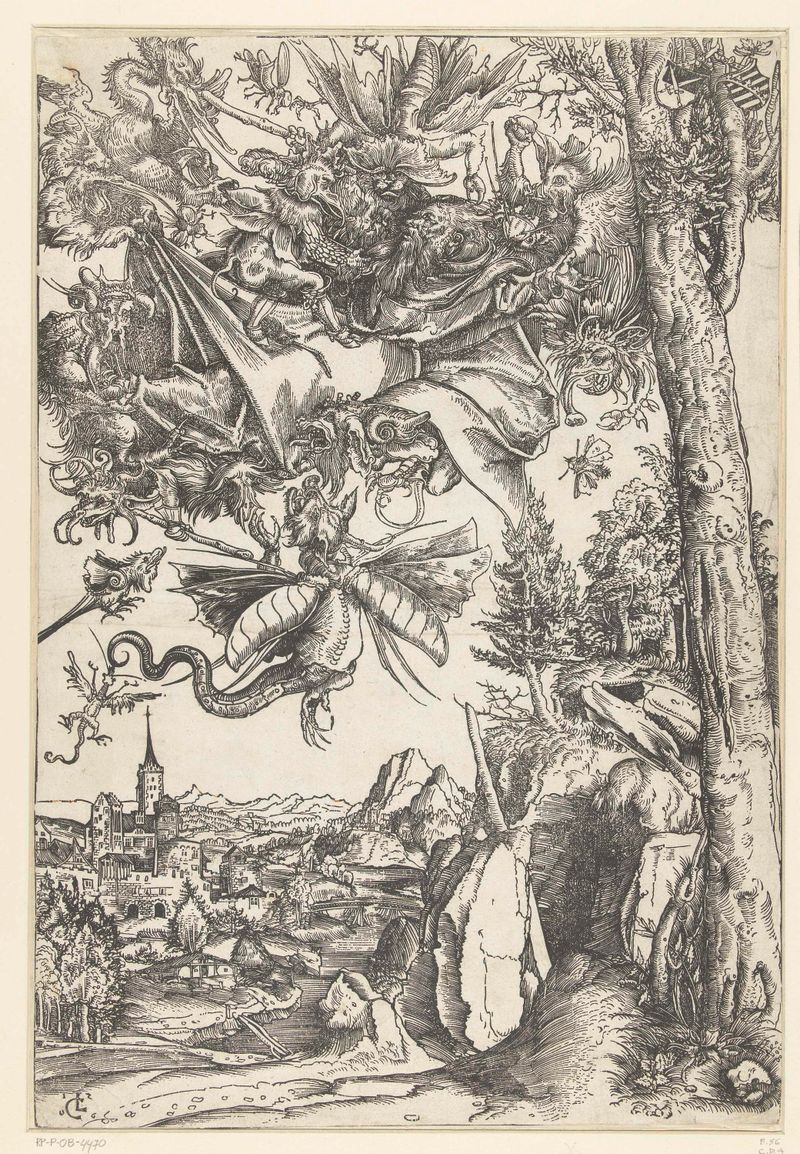
Verzoeking van Antonius met aanval door demonen
Lucas Cranach (I)

Christus en de Samaritaanse vrouw
Lucas Cranach (I)

Duits toernooi met twee edelmannen als ridders te paard
Lucas Cranach (I)
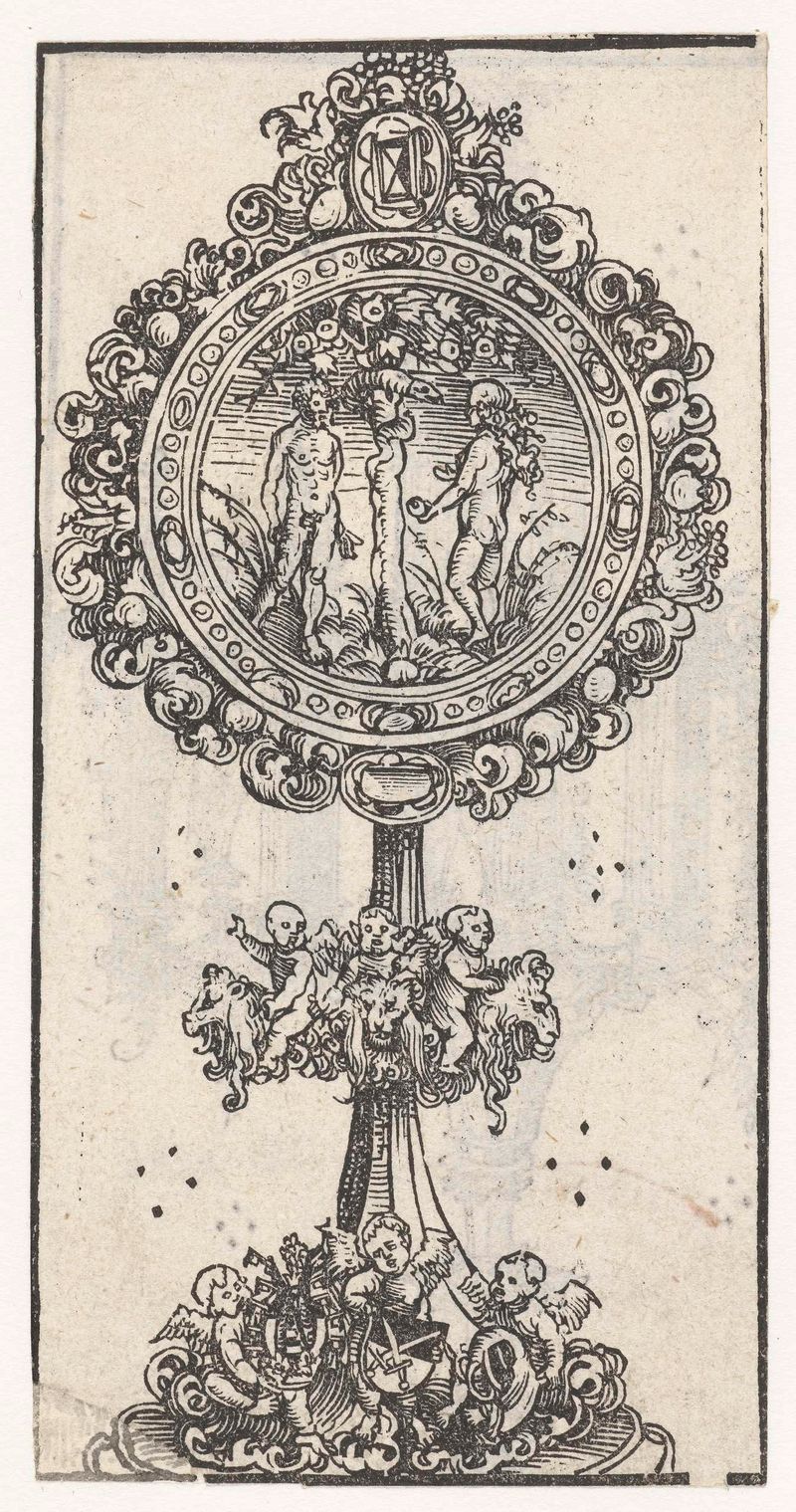
Reliekhouder met de verzoeking van Adam en Eva
Lucas Cranach (I)

Intocht van Christus in Jerusalem
Lucas Cranach (I)
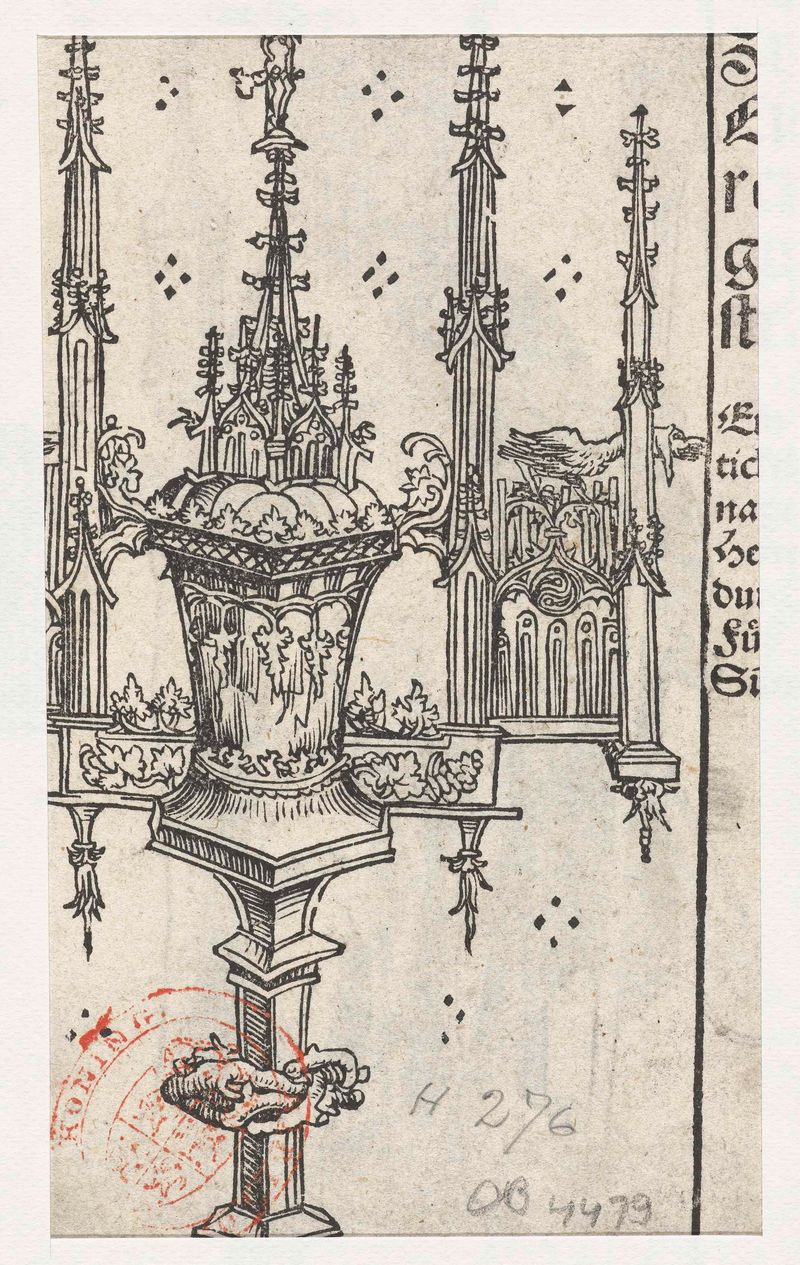
Monstrans met vogel (pelikaan)
Lucas Cranach (I)
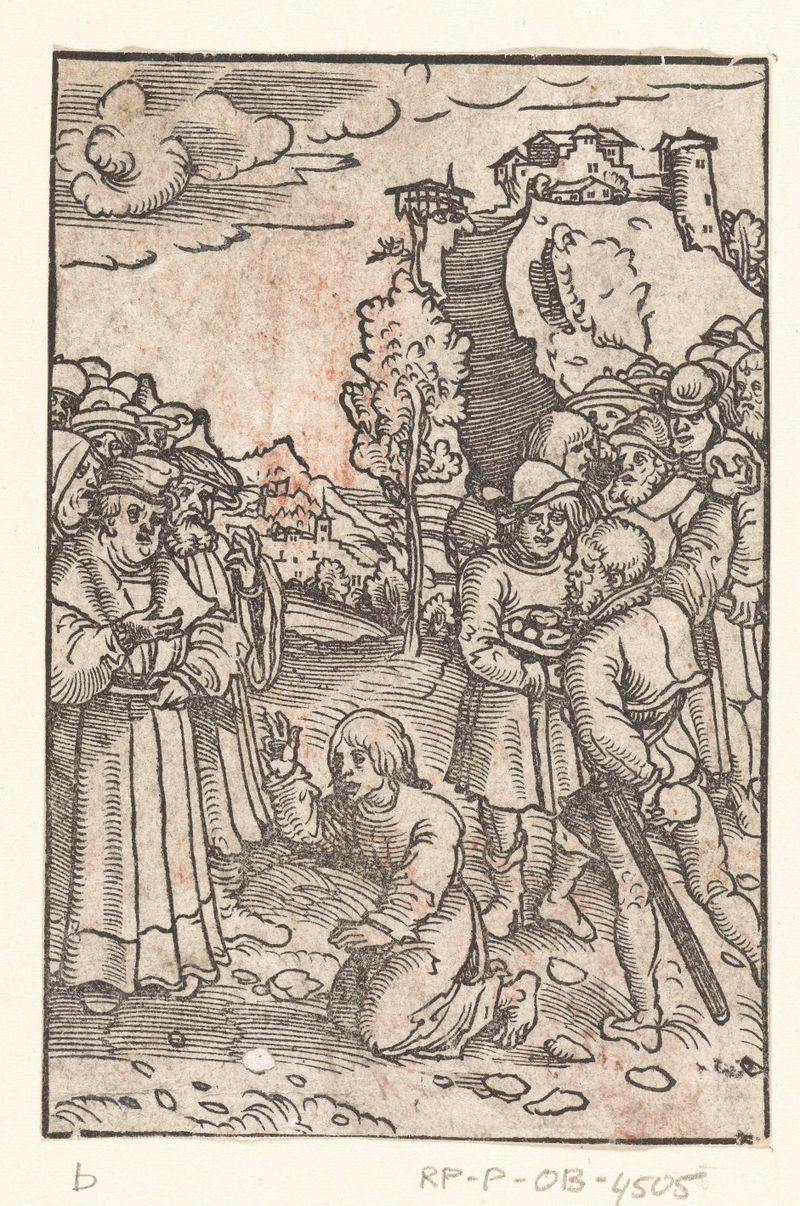
Steniging van Stefanus
Lucas Cranach (I)
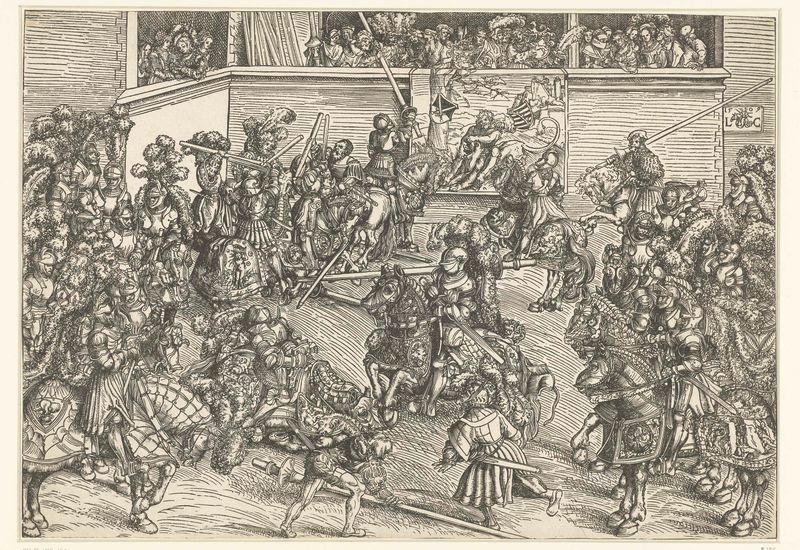
Toernooi van het keurvorstelijk hof van Saksen met wandtapijt Simson doodt de leeuw
Lucas Cranach (I)
More Religious Art
Browse all →
The Return of the Prodigal Son
Rembrandt van Rijn

The Garden of Earthly Delights
El Bosco

Count Orgaz’ funeral
El Greco

The Hundred Guilder Print: the central piece with Christ preaching, the plate arched
Rembrandt van Rijn

The Descent from the Cross
Rogier van der Weyden

The return of the prodigal son
Rembrandt van Rijn