
Christus wordt als vreemdeling gehuisvest — History & Facts
Can beauty exist without sorrow? In the delicate balance of life, the shadows of human experience often intertwine with the light of grace. Look to the left at the softly illuminated figure of Christ, a stranger finding refuge within a modest abode. The warmth of the candlelight flickers against the cool tones of the walls, creating an inviting yet melancholic atmosphere. Notice how Pencz meticulously captures the nuanced expressions of the figures surrounding him; the intertwining gestures of hospitality and uncertainty reveal the complexity of the moment, inviting us to contemplate our own responses to the unknown. Delve deeper into the scene and you'll uncover the stark contrasts present in the work.
The serenity on Christ's face stands in poignant opposition to the tense silence of those around him, illuminating the discomfort that often accompanies acts of kindness. Each figure seems caught in a moment of hesitation, torn between the warmth of compassion and the fear of the unfamiliar. This tension between welcoming the stranger and the underlying dread of potential violence resonates powerfully, echoing the fragility of human connections. Georg Pencz created this piece in 1534, during a time of significant religious upheaval in Europe, marked by the Reformation and growing tensions in society.
Working in Nuremberg, he was surrounded by a vibrant artistic community yet faced the challenge of reflecting contemporary anxieties through his art. His nuanced approach to themes of alienation and acceptance in Christus wordt als vreemdeling gehuisvest serves as a powerful commentary on the precariousness of hospitality amid the turmoil of his time.
More Artworks by Georg Pencz
Browse all →
Parabel van de zaaier
Georg Pencz

Parabel van de arbeiders in de wijngaard
Georg Pencz
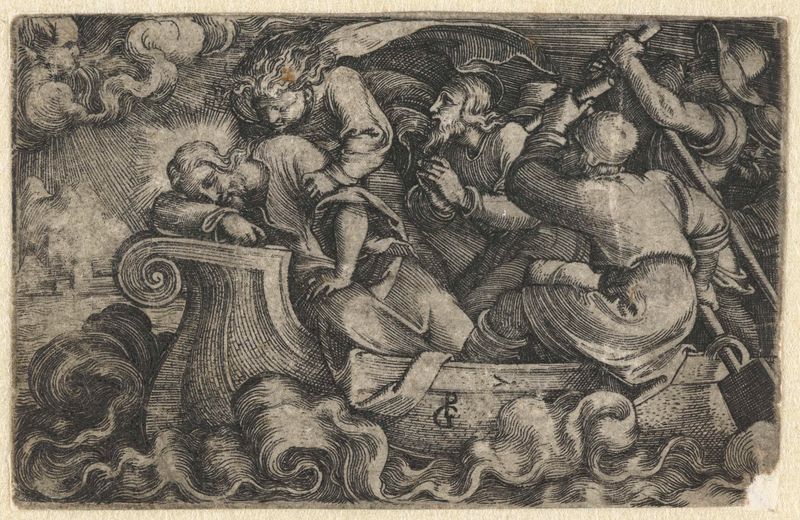
Discipelen wekken slapende Christus tijdens storm op Meer van Galilea
Georg Pencz

Afgunst (Invidia)
Georg Pencz
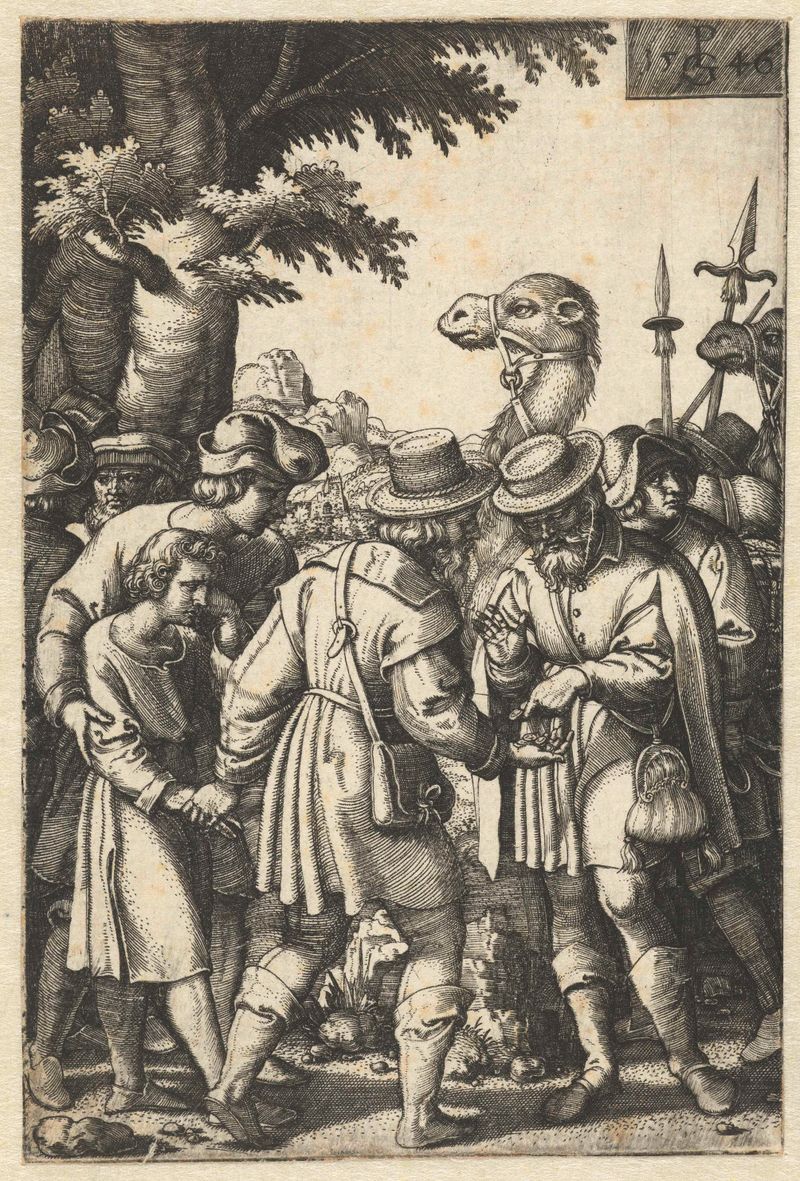
Jozef wordt verkocht aan kooplieden op weg naar Egypte
Georg Pencz

Aanbidding der koningen
Georg Pencz
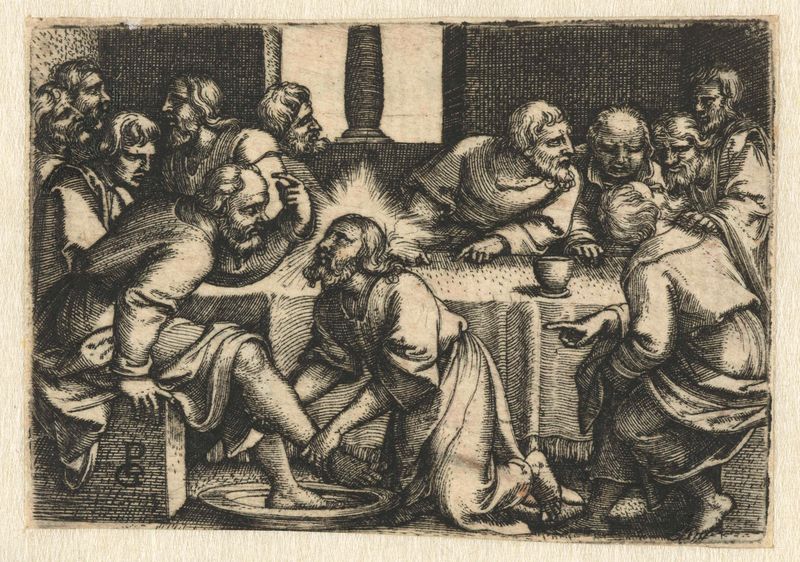
Petrus protesteert als Christus zijn voeten wast
Georg Pencz
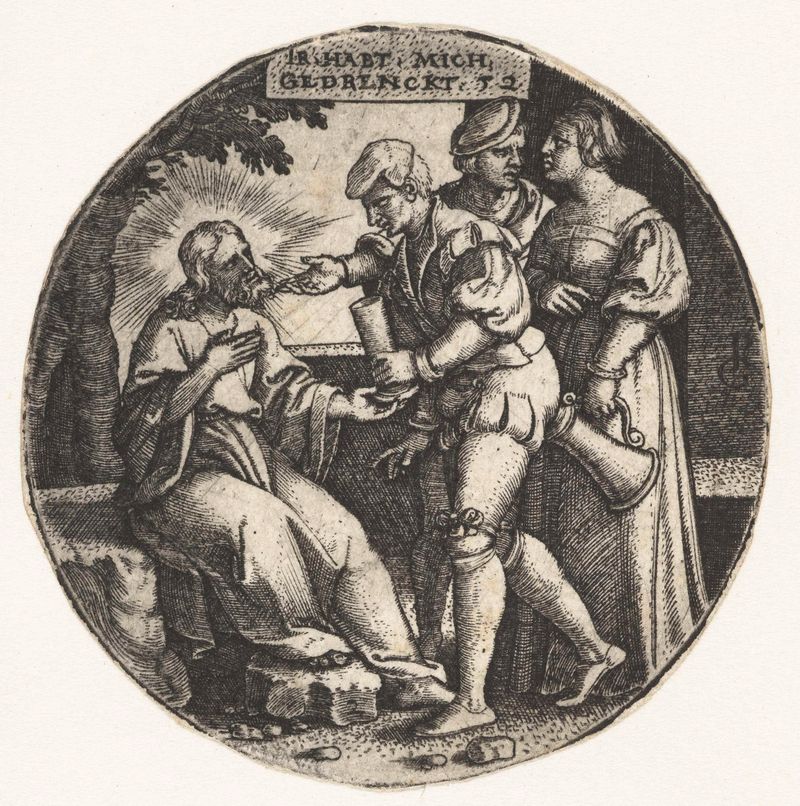
Christus heeft dorst en krijgt drinken aangeboden
Georg Pencz
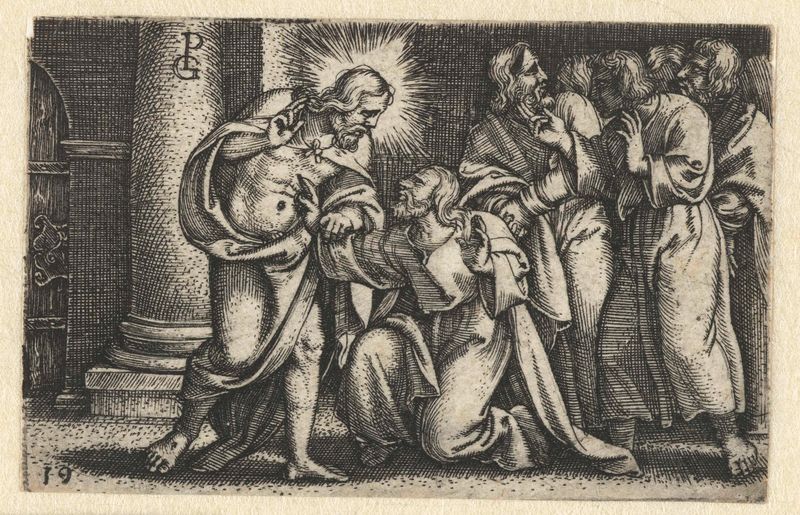
Ongelovige Thomas raakt wonden Christus aan
Georg Pencz

Offer van Abraham van Isaak
Georg Pencz
More Religious Art
Browse all →
The Return of the Prodigal Son
Rembrandt van Rijn

The Garden of Earthly Delights
El Bosco

Count Orgaz’ funeral
El Greco

The Hundred Guilder Print: the central piece with Christ preaching, the plate arched
Rembrandt van Rijn

The Descent from the Cross
Rogier van der Weyden

The return of the prodigal son
Rembrandt van Rijn