
Christus zegent kinderen — History & Facts
Could beauty survive in a century of chaos? In a moment suspended between the earthly and the divine, Christus zegent kinderen captures a poignant legacy, where the sacred intertwines with the intrinsic innocence of youth. Look to the center of the composition, where Christ stands, arms outstretched, radiating warmth and divine authority. The gentle chiaroscuro illuminates His figure, contrasting with the darker, more muted tones of the surrounding scene. Notice the children gathered around Him, their faces a blend of wonder and trust, encapsulating innocence in the face of turmoil.
Each gesture conveys a sense of connection, as their small hands reach toward Him, creating a palpable atmosphere of hope amid potential despair. Delve into the details: the delicate folds of Christ’s robe echo the virtues of humility and reverence, while the expressions of the children range from awe to joy, suggesting a spectrum of faith. The background figures, slightly obscured, serve as a reminder of a world that may be indifferent or chaotic, yet here, an oasis of tranquility exists. This juxtaposition encourages contemplation of the fragility of beauty and the enduring power of compassion and grace. Between 1546 and 1550, Georg Pencz created this work during a period marked by political upheaval and the Reformation, reflecting a world grappling with change.
As a prominent figure in the Nuremberg school, Pencz was influenced by the growing humanist ideals and the emergence of Protestant thoughts, shaping his approach to religious subjects. In this context, Christus zegent kinderen stands as a testament to the power of legacy—an affirmation of faith and a celebration of the purity found in youth.
More Artworks by Georg Pencz
Browse all →
Parabel van de zaaier
Georg Pencz

Parabel van de arbeiders in de wijngaard
Georg Pencz
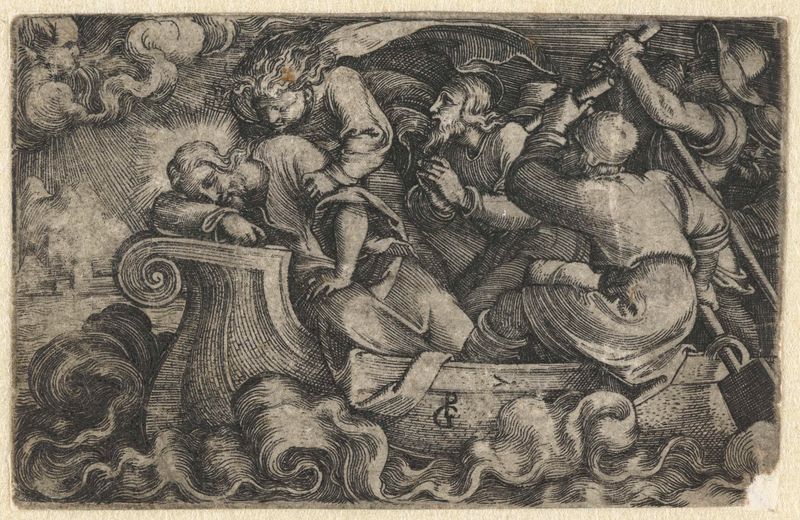
Discipelen wekken slapende Christus tijdens storm op Meer van Galilea
Georg Pencz

Afgunst (Invidia)
Georg Pencz
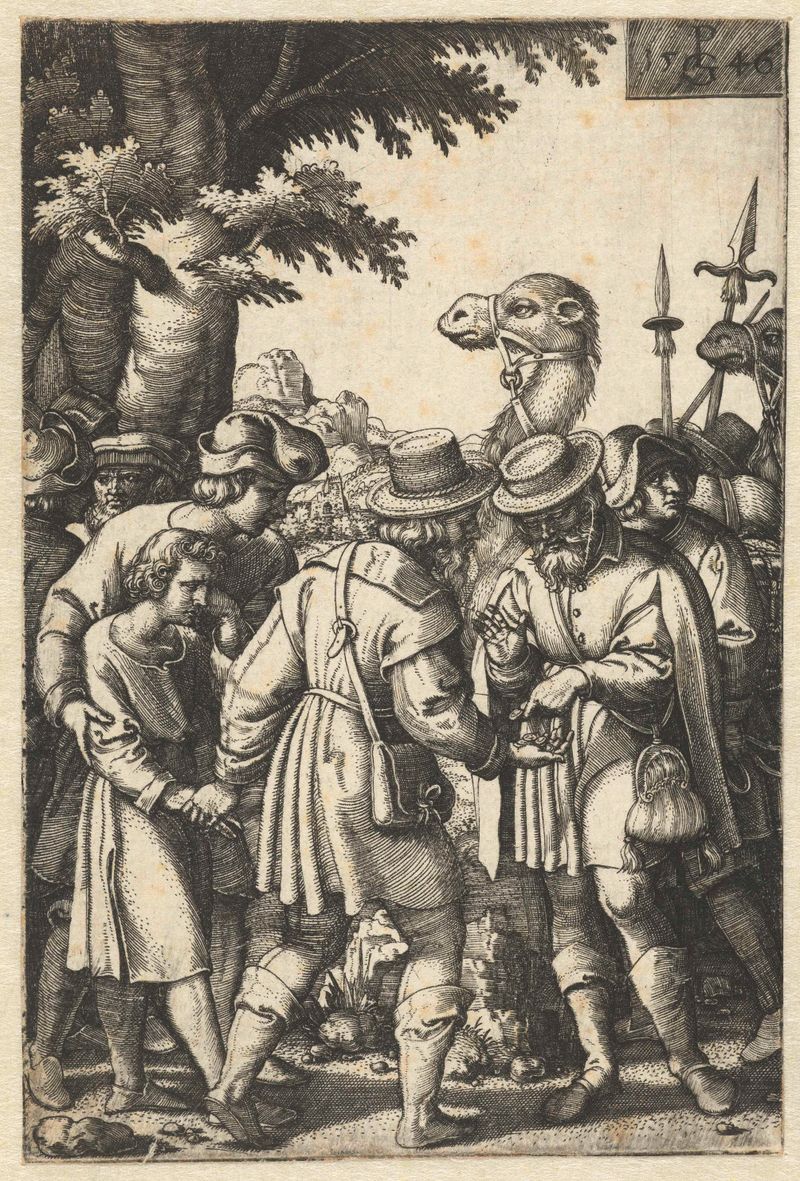
Jozef wordt verkocht aan kooplieden op weg naar Egypte
Georg Pencz

Aanbidding der koningen
Georg Pencz
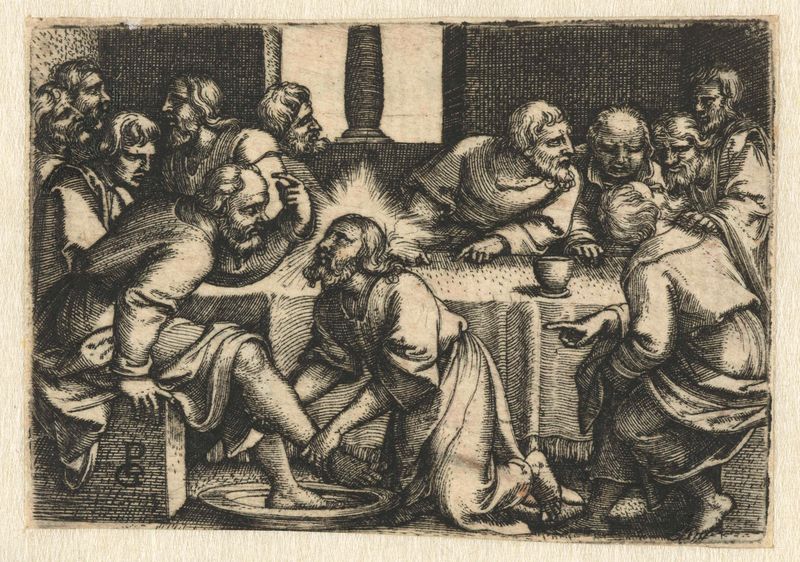
Petrus protesteert als Christus zijn voeten wast
Georg Pencz
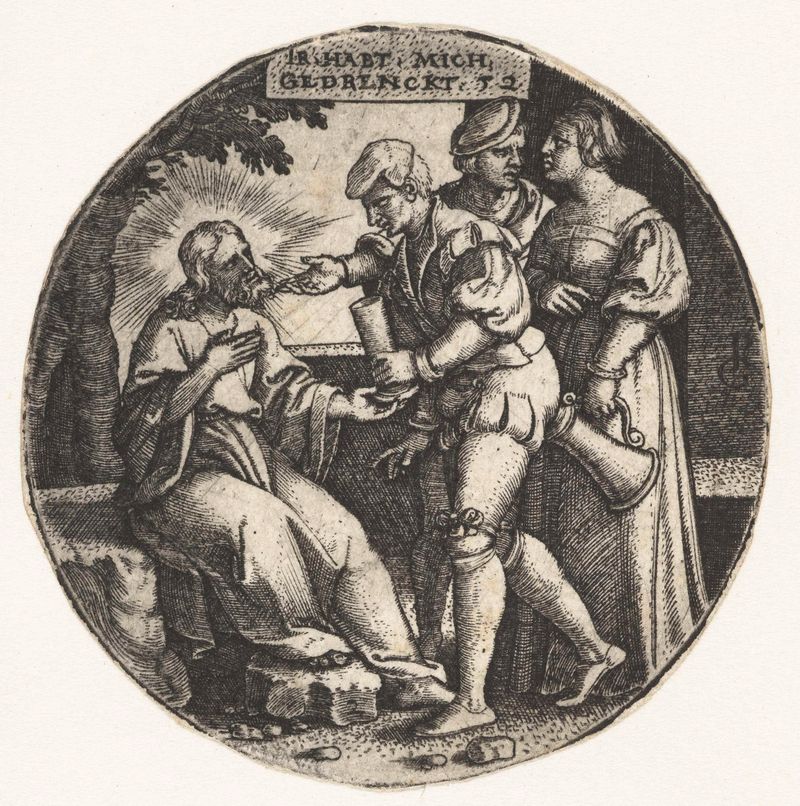
Christus heeft dorst en krijgt drinken aangeboden
Georg Pencz
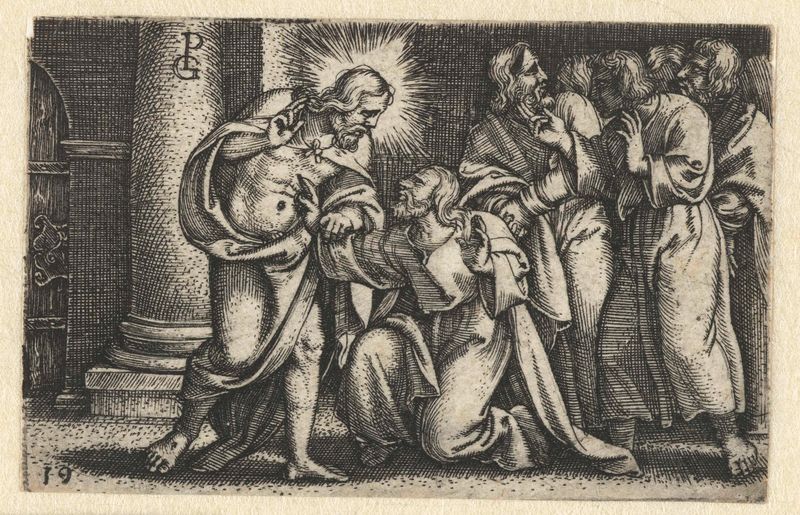
Ongelovige Thomas raakt wonden Christus aan
Georg Pencz

Offer van Abraham van Isaak
Georg Pencz
More Religious Art
Browse all →
The Return of the Prodigal Son
Rembrandt van Rijn

The Garden of Earthly Delights
El Bosco

Count Orgaz’ funeral
El Greco

The Hundred Guilder Print: the central piece with Christ preaching, the plate arched
Rembrandt van Rijn

The Descent from the Cross
Rogier van der Weyden

The return of the prodigal son
Rembrandt van Rijn