
Château du Vaumissel (Calvados) — History & Facts
Did the painter know this moment would outlive them? In a world that seems to rush forward, this quiet scene invites reflection on the passage of time and the emptiness that lingers in its wake. Look closely at the expansive landscape, where the soft hues of green and gold unfurl beneath a wide, open sky. The gentle brushstrokes create a sense of tranquility, leading your eyes first to the serene château at the center, its stone facade subtly illuminated by the diffused sunlight. Notice how the light falls upon the delicate details of the building, casting soft shadows that hint at its history and the stories trapped within its walls.
Surrounding this architectural gem, the lush fields stretch outward, drawing you into a sense of peaceful isolation. Yet, amidst this idyllic setting, a palpable emptiness resonates. The expansive grounds are devoid of life, amplifying the solitude of the château, which stands as a silent witness to the passing seasons and fading memories. The artist captures a poignant contrast between the vibrancy of nature and the stillness of the structure, suggesting a longing for connection that remains unfulfilled.
The absence of human presence becomes a powerful commentary on transience, echoing the inevitable decay that time imposes on all things. Victor Petit painted this piece in 1860, during a time of artistic exploration in France as the Romantic movement began to yield to naturalism. Living and working in a period marked by industrial progress, Petit sought to encapsulate the essence of rural life and the haunting beauty of forgotten places. His brush became a tool to immortalize fleeting moments, inviting viewers to ponder the echoes of the past and the enduring silence that shapes our present.
More Artworks by Victor Petit
Browse all →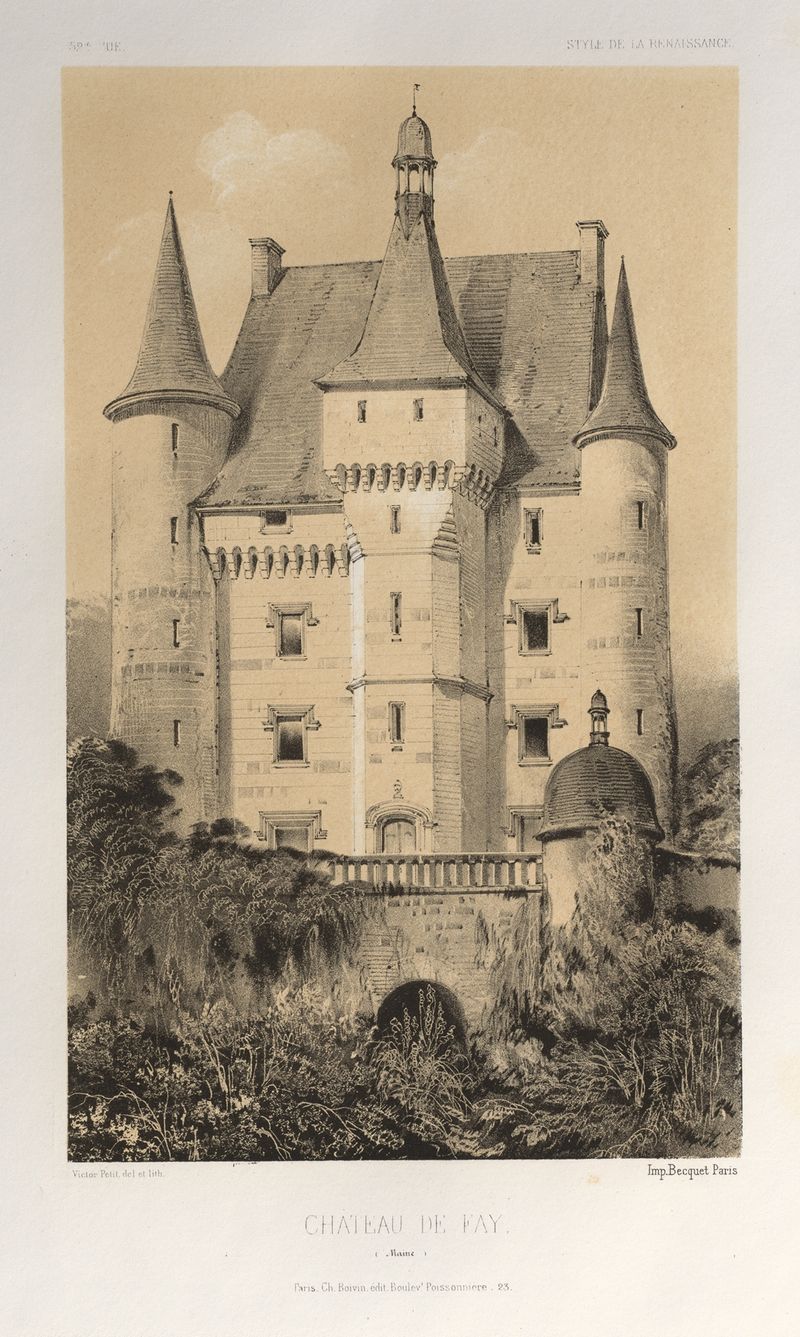
Château De Fay (Maine)
Victor Petit
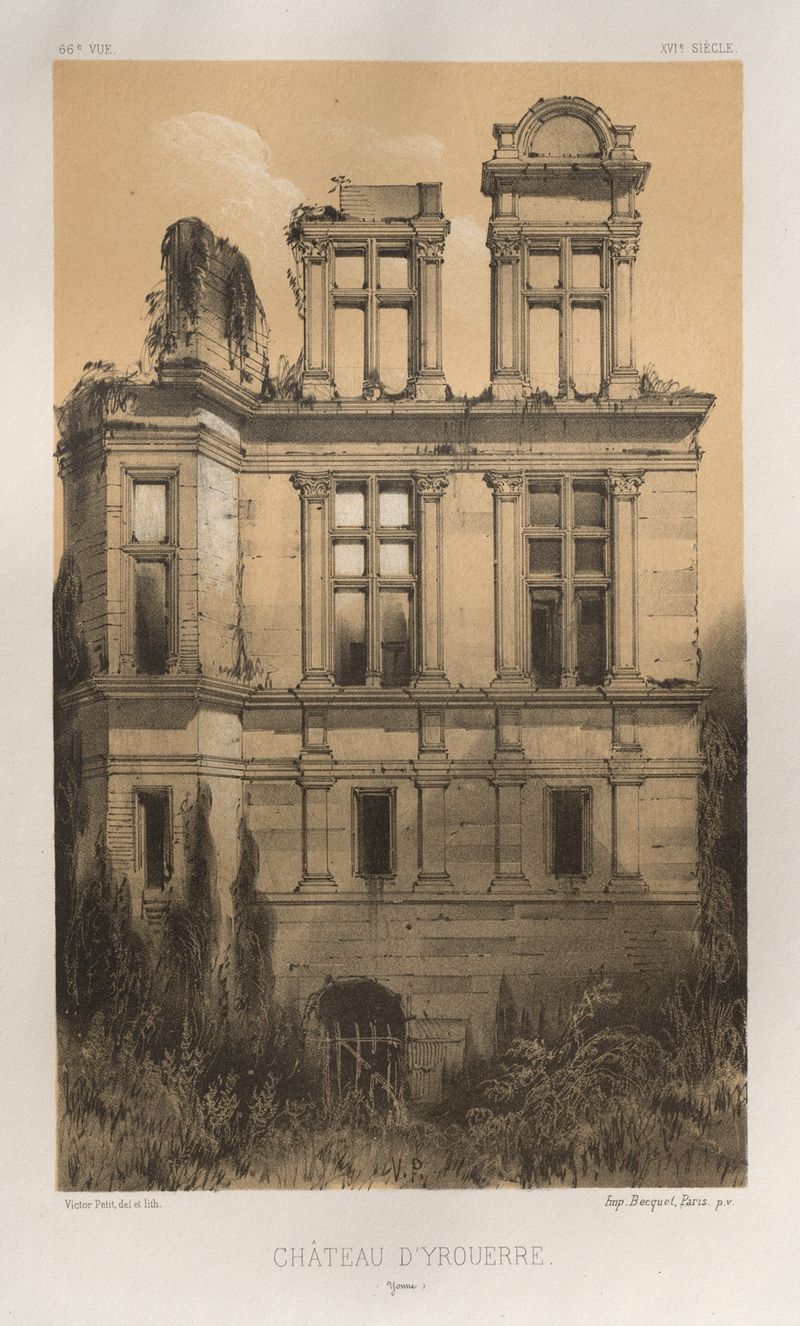
Château D’Yrouerre (Yonne)
Victor Petit
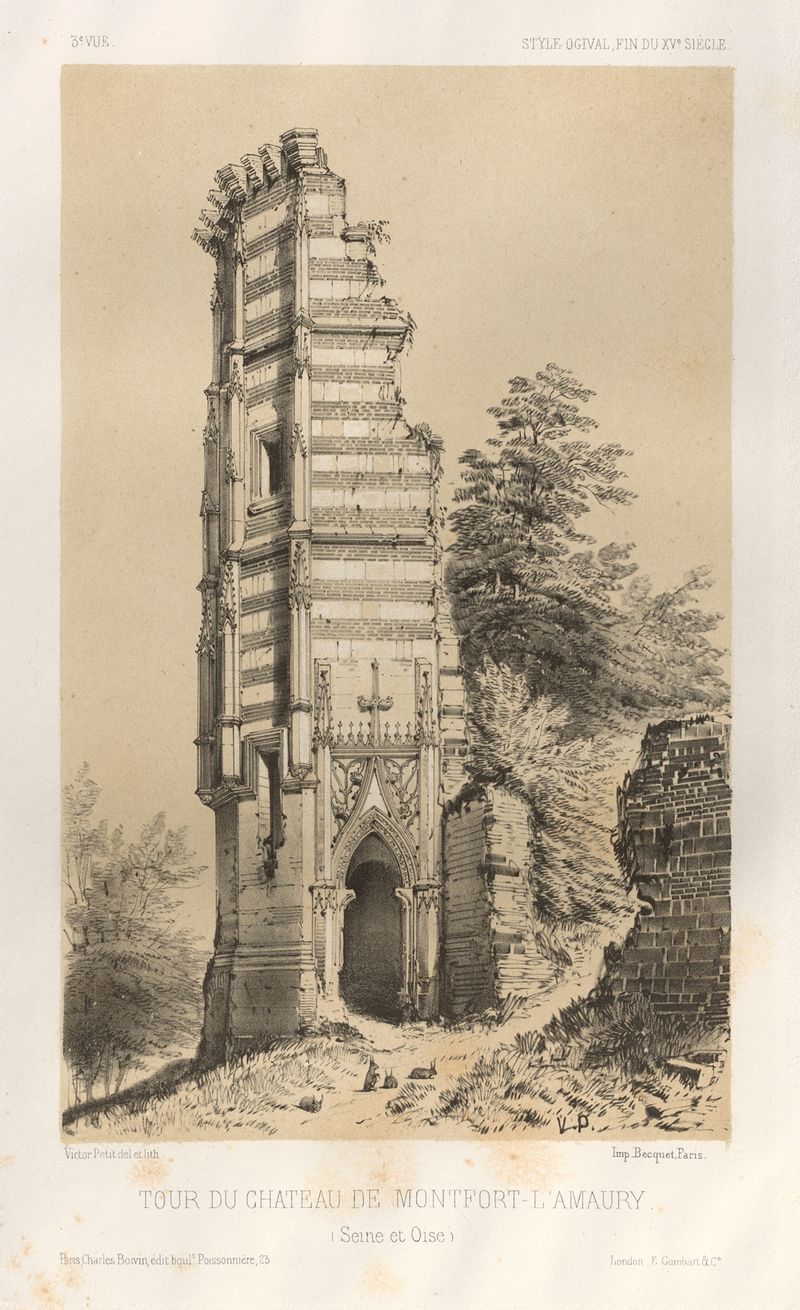
Tour du chateau de Montfort-l’Amaury (Seine-et-Oise)
Victor Petit

Tour Du Port De Marseille (Bouches Du Rhône)
Victor Petit
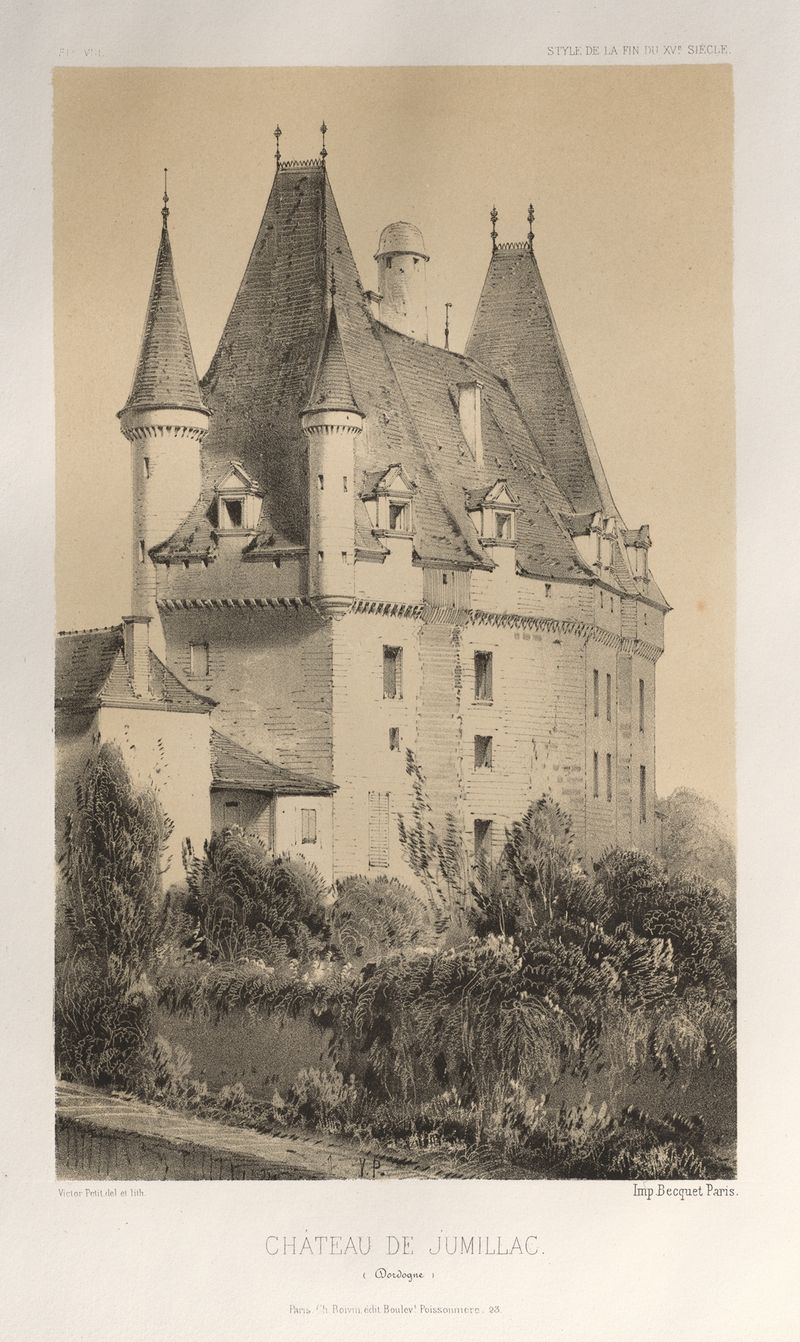
Château De Jumillac (Dordogne)
Victor Petit

Château de Tévray (Eure)
Victor Petit

Galerie Du Château De Jouancy (Saone et Loire)
Victor Petit

Château De Mello (Oise)
Victor Petit
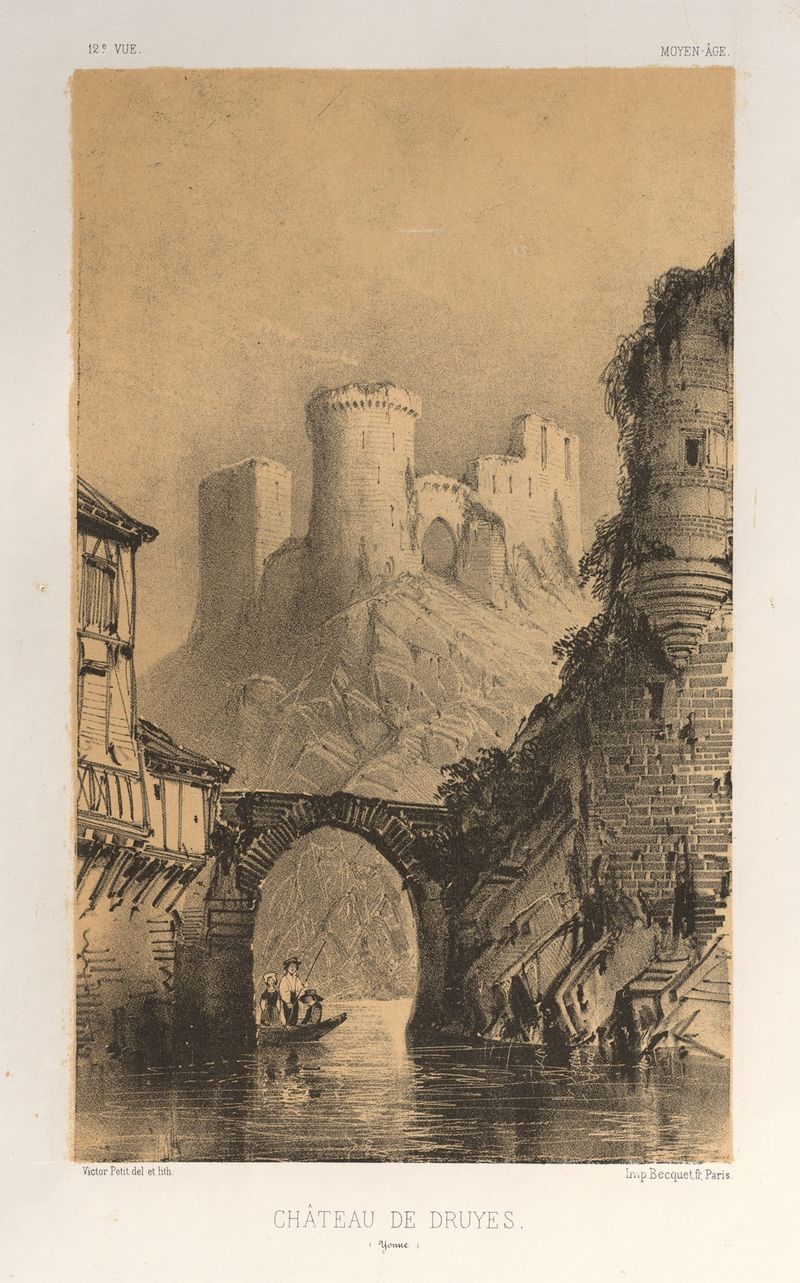
Chateau De Druyes (Yonne)
Victor Petit

Le ChasteLet-Neuf (Corrèze)
Victor Petit





