Châteauneuf-de-Grasse — History & Facts
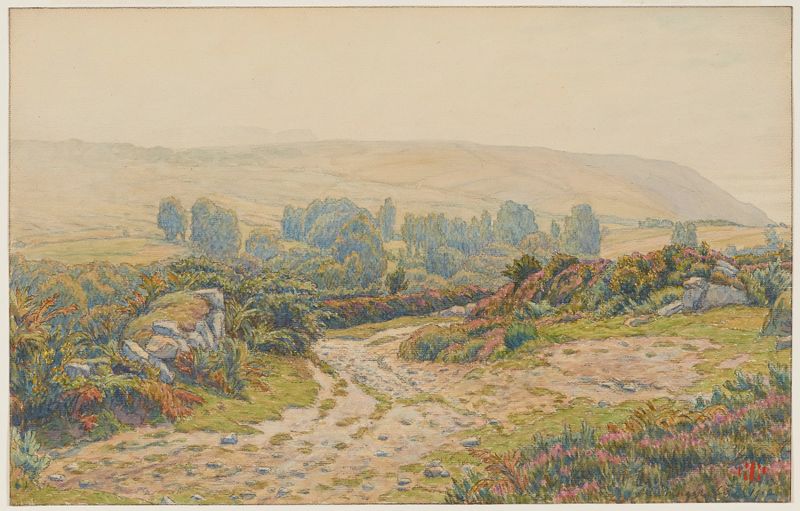
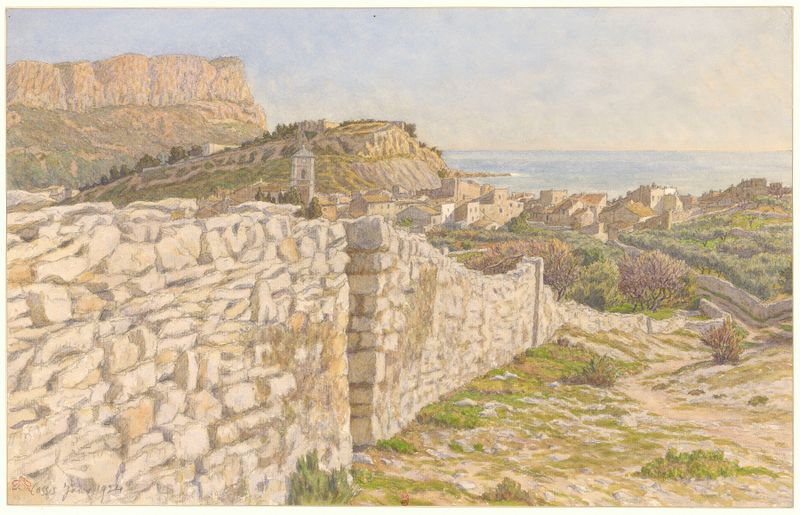
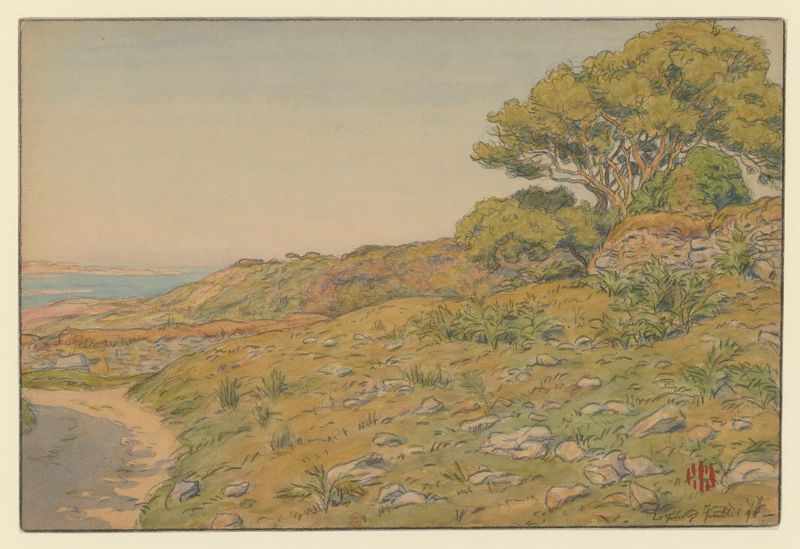
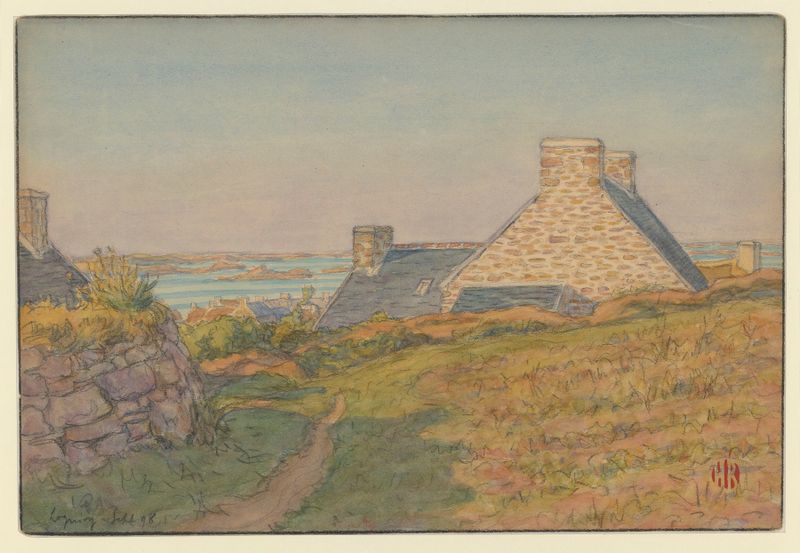
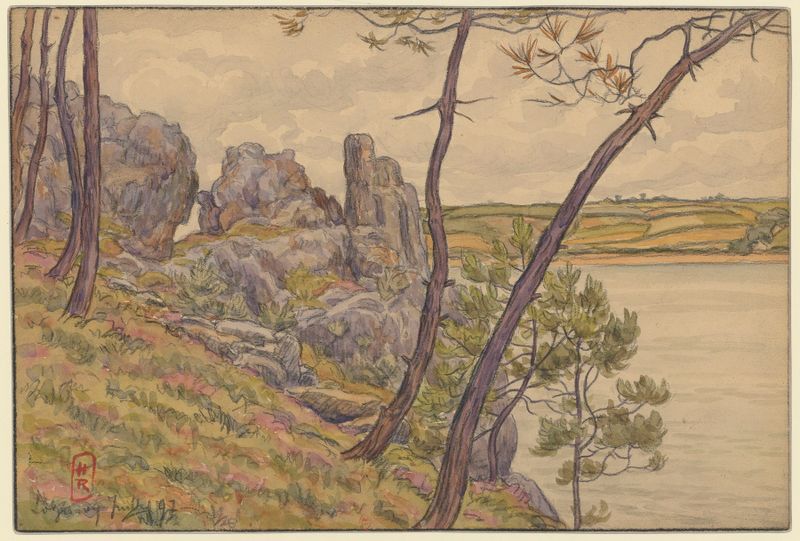
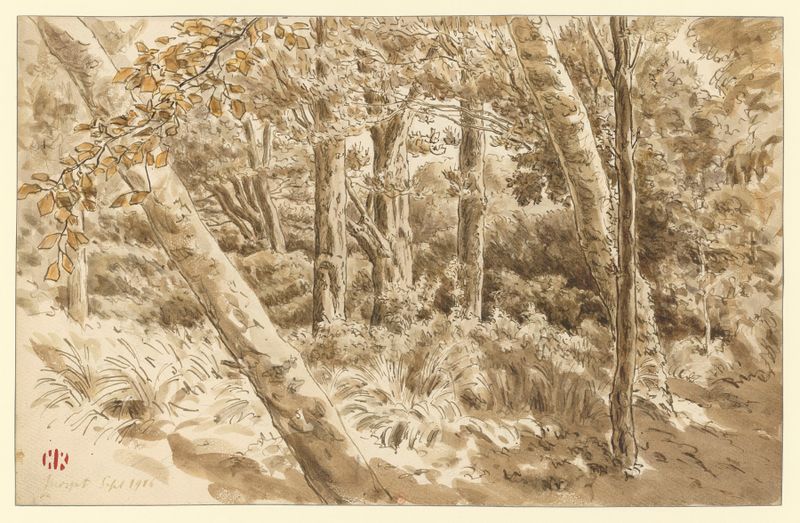
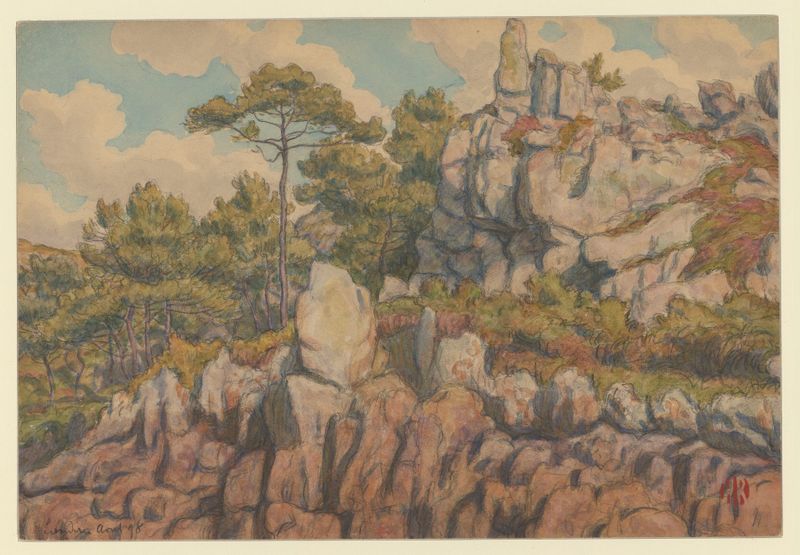
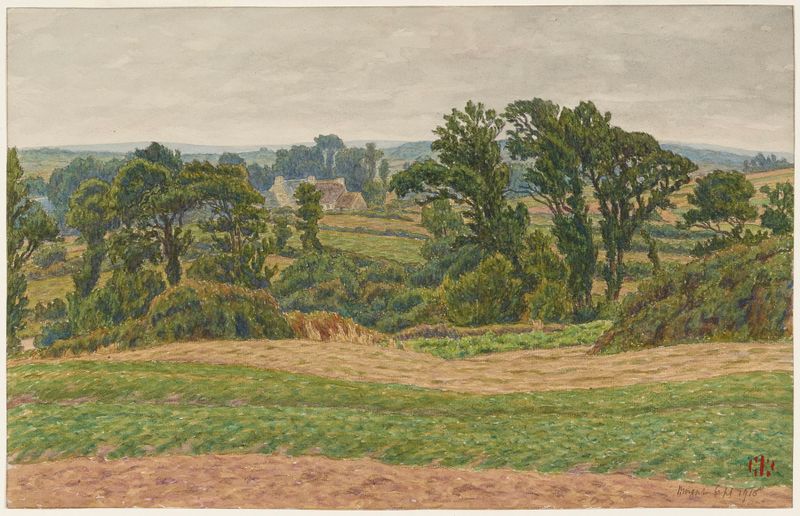
Who listens when art speaks of silence? In Châteauneuf-de-Grasse, a tranquil moment unfolds, inviting viewers to immerse themselves in the embrace of hope and serenity. Look to the foreground, where gentle hills roll beneath a soothing sky, painted in soft hues of blues and greens. The light captures the essence of dusk, casting a warm glow that beckons the eye across the landscape. Notice the delicate brushstrokes that breathe life into the foliage, each one revealing Rivière’s commitment to capturing the essence of the scene rather than mere detail.
The composition feels both expansive and intimate, guiding the viewer through layers of color and form. Hidden within the landscape are subtle contrasts that enrich the emotional narrative. The interplay of light and shadow evokes a sense of calm juxtaposed against the potential for change, hinting at the optimism that often lies in stillness. Each curve and contour of the hills seems to whisper stories of resilience, a reminder that beneath the surface of quiet moments, hope can flourish.
The palette, while serene, hints at the vibrancy of life, suggesting that beauty endures even in silence. In 1936, Henri Rivière created this work during a period marked by global uncertainty and change. Nestled in the French countryside, he sought refuge in nature’s beauty, reflecting a personal desire for peace amid the chaos of the world. This painting encapsulates both his artistic evolution and the broader dialogue of an era searching for solace in art.