
Church and Convent of St. Mary — History & Facts
The desire for solace, for belonging, is intricately woven into the fabric of every brushstroke. Focus your gaze on the serene architecture rising majestically against the horizon. Look closely at the delicate interplay of light and shadow that hints at the passing hours, illuminating the warm hues of the convent's façade. Notice how the gentle curves of the church contrast with the rigid lines of the surrounding landscape, creating a dialogue between the man-made and the natural.
The meticulously rendered details pull you deeper, inviting contemplation of the sacred space captured within this moment. Beneath the tranquil exterior lies an undercurrent of yearning. The soft brushwork suggests both the beauty and solitude of the religious life, hinting at the emotional weight of those who dwell within its walls. The contrast between the vibrancy of the setting sun and the muted tones of the convent evokes a sense of longing, as if the structure is both a sanctuary and a barrier.
One can almost hear the whispers of prayers and secrets shared in quiet corners, drawing attention to the profound desire for connection with the divine and with one another. In 1810, Luigi Mayer was in the midst of a transformative period, having recently traveled through Europe, absorbing diverse artistic influences. This work was created during a time when Romanticism was beginning to take hold, reflecting the burgeoning interest in emotion and nature. Mayer's focus on architectural subjects, combined with his commitment to capturing the essence of landscapes, marked him as a significant figure in the art world of his time, as he sought to blend reality with the haunting beauty of desire.
More Artworks by Luigi Mayer
Browse all →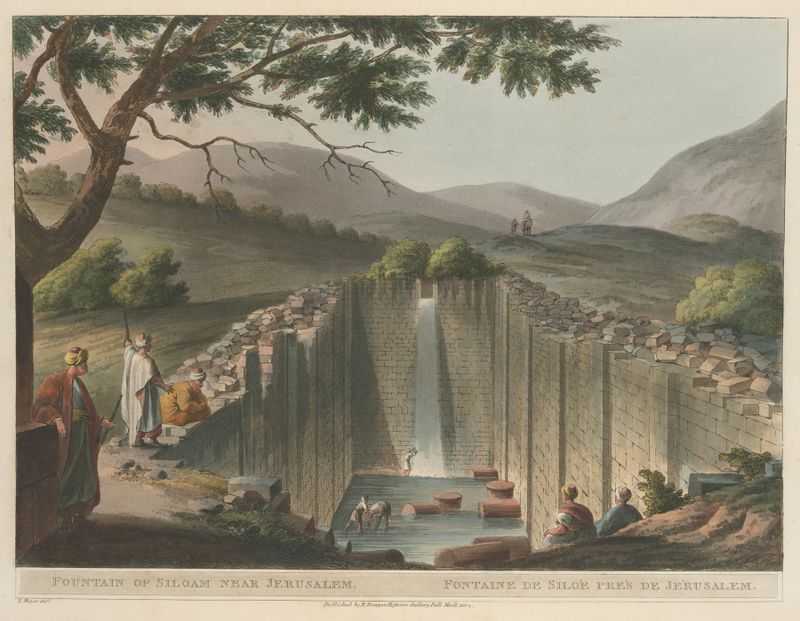
Fountain of Siloam Near Jerusalem
Luigi Mayer

View of the Dardanelles
Luigi Mayer
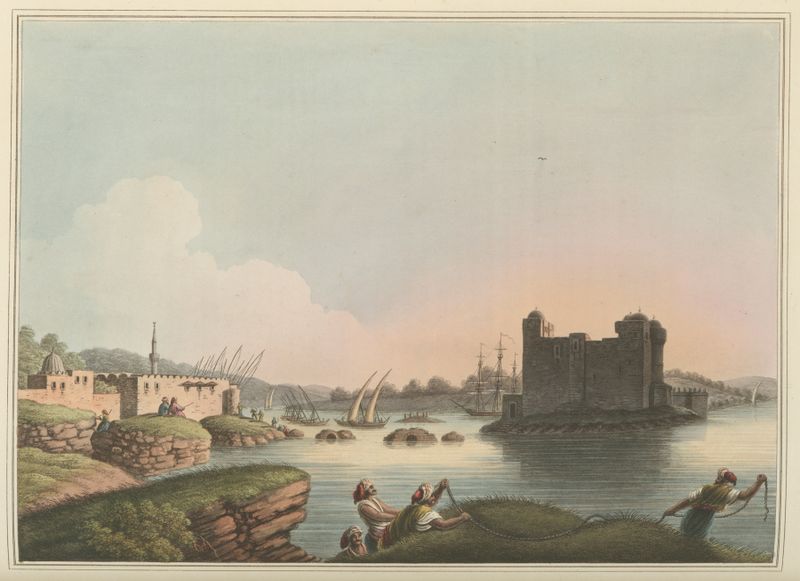
Port of Latachia
Luigi Mayer

Stadium at Ephesus
Luigi Mayer

Ancient Temples at Agrigentum
Luigi Mayer
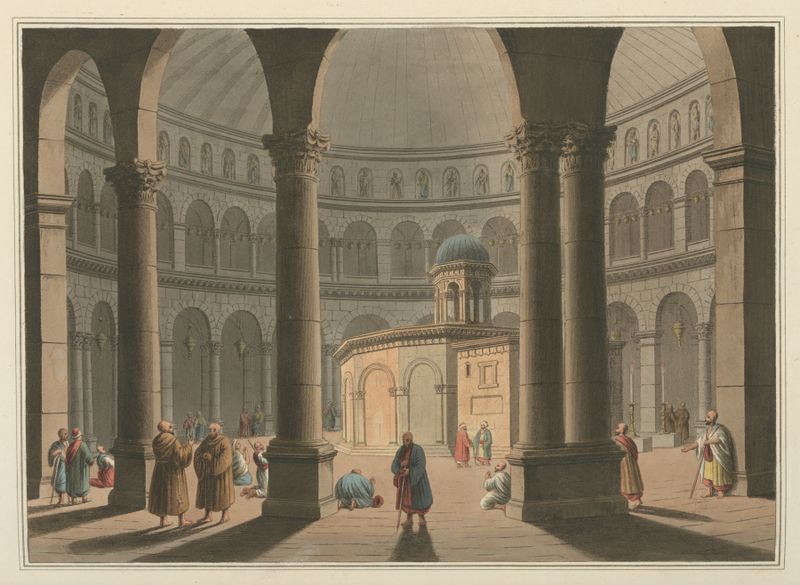
Church of the Holy Sepulchre
Luigi Mayer
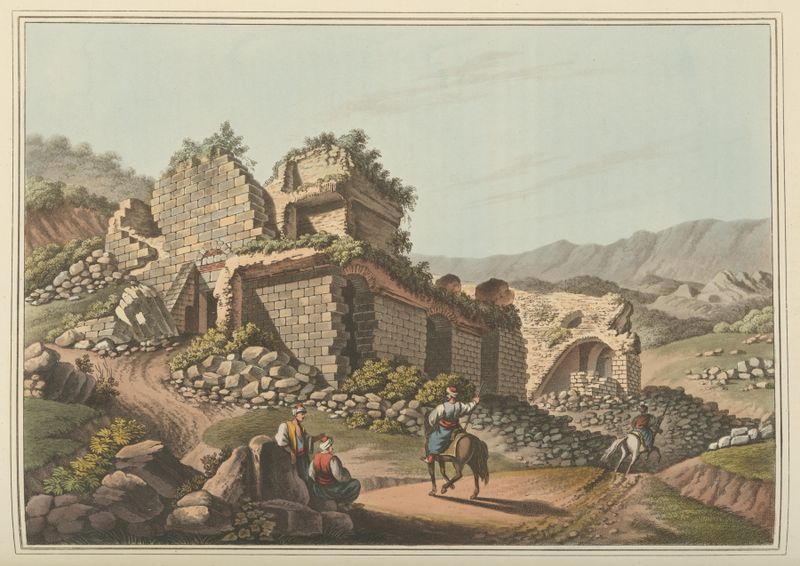
Theatre at Ephesus
Luigi Mayer
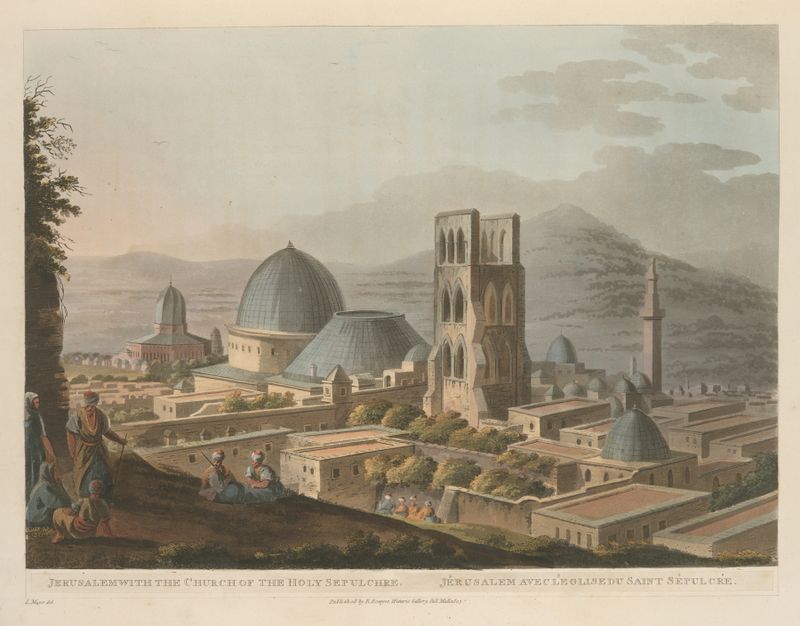
Jerusalem with the Church of the Holy Sepulchre
Luigi Mayer
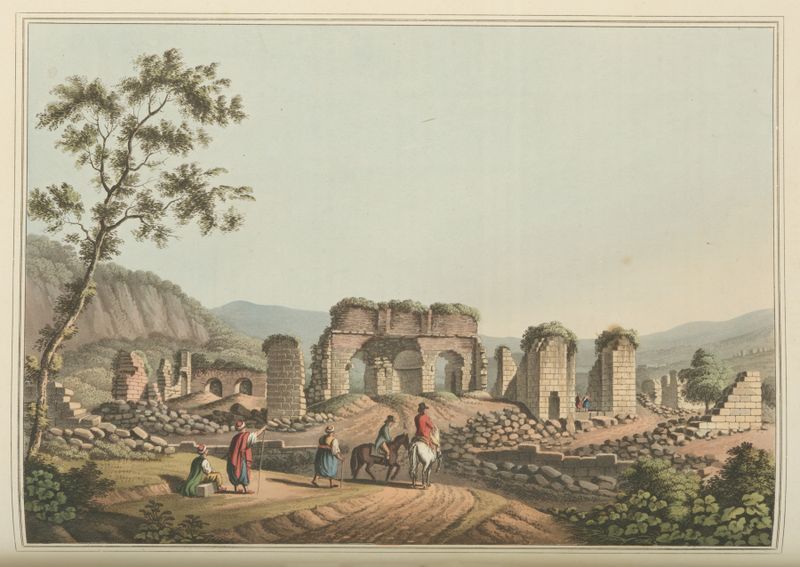
Ruins of the Temple of Diana at Ephesus
Luigi Mayer

Crater in the Island of Volcano
Luigi Mayer
More Architecture Art
Browse all →
The statue of Liberty
Frédéric Auguste Bartholdi

View of Houses in Delft, Known as ‘The Little Street’
Johannes Vermeer

View of Houses in Delft, Known as ‘The Little Street’
Johannes Vermeer

The Cathedral in Rouen. The portal, Grey Weather
Claude Monet

The yellow house
Vincent van Gogh

The Church in Auvers-sur-Oise, View from the Chevet
Vincent van Gogh