
Fountain of Siloam Near Jerusalem — History & Facts
Can beauty exist without sorrow? In Fountain of Siloam Near Jerusalem, Luigi Mayer captures the delicate interplay of joy and grief, inviting viewers to ponder the depths of human emotion intertwined with nature. Begin by looking to the foreground, where the fountain stands gracefully amidst lush greenery, its flowing waters reflecting the soft light of the sun. Notice how the artist’s brushstrokes convey the vibrancy of life; the shades of green pulse with vitality, while the gentle ripples in the water create a sense of movement. The composition draws the eye toward the fountain’s serene basin, framed by scattered boulders and distant hills, creating a sanctuary of tranquility within the bustling landscape. Yet, beneath its picturesque surface, the painting harbors a profound melancholy.
The fountain, a historical site of healing, hints at the grief of those who once sought solace here, their stories echoing through the ages. The light filtering through the trees casts dappled shadows, suggesting the duality of hope and despair. Each element—the cool stone, the vibrant flora, the elusive water—whispers of life’s fragility and the bittersweet moments that define our existence. In 1804, Mayer painted this work while traveling through the Holy Land, capturing a moment in a region steeped in history and spirituality.
Amidst a time of burgeoning Romanticism, when artists were increasingly drawn to the sublime beauty of nature and the complexities of human emotion, he sought to intertwine the sacred and the mundane, reflecting his own exploration of identity and place in a world of shifting beliefs.
More Artworks by Luigi Mayer
Browse all →
View of the Dardanelles
Luigi Mayer
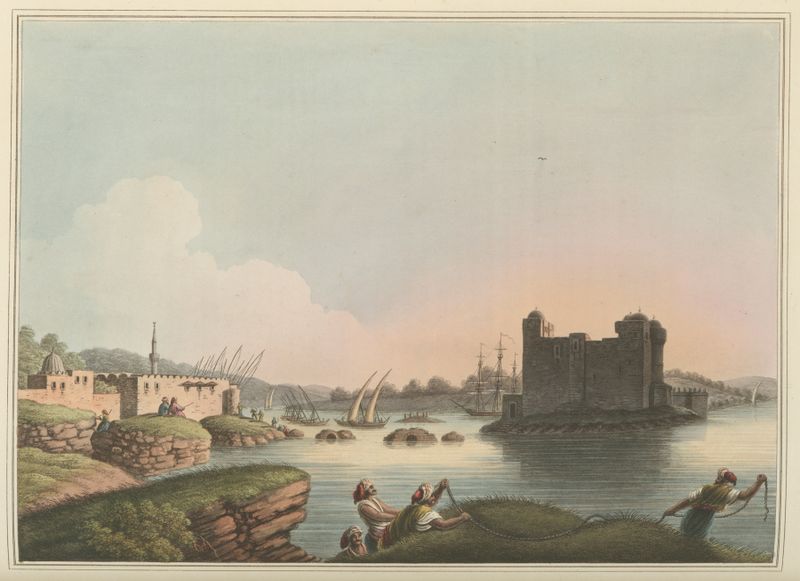
Port of Latachia
Luigi Mayer

Stadium at Ephesus
Luigi Mayer

Ancient Temples at Agrigentum
Luigi Mayer
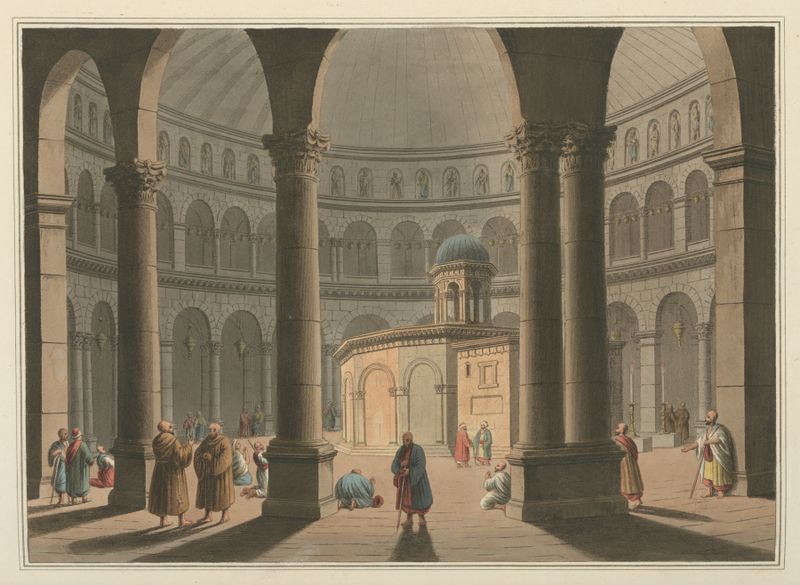
Church of the Holy Sepulchre
Luigi Mayer
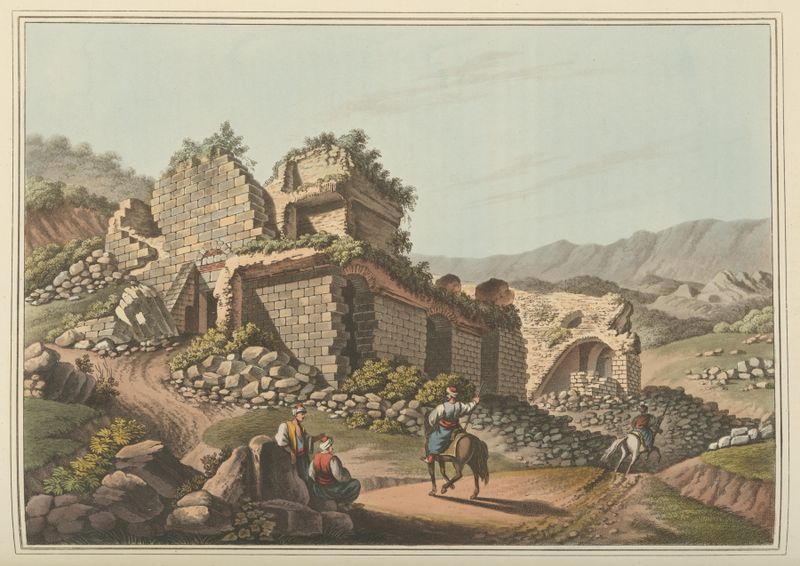
Theatre at Ephesus
Luigi Mayer
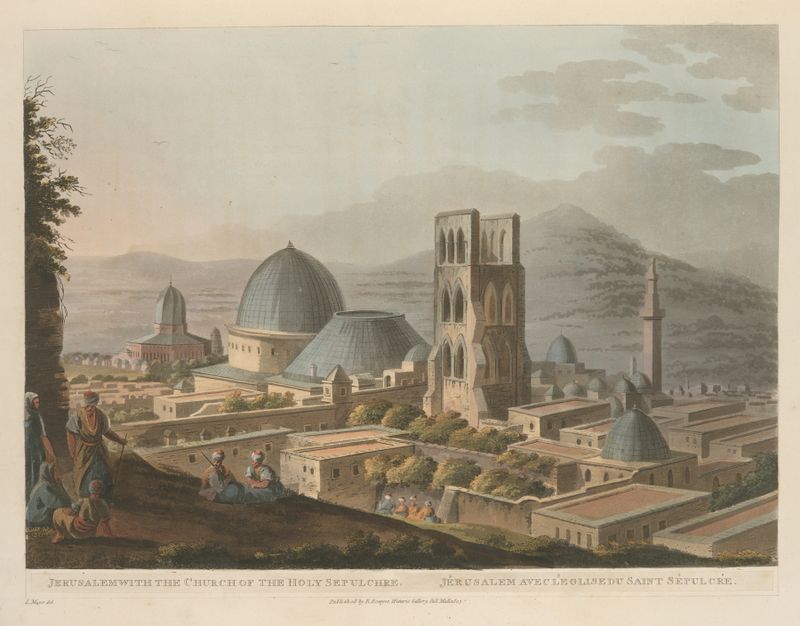
Jerusalem with the Church of the Holy Sepulchre
Luigi Mayer
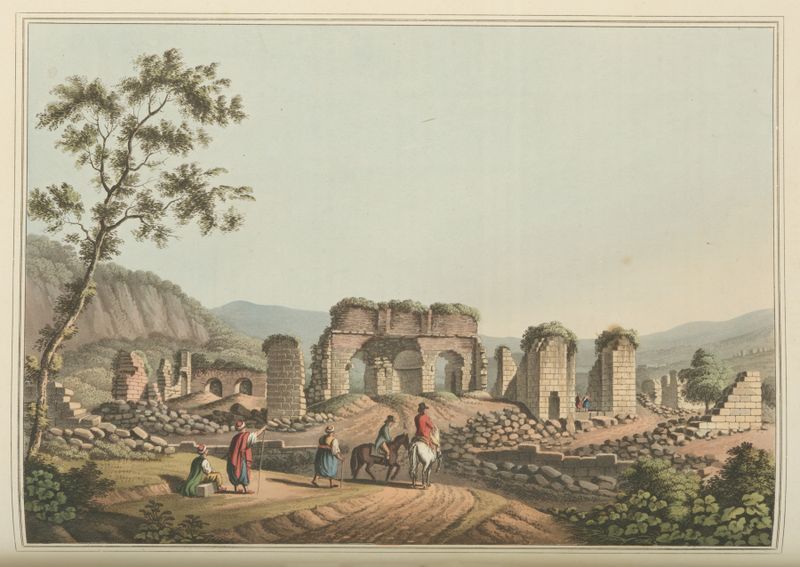
Ruins of the Temple of Diana at Ephesus
Luigi Mayer

Crater in the Island of Volcano
Luigi Mayer

Ruins of an ancient Temple in Samos
Luigi Mayer





